Jersey Joe Walcott: The Persistence and Professional Legacy of a Heavyweight Legend
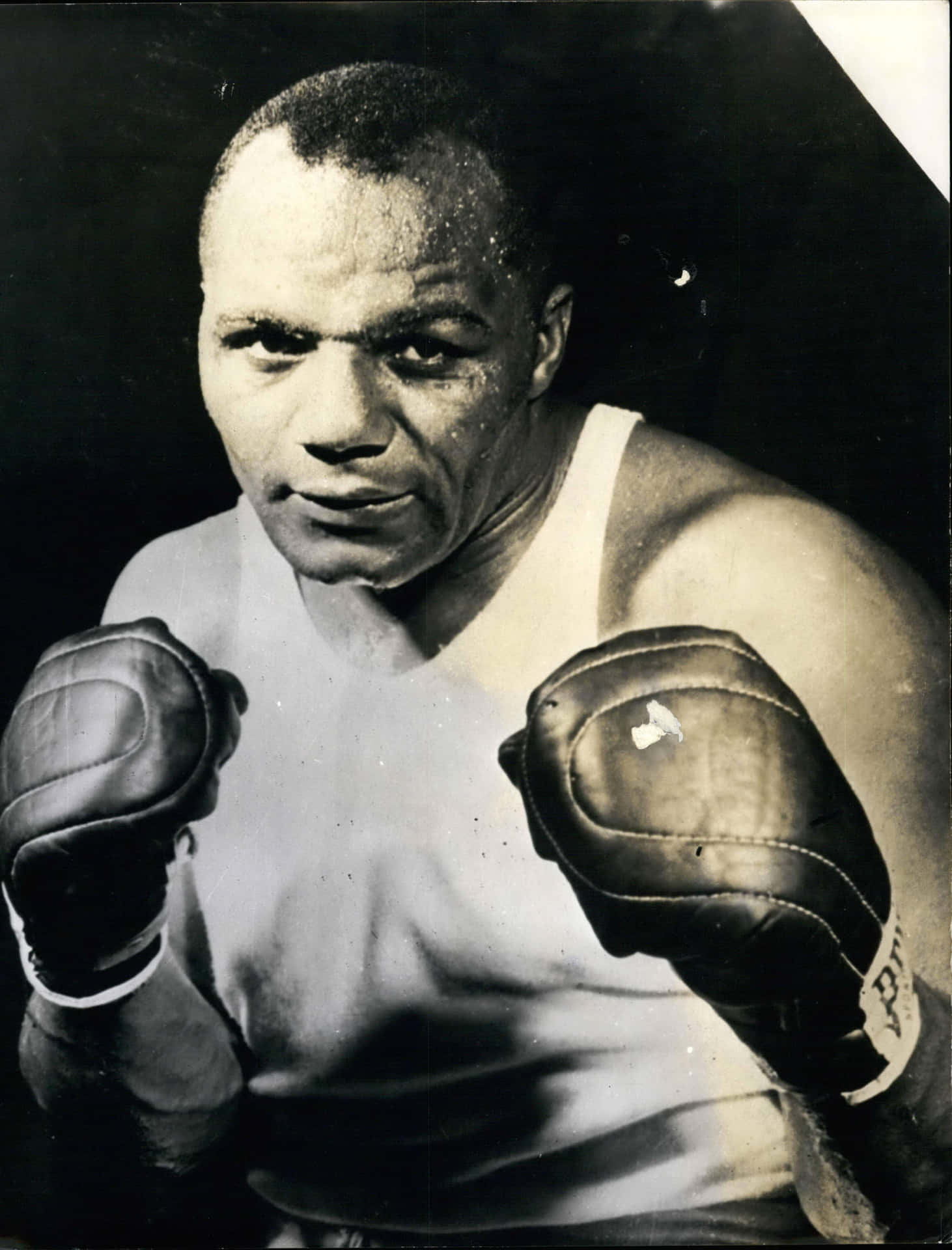
Arnold Raymond Cream, known to the world of pugilism as Jersey Joe Walcott, stands as one of the most resilient and intellectually driven figures in the history of heavyweight boxing. Rising from the depths of the Great Depression and enduring a grueling, decade-long apprenticeship in the sport’s undercards, Walcott eventually captured the World Heavyweight Championship at the age of 37, a record for seniority that stood for decades. His career is a masterclass in tactical adaptability, defensive movement, and the strategic mastery of a man who refused to abandon his championship ambitions despite repeated setbacks and professional heartbreak.
The Formative Years and the Origins of a Ring Name
Born on January 31, 1914, in Merchantville, New Jersey, Arnold Cream grew up in extreme poverty. Following the death of his father when he was a teenager, he turned to boxing to support his mother and siblings. He adopted the moniker "Jersey Joe Walcott" as a tribute to Joe Walcott, a Barbadian welterweight champion of the early 20th century whom he idolized.
The early years of his professional career, beginning in 1930, were defined by sporadic activity, inconsistent management, and financial struggle. Because he was often matched against bigger, more established fighters before he was physically mature, he suffered several early defeats that would have ended the careers of lesser boxers. During the late 1930s, he even took extended sabbaticals from the ring to work in a local war plant, a period that nearly permanently sidelined his aspirations. However, his return to the ring in the mid-1940s marked a transition from a raw, punch-seeking brawler to a sophisticated counter-puncher who prioritized leverage and timing over brute force.
The Trilogy of Heartbreak: The Joe Louis and Ezzard Charles Chapters
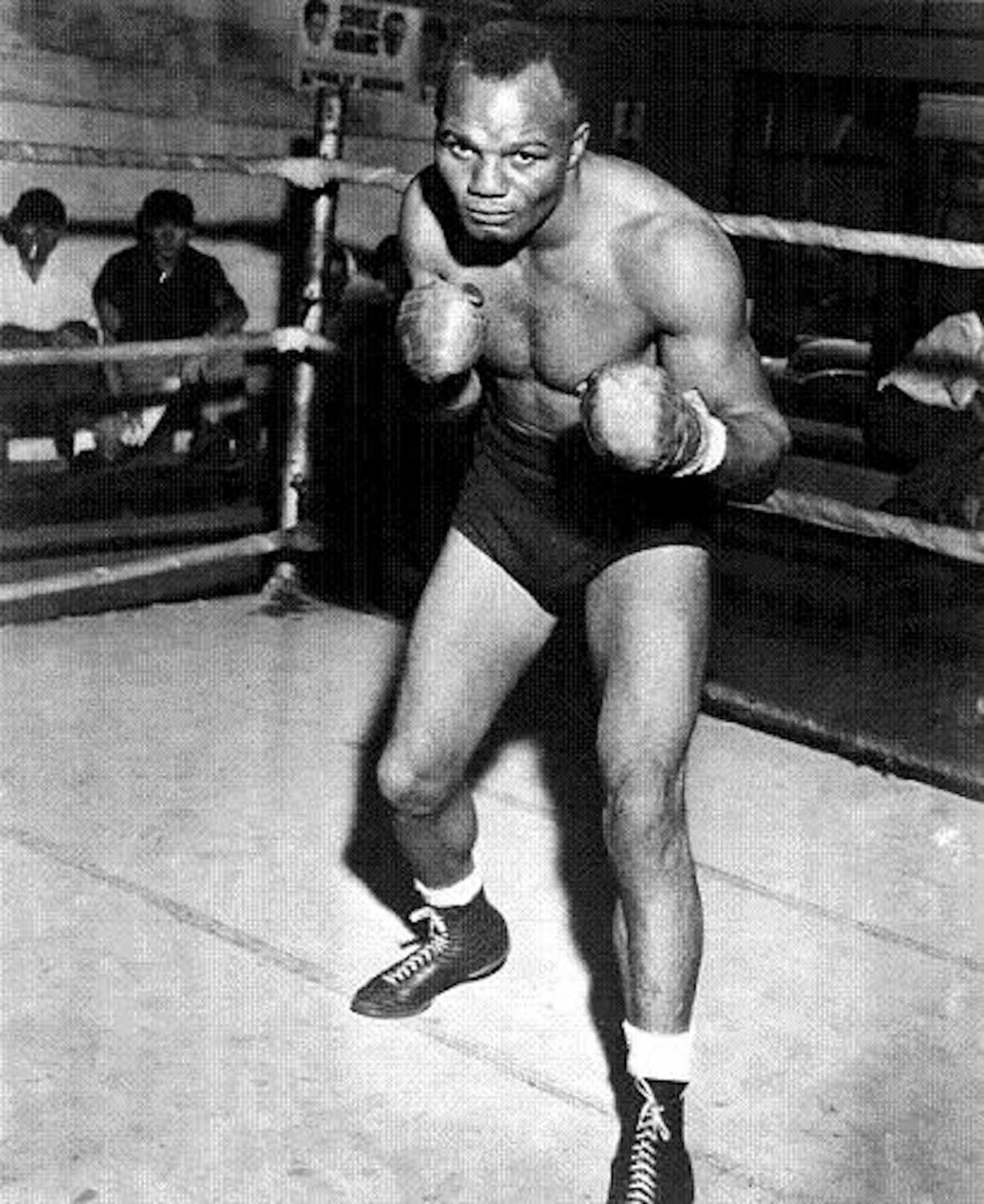
Walcott’s journey to the pinnacle of the sport is inextricably linked to his series of high-stakes bouts against Joe Louis and Ezzard Charles. These fights established the tactical template for which Walcott is remembered today: the use of the "crouch" defense, the distracting feint, and the sudden, explosive lead hook.
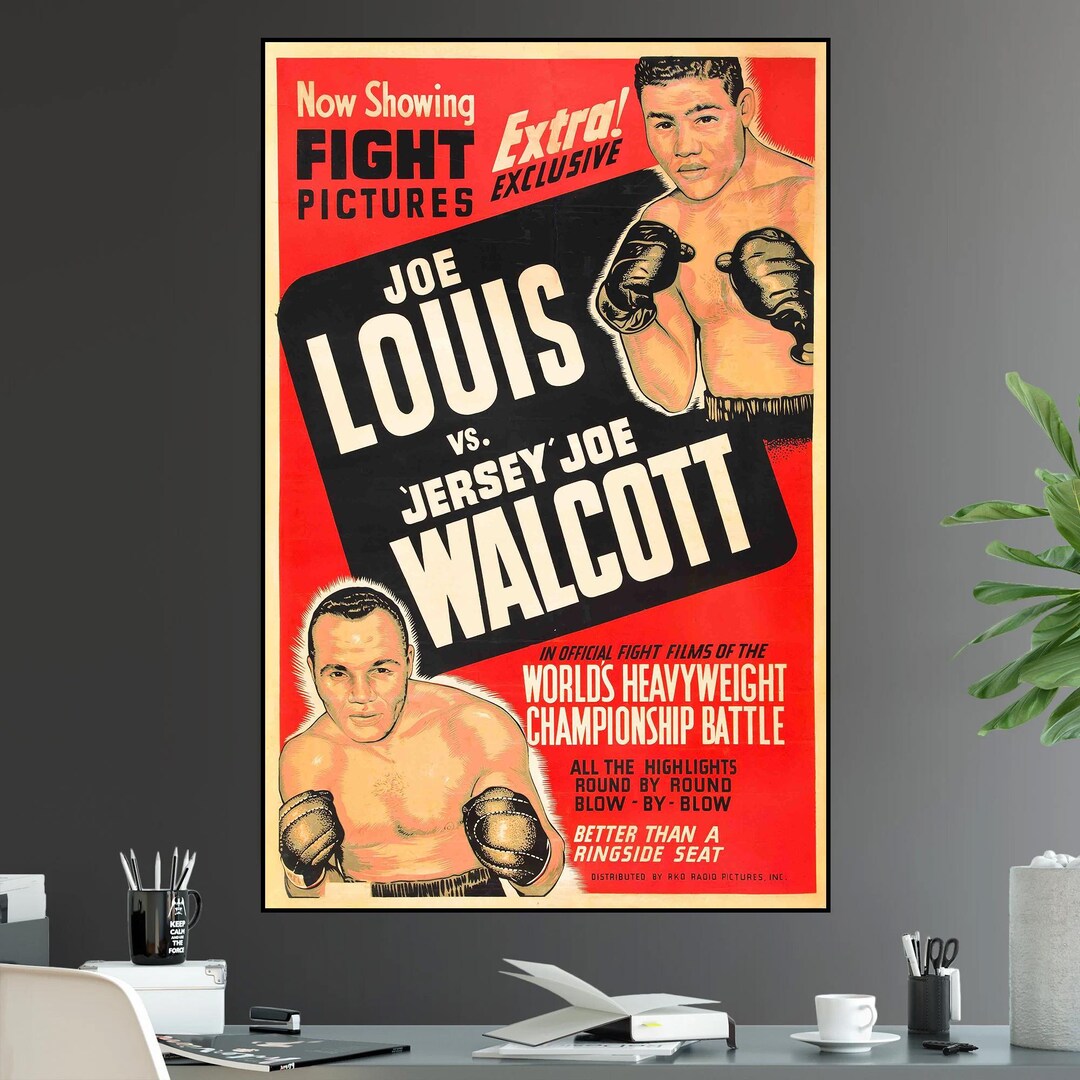
In 1947, Walcott faced Joe Louis for the heavyweight title at Madison Square Garden. Despite knocking Louis down twice in the early rounds, Walcott fought cautiously for the remainder of the 15-round contest, eventually losing by a controversial split decision. Many observers felt Walcott had done enough to win, and the outcome remains a staple of boxing history debates.
Following Louis's retirement, the National Boxing Association (NBA) sought a new champion. Walcott engaged in a grueling series of bouts against Ezzard Charles. After failing to capture the vacant title in 1949 and losing a rematch in 1951, Walcott was widely considered a "career loser" in title matches—a man who had come close but lacked the final gear to secure the crown.

The Championship Breakthrough: July 18, 1951
Walcott’s crowning achievement occurred at Forbes Field in Pittsburgh, Pennsylvania. At 37 years and 168 days old, he challenged Ezzard Charles for the third time. Utilizing a masterfully executed left hook in the seventh round, Walcott rendered Charles unconscious. This victory not only made him the oldest man to win the heavyweight championship at that time but also served as a vindication for a fighter who had spent 21 years pursuing the title.
His reign was short but significant, characterized by a subsequent knockout victory over Charles in a fourth encounter, followed by a dramatic championship defense against Rocky Marciano in 1952. In that fight, Walcott dominated the early rounds with his superior footwork and boxing IQ, dropping Marciano in the first round—a rarity for the "Brockton Blockbuster." However, Marciano’s relentless forward pressure eventually culminated in a one-punch knockout of Walcott in the 13th round, ending the latter's reign and, effectively, his top-tier competitive career.
Technical Analysis of the Walcott Style
Walcott did not rely on the crushing physical dominance of a prime Mike Tyson or the jab-heavy efficiency of Larry Holmes. Instead, he employed a style best described as "scientific deception." His approach to the ring included several core technical pillars:
- The Crouch: By staying low, he lowered his center of gravity, making him harder to hit and forcing opponents to throw downward, which compromised their own balance.
- Feinting and Timing: Walcott was a master of the "false lead." He would often twitch his shoulder or shift his weight to draw a lead from his opponent, only to pivot and counter-punch into the opening created by the opponent's miss.
- The Lead Left Hook: Unlike most fighters who rely on the left hook as a follow-up, Walcott perfected it as a lead punch. He would often fire it from a stationary position, catching opponents who were expecting him to retreat.
Career Statistical Comparison
The following table contextualizes Walcott’s career within the landscape of mid-20th-century heavyweight boxing.
| Opponent | Result | Method | Significance |
|---|---|---|---|
| Joe Louis | Loss | SD (15) | First major title opportunity; highly controversial. |
| Ezzard Charles | Loss | UD (15) | Initial attempt at the vacant championship. |
| Ezzard Charles | Win | KO (7) | Became oldest heavyweight champion at age 37. |
| Rocky Marciano | Loss | KO (13) | Final championship defense; retirement followed. |
Life Beyond the Ring: Refereeing and Public Service
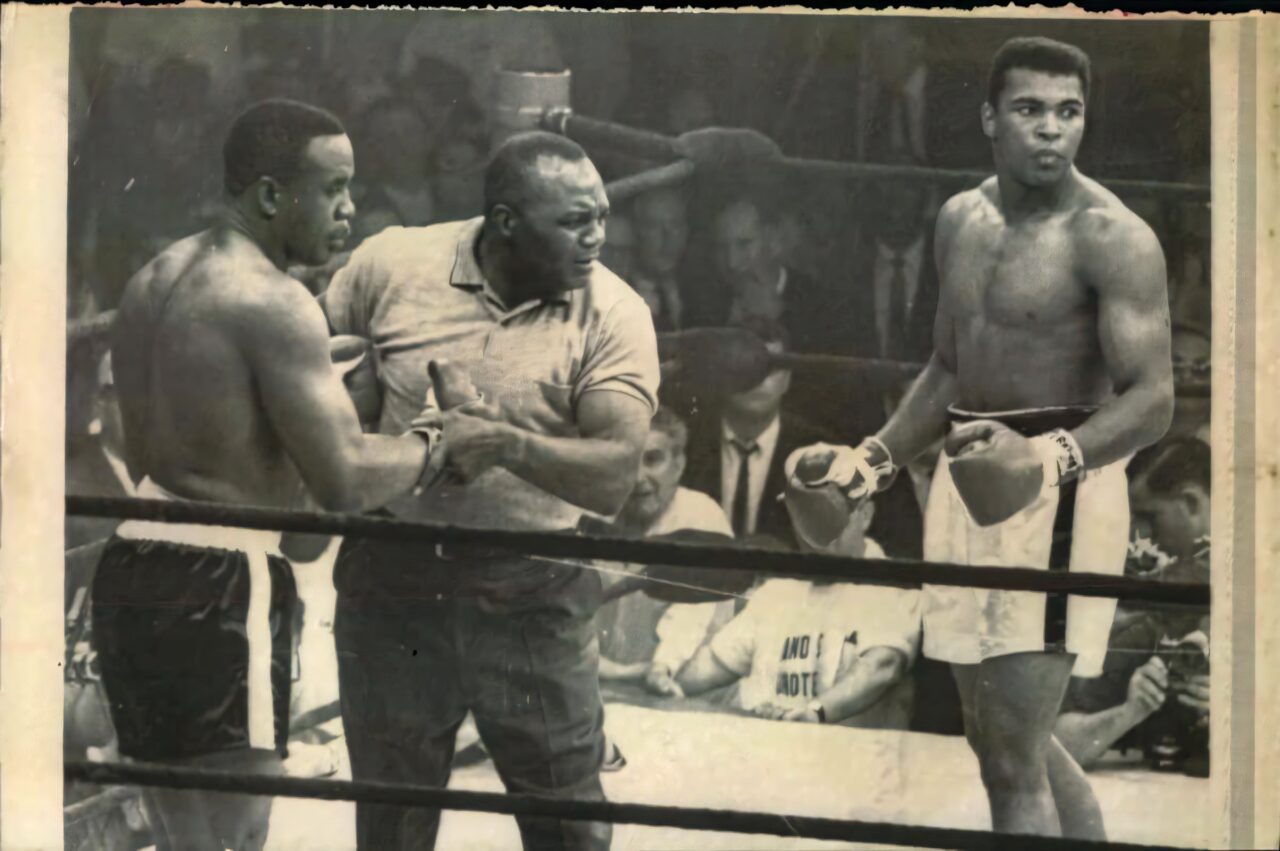
Following his retirement in 1953, Walcott remained a fixture in the boxing community, though his post-career path was markedly different from that of many contemporaries who struggled with financial ruin. He transitioned into the role of a referee, most notably officiating the infamous second bout between Muhammad Ali and Sonny Liston in 1965. His handling of the "phantom punch" finish remains one of the most discussed events in officiating history, as the chaotic nature of the fight made it nearly impossible for him to effectively count out a confused Liston.
Beyond boxing, Walcott entered politics and public service in New Jersey. He served as the sheriff of Camden County and later became the chairman of the New Jersey State Athletic Commission. His commitment to public service highlighted a personality that was disciplined, community-oriented, and remarkably grounded compared to the "larger-than-life" personas of the heavyweight champions who followed him.
Common Misconceptions and Frequently Asked Questions
Understanding the nuance of Walcott’s career requires separating myth from the historical record. Below are common questions addressed through the lens of archival sports history.
Was Jersey Joe Walcott considered an elite heavyweight by historical standards?
Yes. Despite his late-career success, analysts often group Walcott with the "smart" fighters of the era. His ability to modernize defensive movement in a division that often favored aggression places him in the top tier of mid-century technical boxers.
How did his age affect his performance?
Walcott’s age was initially a hindrance during his formative years when he lacked the seasoning to handle veteran heavyweights. However, as he reached his late 30s, his "old man strength" and tactical maturity allowed him to exploit the impatience of younger, more athletic opponents.
What was the specific nature of his loss to Rocky Marciano?
The 1952 fight against Marciano is often cited as the prototypical "styles clash." Walcott led on the scorecards for the majority of the fight by neutralizing Marciano's pressure. The 13th-round knockout was a singular moment where Marciano landed a perfect right hand, illustrating how Walcott's defensive shell could be cracked by singular, high-impact force.
Did he ever attempt a comeback after 1953?
No. Unlike many of his peers, Walcott retired permanently after the second Marciano fight. He maintained a consistent public presence through his work in government and as a boxing official, avoiding the physical degradation associated with fighting past one's prime.
Why is his refereeing of the Ali-Liston II fight still debated?
The controversy stems from the confusion in the ring. When Ali knocked Liston down, Liston did not immediately stand, and Walcott had difficulty getting Ali to move to a neutral corner, which prevented him from starting an official count. The confusion was compounded by a lack of clear communication between the timekeeper and the referee.
The Enduring Legacy of an Underdog
Jersey Joe Walcott’s legacy is defined by his persistence. In an era where heavyweight boxing was the most lucrative and popular sport in America, he spent decades in the shadows before achieving the ultimate recognition. For students of the sport, he remains the definitive example of the "late bloomer" who utilized intellect and strategy to overcome physical limitations.
His life serves as a testament to the idea that tactical evolution can extend a career far beyond the perceived expiration date of a professional athlete. By prioritizing defensive integrity and psychological warfare over pure athletic exertion, he secured his place in the International Boxing Hall of Fame and left behind a blueprint for how a fighter can maintain relevance through sheer force of will and continuous self-improvement.
For those interested in studying his technique, reviewing his later fights—specifically the trilogy with Ezzard Charles—is highly recommended. These bouts provide the clearest evidence of how he dismantled world-class opposition through patience and precise counter-punching. Jersey Joe Walcott was not merely a champion of the ring; he was a champion of the professional process, proving that greatness is often a matter of timing, preparation, and the refusal to quit.
Image Gallery
Select an image to open it in a new tab.



Zara El-Hashem
Sociocultural Dynamics and Academics Writer
