Understanding the Reliability of the Mazda CX-5: A Comprehensive Technical Analysis
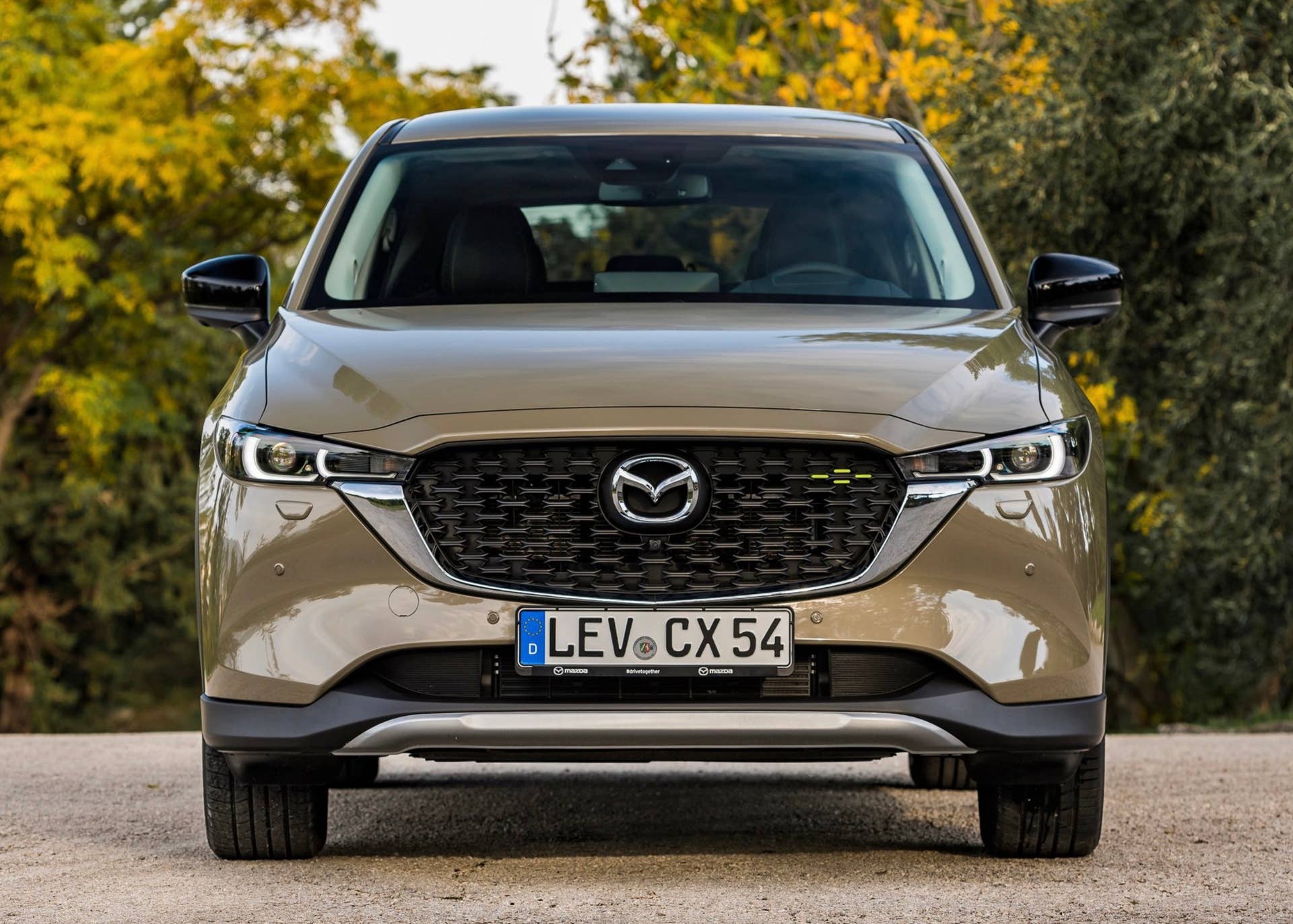
The Mazda CX-5 maintains a reputation as one of the most reliable vehicles in the compact SUV segment. It balances mechanical simplicity, particularly in its naturally aspirated engines, with refined build quality. While individual experiences vary based on maintenance intervals and driving conditions, long-term data indicates that the CX-5 remains a dependable choice for both new and used buyers in 2026.
The Evolution of the Mazda CX-5 Platform
The Mazda CX-5, since its inception in 2012 as the first vehicle to fully feature the "Skyactiv" suite of technologies, has prioritized mechanical longevity through refinement rather than radical experimentation. Unlike many competitors that shifted rapidly to smaller, turbocharged engines and complex dual-clutch transmissions, Mazda largely stuck to a proven formula: naturally aspirated direct-injection engines paired with traditional six-speed automatic transmissions.
By 2026, the vehicle has reached a level of maturity where common failure points are well-documented. The architecture relies on high-tensile steel and a chassis design that prioritizes rigidity, which serves to reduce stress on components over time. Understanding the reliability of the CX-5 requires looking past general brand perception and into the specific powertrain configurations that have defined its decade-plus lifespan.
Powertrain Reliability: Naturally Aspirated vs. Turbocharged
The core of the Mazda CX-5’s reliability narrative lies in its powertrain options. The vehicle has historically been offered with two primary engine variants: the 2.5L naturally aspirated Skyactiv-G engine and the 2.5L turbocharged Skyactiv-G engine.
The 2.5L Naturally Aspirated Engine
The non-turbocharged 2.5L four-cylinder engine is widely considered the gold standard for long-term ownership. Its design is relatively straightforward, lacking the additional heat and pressure variables introduced by turbocharging. Its longevity is supported by robust cooling systems and an ignition timing strategy that optimizes for fuel efficiency without pushing engine components to their thermal limits. For drivers prioritizing "set it and forget it" mechanical reliability, this configuration is the superior choice.
The 2.5L Turbocharged Engine
Introduced to provide more competitive torque figures, the turbocharged variant is more complex. While generally reliable, the added turbocharger increases the thermal load on the oil and cooling systems. Owners of turbocharged models must be more diligent regarding oil change intervals, as the turbocharger is sensitive to oil degradation. In 2026, service records indicate that while the turbocharger itself is a rare point of failure, it necessitates stricter adherence to the manufacturer’s recommended maintenance schedule to avoid premature wear on internal bearings.
Transmission and Drivetrain Consistency
One of the CX-5’s most significant advantages in reliability rankings is its transmission. While many manufacturers in the compact SUV segment adopted Continuously Variable Transmissions (CVTs) to eke out marginal fuel economy gains, Mazda stayed with a traditional torque-converter six-speed automatic transmission.
This transmission, known as the Skyactiv-Drive, is lauded for its responsiveness and durability. Because it lacks the intricate belt-and-pulley systems found in CVTs, it is less prone to the heat-related failure modes often seen in competing models. The gearing is well-spaced for both city driving and highway cruising, ensuring that the engine spends less time in high-stress RPM ranges. Furthermore, the i-Activ All-Wheel Drive (AWD) system is mechanically robust. It is a predictive system that monitors everything from outside temperature to windshield wiper usage to determine traction needs, and it has proven to be an exceptionally reliable electronic-mechanical integration over the last several years.
Common Issues and Maintenance Realities
No vehicle is immune to wear, and the Mazda CX-5 is no exception. Understanding these common areas helps in preemptive maintenance and budgeting.
- Infotainment System: The Mazda Connect system, particularly in models produced between 2014 and 2019, has been reported to experience "ghost touching" or screen delamination. While this does not impact the vehicle's ability to drive, it is a known frustration for owners.
- Brake Wear: Because the CX-5 uses a torque-vectoring control system called G-Vectoring Control to stabilize the car, some owners report higher-than-average brake pad wear, particularly on the rear pads. This is a deliberate design choice to improve handling, not necessarily a defect, but it requires owners to monitor pad thickness more closely than in other compact SUVs.
- Oil Consumption in Early Turbo Models: Some early iterations of the turbocharged engine experienced cylinder head concerns that led to oil consumption issues. Mazda addressed these via technical service bulletins (TSBs), and by 2026, these issues have been largely mitigated in the used market for vehicles that received the necessary software and hardware updates.
Reliability Comparison: Mazda CX-5 vs. Segment Competitors
| Feature | Mazda CX-5 | Typical CVT Competitors |
|---|---|---|
| Transmission Type | 6-Speed Automatic | CVT |
| Driving Feel | Precise, mechanical | Often "rubber-band" feel |
| Long-term Complexity | Moderate | High (due to belt wear) |
| Maintenance Cost | Average | Varies, high if transmission fails |
| Resale Value | High | Moderate to High |
This table illustrates why the CX-5 often ranks higher in long-term reliability surveys: it chooses conventional, proven engineering over newer, potentially less durable technologies.
The Role of Scheduled Maintenance
The "reliability" of the Mazda CX-5 is intrinsically tied to how strictly owners follow the manufacturer’s maintenance schedule. In 2026, the guidance remains consistent:
- Oil Changes: Synthetic oil is required. For the turbocharged variant, do not extend intervals beyond 5,000 to 7,500 miles.
- Transmission Fluid: While Mazda often claims the transmission fluid is "lifetime," mechanics and long-term owners typically suggest a drain-and-fill service every 60,000 to 80,000 miles to ensure the longevity of the valve body and gears.
- Cooling System: Inspect hoses and coolant levels every 30,000 miles to prevent the thermal stress that often kills older engines.
Electronics and Interior Quality
Mazda’s interior design philosophy emphasizes ergonomics and physical controls over the "screen-first" approach taken by many rivals. This has a direct benefit for reliability: there are fewer complex touch-capacitive buttons and sub-menus that can fail or become unresponsive. The material quality—specifically the use of soft-touch plastics and leather-wrapped surfaces in higher trims—has proven resistant to cracking and peeling, provided the vehicle is protected from extreme UV exposure.
However, the electronic sensors—specifically those related to the "i-Activsense" safety suite—require calibration. If a windshield is replaced, the front-facing camera must be recalibrated by a qualified technician to ensure the automatic emergency braking and lane-keeping systems function correctly. Failure to calibrate these after glass repair is a common cause of "false positive" safety warnings.
Frequently Asked Questions
Is the Mazda CX-5 more reliable than the Toyota RAV4 or Honda CR-V? The CX-5 is highly competitive with these vehicles. While the RAV4 and CR-V have long histories of reliability, the CX-5 is often preferred by those who dislike the driving characteristics of the CVTs used in the Honda and Toyota models. Reliability is statistically comparable across all three brands when considering major mechanical failures.
Does the 2026 model still suffer from the same issues as older models? By 2026, Mazda has refined the production processes for the CX-5 significantly. Most of the minor electrical glitches, such as infotainment display issues or early-stage oil consumption, have been engineered out of the current production versions through iterative updates.
Are all-wheel-drive models less reliable than front-wheel-drive models? No. The i-Activ AWD system is highly integrated and robust. It does not introduce significant complexity that would make it less reliable than the FWD version, provided the owner maintains the tires properly (as uneven tire wear can put stress on the differential).
What is the "Skyactiv" technology, and does it affect reliability? Skyactiv is a marketing and engineering term for Mazda’s holistic approach to increasing efficiency by reducing weight and friction. It relies on higher compression ratios and optimized combustion. Because it achieves efficiency through clever engineering rather than downsizing engines to extreme degrees, it has proven to be a reliable long-term strategy.
Next Actions for Prospective Owners
If you are considering the purchase of a used or new Mazda CX-5 in 2026, start by reviewing the vehicle’s service history. If you are looking at a used model, prioritize versions with a documented record of synthetic oil changes. If you are purchasing new, ensure that your local service center is familiar with the calibration requirements for the advanced driver-assistance systems. Because the CX-5 relies on a traditional transmission, you gain the benefit of a proven mechanical platform, making it one of the most stable investments in the compact SUV market for the next several years.

Image Gallery
Select an image to open it in a new tab.




Declan O'Connor
Higher Education and Campus Culture Reporter
