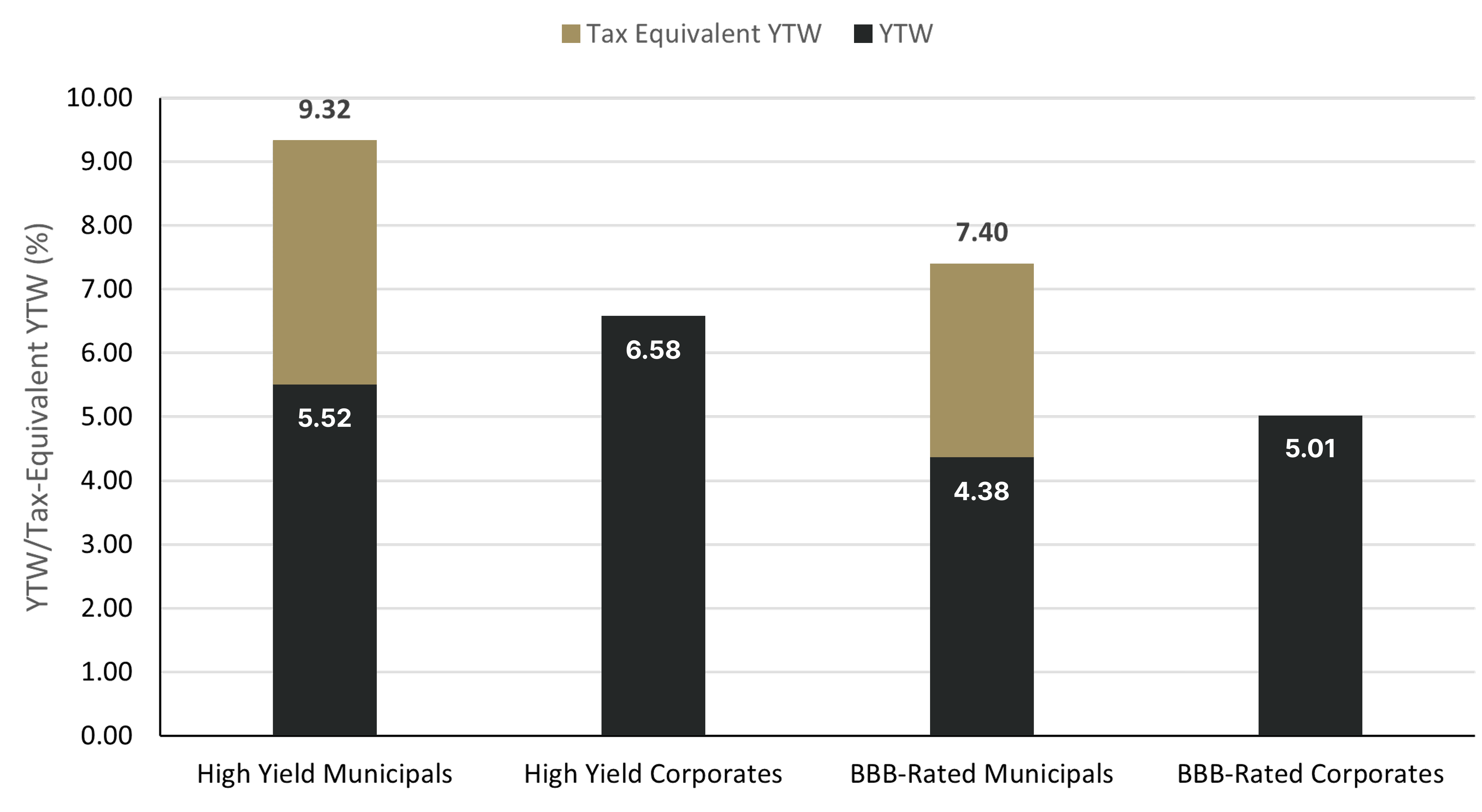
The average yield on municipal bonds refers to the weighted return an investor receives from debt securities issued by state and local governments, usually expressed as a percentage of the bond’s face value. Understanding these numbers requires evaluating tax-equivalent yields, credit quality, maturity horizons, and how current interest rate environments shape the performance of tax-exempt income streams.
The Foundation of Municipal Bond Yields
Municipal bonds, often referred to as "munis," are debt securities issued by states, cities, counties, and other governmental entities to fund public projects such as schools, highways, hospitals, and sewer systems. When you purchase a municipal bond, you are essentially lending money to the issuer for a defined period. In exchange, the issuer agrees to pay you a specified interest rate, known as the coupon, until the bond reaches maturity.
The "yield" is the actual return you earn on your investment, which differs from the coupon rate if you purchase the bond at a price other than par (its face value). For example, if a bond has a coupon of 4% but you purchase it at a discount, your yield will be higher than 4%. If you purchase it at a premium, your yield will be lower. The average yield across the market serves as a benchmark for investors to assess whether the interest payments they are receiving are competitive compared to the broader market and other fixed-income assets.
Why Tax-Exempt Status Changes the Calculation
The primary appeal of municipal bonds—and the reason their nominal yields often appear lower than those of corporate bonds—is their tax status. In the United States, interest income from municipal bonds is generally exempt from federal income tax. Depending on the state of residence and the specific bond, the interest may also be exempt from state and local taxes.
Because of this tax-advantaged status, you cannot compare the yield of a municipal bond directly to a taxable corporate bond. To make an "apples-to-apples" comparison, investors use the Tax-Equivalent Yield (TEY) formula:
Tax-Equivalent Yield = Municipal Bond Yield / (1 - Marginal Tax Rate)
For instance, if you are in the 35% federal tax bracket and you hold a municipal bond yielding 3.5%, the tax-equivalent yield would be approximately 5.38%. This calculation illustrates why municipal bonds are particularly attractive to high-net-worth investors who face significant tax burdens on standard interest-bearing accounts or taxable corporate bonds.
Factors Influencing Average Yields
The average yield on municipal bonds is not a static number; it fluctuates based on several macroeconomic and security-specific factors.
- Interest Rate Environment: When the Federal Reserve adjusts benchmark interest rates, the entire yield curve shifts. Generally, when interest rates rise, the prices of existing municipal bonds fall, causing their yields to rise to remain competitive with newly issued bonds.
- Credit Quality: Municipalities are assigned credit ratings by agencies such as Moody’s, S&P, and Fitch. Bonds issued by entities with higher credit ratings (lower risk of default) offer lower yields, while bonds from lower-rated issuers must offer higher yields to entice investors to take on the additional risk.
- Maturity (Duration): Yields are highly sensitive to the length of time until the bond matures. Typically, longer-term bonds offer higher yields than shorter-term bonds because they carry more risk regarding inflation and future interest rate volatility.
- Supply and Demand: The municipal market is relatively niche. A sudden influx of new bond issuances can drive prices down and yields up, while high demand from institutional investors can push prices up and yields down.
Comparing Yields Across the Market
To track the average yield, analysts often look at indices such as the S&P Municipal Bond Index or the Bloomberg Municipal Bond Index. These indices provide a representative view of the market’s current performance. The following table illustrates how different types of municipal debt typically compare in terms of risk and yield characteristics.
| Bond Type | Typical Credit Quality | Primary Risk Factor | Yield Relative to Market |
|---|---|---|---|
| General Obligation (GO) | High (Backed by Taxing Power) | Political/Economic Shift | Lower |
| Revenue Bonds | Variable (Backed by Project Income) | Project Viability | Moderate |
| Essential Service Bonds | High | Operational Failure | Lower |
| High-Yield/Non-Rated | Lower | Default Probability | Higher |
Interpreting Yield Curves
A healthy municipal bond market is characterized by a "normal" yield curve, where longer-term bonds provide higher yields than shorter-term bonds to compensate for the uncertainty of the future. However, investors should be aware of "inverted" yield curves, which occur when short-term interest rates are higher than long-term rates. An inverted curve often signals market concern about an impending economic slowdown.
When monitoring the average yield, focus on the Yield to Maturity (YTM). Unlike the current yield (which only considers the annual coupon payment relative to current price), the YTM accounts for the total return anticipated if the bond is held until its maturity date, factoring in the purchase price, coupon payments, and the eventual repayment of the face value.
Common Pitfalls in Yield Evaluation
Many investors make the mistake of focusing solely on the "yield" without accounting for the "call risk." Many municipal bonds are "callable," meaning the issuer has the right to pay off the bond before the maturity date if interest rates drop and they can refinance at a lower cost.
If your bond is called, your income stream is interrupted, and you may be forced to reinvest your principal at a lower market yield. Always check the "Yield to Call" (YTC) alongside the Yield to Maturity. If a bond is trading at a significant premium, the YTC may be lower than the YTM, providing a more realistic, albeit conservative, expectation of your actual returns.
Frequently Asked Questions
1. Is the average yield on municipal bonds the same as the coupon rate? No. The coupon rate is the fixed interest rate set at the time of issuance. The yield is a dynamic number that changes based on the price you pay for the bond in the secondary market. If you buy a bond at par, the yield and coupon are identical; if you buy at a discount or premium, they diverge.
2. How does my tax bracket affect my decision to buy municipal bonds? Your tax bracket is the most critical factor in determining the value of a municipal bond. Because the interest is tax-exempt, the higher your marginal tax rate, the more valuable the tax-free status becomes. Investors in lower tax brackets may find that taxable investments, like corporate bonds or Treasuries, offer better net-after-tax returns.
3. Are municipal bonds risk-free? While municipal bonds have historically shown very low default rates compared to corporate bonds, they are not risk-free. Default risk exists, particularly with revenue bonds tied to specific, less-stable projects. Always verify the credit rating of the municipality and the specific revenue source backing the bond.
4. Can I lose money on municipal bonds? Yes. You can lose money if you are forced to sell your bonds before maturity during a period when interest rates have risen, causing the market price of your bonds to drop. Additionally, there is a risk of credit deterioration, where the issuer’s financial health declines, impacting the bond's value.
5. How often should I check the average yield of my portfolio? The frequency depends on your investment strategy. If you are a long-term "buy-and-hold" investor, checking yields annually is usually sufficient. If you are actively trading or managing a bond ladder, monthly or quarterly reviews are standard practice to identify reinvestment opportunities as bonds mature or are called.
Strategic Next Steps
Before committing capital to the municipal bond market, perform a comprehensive review of your current tax situation. Calculate your exact marginal tax rate and determine your tax-equivalent yield threshold. If you are utilizing municipal bond funds or ETFs, monitor their "SEC Yield," which is a standardized calculation that provides a more accurate reflection of the income the fund is generating compared to the fund’s distribution rate.
If you are an individual investor, consider building a "bond ladder"—a strategy of purchasing bonds with staggered maturity dates. This approach helps mitigate interest rate risk, provides periodic liquidity, and allows you to capture varying yields across the yield curve. Consult with a qualified financial advisor to ensure your bond selection aligns with your liquidity needs, risk tolerance, and long-term tax planning objectives.
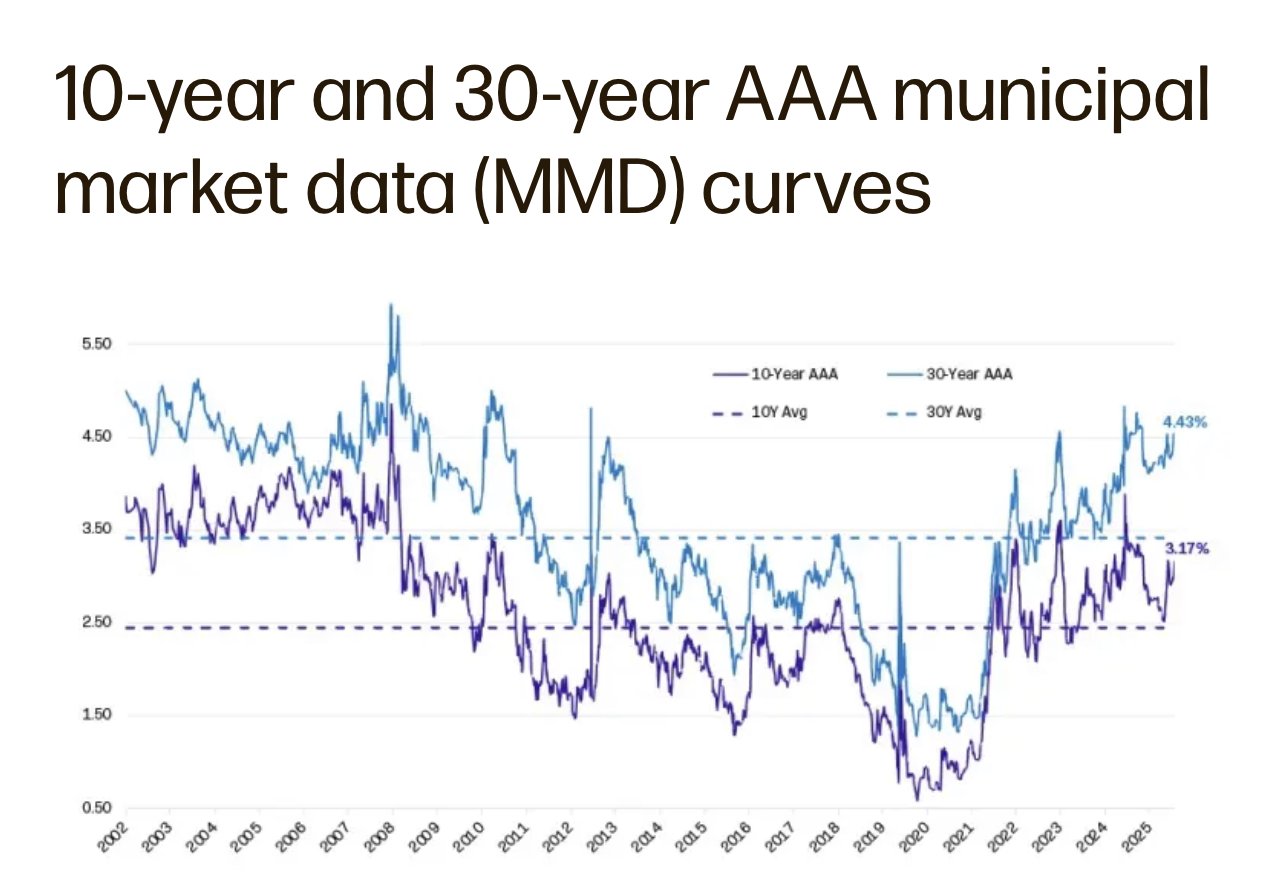
Image Gallery
Select an image to open it in a new tab.
Omar Farooq
EdTech Innovation and Virtual Pedagogy Journalist
