
The first American to successfully reach the summit of Mount Everest was James W. Whittaker. He achieved this historic feat on May 1, 1963, as a member of the American Mount Everest Expedition, reaching the top via the South Col route alongside Sherpa Nawang Gombu. This landmark achievement cemented his place in history and elevated the profile of American mountaineering on the global stage.
The Historical Context of the 1963 Expedition
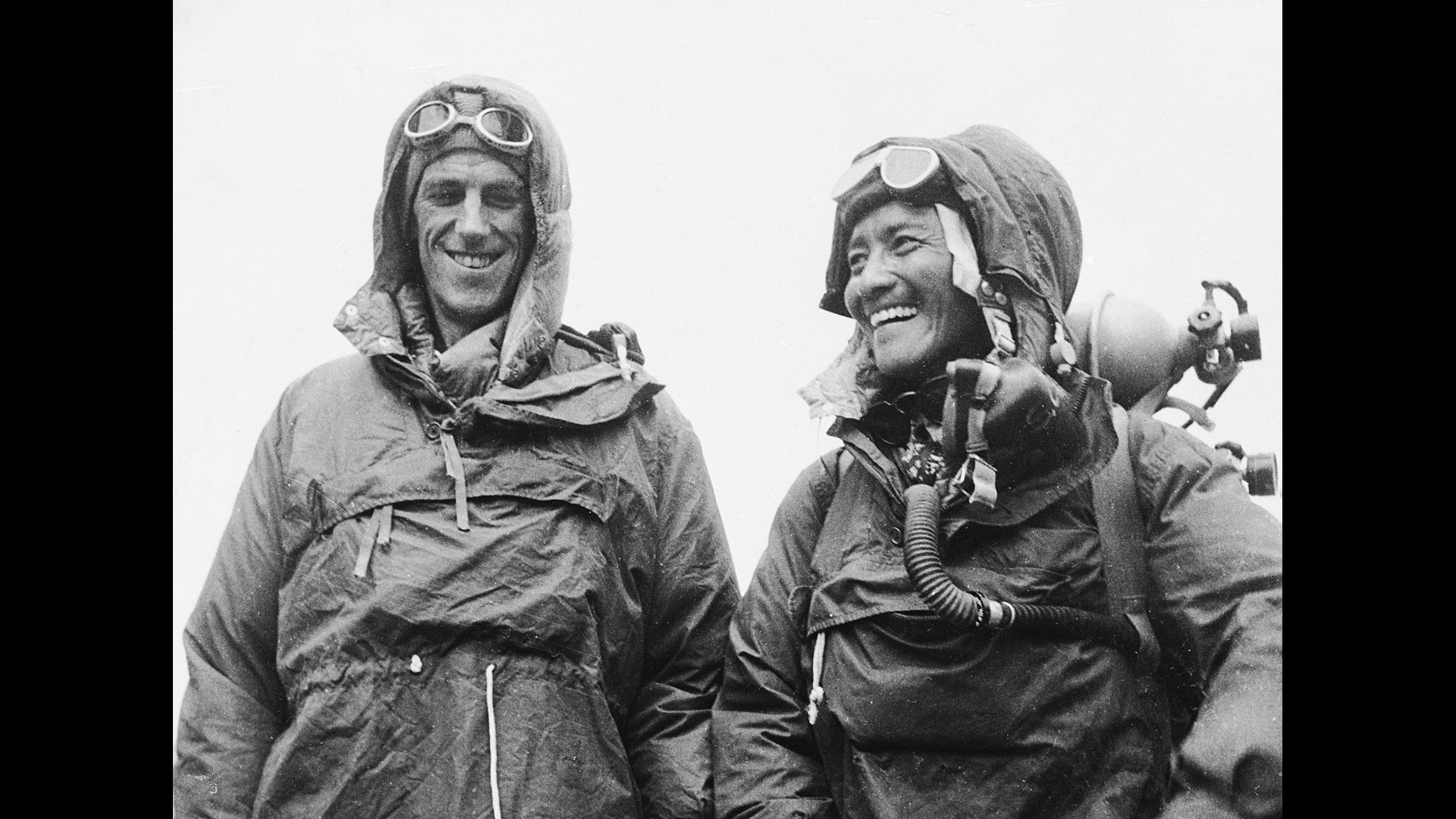
In the early 1960s, Mount Everest remained a formidable objective that few nations had successfully conquered. Since the first successful ascent by Sir Edmund Hillary and Tenzing Norgay in 1953, only the British, Swiss, and Chinese had placed climbers on the summit. The United States, despite a growing interest in high-altitude mountaineering, had yet to put a citizen on the world’s highest peak.
The American Mount Everest Expedition (AMEE) of 1963 was organized with the intent to conduct scientific research while simultaneously establishing a national presence in the Himalayas. Led by Norman Dyhrenfurth, the expedition was remarkably well-funded and equipped, benefiting from the logistical support of the National Geographic Society. The team consisted of 19 American climbers and a significant contingent of Sherpa guides, making it one of the most sophisticated mountaineering operations of its era.
James W. Whittaker: The Profile of a Pioneer
James "Jim" Whittaker was an experienced climber from Seattle, Washington, whose background in the rugged terrain of the Pacific Northwest provided the necessary physical and mental conditioning for the Himalayan environment. Prior to the 1963 expedition, he had been a prominent figure in the American climbing community, noted for his athleticism and resilience.
Whittaker’s selection as part of the primary summit team was a testament to his fitness levels and technical proficiency. During the 1963 ascent, he faced the same harrowing conditions that define Everest: sub-zero temperatures, high winds, and the constant threat of hypoxia due to the "death zone," where oxygen levels are insufficient to sustain human life for extended periods.
The Ascent: May 1, 1963
The path to the summit taken by Whittaker and Nawang Gombu followed the South Col, the route pioneered by the British ten years prior. The final push from Camp VI was grueling. The climbers relied on bottled oxygen, a necessity at those altitudes for efficiency and safety.
Whittaker’s success was not just an individual victory; it served as the culmination of the expedition's collective effort. The logistical support from the lower camps, the preparation of the route through the treacherous Khumbu Icefall, and the collaboration with Sherpa guides were essential variables in his survival and success. By standing on the summit, Whittaker validated the years of preparation undertaken by the American team and brought a sense of accomplishment to the American mountaineering community.
Technical Challenges and Survival Parameters
Climbing Mount Everest requires adherence to strict physiological and technical protocols. In 1963, these protocols were still evolving. The following table illustrates the core components of the 1963 expedition that enabled Whittaker’s success.
| Feature | Description | Relevance to 1963 Success |
|---|---|---|
| Route | South Col (Southeast Ridge) | The most established and "safest" path at the time. |
| Oxygen | Open-circuit systems | Vital for preventing cerebral and pulmonary edema. |
| Support | High-Altitude Sherpas | Provided essential logistical movement of supplies. |
| Logistics | Multi-camp structure | Allowed for acclimatization over several weeks. |
| Strategy | Fixed-rope sections | Minimized exposure time in the most dangerous zones. |
The Role of Sherpa Nawang Gombu
It is impossible to discuss the first American ascent without acknowledging Nawang Gombu, the Sherpa guide who accompanied Whittaker. Gombu was an elite climber in his own right, serving as a crucial partner in the final hours of the climb. His experience in the high Himalayas provided the balance of wisdom and physical stamina needed to overcome the final obstacles near the South Summit and the Hillary Step. The partnership between Whittaker and Gombu is frequently cited as a model for modern high-altitude expeditions, where international collaboration and respect for local expertise are paramount.
Scientific and Cultural Impact
Beyond the personal achievement of the summit, the 1963 American expedition provided significant value through scientific inquiry. The expedition team performed physiological studies on the effects of extreme altitude on the human body, contributing to medical literature that would later influence high-altitude medicine.
Culturally, the event sparked a surge of interest in outdoor pursuits across the United States. Following the team's return, the expedition was featured in National Geographic magazine, bringing vivid, first-hand accounts of the Himalayas to the American public. This publicity helped democratize mountaineering, transitioning it from an obscure, elite hobby to a respected discipline in the American outdoor industry.
Comparison: 1963 vs. Modern Everest Logistics
In 2026, the approach to Everest is vastly different from that of the 1963 expedition. Where Whittaker operated with limited data and hand-woven, heavy gear, modern climbers have access to satellite weather forecasting, lightweight synthetic materials, and highly specialized, standardized expedition logistics.
- Weather Forecasting: In 1963, weather windows were estimated based on historical trends and local observation. Today, meteorologists provide high-resolution, hourly forecasts that allow for pinpoint timing of summit pushes.
- Communication: Early expeditions were cut off from the world for months. Modern climbers utilize satellite phones and high-speed data links to maintain constant contact with support teams.
- Accessibility: The 1963 expedition was a massive, state-sponsored-style effort. Modern Everest, while still demanding, is now serviced by a robust commercial industry that allows private citizens to join guided expeditions.
Challenges and Safety Considerations
Despite advancements, the fundamental risks of Everest remain unchanged. The "death zone" above 8,000 meters continues to pose the same physiological threats to human life. As of 2026, the following challenges remain central to any attempt:
- Hypoxia: Even with supplemental oxygen, the body undergoes severe stress, leading to potential organ failure if acclimatization protocols are not followed.
- Avalanche and Rockfall: The Khumbu Icefall remains a dynamic, unpredictable environment where serac falls can occur at any moment.
- Weather Volatility: The jet stream can descend rapidly, turning a calm mountain into a life-threatening wind tunnel in minutes.
Frequently Asked Questions
Who was the first American to reach the top of Everest? James W. Whittaker reached the summit on May 1, 1963. He was part of a larger American team and was accompanied by Sherpa Nawang Gombu.
Did anyone reach the summit before the Americans? Yes. The first confirmed ascent occurred in 1953 by Sir Edmund Hillary and Tenzing Norgay. Several other international teams achieved the summit between 1953 and 1963 before the American team succeeded.
Was Jim Whittaker the only person on the summit that day? Whittaker reached the summit with Nawang Gombu. They were the only two individuals at the peak during their specific summit window on that day.
What route did the 1963 American expedition take? The team utilized the South Col route, which ascends through the Khumbu Icefall, the Western Cwm, and up the Southeast Ridge. This remains the most commonly used route to the summit today.
How many Americans had climbed Everest before 1963? None. The 1963 American Mount Everest Expedition was the first successful U.S.-led project to place American citizens on the summit.
Next Steps for Mountaineering Enthusiasts
For those interested in the history of American mountaineering or planning to pursue high-altitude goals, the legacy of the 1963 expedition provides a foundational blueprint. Aspiring mountaineers should focus on:
- Technical Training: Mastery of rope work, crampon technique, and ice axe self-arrest is non-negotiable.
- Physical Conditioning: Long-term aerobic development and cardiovascular endurance are more critical than raw strength for high-altitude success.
- Acclimatization Education: Understanding the biology of altitude sickness and the necessity of proper ascent rates is the single most important safety skill one can acquire.
- Professional Guidance: For those looking to experience the Himalayas, engaging with reputable, licensed guide services that emphasize safety over speed is the standard practice in the current era.
By studying the achievements of pioneers like James Whittaker, modern climbers can better appreciate the progress of the sport while maintaining a respectful, cautious approach to the immense power of the world’s highest peaks.

Image Gallery
Select an image to open it in a new tab.



Simon Caldwell
Enterprise Technology and Systems Editor
