Understanding the Protocol in Medicine: Essential Standards for Clinical Practice

A medical protocol is a systematically defined, evidence-based document that outlines the standardized sequence of actions, diagnostic criteria, and therapeutic interventions for managing specific clinical conditions. By reducing clinical variation, these frameworks ensure that practitioners deliver consistent, high-quality care, enhance patient safety, and streamline decision-making in complex healthcare environments.
The Core Definition and Purpose of Medical Protocols
At its simplest, a protocol in medicine acts as a navigational roadmap for healthcare providers. Unlike a clinical guideline, which may offer broad recommendations or choices among several paths, a protocol is typically more prescriptive. It establishes a set of "if-then" rules that guide clinicians on the precise steps to take when faced with a particular patient presentation.
The primary objective of these protocols is to translate vast quantities of medical research into actionable practice. Medicine is an evolving field; clinicians cannot memorize every study, trial, or variation in drug interaction. Protocols serve as a cognitive shortcut, ensuring that the best available evidence is applied at the point of care. This is particularly vital in high-stakes settings, such as emergency departments, intensive care units (ICUs), and surgical theaters, where time-sensitive decisions are frequent.
The Clinical Necessity for Standardization
Medical errors are often the result of communication breakdowns, human fatigue, or the omission of critical steps during complex procedures. Standardized protocols mitigate these risks by:
- Minimizing Diagnostic Oversights: By providing a structured checklist for assessment, protocols ensure that rare but serious conditions are considered and ruled out appropriately.
- Improving Resource Allocation: Standardized pathways prevent the overuse of unnecessary diagnostic tests, reducing costs for both the patient and the healthcare institution.
- Enhancing Team Coordination: In a multidisciplinary team, every member must understand the expected trajectory of patient care. Protocols create a "common language" that prevents fragmentation between nursing staff, specialists, and primary care physicians.
- Facilitating Audit and Improvement: When every patient with a specific diagnosis follows the same protocol, institutions can analyze outcomes to identify where the process succeeded or failed. This data-driven approach is essential for modern quality assurance.
Common Clinical Protocol Domains
Protocols are not applied uniformly across all medicine; they are most prevalent in areas where variability in practice directly correlates with patient outcomes.
Emergency and Critical Care
In cases of sepsis, cardiac arrest, or stroke, minutes matter. Protocols like the Advanced Cardiac Life Support (ACLS) guidelines provide the rhythm of care, dictating exactly when to deliver shocks, administer medication, and prioritize airway management. Without these protocols, the response would be disorganized, leading to avoidable mortality.
Chronic Disease Management
For conditions like diabetes or hypertension, protocols govern the frequency of monitoring, the escalation of medication dosages, and the triggers for specialist referral. This keeps care focused on preventative measures rather than reactive treatments for acute complications.
Surgical and Procedural Safety
Surgical protocols extend beyond the operating room to include the "pre-op" and "post-op" phases. These involve standardized antibiotic prophylaxis, checklists for site marking to prevent wrong-site surgery, and structured protocols for venous thromboembolism (VTE) prevention.
The Anatomy of an Effective Protocol
A robust medical protocol is not merely a list of suggestions; it is a structured document that follows a predictable format to ensure readability and compliance. As of 2026, most institutional protocols are integrated into Electronic Health Record (EHR) systems to trigger prompts during clinical workflows.
| Component | Function |
|---|---|
| Scope/Inclusion | Defines exactly which patients qualify for the protocol (e.g., "Adults >18 with suspected sepsis"). |
| Diagnostic Criteria | Lists specific physical findings, vital signs, or laboratory markers required to activate the pathway. |
| Step-by-Step Interventions | A chronological sequence of orders, dosages, and procedures. |
| Exclusion Criteria | Circumstances where the protocol should not be used (e.g., specific drug allergies or pregnancy). |
| Escalation Triggers | Clear indicators for when the protocol should be suspended in favor of a higher level of care. |
The Human Factor: Clinical Judgment vs. Protocol Adherence
One of the most persistent debates in medicine involves the tension between protocol adherence and individual clinical judgment. Critics argue that strict adherence can lead to "cookbook medicine," where a provider follows a rulebook rather than treating the unique needs of the patient in front of them.
However, modern medical philosophy views protocols not as replacements for judgment, but as the foundation upon which judgment is built. They provide the "baseline" of safety. An experienced clinician knows the protocol well enough to deviate from it when the patient’s specific physiology or comorbidities demand it. The key difference is that the deviation is an informed choice—a conscious decision to go "off-protocol"—rather than an accidental omission of a standard step.
Development and Review Cycles
Developing a medical protocol is a rigorous scientific process. It involves a multidisciplinary committee, including physicians, pharmacists, nurses, and occasionally, health economists. In 2026, the development process generally follows these stages:
- Literature Synthesis: Reviewing current peer-reviewed journals, clinical trial results, and systemic reviews (such as those from the Cochrane Library).
- Risk-Benefit Analysis: Evaluating whether the potential for improved outcomes outweighs the potential side effects or costs associated with the new intervention.
- Institutional Alignment: Determining if the facility has the resources (equipment, staff, medication) required to support the protocol.
- Validation: Testing the protocol on a small pilot group before full-scale implementation.
- Ongoing Maintenance: Protocols should be reviewed annually or biannually. If a new drug is released or a landmark clinical trial changes the standard of care, the protocol must be updated to reflect that change.
Legal and Ethical Implications
From a legal standpoint, protocols often serve as the "standard of care" in malpractice litigation. If an institution has a well-defined protocol for the management of chest pain, and a provider fails to follow that protocol, the burden of proof shifts to the practitioner to explain why the departure was necessary and medically sound.
Ethically, protocols serve the principle of justice. They ensure that two patients with the same condition in the same hospital receive the same standard of care, regardless of which physician happens to be on duty. This reduction in "physician bias" is a cornerstone of equitable healthcare.
Implementation Challenges
Even the most scientifically sound protocol will fail if it is not adopted by the clinical staff. Resistance to protocols often stems from three main sources:
- Complexity: If a protocol is too cumbersome to follow, clinicians will ignore it. Digital integration is the current standard for solving this, as automated alerts within an EHR are more effective than paper-based manuals.
- Lack of Consensus: If the staff does not believe the protocol is evidence-based, they will view it as an unnecessary hurdle. Involvement of frontline staff in the development phase is critical for "buy-in."
- Cultural Inertia: Established habits are difficult to break. Changing a department's culture from "individual autonomy" to "protocol-driven teamwork" requires strong leadership and regular feedback loops.
Next Steps for Implementation
If you are a practitioner looking to refine or implement a protocol in your clinical setting, begin by assessing your current outcome data. Identify a "process gap"—a condition where patient outcomes vary significantly or where standard safety measures are frequently missed.
- Form a multidisciplinary task force: Ensure stakeholders from all affected departments are present.
- Audit current practice: Use historical data to establish a baseline of how the condition is currently managed.
- Draft with precision: Focus on clarity. Ambiguity is the enemy of a protocol. Use clear, imperative language.
- Integrate and Educate: Embed the protocol into the digital workflow and conduct training sessions that emphasize the "why" behind the new steps.
- Measure and Adjust: After three months, re-audit the outcomes. Use this data to iterate and improve the protocol.
Frequently Asked Questions
Are medical protocols the same as clinical guidelines? No. Guidelines provide broad recommendations and often suggest multiple options based on evidence. Protocols are more specific, providing a step-by-step directive for a single clinical pathway intended to be followed in a specific setting.
What happens if a protocol causes a bad outcome? Protocols are living documents. When an adverse event occurs, it triggers an "adverse event review." If the protocol itself contributed to the error, the committee updates the document. If it was human error, the team provides additional training.
Can a patient request to opt-out of a protocol? Patients have the right to informed consent and the right to refuse treatment. A protocol does not supersede a patient’s autonomous choice. If a patient refuses a standard step within a protocol, that choice is documented, and the clinical plan is adjusted accordingly.
How often should a medical protocol be updated? Standard practice is a scheduled review every two to three years. However, if a major study (e.g., a high-impact trial published in The New England Journal of Medicine) fundamentally shifts the standard of care, the protocol should be updated immediately.
Are protocols meant to restrict physician autonomy? While they provide structure, they are not meant to eliminate the role of the physician. Instead, they serve as a foundation for safe care, allowing the physician to spend more mental energy on complex cases that do not fit standard pathways.
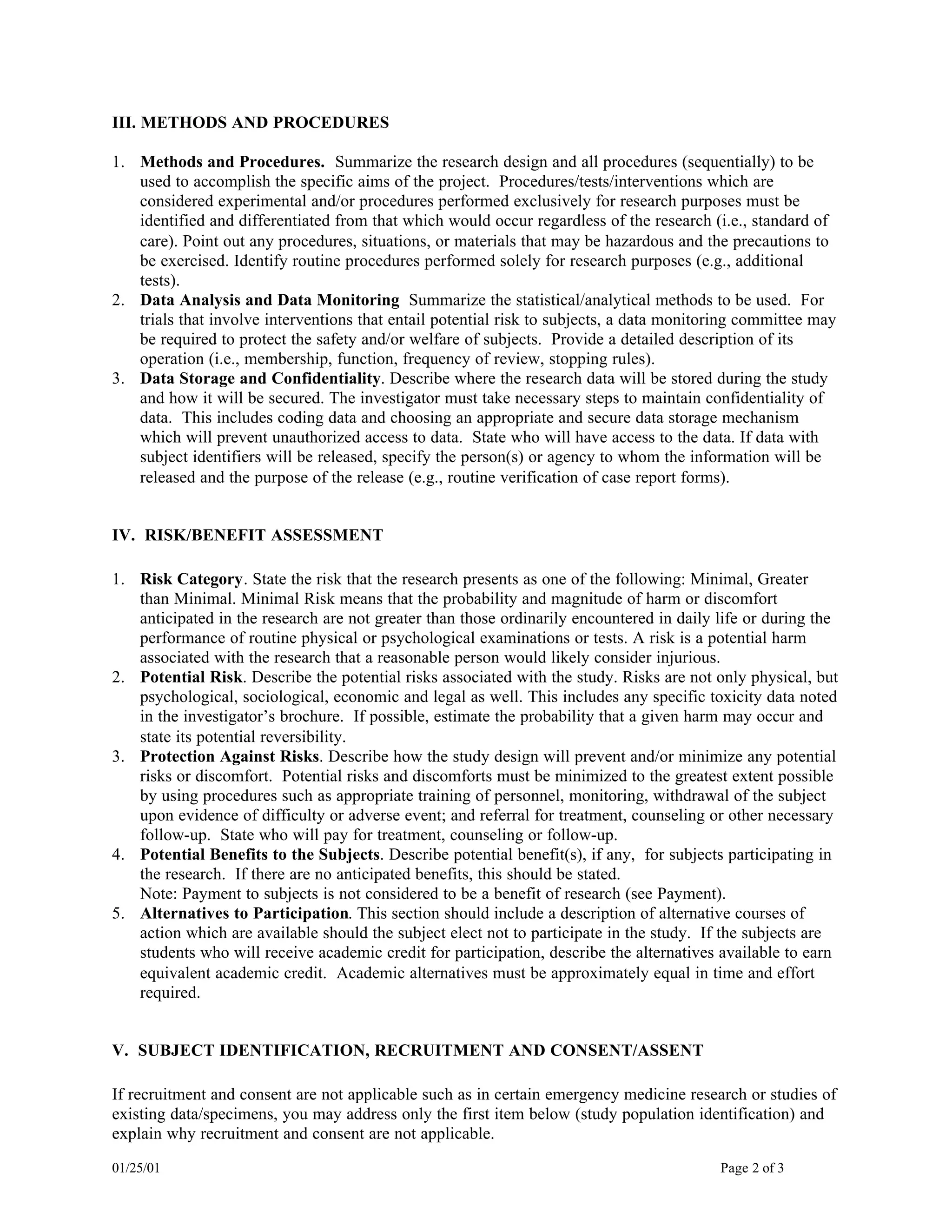
Image Gallery
Select an image to open it in a new tab.


Mateo Castillo
Decentralized Finance and E-Payments Strategist
