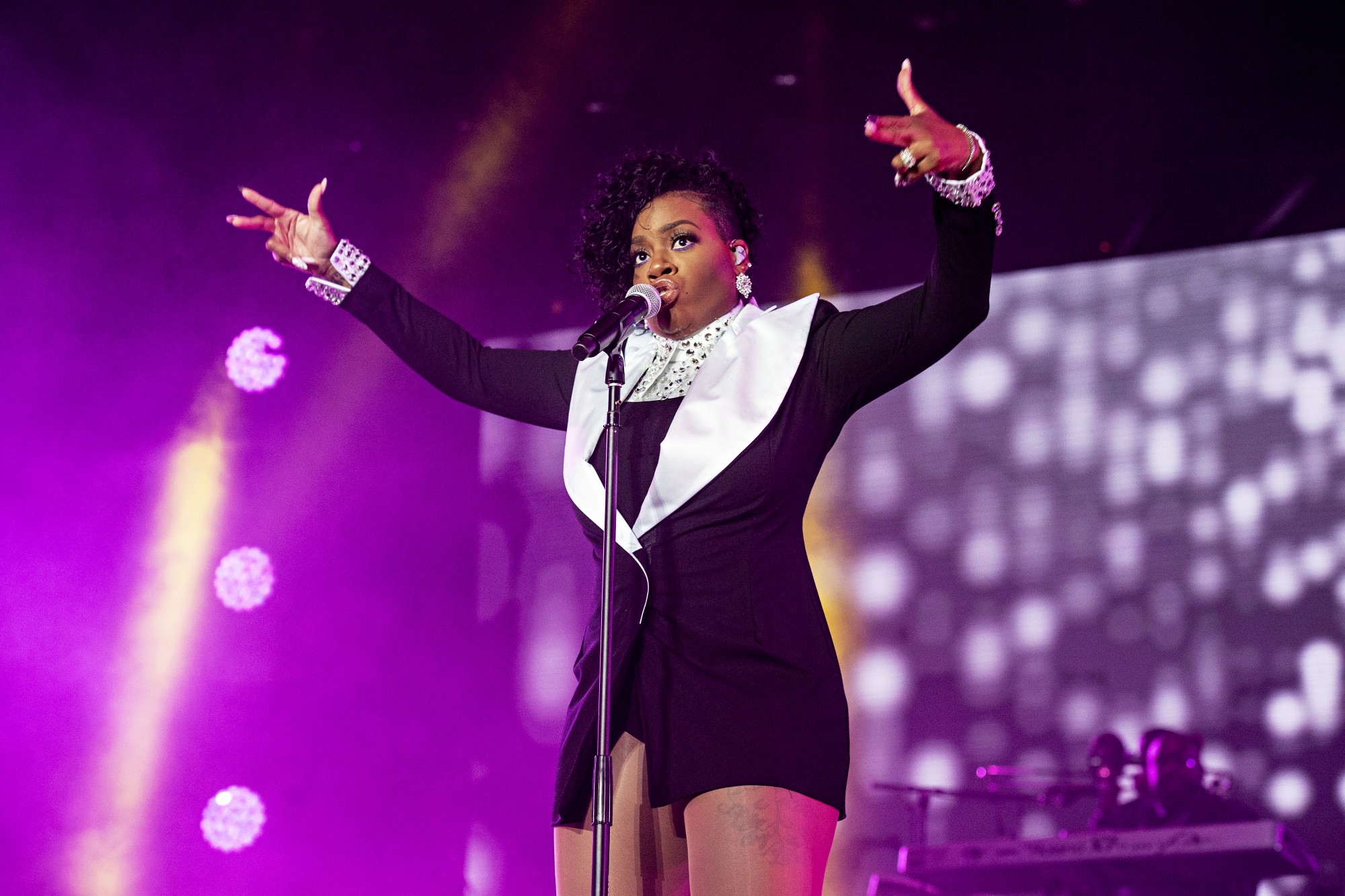
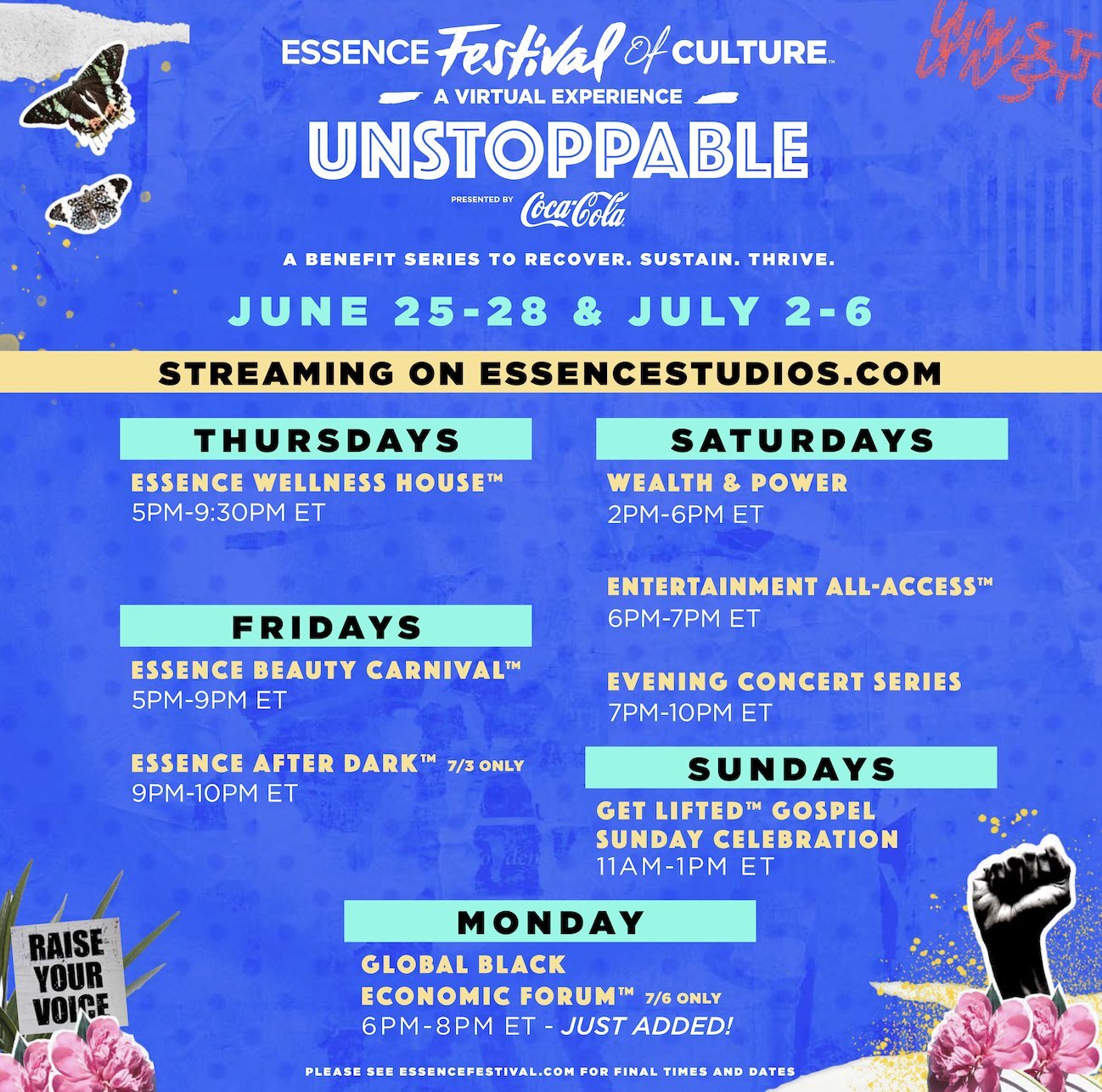
The 2020 Essence Festival marked a historic turning point for the iconic annual gathering, transitioning from a massive physical celebration in New Orleans to a fully digital, multi-day virtual experience due to the global COVID-19 pandemic. Attracting millions of global viewers, Essence Studios successfully reimagined its core pillars—empowerment, culture, entertainment, and community—through a free, accessible online format that preserved the spirit of the traditional event while expanding its international reach.
The Genesis of a Pivot: Moving to Essence Festival of Culture Digital
For over a quarter of a century, the Essence Festival has stood as a premier celebration of Black culture, music, and women's empowerment, traditionally drawing hundreds of thousands of attendees to the Mercedes-Benz Superdome and the Ernest N. Morial Convention Center in New Orleans. When the emergence of the COVID-19 pandemic in early 2020 made large-scale public gatherings unsafe, festival organizers faced an unprecedented challenge: cancel the milestone year entirely or engineer a complete operational overhaul.
Opting for resilience and innovation, the executive leadership team decided to pivot the physical event into a virtual format known as the Essence Festival of Culture. This transition was executed under tight operational constraints, requiring a rapid shift from live-event logistics to digital broadcasting, content curation, and virtual platform development. The primary goal was to maintain the community-building aspects of the festival while keeping participants safe. By leveraging digital streaming and social media channels, the organization ensured that the economic, cultural, and educational programming could continue uninterrupted, serving an even broader demographic than past physical constraints allowed.
Key Programming Pillars and Virtual Stages
The 2020 digital festival was structured around several core virtual hubs, mirroring the multi-faceted experience of the physical event. These tracks were designed to address the diverse interests of the audience, ranging from socio-political empowerment and wealth building to global entertainment and beauty.
Empowerment and Policy Discussions
The core intellectual property of the festival—its empowerment seminars and policy workshops—was broadcast through dedicated digital channels. These sessions tackled pressing social justice issues, systemic racism, and the disproportionate impact of the pandemic on Black communities, particularly in the wake of nationwide civil rights protests earlier that summer. Notable political figures, activists, and thought leaders participated in panels discussing civic engagement, voting rights, and healthcare equity.
Wealth and Entrepreneurship
The festival's economic empowerment track transitioned into virtual masterclasses focused on small business survival, financial literacy, and career pivoting during an economic downturn. Experts provided actionable advice for Black-owned businesses struggling with pandemic-related restrictions, covering topics such as accessing relief funds, digital marketing, and scaling e-commerce operations.
Entertainment, Music, and Nightly Concerts
While the physical concerts in the Superdome could not take place, the virtual festival curated pre-recorded and live-streamed musical performances featuring top-tier R&B, hip-hop, and gospel artists. These performances were complemented by DJ sets and retrospective looks at past festival highlights, capturing the celebratory atmosphere that audiences expected from the weekend.
Comparative Overview: Physical vs. 2020 Virtual Essence Festival
| Operational Aspect | Traditional Physical Festival (Pre-2020) | 2020 Virtual Essence Festival |
|---|---|---|
| Location | New Orleans, Louisiana (Superdome & Convention Center) | Global / Digital Streaming Platforms |
| Accessibility | Ticketed entry; capacity limited by venue size; requires travel | Free access; global reach via internet connection |
| Primary Format | In-person concerts, live panels, expo floors, and networking | Livestreams, pre-recorded performances, and interactive chats |
| Economic Impact | Significant tourism and hospitality boost for New Orleans | Digital engagement focus; global brand visibility |
| Attendee Engagement | Physical networking, in-person shopping, and live crowd interaction | Virtual chat rooms, social media integration, and digital vendor directories |
Technical Execution and Audience Reach
Transitioning a massive cultural festival to a digital format presented significant technical hurdles. Organizers had to coordinate remote broadcasts, ensure high-definition streaming quality across multiple concurrent channels, and manage interactive elements like live chat rooms and social media feeds.
Despite these technical demands, the virtual format yielded unprecedented accessibility metrics. Without the financial and logistical barriers of travel and lodging in New Orleans, international audiences and individuals with mobility or financial constraints could participate fully for the first time. The streaming figures surpassed previous attendance records, proving that digital extensions could serve as a powerful complement—and viable temporary replacement—for live events.
Economic and Cultural Impact
The absence of the physical festival dealt a heavy financial blow to the city of New Orleans, which typically reaped hundreds of millions of dollars in economic impact from tourism, hospitality, and local vendor sales during the Fourth of July weekend. Local small businesses, artists, and hospitality workers who relied heavily on the influx of festival-goers faced substantial revenue losses.
Culturally, however, the 2020 festival served as an essential megaphone for the Black Lives Matter movement and broader discussions on racial equity. By using its platform to broadcast messages of resilience, political mobilization, and community care, the festival reinforced its status as a vital cultural institution. Furthermore, the digital marketplace allowed consumers to continue supporting Black-owned brands, ensuring that the economic empowerment mission of the expo floor survived the transition to e-commerce.
Frequently Asked Questions
Was the 2020 Essence Festival canceled entirely?
No, the physical event in New Orleans was canceled due to the COVID-19 pandemic, but it was successfully replaced by a free, multi-day virtual experience titled the Essence Festival of Culture.
How did attendees access the 2020 virtual festival?
The virtual festival was broadcast for free across digital streaming platforms, Essence's official website, and associated social media channels, allowing global audiences to view panels and musical performances without purchasing a ticket.
What were the main topics covered during the virtual panels?
The programming focused heavily on social justice, civil rights, systemic racism, health disparities, economic empowerment, wealth building, and strategies for small businesses navigating the pandemic.
Did the 2020 virtual festival feature live musical performances?
Yes, the event featured a mix of newly recorded performances and curated music sets from prominent artists across R&B, hip-hop, and gospel, maintaining the musical tradition of the weekend.
How did the 2020 digital shift affect local businesses in New Orleans?
The lack of an in-person event resulted in a significant loss of tourism revenue for New Orleans hospitality and service industries, though organizers attempted to mitigate this by highlighting Black-owned digital vendors and e-commerce platforms.
Conclusion and Legacy
The 2020 Essence Festival in review stands as a testament to organizational adaptability and cultural resilience. While it lacked the physical energy and economic stimulus of the traditional New Orleans gathering, the virtual pivot established a blueprint for hybrid and digital event production that permanently expanded the festival's global footprint. By prioritizing community health, social justice dialogue, and accessible entertainment during a time of global crisis, Essence reaffirmed its enduring role as a pillar of Black culture and empowerment.
Image Gallery
Select an image to open it in a new tab.

Omar Farooq
EdTech Innovation and Virtual Pedagogy Journalist
