
Applying for an FHA loan in South Carolina requires understanding credit score minimums, down payment requirements, debt-to-income thresholds, and local property standards. Backed by the Federal Housing Administration, these mortgages help first-time and repeat buyers in the Palmetto State purchase homes with lower financial barriers than conventional financing.
Navigating the real estate market in South Carolina requires a clear understanding of financing options, especially for buyers who may not have substantial savings for a traditional twenty percent down payment. Federal Housing Administration (FHA) loans serve as a powerful tool for these buyers, offering flexible underwriting guidelines, lower credit score allowances, and competitive interest rates. Because these loans are insured by the federal government, approved lenders can extend credit to individuals who might otherwise struggle to qualify for conventional mortgages.
Securing an FHA loan in South Carolina involves a structured process that moves from financial preparation and lender selection to property appraisal and closing. This guide breaks down every phase of the application journey, detailing specific requirements, financial considerations, and practical steps to ensure a smooth path to homeownership across the state.
Understanding FHA Loans and South Carolina Eligibility
An FHA loan is a mortgage insured by the Federal Housing Administration, which is a division of the U.S. Department of Housing and Urban Development (HUD). The federal backing protects lenders against financial loss if a borrower defaults on the mortgage. This insurance allows approved financial institutions to offer loans with more lenient qualification criteria than conventional loans.
In South Carolina, eligibility rules mirror federal guidelines established by HUD, though individual lenders may enforce stricter internal benchmarks known as lender overlays. To qualify for an FHA loan in South Carolina, applicants must meet several fundamental criteria:
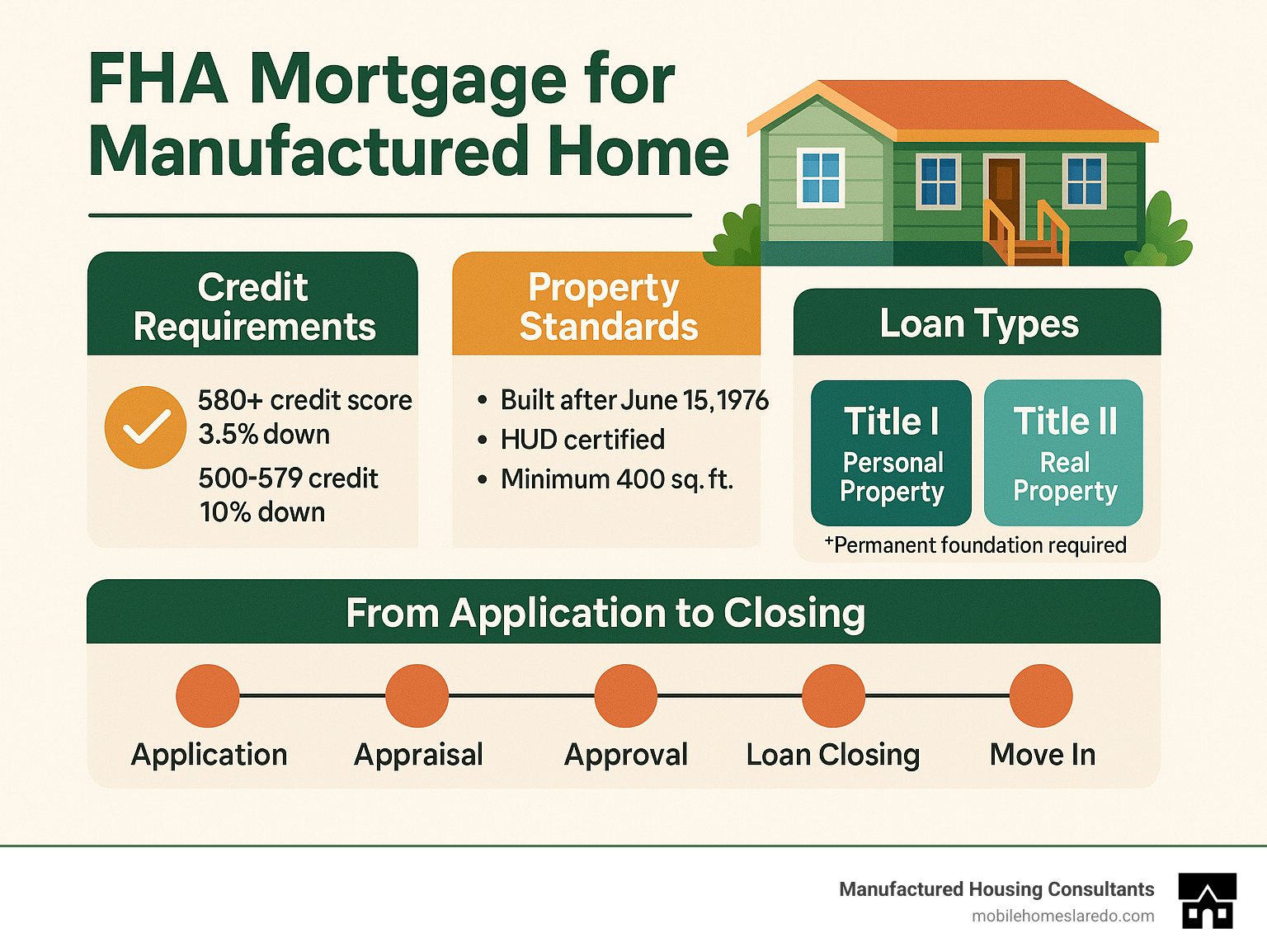
- Credit Score: Borrowers with a credit score of 580 or higher can qualify for the minimum down payment of 3.5 percent. Those with credit scores between 500 and 579 may still qualify, but they are generally required to put down at least 10 percent.
- Debt-to-Income (DTI) Ratio: Lenders evaluate your monthly debt payments against your gross monthly income. While FHA guidelines often allow a DTI ratio up to 43 percent, or higher with compensating factors, many lenders prefer a front-end ratio (housing costs) under 31 percent and a back-end ratio (total debt) under 43 percent.
- Primary Residence: FHA loans are strictly for owner-occupied primary residences. Investment properties, vacation homes, and flipping projects do not qualify. At least one borrower must intend to occupy the property within 60 days of closing and live there for at least a year.
- Steady Employment and Income: Lenders require a verifiable employment history, typically covering the past two years. Self-employed borrowers must provide extensive documentation, including tax returns and profit-and-loss statements.
Financial Preparation Before You Apply
Before submitting an official mortgage application, prospective homebuyers in South Carolina must assess their financial standing. Proper preparation reduces the risk of denial and accelerates the underwriting process.
Evaluating Your Credit and Financial Profile
Your credit score is one of the primary factors lenders use to determine your interest rate and loan terms. Obtain copies of your credit reports from major credit bureaus to check for errors, missed payments, or high revolving credit balances. Paying down existing credit card balances can significantly lower your credit utilization ratio, thereby boosting your score before you apply.
Accumulating Funds for Down Payment and Closing Costs
While FHA loans require a lower down payment than many conventional products, buyers must still account for upfront expenses. In addition to the 3.5 percent (or 10 percent) down payment, borrowers must budget for closing costs, which typically range from 2 to 5 percent of the loan amount.
Fortunately, South Carolina offers specific assistance programs to help bridge this gap. The South Carolina State Housing Finance and Development Authority (SC Housing) provides down payment assistance programs, such as the Palmetto Home Advantage and SC First-Time Homebuyer programs, which can often be paired with FHA financing.
Choosing an FHA-Approved Lender in South Carolina
The federal government does not lend money directly to homebuyers; instead, FHA loans are issued by HUD-approved banks, credit unions, and specialized mortgage companies operating in South Carolina. Selecting the right lender is critical to a successful transaction.
When shopping for a lender, borrowers should compare several factors:
- Interest Rates and APR: Even small differences in interest rates can translate to thousands of dollars over a 30-year term.
- Origination Fees and Closing Costs: Lenders charge different fees for processing, underwriting, and originating the loan. Request a detailed Loan Estimate from multiple institutions to compare these costs side-by-side.
- Communication and Local Expertise: Lenders familiar with South Carolina real estate markets, local property taxes, and regional insurance requirements can streamline the closing process.
Step-by-Step FHA Loan Application Process
Once you have selected a lender and prepared your finances, the formal application process begins. Understanding each step helps manage expectations and keeps the transaction moving forward.
1. Financial Pre-Approval -> 2. Document Gathering -> 3. Formal Application -> 4. Underwriting & Appraisal -> 5. Closing
1. Secure Pre-Approval
A mortgage pre-approval is an evaluation of your financial profile by a lender who estimates how much money you can borrow. While not legally binding, a pre-approval letter demonstrates to real estate agents and sellers in South Carolina that you are a serious, qualified buyer.
2. Gather Necessary Documentation
Lenders require extensive paperwork to verify your identity, income, assets, and debts. Having these documents ready prevents delays:
- W-2 forms and tax returns from the past two years.
- Recent pay stubs covering at least 30 consecutive days.
- Bank statements for all checking, savings, and investment accounts to prove asset verification for the down payment and reserves.
- Proof of identity, such as a driver's license or passport.
- Explanation letters for any past bankruptcies, foreclosures, or derogatory credit marks.
3. Submit the Formal Loan Application (Form 1003)
When you find a home and enter into a purchase contract, you will complete the Uniform Residential Loan Application (known as Form 1003). This document records your personal information, employment history, income, assets, and details about the property you intend to purchase.
4. Underwriting and FHA Property Appraisal
After submitting your application, the file goes to an underwriter for review. Simultaneously, the lender orders an FHA appraisal from a certified independent appraiser.
Unlike a standard home inspection, an FHA appraisal serves two purposes: determining the fair market value of the property and evaluating its condition against HUD's Minimum Property Standards (MPS). The property must be safe, structurally sound, and sanitary. Common issues that can fail an FHA appraisal include peeling paint on older homes, unpainted wood, compromised roofs, missing handrails, and structural defects. If the appraiser notes deficiencies, the seller must typically repair them before the loan can proceed to closing.
5. Loan Approval and Closing
Once the underwriter clears all conditions and verifies that the property meets HUD guidelines, you receive a "Clear to Close." You will review the Closing Disclosure document at least three business days before closing, outlining your final loan terms, monthly payments, and closing costs. On closing day, you sign the final paperwork, pay your down payment and closing costs via wire transfer or cashier's check, and take possession of your new South Carolina home.
FHA Loan Requirements and Cost Comparison
To understand how FHA loans compare to conventional alternatives, review the structural differences below:
| Feature | FHA Loan | Conventional Loan |
|---|---|---|
| Minimum Credit Score | 580 (for 3.5% down) | Typically 620 |
| Minimum Down Payment | 3.5% | As low as 3% |
| Mortgage Insurance (MI) | Upfront MI + Annual MI (paid monthly) | Private Mortgage Insurance (PMI) |
| MI Duration | Usually lasts the life of the loan (if <10% down) | Can be removed once equity reaches 78-80% |
| Debt-to-Income Limits | More flexible (up to 43%+) | Stricter (typically capped around 45%) |
Understanding FHA Mortgage Insurance Premiums (MIP)
Borrowers utilizing an FHA loan must pay two types of Mortgage Insurance Premiums:
- Upfront MIP: Charged at 1.75 percent of the base loan amount. This fee can typically be financed directly into the total mortgage amount rather than paid in cash at closing.
- Annual MIP: Calculated as a percentage of the remaining loan balance and divided into monthly payments. Depending on your down payment amount and loan term, this fee generally stays active for the entire duration of the loan, unlike conventional PMI, which drops off automatically when equity reaches 20 percent.
Common Pitfalls and How to Avoid Them
Applying for a mortgage involves strict financial surveillance. Avoiding certain common mistakes can prevent loan denials or last-minute delays in South Carolina.
- Changing Jobs or Careers: Lenders look for stability. Switching from a salaried position to 100 percent commission-based work, or becoming self-employed right before applying, can disrupt the underwriting verification process.
- Making Large Undocumented Deposits: Every deposit into your bank account must be traceable. Cash deposits or transfers from unverified sources can trigger anti-money laundering protocols and halt your loan approval.
- Incurring New Debt: Taking out an auto loan, opening new credit card accounts, or financing furniture before closing changes your debt-to-income ratio and can cause your loan to be denied at the final hour.
Frequently Asked Questions
Can I use an FHA loan to buy any home in South Carolina?
You can use an FHA loan to purchase any single-family home, townhome, approved condominium, or multi-family property up to four units, provided you live in one of the units as your primary residence. However, the property must pass an FHA appraisal and meet strict HUD health, safety, and security standards.
Are there loan limits for FHA mortgages in South Carolina?
Yes. HUD sets maximum mortgage limits annually based on county-wide housing costs. These limits vary across South Carolina counties. For instance, high-cost counties like Charleston or Greenville may have higher loan limits than more rural counties. Borrowers must ensure their requested loan amount does not exceed the limit for the specific county where the property is located.
Can I qualify for an FHA loan after a bankruptcy or foreclosure?
Yes, but waiting periods apply. Generally, you must wait at least two years after a Chapter 7 bankruptcy discharge. For Chapter 13 bankruptcy, you may qualify after making at least 12 timely payments under the repayment plan with court permission. For a foreclosure, the standard waiting period is three years, though exceptions can be made for extenuating circumstances.
Is first-time homebuyer status required for an FHA loan?
No. FHA loans are available to both first-time homebuyers and repeat buyers. There is no requirement that you have never owned a home before, as long as the property being purchased will serve as your primary residence.
How do I combine an FHA loan with South Carolina down payment assistance?
Many lenders participating in the SC Housing programs allow borrowers to combine an FHA first mortgage with a down payment assistance second mortgage or grant. You must work with an approved lender who participates in both FHA lending and SC Housing initiatives to coordinate the two financing streams simultaneously.
Next Actions for Prospective Borrowers
If you are ready to begin your homeownership journey in South Carolina, start by checking your credit reports and calculating your monthly debt obligations. Next, reach out to multiple HUD-approved lenders or local credit unions to request pre-approval quotes and compare loan estimates. Simultaneously, research SC Housing down payment assistance options to see if you qualify for state-level grants or low-interest second mortgages that can ease your upfront financial commitment.
Image Gallery
Select an image to open it in a new tab.

Lars Thomsen
Global Labor Markets and Economic Strategy Editor
