Understanding the Tax Percentage in Switzerland: A Comprehensive Guide for Residents and Expats
Navigating the tax percentage in Switzerland requires understanding a unique three-tiered fiscal system governed by federal, cantonal, and municipal authorities, meaning individual total tax rates vary drastically depending on the chosen municipality and canton of residence.
When evaluating the tax percentage in Switzerland, individuals and businesses often encounter a system that is fundamentally decentralized. Unlike many centralized European nations where a single national income tax rate applies across the board, Switzerland distributes its taxation authority across three distinct levels: the federal government (Confederation), the 26 cantons, and roughly 2,100 municipalities (communes). Consequently, your overall tax burden depends heavily on your geographic location. A high earner living in the canton of Zug will face a vastly different effective tax rate than someone with the exact same income living in Geneva or Lausanne.
This guide provides a comprehensive breakdown of the Swiss tax system for the year 2026, detailing how federal, cantonal, and municipal taxes interact, exploring income and wealth taxes, analyzing corporate tax structures, and offering practical insights into deductions, wealth management, and compliance obligations.
The Three-Tiered Structure of Swiss Taxation
To understand the actual tax percentage you will pay in Switzerland, you must first comprehend how the three tiers of government collect taxes. Each tier levies its own taxes based on separate tax laws, though they are typically collected through a unified process managed by the cantonal tax administration.
1. Federal Tax (Confederal Level)
The federal income tax is progressive, meaning the rate increases as your taxable income rises. However, the federal government caps individual income tax at a relatively low maximum rate of 11.5% for single individuals and slightly less for married couples. Because federal tax rates are uniform across the entire country, they serve as a stable baseline, while the cantonal and municipal components introduce the primary variability.
2. Cantonal Tax
Switzerland’s 26 cantons maintain a high degree of fiscal autonomy. Each canton sets its own tax laws, brackets, and multipliers (known as Steuerfuss or coefficient). Cantonal income taxes are also progressive, but the top marginal rates vary widely. For example, low-tax cantons like Zug, Schwyz, and Nidwalden maintain much lower cantonal multipliers than high-tax cantons like Geneva, Bern, Jura, or Vaud.
3. Municipal Tax
Municipalities within each canton levy their own taxes, typically calculated as a percentage multiplier of the basic cantonal tax. For example, if a canton calculates your basic tax at 5,000 CHF and your municipality applies a multiplier of 120% (or 1.2), you will pay 6,000 CHF in municipal tax. This local autonomy allows individual towns and cities to attract residents by offering competitive local tax rates.
Income Tax Rates and Progression
Income tax forms the largest component of personal taxation in Switzerland. It applies to worldwide income for residents, which includes employment earnings, self-employment profits, rental income from real estate, and returns on investments.
Single vs. Married Taxation
Switzerland uses different tax scales for single individuals and married couples to mitigate the "marriage penalty." Married couples are generally taxed jointly; their incomes and wealth are aggregated, and a modified progressive scale is applied to prevent them from being pushed into unfairly high tax brackets. Registered partnerships are treated similarly to married couples.
Approximate Overall Tax Percentages by Income Bracket
Because of the cantonal variation, quoting a single "Swiss tax percentage" is misleading. However, for a middle-to-high-income earner (e.g., 150,000 CHF annually) living in an average municipality, the combined effective tax burden (Federal + Cantonal + Municipal) typically ranges between 20% and 35%.
Below is a general comparative overview of how effective total income tax rates (including federal, cantonal, and municipal elements) vary across different Swiss cantons for an individual earning 150,000 CHF:
| Canton | Typical Effective Income Tax Rate (%) | Corporate Tax Rate (Effective Combined) | Wealth Tax Rate Range (%) |
|---|---|---|---|
| Zug | 12% – 16% | ~11.9% | 0.03% – 0.15% |
| Schwyz | 13% – 17% | ~12.0% | 0.05% – 0.20% |
| Zurich | 20% – 25% | ~18.0% | 0.13% – 0.30% |
| Geneva | 30% – 36% | ~14.0% | 0.15% – 0.45% |
| Bern | 28% – 34% | ~21.0% | 0.18% – 0.40% |
| Vaud | 27% – 33% | ~13.8% | 0.15% – 0.35% |
Note: Rates are approximate estimates for single filers without children, combining federal, cantonal, and municipal levels, and are subject to change based on annual municipal budget adjustments.
Wealth Tax in Switzerland
One unique feature of the Swiss tax system that surprises many international newcomers is the wealth tax (Vermögenssteuer). Switzerland is one of the few OECD nations that levies an annual tax on net worldwide wealth.
What is Subject to Wealth Tax?
Net wealth is calculated by taking your total global assets—including bank accounts, stocks, bonds, real estate, cash value of life insurance policies, and valuable vehicles—and subtracting your total verified debts (mortgages, personal loans, credit card balances).
Wealth Tax Percentages
Like income tax, wealth tax rates are set by the cantons and municipalities. The rates are highly progressive but generally very low, ranging from 0.03% to 0.5% annually depending on the canton and the size of the fortune. While the percentage appears small, it applies every single year to the accumulated asset base rather than just the yield generated by those assets.
Corporate Taxation in Switzerland
Switzerland is globally renowned for its competitive corporate tax environment. Following the implementation of the Federal Act on Tax Reform and AHV Financing (TRAF), Swiss cantons adjusted their corporate tax rates to remain internationally attractive while complying with OECD standards.
Corporate Tax Components
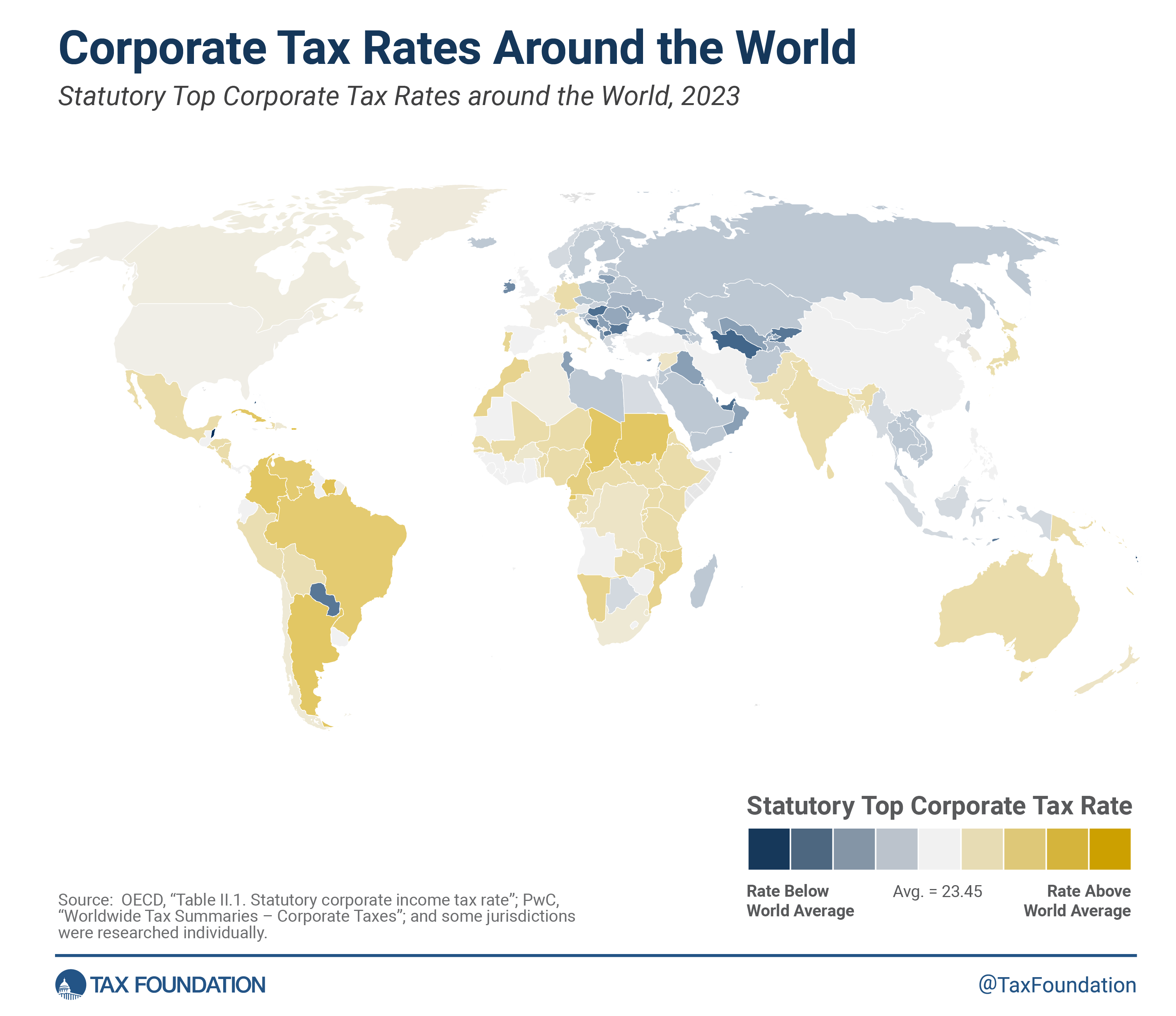
Companies registered in Switzerland pay taxes at the federal, cantonal, and municipal levels. The federal corporate profit tax rate is a flat 8.5% on net profit. However, when combined with cantonal and municipal taxes, the total effective corporate profit tax rate typically ranges between 11.5% and 21%, depending entirely on the canton of incorporation. Cantons like Zug and Nidwalden offer the lowest corporate tax burdens, while urban centers like Zurich and Bern sit slightly higher.
Special Tax Regimes
To encourage research, development, and intellectual property development, many cantons offer patent boxes, R&D super-deductions, and notional interest deductions, which can significantly lower the effective tax percentage for qualifying multinational and domestic corporations.
Deductions and Optimizing Your Tax Burden
The Swiss tax code allows for numerous deductions designed to reduce taxable income and encourage long-term financial planning. Understanding these deductions is crucial for lowering your overall tax percentage.
Pillar 3a (Private Pension Savings)
Contributing to the voluntary private pension system, known as Pillar 3a (Säule 3a), is one of the most effective tax-saving strategies for individuals employed in Switzerland. Contributions made to an approved Pillar 3a account are fully deductible from your taxable income up to statutory annual caps. For employees with a pension fund (Pensionskasse), the contribution limit is adjusted periodically by federal ordinance.
Professional Expenses and Commuting
Taxpayers can deduct expenses directly related to earning their income. This includes:
- Commuting costs using public transport or private vehicles (subject to cantonal caps).
- The cost of meals eaten away from home during working hours.
- Professional literature, continuing education, and tools required for employment.
- Actual or flat-rate deductions for home office expenses if required by the employer.
Insurance Premiums and Medical Expenses
Most cantons permit deductions for health insurance premiums (Krankenkasse) and private life insurance policies up to specified ceilings. Unreimbursed medical and dental expenses that exceed a certain percentage of your net income can also be deducted.
Tax at Source vs. Ordinary Assessment
How you pay your taxes in Switzerland depends heavily on your residency status and permit type.
Tax at Source (Quellensteuer)
If you are a foreign national living in Switzerland and hold a Permit B (residence permit) or Permit L (short-term residence permit) and do not have a Swiss spouse with citizenship or a Permit C, your income tax is usually deducted directly from your monthly paycheck by your employer. This is known as tax at source. The employer remits this amount directly to the cantonal tax authority. The tax percentage is determined by a standardized tariff table provided by the canton, which factors in marital status, number of children, and church affiliation.
Ordinary Assessment (Ordentliche Veranlagung)
Foreign nationals holding a Permit C (settlement permit) or Swiss citizens are subject to the ordinary tax assessment process. Even if you pay tax at source, you may be required or permitted to submit an ordinary tax return if your gross annual income exceeds certain cantonal thresholds (typically around 120,000 CHF). Under the ordinary assessment, you file an annual tax return detailing all global income and assets, and you receive provisional tax bills throughout the year followed by a definitive settlement bill once the return is processed.
Common Mistakes and Compliance Challenges
Navigating the Swiss tax system without professional guidance can lead to costly errors. Avoiding these frequent pitfalls ensures compliance with federal and cantonal regulations:
- Failing to Declare Global Assets: Residents are legally obligated to declare worldwide income and wealth. Forgetting foreign bank accounts or international real estate can trigger severe tax audits and financial penalties.
- Overlooking Church Tax: Switzerland levies a church tax (Kultussteuer) on members of recognized official churches (Roman Catholic, Swiss Reformed, and Christian Catholic). When registering at your local municipality (Gemeinde), stating a religious affiliation automatically enrolls you in this tax, which adds 1% to 2% to your overall tax multiplier unless you officially formalize your church resignation (Kirchenaustritt).
- Missing Filing Deadlines: Tax returns are typically due by March 31 of the year following the tax period, though extensions can easily be requested online through cantonal tax portals. Ignoring deadlines results in reminder fees and administrative fines.
Frequently Asked Questions
What is the lowest tax canton in Switzerland?
The canton of Zug consistently ranks as the canton with the lowest overall tax percentage for both individuals and corporations, closely followed by Schwyz and Nidwalden. These cantons attract high earners and international businesses through low cantonal multipliers and modest wealth tax rates.
Do I have to pay tax on cryptocurrency in Switzerland?
Yes. The Swiss Federal Tax Administration classifies cryptocurrencies (such as Bitcoin and Ethereum) as movable private assets. Consequently, they must be declared at their market value on December 31 of each tax year and are subject to the cantonal wealth tax. Capital gains on private crypto trading are generally tax-free for private individuals, provided the taxpayer is not classified as a professional trader.
How does the Swiss church tax work?
Church tax is a regional levy collected by the canton on behalf of recognized religious communities. It is calculated as a percentage of your basic income and wealth tax. If you do not belong to a recognized church, you can avoid this tax by declaring "no religion" upon arrival or by formally resigning from the church through your local municipality.
Are capital gains taxed in Switzerland?
For private individuals, capital gains realized from the sale of movable private assets, such as stocks, bonds, and cryptocurrencies, are generally tax-free. However, this exemption does not apply to real estate (which incurs a separate real estate gains tax) or individuals classified by tax authorities as professional securities dealers (Gewerbsmässiger Wertschriftenhändler).
Can I deduct mortgage interest from my Swiss taxes?
Yes. Interest payments on mortgages for primary residences or investment properties are fully deductible against your taxable income, up to certain statutory limits designed to curb excessive debt leveraging. Additionally, maintenance and renovation costs that preserve the value of a property can also be deducted.
Conclusion and Next Actions
Understanding the tax percentage in Switzerland requires looking past national averages and examining the specific rules of your canton and municipality. To manage your tax burden effectively, verify your residency status and tax collection method, maximize contributions to Pillar 3a pension accounts, and track all eligible deductions throughout the year. For complex cross-border financial situations, consulting a certified Swiss tax advisor (Steuerberater) is strongly recommended to ensure full compliance and optimal financial planning.
Image Gallery
Select an image to open it in a new tab.


Akira Tanaka
International Academic Trends Correspondent
