Does Paul McCartney Own The Beatles Catalog? Understanding the Ownership History

No, Paul McCartney does not own the entirety of The Beatles’ music catalog. While he is the primary songwriter along with the late John Lennon, the ownership of their recorded works—the master tapes—and the underlying publishing rights—the songs themselves—has been fractured, sold, and traded over the past six decades. McCartney has regained some rights to his portion of the publishing through legal mechanisms, but he does not hold the rights to the full body of work as a sole proprietor.
The Distinction Between Master Recordings and Publishing Rights
To understand why McCartney does not simply "own" the catalog, one must first grasp the legal bifurcation of music ownership. In the professional music industry, there are two distinct types of copyrights associated with any given track.
The first is the copyright in the sound recording (the "master"). This covers the specific audio recording of a performance. In the case of The Beatles, these rights were held by EMI (later acquired by Universal Music Group) and managed by Apple Corps, the entity formed by the band members.
The second is the publishing copyright (the "composition"). This covers the melody, lyrics, and arrangement—the intellectual property that exists even if someone else covers the song. Historically, The Beatles’ songs were signed to Northern Songs, a company set up by their manager Brian Epstein and publisher Dick James. This structure effectively stripped the songwriters of control over their own creations early in their career.
The Northern Songs Era and the Loss of Control
In 1963, Brian Epstein allowed Dick James to form Northern Songs to hold the copyrights to the songs written by Lennon and McCartney. While the songwriters received royalties, they did not own the underlying assets. By 1965, Northern Songs went public, and the band members saw their ownership stake diluted.
The situation worsened when Dick James sold his stake in Northern Songs to Lew Grade’s Associated Television (ATV) in 1969. This meant that the people who controlled the rights to "Yesterday," "Help!," and "Hey Jude" were outsiders who had no personal relationship with the band. McCartney and Lennon attempted to buy the company but were unsuccessful. This frustration was a significant factor in the legal and personal tensions that ultimately led to the dissolution of the band.
The Michael Jackson Acquisition
Perhaps the most famous chapter in the history of The Beatles' catalog is its sale to Michael Jackson in 1985. After ATV was purchased by Robert Holmes à Court, the catalog was put up for sale. Paul McCartney, who had actually encouraged Jackson to invest in music publishing during their time recording together, was shocked to learn that Jackson had outbid him to purchase the ATV catalog for $47.5 million.
For McCartney, this was a deeply personal blow. He had spent years attempting to regain the rights to the songs he co-wrote. Jackson, however, viewed the catalog as a shrewd financial asset. In 1995, Jackson merged his publishing company with Sony to create Sony/ATV Music Publishing. This deal cemented Sony’s control over the Beatles' publishing rights for decades, leaving McCartney in the position of being a songwriter who had to pay royalties to a corporate entity to perform his own compositions.
The U.S. Copyright Termination Provision
A critical turning point occurred due to the United States Copyright Act of 1976. This law included a provision—Section 203—that allows authors to reclaim copyrights that they previously signed away to publishers after a set period, typically 35 years.
In 2015, McCartney began the process of filing termination notices with the U.S. Copyright Office to regain the rights to the songs he wrote with Lennon. Because Lennon’s portion was already subject to different arrangements involving his estate and Yoko Ono, McCartney focused on reclaiming his own share.
This led to a high-profile legal dispute with Sony/ATV. The central question was whether these termination notices were valid under U.S. law, given the complexities of international copyright agreements and the previous corporate sales. In 2017, the parties reached a confidential settlement. While the exact details remain private, it is understood that McCartney successfully secured a path to regain the U.S. copyrights to his songs as the 35-year renewal terms expire, allowing him to eventually own the publishing rights to his catalog in the United States.
Comparing Rights Ownership Structures
The following table summarizes the different components of ownership that affect how a music catalog is managed and who controls the assets.
| Right Type | Scope | Current Status for The Beatles |
|---|---|---|
| Master Recordings | The audio files produced by EMI | Owned/distributed by Universal Music Group/Apple Corps |
| Publishing (Composition) | The lyrics and music melodies | Held by various entities; McCartney reclaiming U.S. rights |
| Performance Rights | Royalties for public performance | Collected via PROs (ASCAP/BMI) for the songwriters |
| Sync Licensing | Usage in film, TV, and advertising | Controlled jointly by Sony/ATV and the Lennon/McCartney estates |
The Role of Apple Corps Ltd.
It is impossible to discuss the ownership of The Beatles' legacy without mentioning Apple Corps Ltd. Formed by the band in 1968, this company serves as the holding entity for the group's interests. Today, the shareholders of Apple Corps consist of Paul McCartney, Ringo Starr, and the estates of John Lennon and George Harrison.
While Apple Corps does not own the publishing rights to the entire catalog (due to the legacy of Northern Songs and the subsequent sales to ATV), it does manage the brand, the master recordings, and the licensing for the group’s collective endeavors. Apple Corps acts as a protective shield, ensuring that the legacy of the band is managed in accordance with the surviving members' wishes. It is through this entity that the band exerts significant control over how their music is used in movies, documentaries, and new product releases, even if they do not hold the raw publishing titles for every individual track.
Is the Catalog "Owned" or "Controlled"?
In modern industry terms, "owning" a catalog is often a matter of semantics. A songwriter might own the copyright but have the administration rights managed by a third party. Or, a company might own the publishing but be contractually obligated to pay a percentage of every dollar generated back to the songwriter.
For McCartney, the goal was never just about a bank account; it was about the sovereignty of his work. While he regained significant control, the sheer global nature of the Beatles' music means that copyright laws vary by territory. A song might revert to McCartney's ownership in the United States while remaining under a different management structure in the United Kingdom or Japan.
Related Questions
1. Does Paul McCartney receive royalties for Beatles songs? Yes. Even when he does not own the publishing rights, McCartney is entitled to songwriters' royalties. As the co-writer of most of the catalog, he receives a significant portion of the money generated whenever a Beatles song is played, streamed, or licensed.
2. Why couldn't Paul McCartney just buy the songs back from Michael Jackson? McCartney made several attempts to negotiate with Jackson over the years. However, Jackson valued the catalog as a cornerstone of his financial portfolio and consistently refused to sell. After Jackson’s death in 2009, his estate continued to hold his interest in the catalog until Sony purchased the estate's remaining share in 2016.
3. Does Ringo Starr own any of the catalog? Ringo Starr, like the other Beatles, has a stake in the group’s collective intellectual property through Apple Corps. However, he is not a songwriter in the same capacity as Lennon or McCartney, so he does not have the same individual claim to the publishing copyrights of the songs themselves.
4. Can I use Beatles songs in my own video projects? No. The music of The Beatles is heavily protected. Even if you own a legal copy of an album, you do not possess the license to use the music in a video for public consumption. Licensing for Beatles music is extremely expensive and requires permission from both the master recording owners and the music publishers.
Final Next Steps for Interested Parties
If you are researching the ownership of Beatles music for professional purposes, such as film licensing or academic study, it is essential to consult the official database of Apple Corps Ltd. and the relevant Performing Rights Organizations (PROs) such as ASCAP or BMI. These organizations maintain the most accurate, up-to-date information on which publishing houses currently administer specific tracks. Because rights can shift through settlements and corporate buyouts, relying on older journalistic reports can lead to inaccurate assumptions regarding the current chain of title. Always verify the current administrator before proceeding with any licensing inquiries.
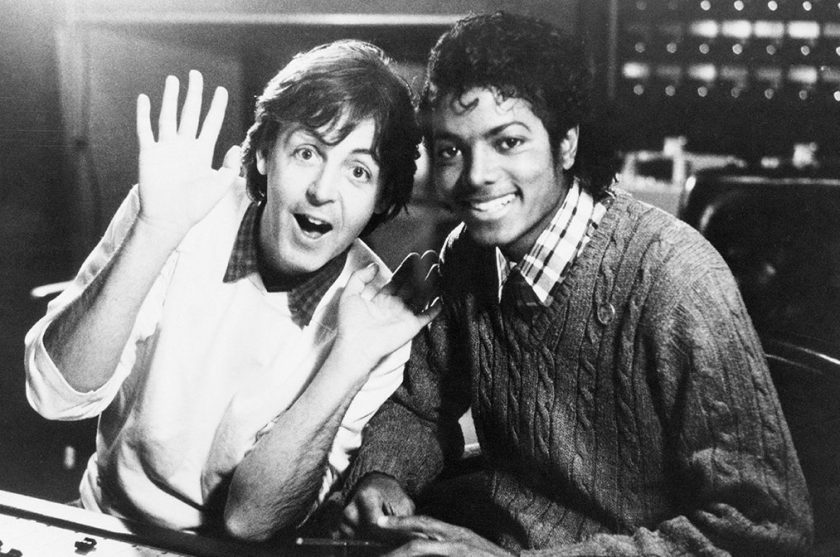
Image Gallery
Select an image to open it in a new tab.

Ingrid Bjornson
Global Cyber Policy and Regulation Analyst
