
In short, yes: you are generally required by law to maintain auto insurance in the state where your vehicle is primarily garaged and where you hold legal residency. Attempting to insure a vehicle in a different state to secure lower premiums—a practice often referred to as rate evasion—is illegal and can lead to policy cancellation, denied claims, and significant legal penalties.
The Foundation of State-Regulated Auto Insurance
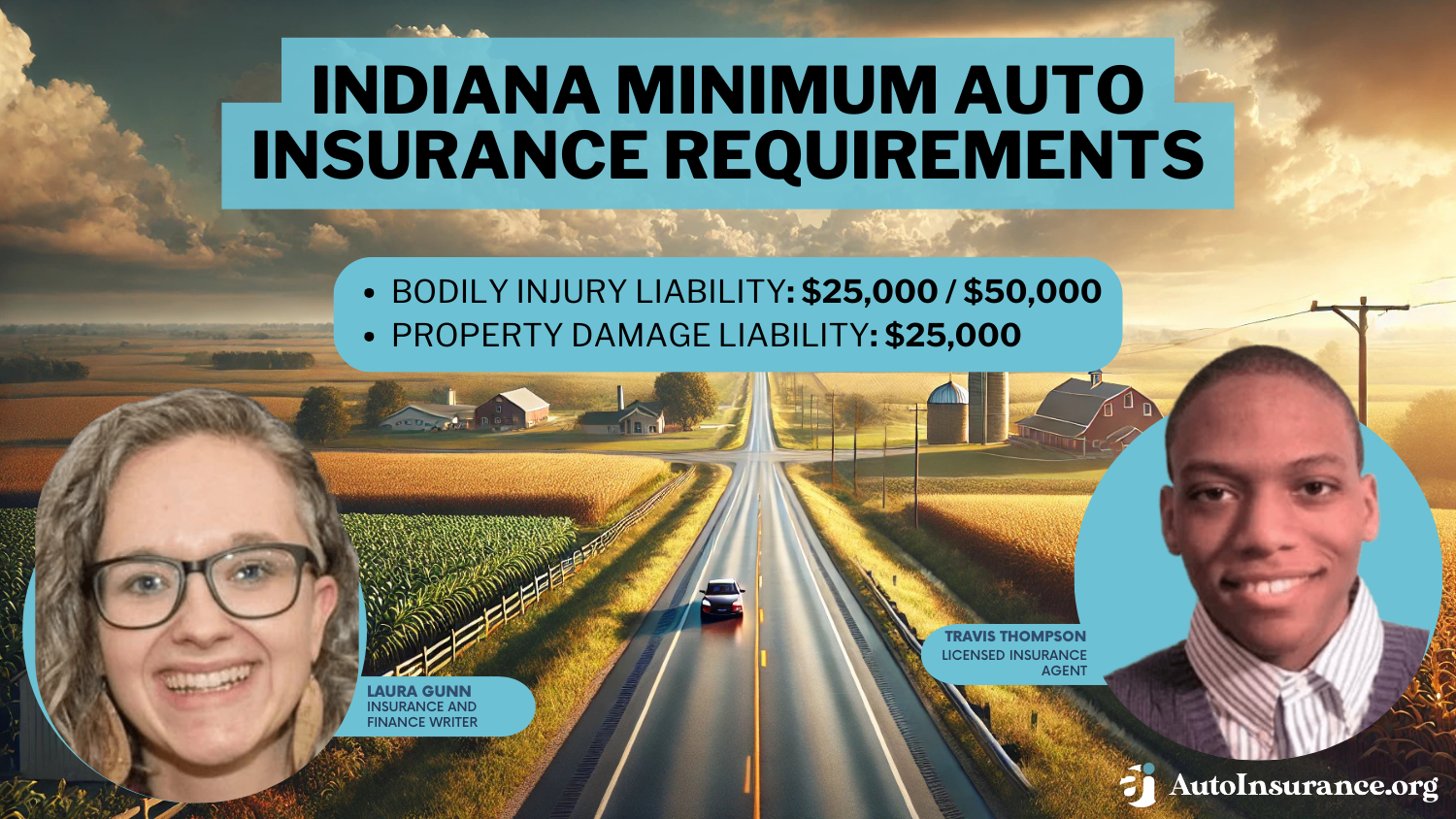
Auto insurance is not a federally regulated product in the United States; rather, it is governed by individual state departments of insurance. Each state establishes its own unique requirements regarding minimum liability coverage, financial responsibility, and registration protocols. Because these laws are tied to the jurisdictional authority of the state where a driver resides, the insurance policy must align with those specific local mandates.
When you register a vehicle, you are required to provide a residential address. This address dictates the "garaging" location, which is the primary factor insurance companies use to determine your risk profile. Factors such as regional traffic density, local weather hazards, theft rates, and state-mandated coverage minimums are baked into the actuarial data for that specific ZIP code. Consequently, your insurance premium is directly tied to the state where you live and keep your car.
Understanding Primary Residency and Garaging
A common source of confusion arises for individuals who split their time between states, such as seasonal residents ("snowbirds"), college students, or military personnel. To stay compliant with the law, you must distinguish between a mailing address and a legal residence.
- Legal Residency: This is usually determined by where you vote, pay state income taxes, and hold a driver’s license. If you are a legal resident of a state, you are almost always required to register your vehicle and insure it in that state.
- Garaging Location: Insurance companies define the garaging location as the place where the vehicle spends the majority of its nights. If you move your vehicle to a new state for an extended period—typically 30 to 90 days—insurance carriers generally require you to update your policy to reflect the new garaging location.
Failure to update your insurance when you move can be interpreted as material misrepresentation. Even if you believe your move is temporary, the insurance company reserves the right to deny coverage if a claim occurs in a state where the vehicle was not registered or insured, asserting that they were never given the opportunity to accurately assess the risk.
The Consequences of Rate Evasion
"Rate evasion" occurs when a policyholder intentionally uses an address in a state with lower insurance premiums—often a rural state or one with different regulatory structures—while actually living and driving in a state with higher costs. While this might seem like a way to save money, it is a form of insurance fraud.
The risks associated with this practice include:
- Claim Denials: If an accident occurs and an adjuster discovers the vehicle is habitually garaged at an address different from the one on the policy, the insurer may void the policy entirely. You could be left paying for damages, medical bills, and legal fees out of pocket.
- Policy Cancellation: Insurers actively monitor for address discrepancies. If they identify that a policyholder is using a "shell" address, they will cancel the policy, making it difficult and expensive to secure coverage in the future.
- Legal Penalties: Depending on the jurisdiction, providing false information to an insurance provider can result in fines, license suspension, or criminal charges for fraud.
Comparative Look at State Insurance Requirements
Because states set their own mandates, the "rules" of insurance change significantly when you cross state lines. The following table illustrates why state-specific requirements exist and why they cannot simply be bypassed by choosing a different state's policy.
| Feature | Impact of State Regulation |
|---|---|
| Minimum Liability | Each state mandates specific dollar amounts for bodily injury and property damage. |
| No-Fault Laws | Some states require Personal Injury Protection (PIP) regardless of who caused the accident. |
| Uninsured Motorist | Certain states mandate coverage for accidents involving underinsured or uninsured drivers. |
| Premium Calculation | Rates are based on regional risk factors, including local crime and environmental hazards. |
| Registration Laws | States mandate the timeframe in which a vehicle must be re-registered upon establishing residency. |
Exceptions and Specialized Scenarios
While the general rule is strict, there are specific scenarios where the intersection of residency and insurance requires careful navigation.
Military Personnel
Active-duty military members often maintain residency in their home state of record, even if they are stationed elsewhere. Under the Servicemembers Civil Relief Act (SCRA), military personnel are often exempt from re-registering their vehicles and changing their insurance policy every time they receive a permanent change of station (PCS) order. It is vital to notify your insurer of your military status to ensure your policy remains valid while you are deployed out of state.
College Students
Full-time students living away from home at a university often remain on their parents' insurance policy. In this case, the insurance company will typically list the student's primary residence as their parents' home, while acknowledging the vehicle's temporary location at the university. However, you must inform the insurer of the student's garaging address; failing to do so could lead to a claim denial if an accident occurs near the campus.
Seasonal Travelers
If you live in one state for six months and another for six months, you should discuss this with your insurance agent. Some carriers allow for a "multi-garaging" disclosure, or they may require that the vehicle be insured in the state where the vehicle is registered. Simply maintaining insurance in the state where you spend the least amount of time is generally insufficient if the vehicle is physically present in the other state for a significant portion of the year.
How to Properly Handle a Move
If you are moving across state lines, the process of transitioning your auto insurance should be a priority. You should not wait until your current policy expires.
- Verify State Deadlines: Check the DMV or Department of Revenue website for your new state. Most states require you to update your driver’s license and vehicle registration within 30 to 60 days of establishing residency.
- Contact Your Current Insurer: Ask if they are licensed to write policies in your new state. If they are, they can often simply update your policy to reflect the new address and local rates.
- Compare Quotes: If your current insurer is not competitive in the new state, or if they do not offer coverage there, you will need to shop for a new policy before you register the vehicle in your new state.
- Finalize Documentation: Once you have a new policy, present the proof of insurance to the local DMV when you register your vehicle. Cancel your old policy only after the new one is active to avoid any gaps in coverage.
FAQ: Common Questions Regarding Residency and Insurance
What happens if I move to a new state and don't tell my insurance company? If you fail to notify your insurer of a move, you risk having your coverage voided. If you file a claim, the insurer will verify your address. If they find you have moved, they may deny the claim due to "material misrepresentation," meaning you provided false information that would have changed their decision to underwrite the policy.
Can I keep my insurance in my parents' state even though I moved out? Generally, no. Your insurance must be tied to your actual place of residence. If you have moved permanently, you must obtain a policy in your own name in your current state of residence. Remaining on a parents' policy while living elsewhere can jeopardize the validity of that policy.
What if I own a vacation home in another state? If you own a second home, you generally continue to insure your vehicle in your primary state of residence. However, if you store a vehicle at the vacation home for the majority of the year, that vehicle should be insured in the state where the vacation home is located, as that is its primary garaging address.
Does my insurance cover me if I drive in another state? Yes, all major auto insurance policies are designed to provide coverage nationwide. If you have a policy in State A and you drive to State B for a vacation, your coverage remains in effect. The legal requirement to insure your vehicle in your state of residence applies to where the vehicle is habitually kept, not where you are driving at any given moment.
Conclusion and Practical Next Steps
The legal requirement to carry auto insurance in the state where you live is designed to ensure that you are compliant with local financial responsibility laws and that your risk profile is accurately assessed. Do not attempt to bypass this by using an out-of-state address.
If you have recently moved, are planning to move, or are living between multiple states, your first step is to contact your current insurance agent or the company's customer service department. Explicitly state where you are living and where the vehicle is garaged. They can provide guidance on whether your current policy needs to be transferred or if you need to secure a new policy that adheres to the regulations of your new home state. Always prioritize transparency with your insurer to ensure that you are fully protected in the event of an accident.

Image Gallery
Select an image to open it in a new tab.

Simon Caldwell
Enterprise Technology and Systems Editor
