The European Cup Winning Captains: Leaders Who Lifted the Ultimate Club Trophy
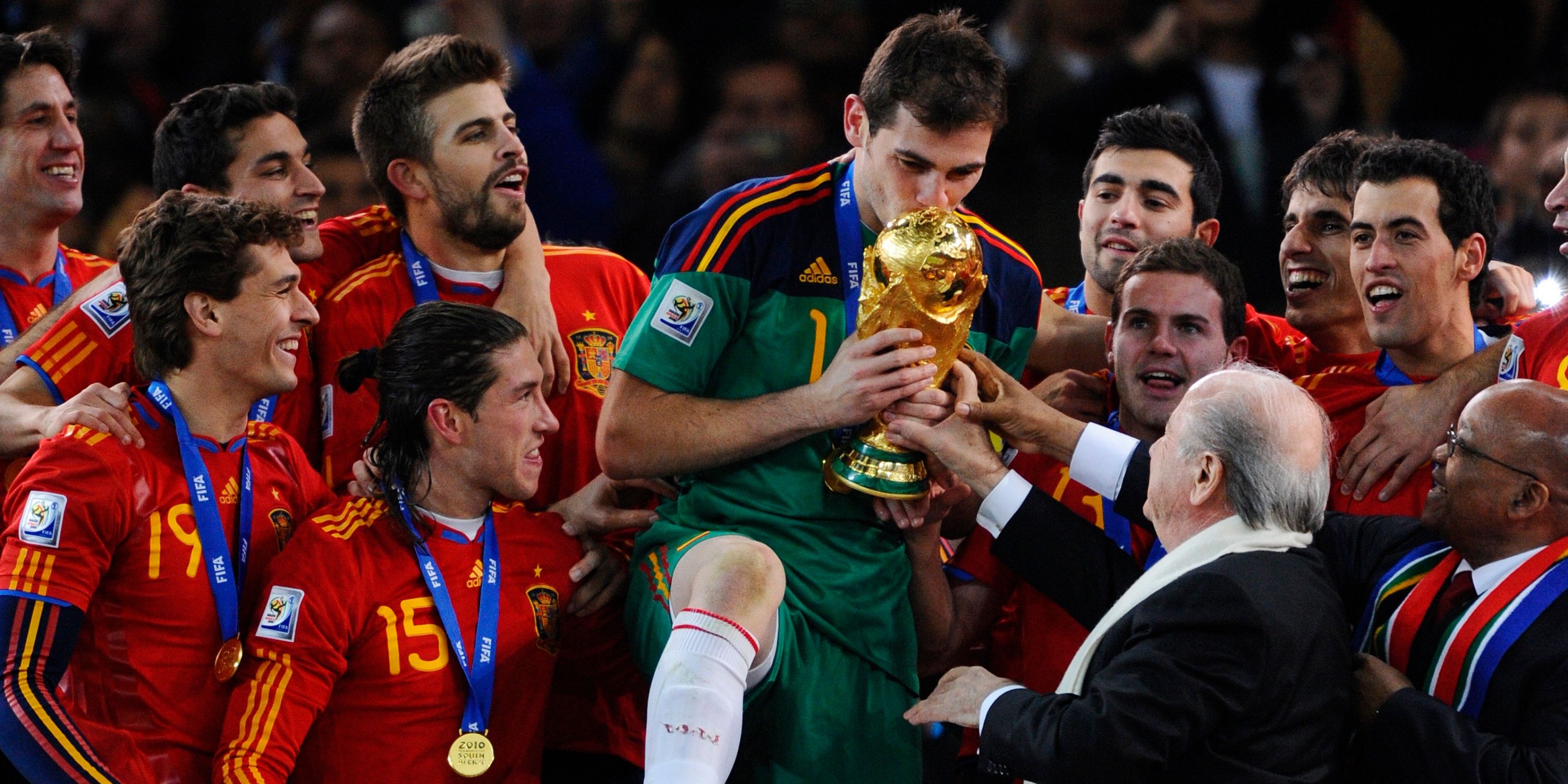
The European Cup, known since 1992 as the UEFA Champions League, stands as the most prestigious prize in club football. Throughout its storied history from 1955 to the present day, lifting this iconic silver trophy has immortalized a select group of players. The European Cup winning captains are a unique lineage of leaders, spanning from early pioneers like Real Madrid's Miguel Muñoz to modern icons such as Real Madrid's Nacho. These individuals navigated immense pressure, tactical shifts, and continental adversaries to climb the podium and hoist the trophy.
The Genesis of the European Cup and Its First Leaders
The European Champion Clubs' Cup was conceived in 1955 by the French sports newspaper L'Équipe, spearheaded by Gabriel Hanot and Jacques Ferran, who envisioned a continental competition to determine the undisputed champion of Europe. In the formative years of the tournament, the leadership mantle fell upon veterans of exceptional tactical intelligence and psychological resilience.
Real Madrid dominated the inaugural era of the competition, winning the first five editions consecutively from 1956 to 1960. The first man to ever lift the European Cup was Miguel Muñoz, who captained Real Madrid to victory against Stade de Reims in the 1956 final in Paris. Muñoz later transitioned into a legendary manager, but his place in history as the inaugural captain remains secure. Following Muñoz, other iconic figures stepped up to lead Los Blancos through their early continental hegemony.
As the 1960s progressed, the tactical landscape of European football diversified. Benfica broke the Spanish monopoly by winning back-to-back titles in 1961 and 1962, led by their talismanic captain José Águas. Soon after, Italian giants AC Milan and Internazionale claimed the trophy, introducing the rigid defensive discipline of catenaccio to continental finals. Captains from these eras had to act as extensions of their managers on the pitch, managing matches played across notoriously hostile foreign environments, unpredictable refereeing standards, and grueling travel schedules before the advent of modern commercial aviation.
Evolution of Leadership Styles Across the Decades
The role of the European Cup winning captain has undergone a profound transformation alongside the evolution of football tactics, sports science, and media scrutiny. In the 1970s, total football and physical dominance took center stage. Ajax Amsterdam secured a famous three-peat from 1971 to 1973, with legendary figures like Velibor Vasović and Piet Keizer wearing the armband. Vasović, who had previously lost a final as captain of Partizan Belgrade in 1966, famously scored in the 1969 final for Ajax before finally lifting the trophy in 1971.
Following the Dutch mastery, Bayern Munich established their own dynasty with three consecutive titles from 1974 to 1976. Franz Beckenbauer, universally recognized as one of the greatest sweepers and leaders in football history, captained Bayern through this golden era. Beckenbauer redefined the captaincy; he was not merely a physical enforcer or vocal motivator, but a deep-lying orchestrator who dictated the tempo of matches from the backline. His calm demeanor under pressure became the blueprint for modern playmaking defenders.
| Decade | Notable Winning Club | Legendary Captain | Tactical Era |
|---|---|---|---|
| 1950s | Real Madrid | Miguel Muñoz | Early Dominance |
| 1960s | Benfica | José Águas | Expansion & Power |
| 1970s | Bayern Munich | Franz Beckenbauer | Total Football |
| 1980s | Liverpool | Graeme Souness | Physical Directness |
| 1990s | AC Milan | Franco Baresi | Tactical Pressing |
| 2000s | Manchester United | Roy Keane | High-Intensity |
The 1980s saw English clubs dominate the competition, with Nottingham Forest, Aston Villa, and Liverpool lifting multiple trophies. Captains like John McGovern, Dennis Mortimer, and Graeme Souness exemplified fierce competitiveness, tactical discipline, and uncompromising leadership. Souness, in particular, represented the combative, industrious midfielder-captain archetype that defined British football of that period.
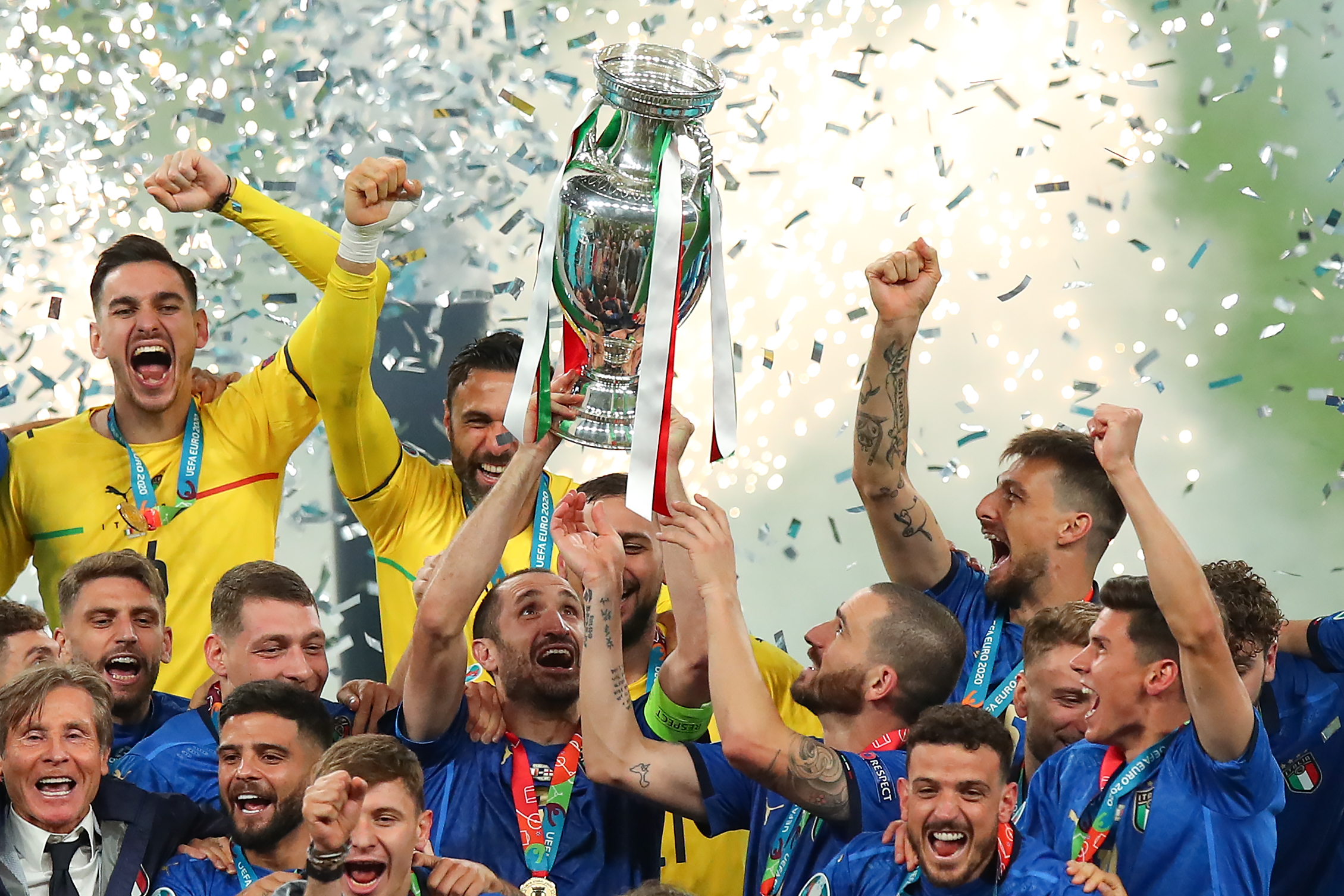
The Modern Champions League Era: 1992 to Present
When the European Cup was rebranded as the UEFA Champions League in 1992, the financial landscape, tournament format, and global reach of the competition expanded exponentially. Captains in the modern era operate under unprecedented scrutiny from global television audiences, social media, and multi-million-dollar commercial pressures.
AC Milan's Franco Baresi and later Paolo Maldini embodied the epitome of Italian defensive nobility and club loyalty. Maldini, who captained Milan to Champions League glory in 2003 and 2007, played in eight European finals, winning five. His leadership was characterized by elegance, flawless positioning, and a quiet authority that commanded the absolute respect of teammates and opponents alike.
At the turn of the century, Manchester United's Roy Keane provided a starkly contrasting leadership style. Keane's performance in the 1999 semi-final against Juventus—where, despite knowing a yellow card would rule him out of the final, he drove his team back from a two-goal deficit—remains one of the most famous acts of captaincy in tournament history. Although suspended for the dramatic final in Barcelona where Peter Schmeichel lifted the trophy as match-day captain, Keane's influence throughout the campaign was decisive.
In the contemporary game, captains like Sergio Ramos of Real Madrid and Jordan Henderson of Liverpool have demonstrated the modern requirements of the armband. Ramos, who lifted three consecutive Champions League trophies from 2016 to 2018, combined elite defensive clutch scoring with fierce competitive gamesmanship. Henderson guided Liverpool to their sixth European title in 2019, showcasing empathetic leadership, relentless pressing from the front, and tireless work rate that galvanized Jurgen Klopp's squad.
Common Traits and Statistics Among Winning Captains
Analyzing the comprehensive roster of European Cup winning captains reveals several fascinating statistical and behavioral patterns. While outfield players—specifically midfielders and defenders—dominate the list, a notable percentage of winning captains have been goalkeepers. Legendary shot-stoppers such as Real Madrid's Juan Alonso, Benfica's Costa Pereira, Bayern Munich's Sepp Maier, and Manchester United's Peter Schmeichel (on match day in 1999) have all climbed the steps to hoist the trophy. Goalkeepers offer a unique tactical advantage as captains, possessing an unobstructed view of the entire pitch to organize defensive structures.
Another striking trend is the phenomenon of the "one-club man" or long-serving veteran leading his boyhood team to glory. Captains such as Franco Baresi (AC Milan), Carles Puyol (Barcelona), Steven Gerrard (Liverpool), and Nacho Fernandez (Real Madrid) carried deep emotional ties to their organizations. This connection often translates into extra resilience during high-stakes knockout rounds, where psychological fortitude proves just as vital as tactical execution.
Furthermore, multi-time winning captains form an elite sub-category. Lifting the trophy once is a career-defining achievement, but leading a club to multiple continental crowns requires constructing a sustained winning culture within a dressing room. Players like Franz Beckenbauer, Franco Baresi, and Sergio Ramos achieved this rare feat, managing the egos and physical fatigue of star-studded squads across multiple seasons.
Frequently Asked Questions About European Cup Winning Captains
Who was the first player to lift the European Cup?
Miguel Muñoz was the first player to lift the European Cup, doing so as captain of Real Madrid after their 4-3 victory against Stade de Reims in the inaugural 1956 final held in Paris.
Which club has had the most different European Cup winning captains?
Real Madrid holds the record for the most European Cup and Champions League titles, meaning they have also had the highest number of distinct players captaining them to victory across their historic campaigns, ranging from Miguel Muñoz in the 1950s to Nacho Fernandez in recent seasons.
Do goalkeepers frequently captain teams to European Cup victory?
Yes, while outfield players are more common, several iconic goalkeepers have captained their sides to European glory. Examples include Sepp Maier for Bayern Munich and Peter Schmeichel for Manchester United, benefiting from their tactical vantage point at the back.
Who is the only player to captain three European Cup-winning teams?
While several players have won three or more titles as captain, Sergio Ramos achieved historic prominence by becoming the first player in the modern UEFA Champions League era to lift the trophy as captain in three consecutive seasons (2016, 2017, and 2018) with Real Madrid.
What are the primary responsibilities of a European Cup-winning captain?
Beyond participating in the pre-match coin toss and exchanging pennants with opposing captains, a winning captain must manage dressing room morale, act as a vital bridge between the coaching staff and the players during high-pressure knockout fixtures, and execute tactical instructions on the pitch.
Practical Considerations for Historical Research and Verification
For researchers, historians, and football enthusiasts examining the lineage of European Cup winning captains, verifying match-day documentation is essential. Official UEFA archives, match protocols, and contemporaneous press reports from organizations like L'Équipe serve as the primary sources for confirming who actually wore the armband on the night of the final. In instances where a club's designated club captain was injured, suspended, or substituted during a tournament run, verification of the match-day leader on the pitch prevents historical inaccuracies. Cross-referencing official UEFA match sheets remains the gold standard for accurate sports historiography.
Image Gallery
Select an image to open it in a new tab.

Zara El-Hashem
Sociocultural Dynamics and Academics Writer
