
The truth about kilt wearers lies in a sophisticated blend of ancestral pride, strict sartorial tradition, and modern functionality. Beyond the caricatures, most wearers view the kilt as a formal garment representing heritage rather than a costume. Understanding kilt wearers involves navigating specific rules of etiquette, undergarment choices, and historical lineage.
The Reality of the "True Scotsman" Tradition
One of the most persistent questions regarding kilt wearers concerns what is worn beneath the garment. This is often referred to as the "True Scotsman" tradition, which dictates that no undergarments should be worn. Historically, this practice originated within the Scottish regiments of the British Army. In the 18th and 19th centuries, the lack of underwear was a matter of military uniform regulation, intended to ensure hygiene in damp conditions (wool dries faster than the cotton or linen undergarments of the time) and to maintain a specific military aesthetic.
In 2026, the reality is far more pragmatic. While some traditionalists and members of pipe bands still adhere to the "military" style, the vast majority of modern kilt wearers choose their attire based on the setting. For formal events like weddings or Highland Games, the choice is personal. However, in specific contexts—such as Highland dancing competitions or rental kilt agreements—undergarments are often mandatory for hygiene and safety reasons. The "truth" is that there is no universal law; most kilt wearers prioritize comfort and the requirements of the venue over an outdated military mandate.
The Anatomy of Modern Kilt Construction
To understand the kilt wearer, one must understand the garment itself. A "true" kilt is not a skirt; the construction, weight, and engineering are entirely different. A standard handmade kilt in 2026 typically utilizes 8 yards of heavy-weight worsted wool, weighing between 13oz and 16oz per yard.
Pleating Styles and Their Significance
The way a kilt is pleated tells a story about the wearer’s preference for tradition or visual symmetry. There are two primary methods used by kiltmakers:
- Pleating to the Sett: This is the most common style for civilians. The pleats are arranged so that the pattern of the tartan (the "sett") is continued across the back of the kilt. From behind, the garment looks the same as it does from the front.
- Pleating to the Stripe: This style is traditionally favored by the military. The kiltmaker picks a prominent vertical stripe in the tartan pattern and ensures that this stripe is visible on the edge of every pleat. This creates a bold, rhythmic horizontal effect that looks significantly different from the front apron.
Kilt wearers often choose their pleating style based on family tradition or the specific visual impact they wish to make at formal gatherings. The technical skill required to execute these pleats ensures that the kilt hangs with a distinct "swing" when the wearer walks—a hallmark of a well-made garment.

The Hierarchy of Highland Dress
Kilt wearers categorize their attire based on the level of formality required for an event. It is a common misconception that there is only one "look" for a kilt. In reality, the accessories and jacket styles change drastically depending on the time of day and the nature of the occasion.
| Element | Formal (Black Tie/White Tie) | Semi-Formal (Day Wear) | Casual / Utility |
|---|---|---|---|
| Jacket Style | Prince Charlie or Montrose | Argyle or Tweed Braemar | No jacket or Ghillie shirt |
| Sporran | Dress Sporran (Fur with silver cantle) | Semi-Dress (Leather and fur) | Day Sporran (All leather) |
| Footwear | Ghillie Brogues (Laced up the leg) | Day Brogues or Chelsea boots | Work boots or sneakers |
| Neckwear | Bow Tie or Lace Jabot | Standard Necktie | Open collar or neck-cloth |
| Hose (Socks) | Cream or matching tartan hose | Lovat green, blue, or grey | Any heavy wool sock |
The Role of the Sporran
Because traditional kilts lack pockets, the sporran (Gaelic for "purse") is a functional necessity. Kilt wearers use it to carry essentials like phones, wallets, and keys. The position of the sporran is crucial: it should be centered and hang roughly three finger-widths below the bottom of the waistcoat or belt buckle. For kilt wearers, the sporran is not just an accessory; it is a vital piece of equipment that dictates the silhouette of the outfit.
Cultural Appropriation vs. Appreciation
A frequent point of discussion in 2026 is whether non-Scots can or should wear kilts. The consensus among Scottish cultural organizations and kiltmakers is one of "appreciation." Most kilt wearers do not view the garment as a closed practice, provided it is worn with respect for the tradition.
There are hundreds of "universal" tartans that anyone can wear regardless of their lineage. These include the Black Watch, Royal Stewart (though technically royal, it is widely accepted for general use), and various district tartans representing cities or states. Furthermore, many modern kilt wearers don "utility kilts"—garments made from cotton, denim, or leather—which bypass the clan system entirely and focus on the kilt as a functional, breathable alternative to trousers.
The Financial Reality of Kilt Ownership
The truth about being a dedicated kilt wearer is that it requires a significant financial investment. In 2026, a high-quality, bespoke, hand-stitched kilt made in Scotland or by a certified kiltmaker abroad generally costs between $600 and $1,200 for the garment alone.
When you factor in the full Highland dress—the jacket, waistcoat, sporran, sgian-dubh (the small knife worn in the sock), kilt pin, belt, and brogues—a complete outfit can easily exceed $2,500. This is why many kilt wearers treat their attire as an heirloom, passing it down through generations. The durability of 16oz wool means that a well-maintained kilt can last 50 years or more, making the cost-per-wear relatively low for those who attend frequent events.
Common Misconceptions and Myths
"Kilts are only for weddings and funerals"
While kilts are standard for formal rites of passage, kilt wearers in 2026 are increasingly seen in casual settings. "Day wear" consists of a kilt paired with a tweed jacket and sturdy boots, suitable for hiking, attending outdoor festivals, or casual social gatherings.
"The Sgian-Dubh is a dangerous weapon"
The sgian-dubh (pronounced "skeen-doo") is a small, ornamental knife tucked into the top of the hose. While it has historical roots as a utility and self-defense tool, modern versions are often blunt or even "safety" versions without a metal blade, specifically designed to comply with modern security laws in airports or government buildings. To the wearer, it is a symbolic piece of the "complete" look, representing the age-old custom of revealing one's weapons when entering a friend's home.
"Every tartan belongs to a specific clan"
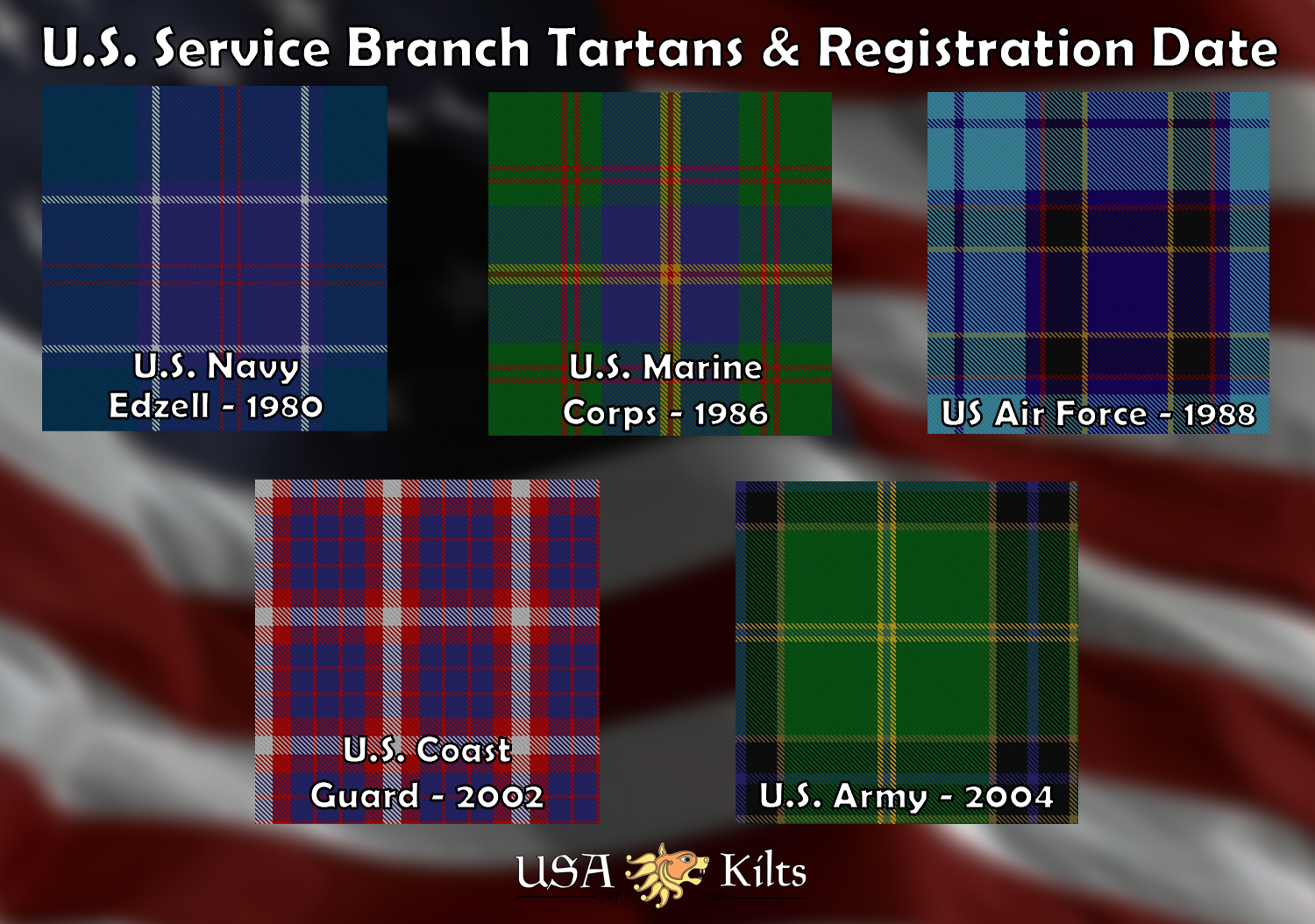
While the Clan system is a major driver of tartan production, many tartans are created for corporations, military units, or even to commemorate specific events. The Scottish Register of Tartans acts as the official government body for recording these patterns, and many kilt wearers choose designs based on color preference rather than genealogy.
Practical Maintenance for the Kilt Wearer
Maintaining the "truth" of a crisp, sharp kilt requires specific care. Pure wool kilts cannot be simply tossed in a washing machine.
- Cleaning: Most kilt wearers rely on spot cleaning with a damp cloth. Full dry cleaning is recommended only sparingly, as the chemicals can strip the natural oils (lanolin) from the wool, making it brittle.
- Storage: A kilt should never be folded and left in a drawer, as this ruins the pleats. It must be hung using a specialized "kilt hanger" that clips across the entire width of the garment, or rolled loosely in a "kilt carrier" for travel.
- The "Press": Keeping the pleats sharp is the mark of a meticulous wearer. This involves using a damp pressing cloth and a heavy iron, taking care never to touch the iron directly to the wool to avoid "shining" the fabric.
Evolution of the Kilt in 2026
The kilt wearer of 2026 is often more environmentally and ethically conscious than previous generations. This has led to the rise of "vegan kilts" made from high-quality synthetic blends that mimic the weight and drape of wool without using animal products. Additionally, there is a growing movement toward sustainable sourcing, with weavers focusing on local wool production and natural dyes.
Technology has also touched this ancient tradition. Some kiltmakers now use 3D body scanning to ensure a perfect fit, which is especially important for the "rise" and "sett" of the kilt—measurements that are notoriously difficult to get right with a standard measuring tape.
Frequently Asked Questions
Is it offensive to wear a kilt if I have no Scottish heritage? No, it is generally not considered offensive. Most Scots view the wearing of a kilt as a compliment to their culture. To remain respectful, avoid "costume" versions and opt for a universal tartan or a solid color. Following proper etiquette, such as wearing the kilt at the correct height (the navel), is more important than your DNA.
How do you sit down in a kilt without exposing yourself? Kilt wearers follow a specific technique: when sitting, smooth the pleats downward with your hands behind you. This ensures the fabric creates a flat layer between you and the seat. Keep your knees together or cross your ankles, rather than crossing your legs at the knee, to maintain modesty.
What is the purpose of the kilt pin? The kilt pin is worn on the outer apron of the kilt, about 2 inches up from the bottom and 1 inch in from the side. Its purpose is to add weight to the outer apron to prevent it from flapping open in the wind. Crucially, it should be pinned only to the top layer of fabric; pinning it through both layers can tear the wool when you move.
At what height should a kilt be worn? A traditional kilt is high-waisted. It should sit at the natural waist, which is roughly level with the navel. This is significantly higher than where modern trousers are worn. The bottom of the kilt should hit the middle of the kneecap—any lower and it looks like a skirt; any higher and it is considered poorly fitted.
Can women wear kilts? Yes. While the traditional 8-yard kilt is historically a male garment, women have worn kilted skirts and "abbreviated" kilts for over a century. In modern Highland dance and pipe bands, women wear the same full kilt as men. There are also specific "lady's kilts" that fasten on the opposite side, though many women choose the traditional wrap for authenticity.
Practical Recommendation for Aspiring Kilt Wearers
If you are considering becoming a kilt wearer, the best first step is to avoid "kilt packages" sold by mass-market retailers. These are often made from thin, acrylic fabric that will not hang correctly or last more than a few wears. Instead, look for a reputable kiltmaker who offers a "semi-traditional" kilt if a full 8-yard bespoke garment is outside your budget. Focus on the fit at the waist and the length; a kilt that fits perfectly but is made of modest material will always look better than an expensive kilt that is the wrong size. For your first tartan, consider a "District" tartan from a place you feel a connection to, or a "Universal" tartan like the Isle of Skye or the Caledonian.
Image Gallery
Select an image to open it in a new tab.




Akira Tanaka
International Academic Trends Correspondent
