When a term life insurance policy reaches the end of its initial "level premium" period, the guaranteed fixed rate ends. Depending on the specific terms of your contract, your premium will either cease entirely because the coverage lapses, or it will increase significantly—often by 500% to 2,000%—if the policy includes a "guaranteed renewability" clause that allows you to maintain coverage on an annual basis.
The expiration of a term life insurance policy is a pivotal financial moment that requires proactive planning. Most policyholders choose term insurance because it provides high death benefit protection at a low cost for a specific duration, such as 10, 20, or 30 years. As of 2026, the insurance market has evolved to offer more automated options for transitioning these policies, but the fundamental mechanics of premium shifts remains rooted in actuarial risk.
Understanding what happens to your premium—and your wallet—requires looking at the four primary paths available when that final "level" year concludes.
The Mechanics of Level Premiums vs. Attained Age Premiums
To understand why premiums change so drastically at expiration, one must understand how term insurance is priced. During the initial term (e.g., a 20-year term purchased in 2006 and expiring in 2026), the insurance company averages the cost of insuring you over those two decades. You overpay in the early years so that you can underpay in the later years, resulting in a "level" premium.
Once that term expires, the averaging stops. If you choose to keep the policy through a renewal clause, the insurer switches to attained age pricing. This means the premium is recalculated every year based on your current age and the statistical likelihood of death at that age. Because a 55-year-old or 65-year-old represents a significantly higher risk than they did at 35, the premium "jumps" off a cliff.
Option 1: Allowing the Policy to Lapse (The Default Path)
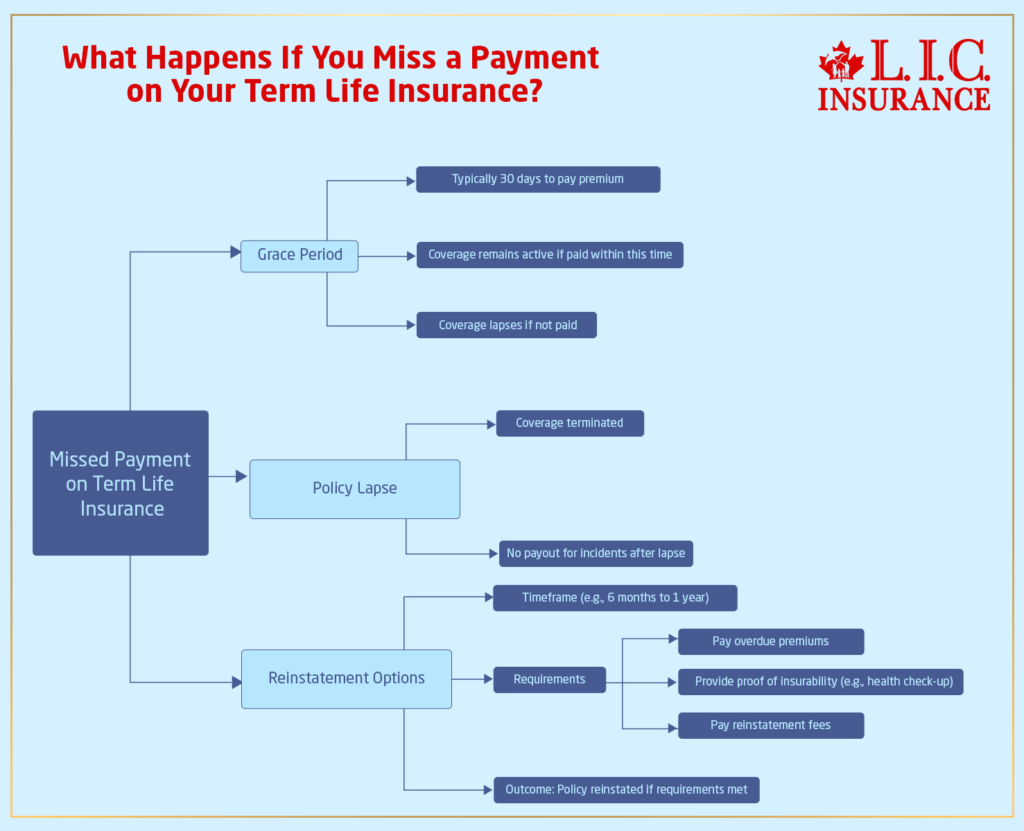
For the majority of policyholders in 2026, the most common outcome is for the policy to lapse. This occurs when the term ends, you stop paying premiums, and the insurance company terminates the coverage.
Why Premiums Stop Entirely
When a policy lapses, your premium obligation drops to zero. This is usually the desired outcome for individuals who have reached "self-insurance." By the time a 20-year or 30-year term ends, many policyholders have:
- Paid off their mortgages.
- Seen their children reach financial independence.
- Accumulated enough retirement savings to provide for a surviving spouse.
In this scenario, the "premium" effectively becomes the money you redirect into your own investments or lifestyle expenses. However, it is vital to verify the exact expiration date. In 2026, many insurers send digital notices 90, 60, and 30 days prior to expiration. If you do not explicitly cancel or if you have "auto-pay" enabled for a policy with a renewal clause, you might be surprised by a massive automated withdrawal for the new, higher rate.

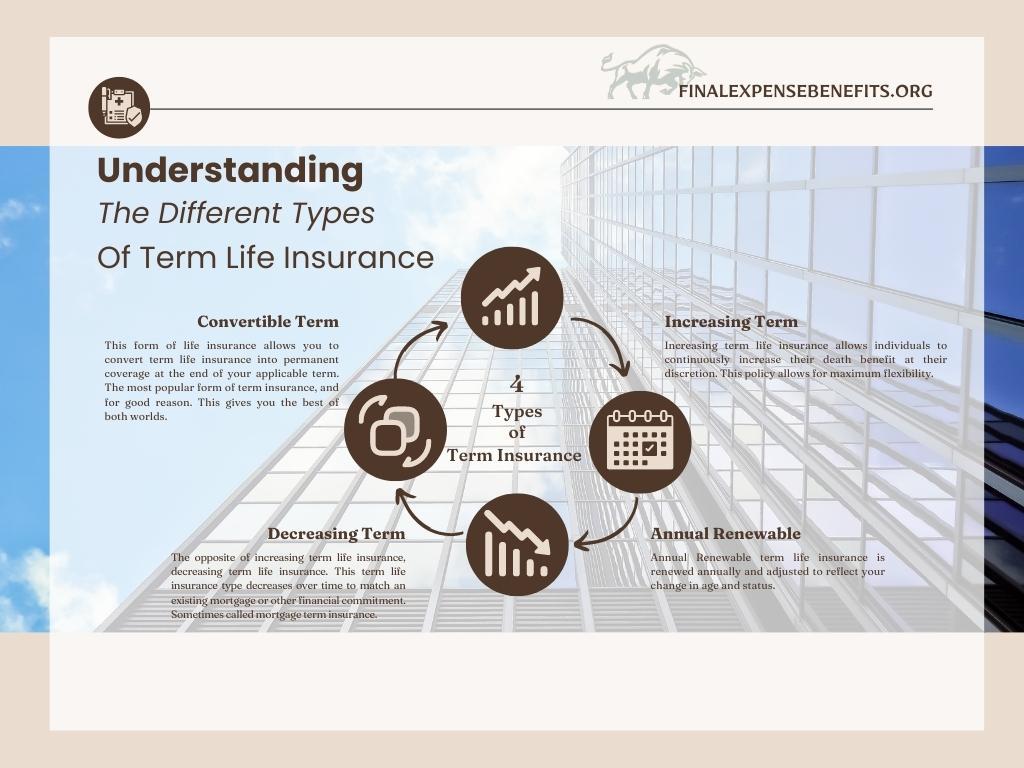
Option 2: The Annual Renewable Term (ART) Cliff
If your policy is "guaranteed renewable," you have the right to continue coverage without undergoing a new medical exam. This is a valuable feature for those who have developed chronic illnesses or health complications during the term that would make them uninsurable elsewhere.
The Financial Impact of ART
The premium for an Annual Renewable Term (ART) is notoriously high. Because the insurance company must assume that anyone renewing at these exorbitant rates is likely doing so because they are in poor health (a concept known as "adverse selection"), they price the premiums accordingly.
- Year 21 (First year post-term): The premium might jump from $50 a month to $450 a month.
- Year 22: The premium might increase to $520 a month.
- Year 23: The premium might hit $600 a month.
While the premium remains "guaranteed" in the sense that they cannot refuse to cover you, the cost quickly becomes unsustainable for most household budgets. It is generally viewed as a short-term "bridge" for someone who is terminally ill or needs just a few more months of coverage to finalize a financial obligation.
Option 3: Converting to Permanent Life Insurance
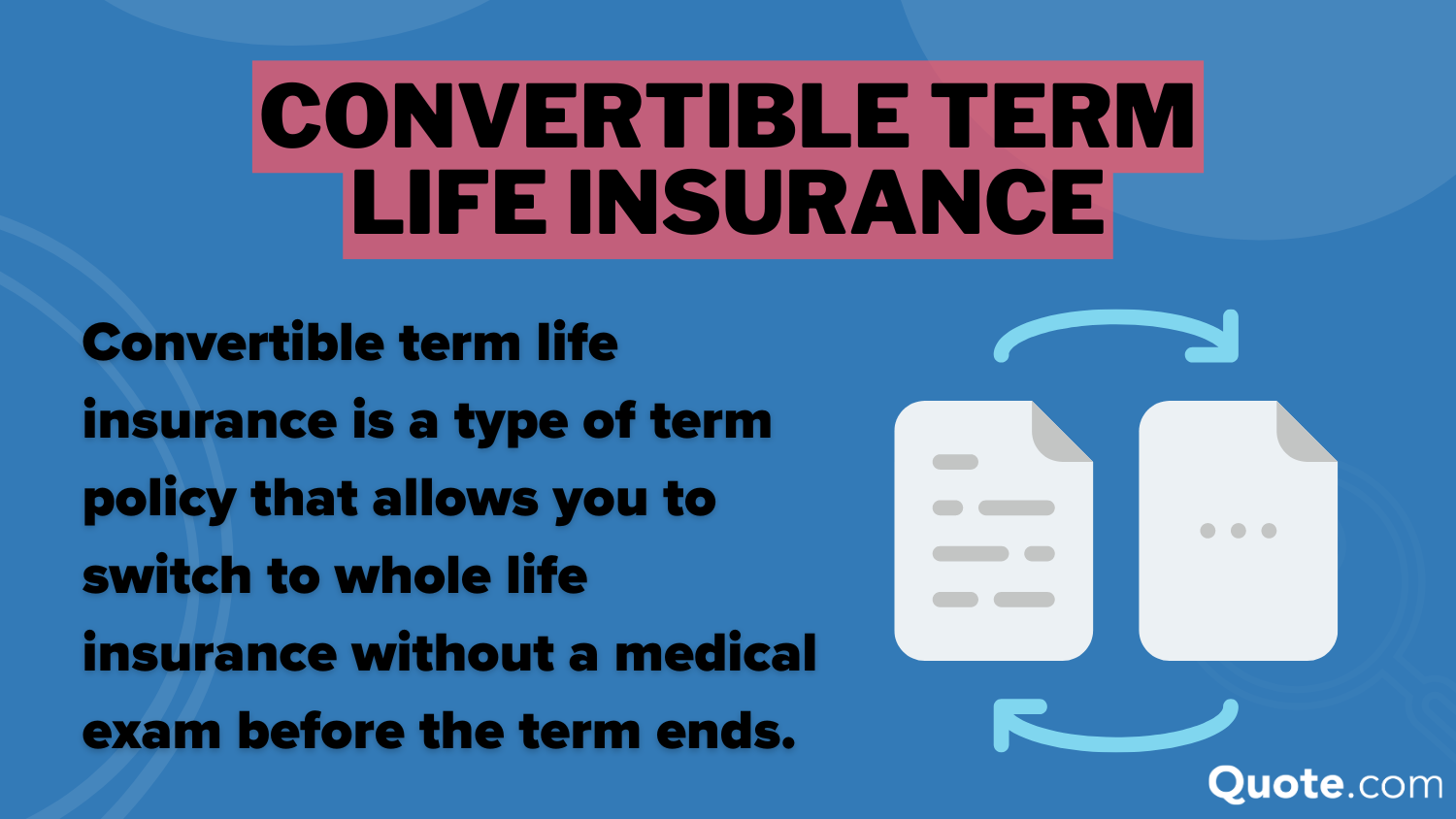
Many term policies sold over the last two decades include a conversion rider. This allows the policyholder to switch some or all of their term coverage into a permanent policy, such as Whole Life or Universal Life, without a medical exam.
How Conversion Affects the Premium
When you convert, your premium will increase, but it will do so in a predictable, stable way. Unlike the ART cliff, a converted permanent policy sets a new level premium that will remain the same for the rest of your life.
- Elimination of Medical Underwriting: You retain the health rating you had when you first bought the term policy. If you were "Preferred Plus" 20 years ago but have since developed high blood pressure, you still get the "Preferred Plus" rate for the permanent policy based on your current age.
- Higher Base Costs: Permanent insurance is more expensive because it is guaranteed to pay out eventually (as long as premiums are paid) and often builds cash value.
- The Conversion Window: It is crucial to note that most conversion riders expire before the term policy does. For example, a 20-year term might only allow conversion until year 15 or until the policyholder reaches age 65. If you wait until the actual expiration in 2026, you may find the conversion option has already vanished.
Option 4: Re-applying for a New Policy
If you still need life insurance but don't want to pay the renewal rates or the high costs of a permanent conversion, you can apply for a brand-new term policy.
The 2026 Underwriting Landscape
In 2026, applying for a new policy is faster than it was in previous decades. Accelerated Underwriting (AU) now uses vast databases of prescription history, motor vehicle records, and even credit-based insurance scores to approve many applicants without a blood draw or physical exam.
However, your premium will be based on your current age and health.
- Age Factor: A 50-year-old will naturally pay more for a 10-year term than a 30-year-old paid for a 20-year term.
- Health Factor: If your health has declined, your "table rating" may be lower, leading to higher premiums or a denial of coverage.
Comparison of Post-Expiration Options
| Option | Premium Cost Change | Medical Exam Needed? | Best For... |
|---|---|---|---|
| Lapse (Cancel) | Drops to $0 | No | Those with no remaining debt or dependents. |
| Renew (ART) | 500% - 2,000% increase | No | Terminally ill or very short-term needs. |
| Convert | Moderate to High increase | No | Those with health issues who need lifelong coverage. |
| New Policy | Moderate increase (Age-based) | Usually (or AU) | Those in good health who still have mid-term debts. |
Strategic Considerations for 2026
When evaluating what happens to your premium, you must also consider the Internal Revenue Code (IRC) Section 7702 standards, which govern how life insurance is taxed. Converted policies that build cash value must stay within these guidelines to maintain their tax-advantaged status.
Furthermore, consider the "Laddering" strategy if you find your premiums are expiring at an inconvenient time. If you have a large policy expiring, you might replace it with a smaller, 10-year policy to cover only the remaining years of your mortgage, thereby keeping the premium manageable.
The "Return of Premium" (ROP) Nuance
If you purchased a Return of Premium rider at the start of your term, the expiration of your policy looks very different. In this case, while the coverage ends, the insurance company issues a check for 100% of the premiums you paid over the life of the policy. For a 20-year term costing $1,000 annually, you would receive a tax-free lump sum of $20,000 in 2026. This money is often used to "self-insure" or to pay the upfront costs of a new, smaller policy.
Common Pitfalls to Avoid
- Missing the Conversion Deadline: As mentioned, the right to convert often ends years before the policy expires. Check your "Policy Schedule" page for the "Last Date to Convert."
- Assuming Portability: If your term insurance is through an employer, it usually expires the moment you leave the job. The premiums to "port" or "convert" group coverage are often significantly higher than private market rates.
- The "Double Coverage" Gap: Never cancel an old policy until the new one is "in force" (the first premium is paid and the contract is delivered). Unexpected delays in underwriting can leave you uninsured if your old policy expires in the interim.
Frequently Asked Questions
Can I extend my term policy for just one or two years at the same premium?
Generally, no. Term life insurance contracts are legal agreements with fixed dates. Once the level premium period ends, the insurance company is no longer contractually obligated to offer the low rate. You would have to move to the Annual Renewable Term (ART) rate, which is much higher.
What happens if I can't afford the new premium after my term expires?
If you cannot afford the renewed premium or a new policy, your coverage will lapse. If you have a permanent conversion option but can't afford the full amount, some insurers allow a partial conversion. This means you could convert $100,000 of a $500,000 policy to permanent insurance to keep a smaller "final expense" benefit at a more affordable price.
Is the premium increase at expiration taxable?
The premium payment itself is not taxable, as life insurance premiums are generally paid with after-tax dollars. However, if you have a Return of Premium (ROP) policy, the check you receive at expiration is typically tax-free because it is considered a return of your "basis" (the money you already paid in).
Does the death benefit change when the premium changes?
Usually, the death benefit remains the same unless you choose to decrease it. In an ART scenario, you pay a much higher premium for the same death benefit. In a conversion scenario, you might choose to lower the death benefit to make the new, higher premium more affordable.
Why did my insurance company send me a notice about "Reduced Paid-Up" insurance?
This typically only applies to permanent policies or term policies with a specific cash-value component. It allows you to stop paying premiums in exchange for a much smaller, guaranteed death benefit that stays in effect for the rest of your life. Most standard term policies do not offer this.
Final Recommendation
If your term life insurance is set to expire in 2026, your first action should be to request a "In-Force Illustration" from your current carrier. This document will show you exactly what the premium will be in Year 21 and beyond. Simultaneously, consult with an independent broker to compare that cost against a new policy based on your current health. If you have developed health issues, prioritize investigating your conversion rights immediately, as these often expire before the policy's end date.
For more information on insurance regulations and policyholder protections, you can refer to the National Association of Insurance Commissioners (NAIC).
Image Gallery
Select an image to open it in a new tab.


Vivian Cho
Executive IT and Emerging Technologies Reporter
