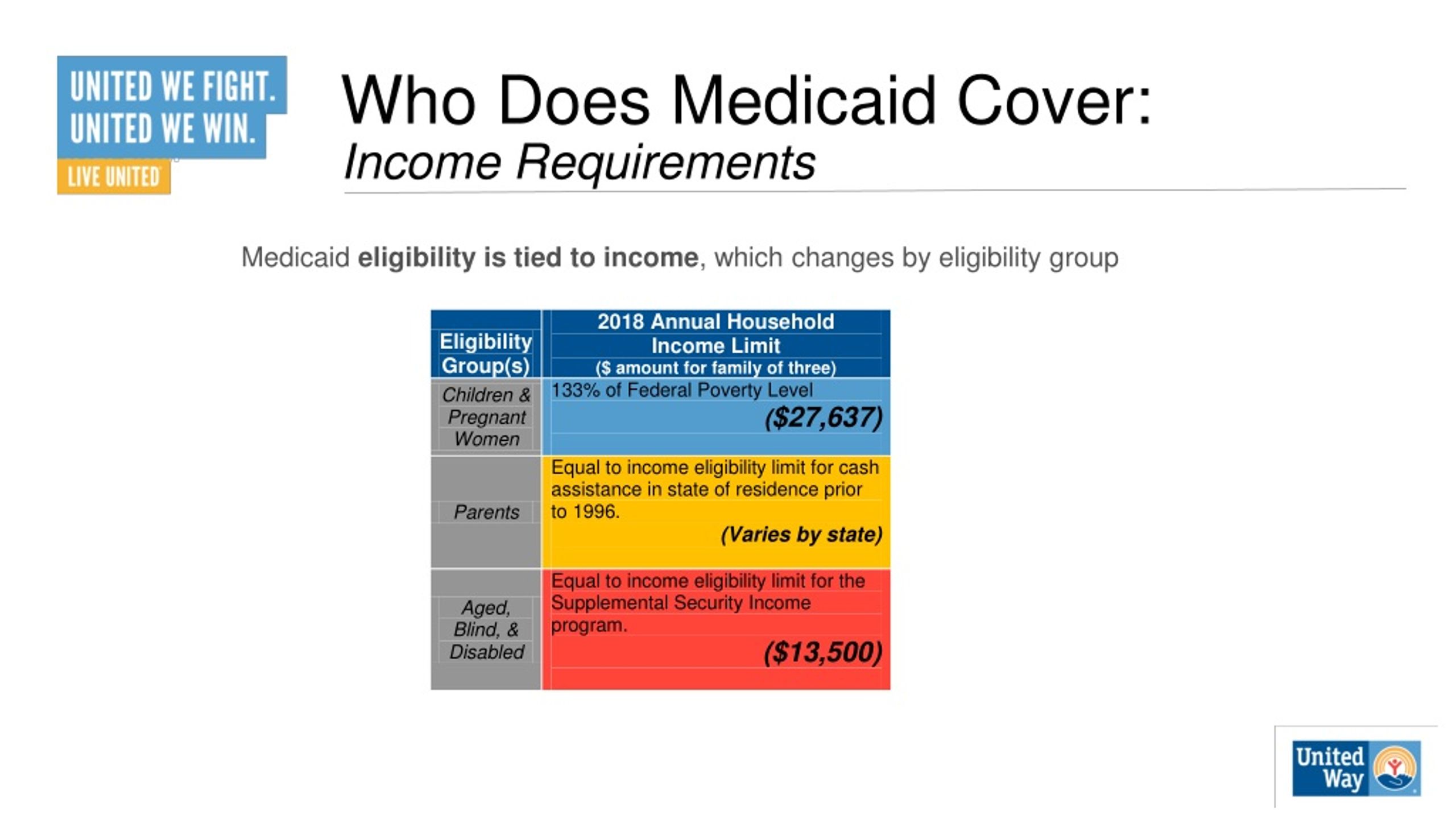
Medicaid eligibility in Louisiana is determined primarily by your Modified Adjusted Gross Income (MAGI), household size, and specific categorical requirements such as age, disability, or pregnancy status. Because Louisiana expanded its Medicaid program, most adults aged 19–64 with income at or below 138% of the Federal Poverty Level (FPL) qualify for coverage, regardless of other assets.
The Foundation of Medicaid Eligibility in Louisiana
Medicaid is a joint federal and state program designed to provide health coverage to individuals and families with limited financial resources. In Louisiana, the program is administered by the Louisiana Department of Health (LDH). Understanding your eligibility requires first identifying which "category" of coverage you fall under, as the financial thresholds change depending on whether you are applying as a parent, a child, an adult in the expansion group, a person with a disability, or an aged individual.
The most significant change to modern Medicaid access was the expansion of the program, which shifted the focus from strictly "categorical" eligibility (e.g., only parents or the disabled) to "income-based" eligibility. Today, the vast majority of non-elderly adults qualify based on their income relative to the Federal Poverty Level.
Modified Adjusted Gross Income (MAGI) Explained
When the Louisiana Department of Health reviews your application, they use a calculation called Modified Adjusted Gross Income (MAGI). This is the standard used for the majority of applicants, particularly those applying under the expansion rules.
MAGI is not necessarily the same as your "take-home" pay. It starts with your Adjusted Gross Income (as reported on your federal tax return) and adds back certain untaxed income, such as foreign earned income or non-taxable Social Security benefits. For most applicants, the calculation is straightforward, but it is vital to be accurate, as discrepancies between your reported income and the data found in federal tax databases can delay your application or trigger a request for documentation.
Categorical Eligibility and Income Thresholds
While the expansion group covers most adults, there are distinct groups with different financial requirements. It is essential to distinguish between these groups to understand which income limit applies to you.
1. The Medicaid Expansion Group (Adults 19–64)
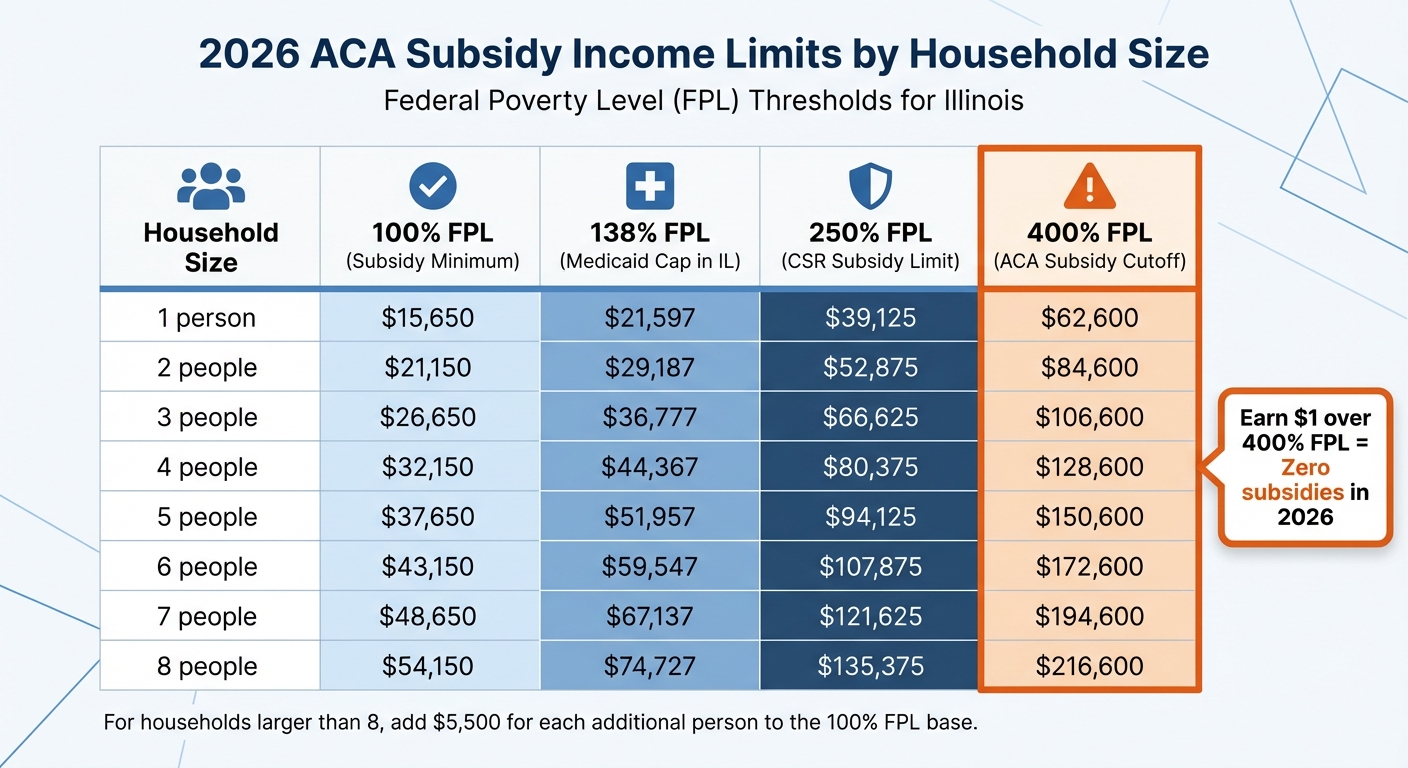
This group includes individuals who are not eligible for Medicare and do not fall into other specific categories like pregnancy or disability. The income limit is set at 138% of the FPL. As of 2026, this threshold accounts for the annual federal updates. If your household income is at or below this percentage, you are generally eligible.
2. Pregnant Women
Louisiana provides robust coverage for pregnant individuals. The income thresholds for this category are higher than those for the standard adult expansion group, often reaching up to 214% of the FPL. This is designed to ensure that prenatal and postnatal care is accessible, recognizing the unique health requirements of the mother and child.
3. Children (LaCHIP and Medicaid)
Coverage for children is prioritized through the Louisiana Children’s Health Insurance Program (LaCHIP) and standard Medicaid. Eligibility for children is generally more generous, often extending to families with incomes up to 217% or higher of the FPL, depending on the child’s age and the specific program tier.
4. Aged, Blind, and Disabled (ABD)
This category often involves "non-MAGI" budgeting. Because these individuals often have complex medical needs or fixed incomes, the state evaluates their resources (assets) in addition to income. For this group, the limits are often based on the Supplemental Security Income (SSI) federal benefit rate.
Comparison of Eligibility Tiers
The following table provides a generalized overview of how income limits are structured relative to the Federal Poverty Level. Note that exact dollar amounts change annually based on federal updates published by the Department of Health and Human Services (HHS).
| Applicant Category | Eligibility Metric | Typical Household Income Threshold |
|---|---|---|
| Adult (Expansion) | MAGI | Up to 138% FPL |
| Pregnant Women | MAGI | Up to 214% FPL |
| Children (0–18) | MAGI | Up to 217% FPL |
| Aged/Disabled (SSI Related) | Income + Assets | Varies by SSI standard |
Note: The FPL is updated every year. Always verify the current year’s dollar amounts on the official Louisiana Medicaid website during the application process.
How Household Size Impacts Your Limit
One of the most common mistakes applicants make is miscalculating their "household size." In Medicaid parlance, a household is not always defined by who lives under your roof. It is defined by who is included on your federal tax return.
If you are a tax filer, your household size includes you, your spouse, and any tax dependents you claim. Even if a relative lives with you, if you do not claim them as a dependent on your taxes, they are generally not counted in your household size for Medicaid income eligibility purposes. Conversely, if you are claimed as a dependent on someone else’s tax return, you are typically considered part of their household, not your own, for eligibility calculations.
Assets and Resource Limits
For the vast majority of applicants—specifically those in the expansion group—assets (such as savings accounts, retirement funds, or vehicles) are not counted. You do not need to "spend down" your savings to qualify for Medicaid in the expansion group.
However, if you are applying for "Long-Term Care" Medicaid or if you fall under the Aged, Blind, or Disabled (ABD) category, the rules shift significantly. In these instances, the state will look at your total assets. Certain items, such as your primary residence (with equity limits) and one vehicle, are often exempted, but other liquid assets may be considered. Understanding whether your application is "MAGI-based" or "Asset-tested" is the most critical step in preparing your documentation.
Steps to Verify Your Income and Apply
Before beginning your application, organize your financial documents. The Louisiana Department of Health utilizes electronic data matching to verify income via the IRS and the Social Security Administration. However, having your own records ensures you can troubleshoot any mismatches.
- Collect Proof of Income: Gather recent pay stubs, W-2 forms, or your most recent federal tax return.
- Verify Citizenship/Residency: Ensure you have documentation proving your Louisiana residency and your status as a U.S. citizen or qualified non-citizen.
- Use the Louisiana Medicaid Self-Service Portal: The most efficient way to apply is through the official online portal. It provides real-time status updates and allows you to upload necessary documentation.
- Review for Accuracy: Ensure that your household count matches your tax filings. Double-check your gross income (before taxes are taken out), as this is the figure used for the MAGI calculation.
Troubleshooting Common Denials
If you receive a notice of denial, it often stems from one of three common issues:
- Income Discrepancies: The information you provided does not match the information reported to the IRS. If this happens, you will be given an opportunity to provide "proof of income," such as a letter from your employer or recent bank statements.
- Missing Information: Incomplete applications are a primary cause of delays. Ensure all fields are filled, even if the answer is "zero."
- Wrong Category: You may have applied under the wrong program tier. If you have a disability, applying for the standard expansion group might result in a denial, whereas applying under the disability-specific pathways could result in an approval.
Professional Guidance and Limitations
While this guide provides an overview of how Medicaid limits work, it does not constitute legal or financial advice. Medicaid law is subject to state administrative changes and federal oversight. If you are dealing with complex estate planning, significant assets, or specific medical disability qualifications, consulting with an elder law attorney or a certified Medicaid planner is highly recommended. These professionals can help you navigate the "spend-down" process if you are in an asset-tested category, ensuring you remain eligible while protecting your financial future.
Frequently Asked Questions
Does receiving unemployment benefits count as income for Medicaid? Yes, unemployment compensation is considered taxable income and is included in your MAGI calculation. This can affect your eligibility if your total income exceeds the 138% FPL threshold.
What if my income fluctuates monthly? Medicaid eligibility is typically determined based on your current monthly income or your projected annual income. If your income changes, you are legally required to report that change to the Louisiana Department of Health within 10 days. They will re-evaluate your eligibility based on your new financial status.
Are there any "hidden" costs to being on Louisiana Medicaid? For most expansion-group enrollees, there are no monthly premiums. However, depending on the specific program, there may be very small co-pays for certain services, such as prescription drugs or non-emergency visits. These costs are strictly capped by federal law to ensure they do not become a barrier to care.
Can I still get Medicaid if I am also covered by an employer's plan? Yes. You can have both private insurance and Medicaid. Medicaid will typically act as the "payer of last resort," meaning your private insurance will be billed first, and Medicaid may cover the remaining out-of-pocket costs, such as deductibles or co-insurance.
How often do I need to renew my Medicaid coverage? Renewals generally occur once every 12 months. You will receive a notice in the mail or via your online portal when it is time to renew. It is critical to keep your contact information updated with the state to ensure you do not miss this renewal window, which could lead to an unnecessary lapse in coverage.
Next Steps for Applicants
If you are considering applying for Medicaid, your first step should be to visit the official Louisiana Medicaid website. Start by using their "Do I Qualify?" tool, which will prompt you to enter basic information about your household size and estimated income. This tool provides a preliminary assessment of your eligibility. Once you have a general understanding, prepare your financial documentation and submit your application through the secure online portal. If you prefer assistance, you can contact the Louisiana Medicaid customer service line or visit a local community health center, where trained navigators can help you complete the application process accurately.
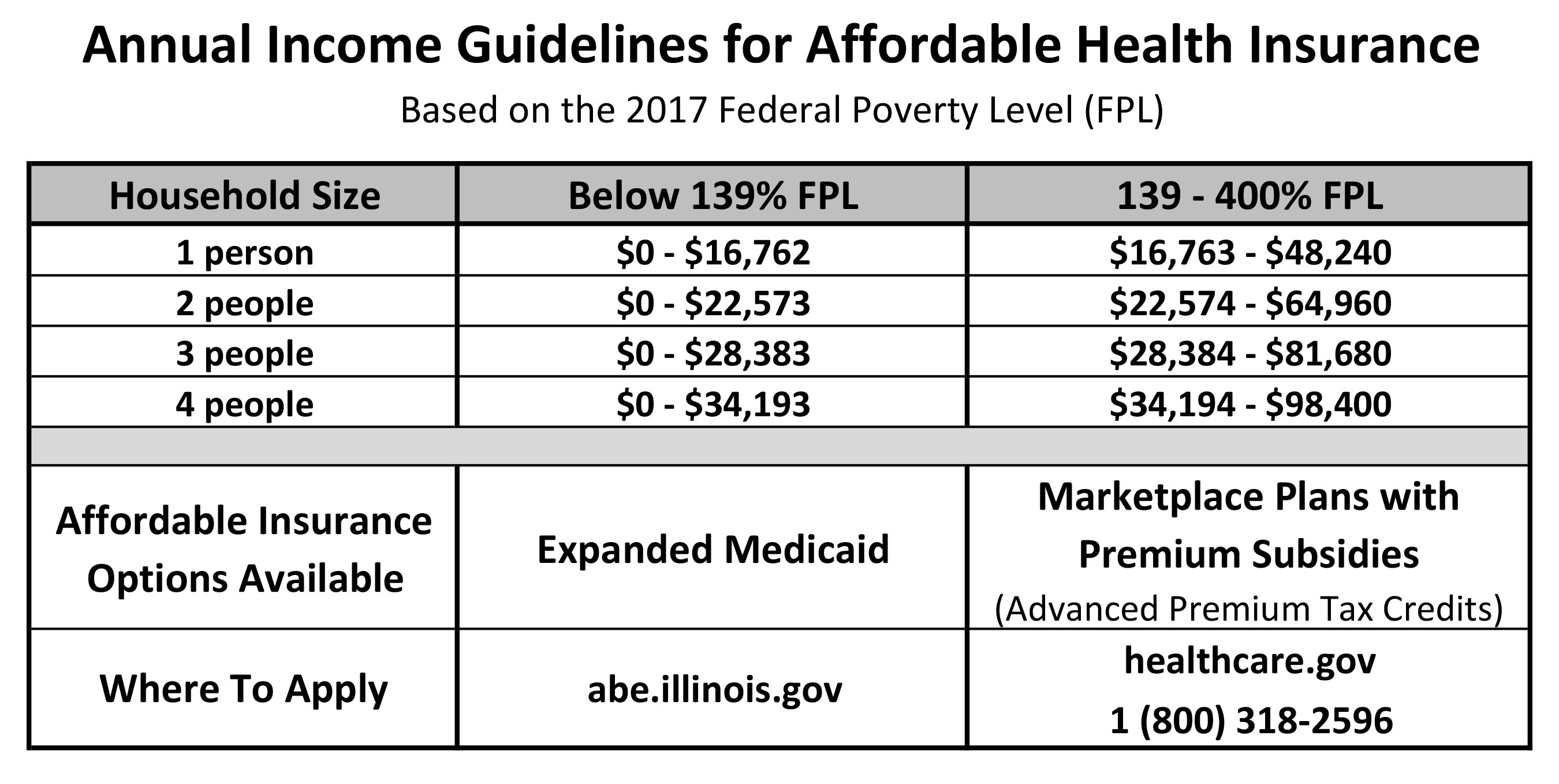
Image Gallery
Select an image to open it in a new tab.


Mateo Castillo
Decentralized Finance and E-Payments Strategist
