When a Slow Cooker Breaks: Identifying Which Parts You Should Replace

When a slow cooker fails, the decision to repair it depends on whether the damaged component is a replaceable, modular part—like a ceramic stoneware insert, a glass lid, or a removable power cord—or an internal electrical failure that renders the base unit unsafe or irreparable. Most consumer-grade slow cookers are designed as integrated, non-serviceable appliances; therefore, you should only attempt to replace external, user-serviceable parts, while electrical base failures usually necessitate a full replacement for safety reasons.
Understanding the Anatomy of a Slow Cooker
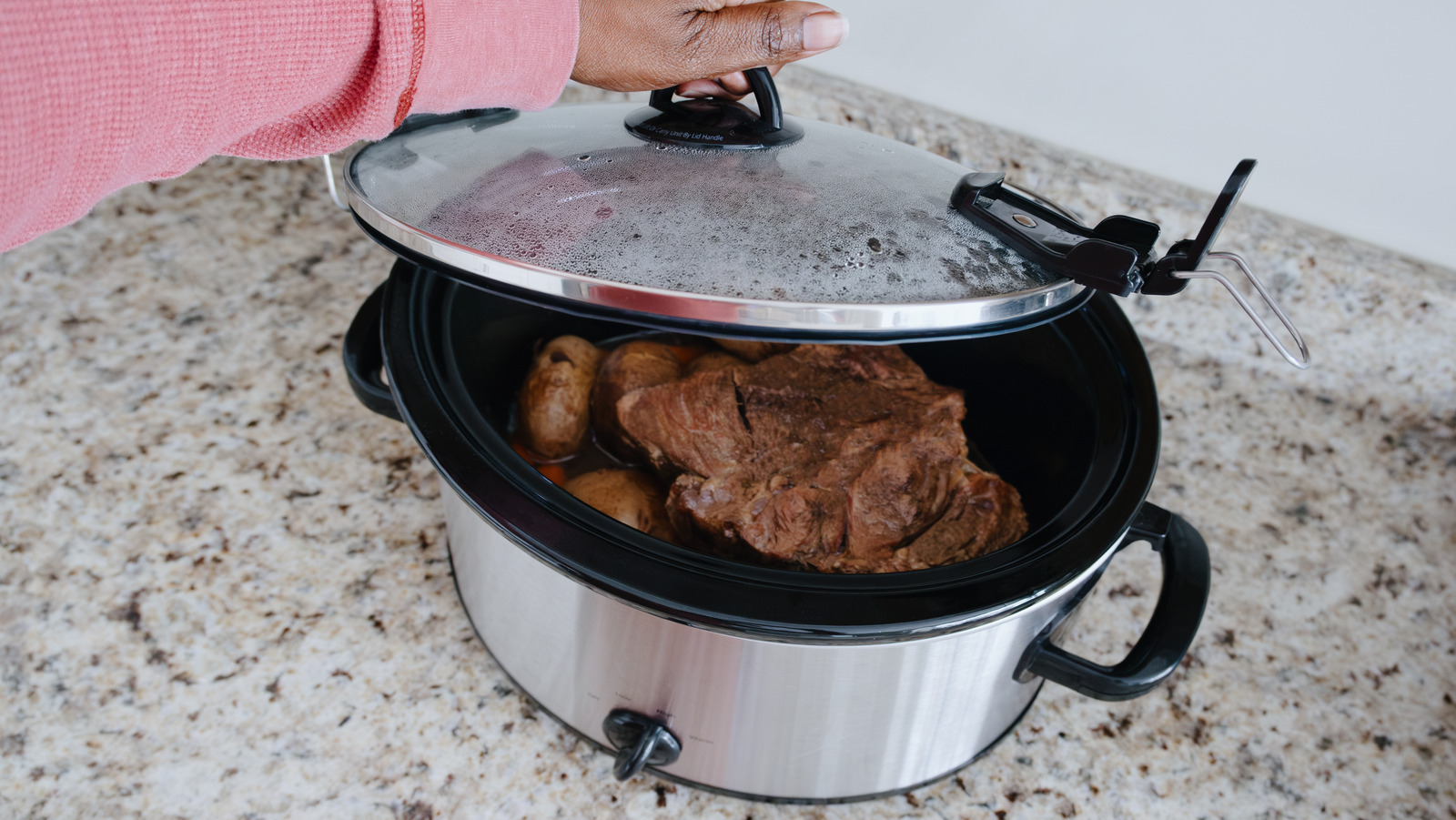
To determine if your slow cooker is salvageable, you must first distinguish between the components that are designed for replacement and those that are sealed within the housing. A standard slow cooker consists of three main elements: the electrical base, the stoneware insert, and the lid.
The electrical base contains the heating element, the thermostat, the control panel (or dial), and the wiring. Because these components reach high temperatures and handle significant electrical current, manufacturers seal these bases to prevent electrical shock and fire hazards. If the heating element stops working or the control panel becomes unresponsive, it is rarely cost-effective or safe for a layperson to open the housing for repairs.
Conversely, the stoneware insert and the glass lid are considered "consumable" or "replaceable" parts. These items are subject to mechanical wear—such as dropping them on a tiled floor—and are designed to be swapped out without affecting the electrical integrity of the device.
When to Replace the Stoneware Insert
The stoneware insert is the most commonly damaged component. Because it is a heavy ceramic vessel, it is prone to cracking, chipping, or thermal shock.
Signs of Damage
- Hairline Fractures: If you notice small, spider-web-like cracks, moisture can seep into the porous ceramic during the cooking process. This can lead to bacteria growth or the crack expanding when heated, potentially causing the insert to shatter while the unit is on.
- Significant Chips: Chips around the rim can prevent the lid from forming a proper seal, leading to heat loss and longer cooking times.
- Thermal Shock Cracks: Placing a cold stoneware insert directly from the refrigerator onto a hot heating base can cause a clean, vertical crack. If your insert has cracked completely through, it is no longer safe for liquid-based cooking.
Replacement Considerations
Before purchasing a replacement, verify your model number, which is typically found on a silver sticker at the bottom or back of the heating base. Because manufacturers frequently update designs, an insert from a similar-looking model may not provide the necessary fit. A loose-fitting insert prevents efficient heat transfer from the base to the food, which can result in uneven cooking or a temperature that never reaches the required food-safety threshold of 165°F.
Addressing Lid Damage
The lid of a slow cooker is usually made of tempered glass. While it is designed to withstand high temperatures, it is not impervious to impact.
- Shattered or Cracked Glass: If the glass is chipped or cracked, it loses its structural integrity. Tempered glass is designed to break into small, granular chunks rather than shards, but even a small crack can lead to a full failure under the pressure of steam buildup. Never attempt to "repair" a cracked glass lid with adhesives; these substances are not food-safe and will release toxic chemicals when exposed to heat.
- Seal Degradation: Many modern slow cookers feature a rubber or silicone gasket around the lid to lock in moisture. If this gasket becomes brittle, moldy, or warped, it can be removed and replaced individually. Replacing the gasket is a low-cost way to restore the performance of an older unit without replacing the entire lid assembly.
The Power Cord and Connectivity
Older or high-end models sometimes feature a detachable power cord. If your slow cooker does not turn on, the cord might be the culprit.
Before assuming the unit is broken, perform a simple continuity check. Ensure the cord is pushed firmly into the base. If the cord is frayed, exposed, or the pins are bent, do not attempt a repair. These are standardized parts, but you must ensure you purchase a replacement cord that is rated for the same wattage and amperage as the original to prevent the cord from melting or causing a short circuit. If the receptacle on the base itself is loose or damaged, the internal wiring has likely pulled away from the housing, and the unit should be discarded.
When Repair Is Not an Option: Electrical Failures
If the base unit fails to heat, hums loudly, emits a burning smell, or shows signs of smoke, you are likely dealing with a failure of the internal thermal fuse or the heating element coils.
- Safety Hazards: Internal electrical components operate at high voltages. Modifying these components involves working with thermal paste, ceramic insulators, and high-heat wiring that must be perfectly calibrated.
- The Cost of Professional Repair: In 2026, the labor costs associated with a certified appliance technician typically exceed the retail price of a new, reliable slow cooker. Unless the unit is a high-end, professional-grade model with a significant retail value, repair is rarely an economically sound decision.
- Fire Risks: If you attempt an internal repair and fail to properly insulate a connection, the resulting heat buildup inside the chassis can melt the plastic housing or, in extreme cases, ignite surrounding materials.
Comparative Overview of Replaceable vs. Non-Replaceable Parts
| Component | Can It Be Replaced? | Indicators for Replacement |
|---|---|---|
| Stoneware Insert | Yes | Cracks, deep chips, leaking fluid |
| Glass Lid | Yes | Cracks, shattered glass, missing handles |
| Lid Gasket/Seal | Yes | Dry-rot, mold, warping, loss of steam seal |
| Power Cord | Sometimes | Fraying, melted insulation, loose plug pins |
| Control Board | No | Unresponsive buttons, incorrect temp regulation |
| Heating Element | No | Unit won't heat, burning smell, buzzing |
Troubleshooting Your Slow Cooker Before Replacing Parts
Before you spend money on parts, ensure the problem is not operator error or a minor environment issue.
- Check the Power Source: Plug a lamp into the same outlet to ensure the circuit has not tripped.
- Verify the Insert Position: Ensure the stoneware is sitting flat on the heating base. If there is debris or food buildup between the base and the insert, the thermostat may trigger a premature shut-off to prevent overheating.
- Clean the Connections: If your unit has a removable cord, clean the contact pins with a dry, non-abrasive cloth to remove any oxidation or buildup that might be preventing a solid electrical connection.
- Test the Temperature: If you suspect the slow cooker is running too hot or too cold, place two cups of water in the insert and heat it on "Low" for four hours. The water should reach approximately 185°F to 200°F. If it is significantly outside this range, the internal thermostat is likely failing.
Frequently Asked Questions
Can I use a different brand of stoneware if it fits my base?
It is not recommended. Different brands use different types of ceramic and thicknesses. An ill-fitting insert may not sit flush against the heating element, causing hot spots or preventing the unit from reaching a food-safe temperature.
How do I know if my slow cooker is leaking heat?
If your food is not cooking at the expected rate or the kitchen is unusually humid, your lid seal might be failing. Inspect the silicone gasket for gaps or hardened food debris. If the seal is clean and the lid still rattles, you may need a replacement lid.
Is it dangerous to use a slow cooker with a cracked stoneware insert?
Yes. Beyond the risk of the insert shattering during cooking, bacteria can grow inside the crack where high temperatures may not reach, creating a foodborne illness risk. If the crack leaks liquid, it could also enter the base and damage the electrical components.
What should I do with a broken base unit?
Since the base contains complex electronics and heating elements, do not throw it in your standard household trash. Many municipalities have small-appliance recycling programs. Check your local sanitation department’s website for "E-waste" drop-off events.
Where can I find genuine replacement parts?
Always check the manufacturer’s official website first. Many major brands maintain a dedicated "Parts and Accessories" section where you can enter your model number to see a schematic of the appliance and purchase verified components.
Final Recommendation
If your stoneware or lid is damaged, replacing those specific parts is a sustainable and cost-effective way to extend the life of your appliance. However, if the electrical base is malfunctioning, do not attempt an internal repair. Modern slow cookers are built for safety and efficiency, and tampering with the internal heating circuitry poses a significant fire hazard. In the case of base failure, treat it as the end of the unit's lifecycle and recycle the appliance responsibly.
Image Gallery
Select an image to open it in a new tab.


Lars Thomsen
Global Labor Markets and Economic Strategy Editor
