What GT-R Means in the Context of Nissan: History, Engineering, and Legacy
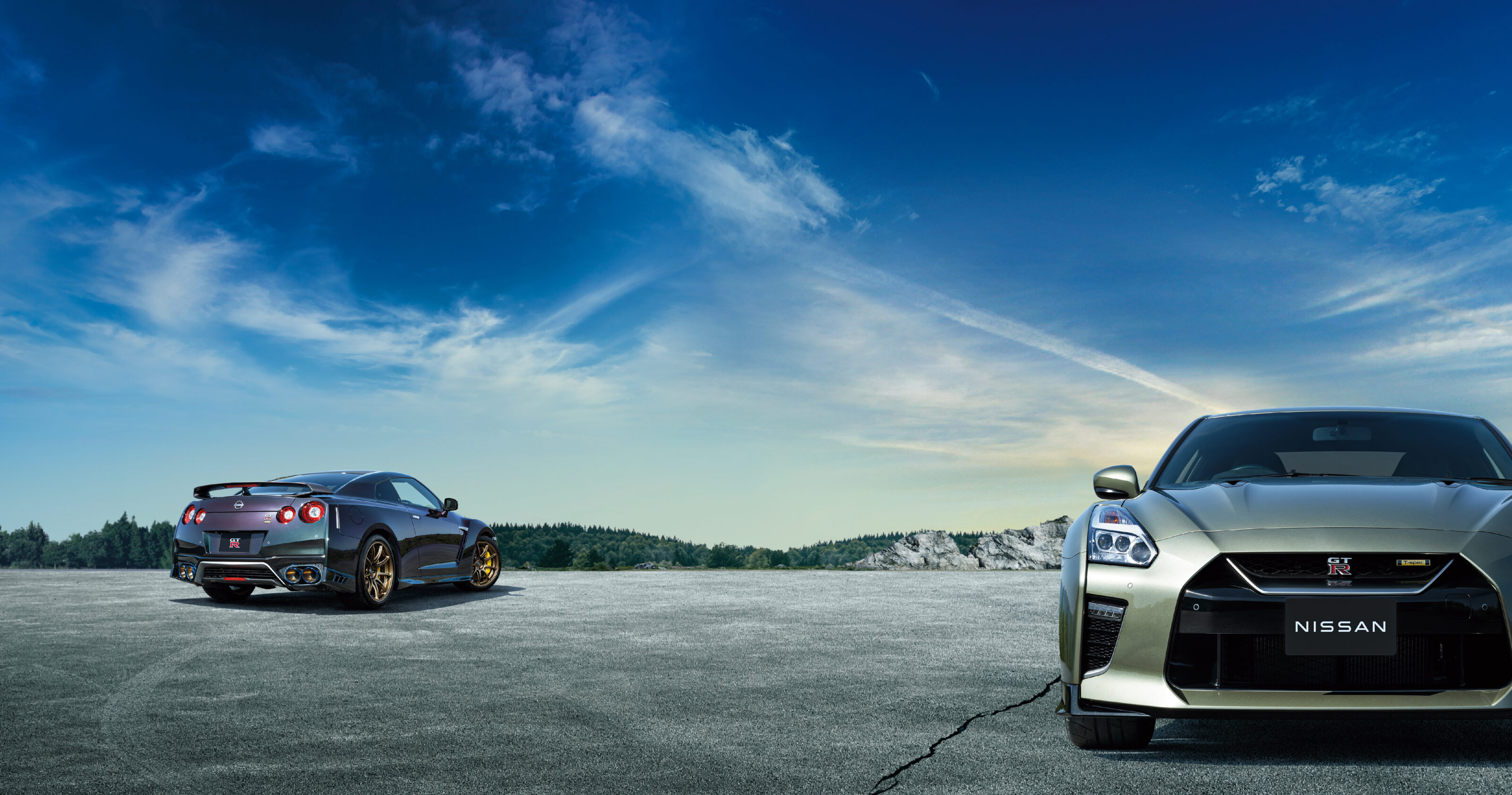
When applied to a Nissan vehicle, the designation GT-R stands for "Gran Turismo Racer," representing the absolute pinnacle of the brand's engineering prowess, motorsports heritage, and high-performance automotive manufacturing. Far more than a simple trim package or marketing badge, the GT-R nomenclature denotes a lineage of race-bred machines built to dominate both competitive motorsport circuits and public highways through advanced all-wheel-drive technology, handcrafted twin-turbocharged engines, and relentless aerodynamic innovation.
To fully understand what GT-R means in the context of Nissan, one must look beyond the badge to examine its half-century evolution from a domestic Japanese touring car champion into a globally revered supercar slayer. This exploration covers its historical origins, the mechanical principles that define its engineering, its performance legacy, and its enduring status in automotive culture.
The Origins and Evolution of the GT-R Lineage
The history of the GT-R badge dates back to February 1969 with the introduction of the first-generation Nissan Skyline 2000GT-R (internally designated KPGC10). Originally developed by engineers who inherited designs from the Prince Motor Company after Nissan absorbed the firm in 1966, this initial iteration was conceived as a road-legal racing car. Powered by a high-revving, naturally aspirated 2.0-liter inline-six engine (the S20) featuring dual overhead cams and four valves per cylinder, the early "Hakosuka" (a Japanese nickname translating to "box Skyline") immediately found success on the Japanese domestic racing scene, securing dozens of consecutive victories in touring car championships.
The lineage continued through the early 1970s with the KPGC110 generation, though strict emissions regulations and the global oil crisis cut its racing career and production run short, with only a small number produced. For nearly two decades, the GT-R nameplate remained dormant while standard Nissan Skylines continued to evolve.
The turning point for the modern global legend arrived in August 1989 with the introduction of the Nissan Skyline GT-R (R32). Developed specifically to conquer Group A racing, the R32 combined a newly designed 2.6-liter twin-turbocharged inline-six engine (the RB26DETT) with an advanced, electronically controlled four-wheel-drive system known as ATTESA E-TS (Advanced Total Traction Engineering System for All-Terrain Electronic Torque Split). The car proved so utterly dominant in domestic and international motorsport—most famously winning the Australian Touring Car Championship and the Bathurst 1000 consecutively—that Australian racing media bestowed upon it the nickname "Godzilla," because it was a monster from Japan that stomped the competition.
The R32 was followed by the evolutionary R33 and the highly refined R34 generations through the 1990s. Each iteration pushed the limits of electronic vehicle control, rigid chassis engineering, and forced-induction performance. However, because these models were manufactured primarily for the Japanese Domestic Market (JDM) with right-hand drive, they remained largely mythical exports in North America and Europe until import laws permitted, elevating their status among automotive enthusiasts worldwide.
Separation from the Skyline: The R35 Era
A major structural shift occurred in 2007 with the debut of the R35 generation. For the first time in its history, the car dropped the "Skyline" prefix entirely, becoming simply the Nissan GT-R. While previous GT-Rs were high-performance variants derived from Nissan’s mass-market sedan and coupe platform, the R35 was engineered from a clean sheet as a dedicated, standalone flagship supercar.
This shift meant a complete redesign of the mechanical layout. The traditional front-engine, inline-six configuration with a front-mounted transmission was replaced by a premium mid-front-engine layout. The engine sat further back in the chassis for optimal weight distribution, while a rear-mounted transaxle housed the dual-clutch transmission. This transaxle layout utilized an innovative twin-drive-shaft system—one carbon-composite shaft transmitting power from the engine to the rear-mounted transmission, and a second shaft sending power forward to the front wheels when needed by the ATTESA E-TS all-wheel-drive system.
| Generation | Production Years | Engine Type | Aspiration | Notable Significance |
|---|---|---|---|---|
| KPGC10 | 1969–1972 | 2.0L Inline-6 (S20) | Naturally Aspirated | The original "Hakosuka" race-bred touring car champion. |
| KPGC110 | 1973 | 2.0L Inline-6 (S20) | Naturally Aspirated | Rare "Kenmeri" generation cut short by emissions regulations. |
| R32 | 1989–1994 | 2.6L Inline-6 (RB26DETT) | Twin-Turbocharged | Introduced the RB26 engine and ATTESA AWD; earned the "Godzilla" moniker. |
| R33 | 1995–1998 | 2.6L Inline-6 (RB26DETT) | Twin-Turbocharged | Improved aerodynamics, chassis rigidity, and Nürburgring pedigree. |
| R34 | 1999–2002 | 2.6L Inline-6 (RB26DETT) | Twin-Turbocharged | The pinnacle of the classic Skyline era featuring a multi-function digital display. |
| R35 | 2007–2025* | 3.8L V6 (VR38DETT) | Twin-Turbocharged | Standalone supercar architecture, handcrafted engine build, global left/right-hand availability. |
*Note: Production timelines for regional markets varied, with North American sales concluding following the 2024/2025 model year runs.

Core Engineering Pillars of the GT-R
To understand why the GT-R holds such a revered place in automotive engineering, one must examine the specific technical principles that dictate its design and performance philosophy. Nissan designed the GT-R around several unyielding pillars: everyday usability combined with track-ready capability, electronic supremacy, and meticulous hand-assembly.
The Handcrafted VR38DETT Powerplant
In the R35 era, the traditional RB-series inline-six was replaced by the VR38DETT—a 3.8-liter, 24-valve, twin-turbocharged V6 engine. True to the artisanal heritage of the GT-R, each VR38DETT engine is built completely by hand in a sterile, climate-controlled cleanroom at Nissan’s Yokohama plant by one of a select group of master craftsmen known as Takumi. These master engine builders inspect, clearance, and assemble each component by hand, affixing a signature plaque bearing their name to the front of the engine block.
The engine features plasma-sprayed cylinder bores instead of heavy cast-iron liners, a technology derived directly from Nissan's Le Mans racing program. This reduces internal friction, improves heat transfer, and saves weight while maximizing durability under extreme boost pressures.
All-Wheel-Drive and Transaxle Layout
The secret to the GT-R's infamous ability to launch hard and corner at blistering speeds lies in its sophisticated drivetrain layout. By placing the dual-clutch transmission at the rear of the car and routing a dedicated carbon-fiber driveshaft forward to the front differential, Nissan achieved an asymmetric weight distribution that settles the rear tires under acceleration.
The ATTESA E-TS Pro all-wheel-drive system continuously monitors vehicle speed, lateral acceleration, steering angles, and slip. It can dynamically alter torque split from 100 percent rear-wheel drive to a 50:50 front-to-rear distribution in milliseconds. This grants the vehicle rear-wheel-drive agility on turn-in combined with all-wheel-drive traction on exit, allowing drivers of varying skill levels to extract immense performance safely.
Aerodynamics and Thermal Management
A GT-R is designed to function stably at speeds exceeding 300 km/h (186 mph). Its exterior styling is dictated almost entirely by wind tunnel testing rather than aesthetic trends. Every vent, duct, and spoiler serves a functional purpose:
- Front Fascia and Canards: Direct air around the front wheels to reduce drag while channeling cooling air to the brakes and intercoolers.
- Underbody Panels: Flat carbon-fiber composite panels smooth the airflow underneath the car, creating genuine downforce and venting hot air away from the differential and transmission.
- Rear Wing: Generates high-speed rear downforce without introducing excessive drag, ensuring high-speed straight-line stability on tracks like the Nürburgring Nordschleife.
Cultural Impact and the "Giant Killer" Reputation
The GT-R designation carries profound weight in automotive culture because of its historical disruption of the supercar hierarchy. Throughout the R32, R33, and R34 generations, the car proved that heavy reliance on mechanical grip, computer-managed stability, and robust forced induction could humble exotic European sports cars costing two to three times as much.
With the R35, this reputation evolved into that of a verified performance benchmark. When Nissan released the car in the late 2000s, its lightning-fast Nürburgring lap times shocked established European manufacturers. By utilizing automated launch control, immense grip, and continuous-damping adjustable suspension, the GT-R democratized ultra-high performance. It rewarded drivers with immense capability while lowering the barrier to entry for handling extreme power.
Furthermore, the GT-R became a darling of the aftermarket tuning community. The structural integrity of the engine blocks, the modularity of the electronic control units, and the robust architecture of the transmissions made them prime candidates for massive horsepower upgrades. It is common to find enthusiast-built GT-Rs producing anywhere from 800 to over 1,500 horsepower on stock or upgraded engine internals, cementing its status as an icon in modern car culture, video games, and motorsport media.
Summary of the GT-R Designation
Ultimately, what GT-R means in the context of Nissan is an ongoing commitment to uncompromised performance engineering. It represents a bridge between high-technology computing and mechanical passion—a car built to challenge the world's best sports car manufacturers on their own terms. Whether referencing a classic twin-turbo inline-six Skyline from the 1990s or the modern twin-turbo V6 supercar, the GT-R badge signifies speed, technological dominance, and an unyielding place in automotive history.
Frequently Asked Questions
What does GT-R stand for?
GT-R stands for "Gran Turismo Racer." The term combines "Gran Turismo" (grand touring, denoting a high-performance car designed for high-speed driving) with "Racer," reflecting the vehicle's direct lineage and origin as a machine built for competitive motorsport circuits.
Is every Nissan GT-R a Skyline?
No. While the first five generations of the GT-R (from the 1969 KPGC10 up to the R34 in 2002) were high-performance variants of the Nissan Skyline passenger car line, the R35 generation introduced in 2007 dropped the Skyline name entirely. The modern R35 is a standalone, dedicated flagship supercar built on its own unique platform.
Who builds Nissan GT-R engines?
R35 GT-R engines are built entirely by hand by a select group of elite master engine builders known as Takumi. Working in a cleanroom environment at Nissan’s Yokohama plant, each engine is assembled by a single craftsman, who then mounts a personalized signature plaque onto the completed engine block.
Why is the Nissan GT-R nicknamed "Godzilla"?
The nickname "Godzilla" was coined by Australian automotive journalists covering the dominance of the R32 Skyline GT-R in the 1991 Australian Touring Car Championship. The car swept the competition so thoroughly that the media labeled it a "monster from Japan," permanently tying the moniker to the GT-R lineage.
What kind of transmission does a modern Nissan GT-R use?
The R35 Nissan GT-R utilizes a rear-mounted, six-speed dual-clutch transmission (DCT) with paddle shifters. This transaxle layout pairs with a unique independent rear transaxle design to house both the transmission and the rear differential in a single unit, optimizing vehicle weight distribution.
Is the Nissan GT-R still in production?
Nissan concluded production of the R35 GT-R for various global markets, including North America, concluding with special editions such as the Skyline Edition and Takumi Edition for the 2024 model year. However, the legacy of the badge remains a cornerstone of Nissan's performance identity, with future electrification concepts currently under evaluation by the manufacturer.
To explore further, review current verified technical specifications from official Nissan archives or consult independent automotive engineering evaluations of the vehicle's drivetrain longevity and track performance capabilities.
Image Gallery
Select an image to open it in a new tab.

Omar Farooq
EdTech Innovation and Virtual Pedagogy Journalist
