
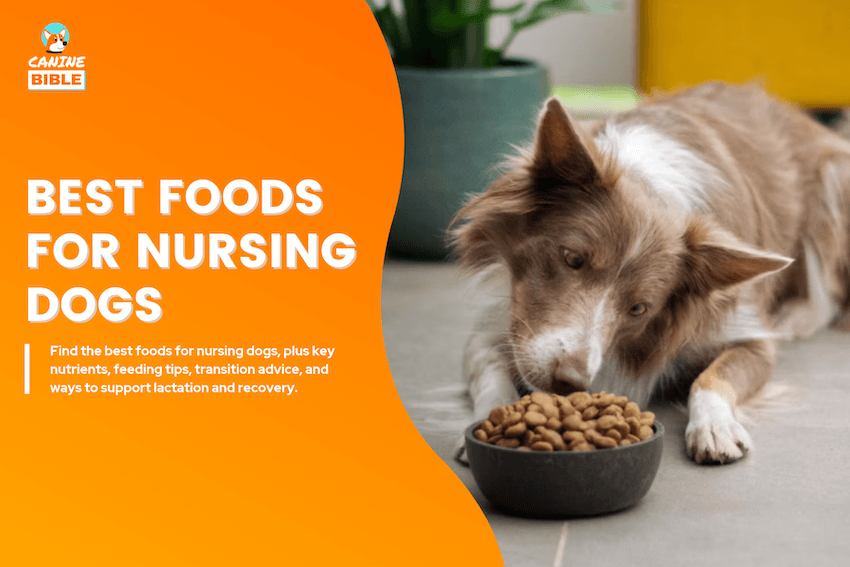
Feeding a lactating dog requires a specialized, nutrient-dense diet to support milk production, prevent severe nutritional depletion, and maintain her body condition while she nurses her puppies. Because nursing places the highest metabolic and caloric demand on a female canine during her entire lifecycle, providing the correct balance of protein, fat, calcium, and water is vital for both maternal and neonatal health.
Understanding the Nutritional Demands of Lactation
Lactation is exceptionally demanding on a mother dog’s body. During peak lactation—typically around the third and fourth weeks after birth—a nursing canine may require anywhere from two to four times her normal maintenance energy requirement. The exact caloric multiplier depends heavily on the size of the litter; a mother nursing a single puppy requires significantly fewer calories than one nursing a litter of ten.
As milk is produced, the mother's body loses massive amounts of glucose, amino acids, calcium, and fatty acids. If her diet does not adequately compensate for these losses, she will metabolize her own muscle tissue and draw calcium directly from her bones to sustain milk yield. This dangerous physiological state can lead to rapid weight loss, poor milk quality, weak puppies, and a life-threatening veterinary emergency known as canine eclampsia, or hypocalcemia.
Key Nutritional Components of a Nursing Dog’s Diet
To offset the extreme physiological toll of nursing, a lactating dog's food must possess specific structural and nutritional characteristics. Ordinary adult maintenance kibble is rarely sufficient to prevent nutritional deficits during this window.
Elevated Protein and Fat Content
Protein is essential for tissue repair, hormone regulation, and milk synthesis. Fat serves as the most concentrated source of dietary energy, allowing the mother to consume enough calories without forcing her to eat unmanageably large volumes of food. High-quality animal proteins—such as chicken, lamb, beef, or fish—combined with healthy animal fats ensure that the diet is both energy-dense and highly digestible.
Increased Calcium and Phosphorus Ratios
Calcium and phosphorus are critical for bone development in nursing puppies and for maintaining the mother's neuromuscular function. However, pet owners must be cautious: while a nursing dog needs adequate calcium, unprescribed calcium supplementation can actually trigger eclampsia by disrupting her natural parathyroid hormone regulation. A complete and balanced commercial diet formulated for growth provides the correct ratio of calcium to phosphorus naturally.
High Digestibility and Palatability
A nursing dog's stomach capacity can be physically compressed by her postpartum internal organs and the sheer volume of food she needs to process. Therefore, her food must be highly digestible, meaning her digestive tract absorbs a high percentage of the nutrients without excessive waste. High palatability is equally important, as a nursing mother can experience fluctuations in appetite due to stress, maternal responsibilities, and hormonal shifts.

Choosing the Right Type of Food
Selecting the correct bag of dog food is the most important decision a pet owner makes during this period. The golden rule of feeding a lactating canine is to switch her from adult maintenance food to a growth-formulated diet.
Growth vs. Maintenance Formulas
Dog foods are regulated and labeled according to life stages. Formulas designated for "All Life Stages" or "Growth and Reproduction" (which includes puppy food) are explicitly engineered to meet the rigorous nutritional demands of gestation and lactation.
- Puppy Food: Premium puppy kibble or canned food is typically the best choice for a lactating dog. It naturally contains higher protein, higher fat, and higher mineral content than standard adult dog food.
- Performance/Working Dog Formulas: High-energy performance diets designed for sled dogs or sporting canines can also be suitable due to their high caloric density, provided they meet Association of American Feed Control Officials (AAAFCO) nutrient profiles for reproduction.
Dry Kibble Versus Wet Canned Food
Both formats have distinct advantages during lactation:
- Dry Kibble: Offers high caloric density per cup, is easy to leave out for free-feeding, and helps support dental health through mechanical abrasion.
- Canned Wet Food: Highly palatable, contains a strong aroma that stimulates flagging appetites, and provides vital fluid intake to support abundant milk production. Mixing warm water or bone broth into dry kibble can also bridge this gap.
Nutritional Comparison for Lactating Canines
The following table compares the typical nutritional profiles required for standard adult maintenance versus the specialized demands of a lactating canine consuming a growth-formulated diet.
| Nutrient Category | Adult Maintenance Diet | Lactation / Growth Diet | Primary Purpose During Nursing |
|---|---|---|---|
| Minimum Crude Protein | ~18% - 22% | 25% - 30%+ | Tissue maintenance, milk synthesis, and amino acid supply. |
| Minimum Crude Fat | ~8% - 12% | 15% - 22%+ | Concentrated calorie delivery to fuel high energy output. |
| Calcium-to-Phosphorus | 1:1 to 2:1 | 1:1 to 2:1 (optimized) | Skeletal support for puppies and maternal muscle/nerve function. |
| Metabolizable Energy (kcal/kg) | ~3,200 - 3,500 kcal/kg | 4,000+ kcal/kg | Maximum caloric density to prevent physical weight loss. |
Feeding Schedules and Practical Management
Managing how a nursing dog eats is just as critical as what she eats. Because her body is working around the clock, her feeding strategy must adapt to her changing metabolism.
Free-Feeding vs. Timed Meals
During the first three to four weeks of lactation—when the puppies are nursing constantly—many veterinarians recommend free-feeding, meaning food is left out continuously so the mother can eat whenever she has a break from her litter. If free-feeding is not practical due to other pets in the household, feed her four to five smaller meals throughout the day.
Transitioning Back to Growth Food
Ideally, a mother dog should begin transitioning to a puppy or growth food during the final third of her pregnancy (around week five or six of gestation). This allows her digestive system and metabolic pathways to adjust before the intense energy demands of milk production begin. If she was not transitioned during pregnancy, switch her immediately following birth by blending the new food into her old food over a four-to-seven-day period to prevent gastrointestinal upset.
Hydration Requirements
Water is the primary component of breast milk. A dehydrated dog will quickly experience a drop in milk production, which directly endangers the nursing puppies. Ensure fresh, clean water is available immediately adjacent to the whelping box at all times. Adding low-sodium chicken broth, goat milk, or extra water to her meals can encourage additional fluid consumption.
Common Mistakes to Avoid
Managing a nursing canine requires vigilance. Owners often make well-intentioned errors that compromise the health of the mother or her litter.
- Relying on Adult Maintenance Food: Feeding a nursing mother standard adult dog food guarantees she will deplete her own body fat, muscle mass, and bone density to feed her puppies.
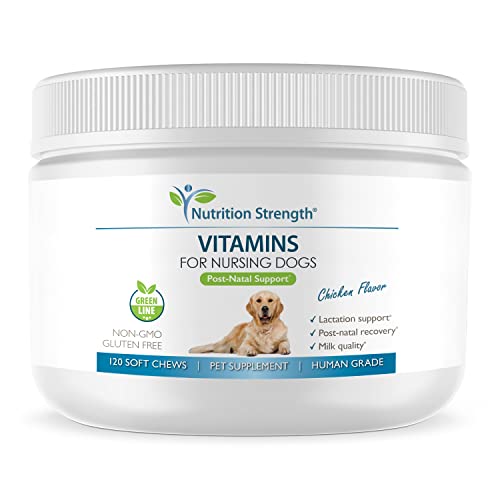
- Indiscriminate Calcium Supplementation: Adding powdered calcium or dairy products without explicit veterinary instruction can disrupt the endocrine system and induce eclampsia (milk fever).
- Allowing Excessive Weight Loss: While some weight loss is normal as pregnancy fat stores convert to milk, sharp, rapid emaciation indicates that the food is either insufficiently caloric or that the feeding volume is too low.
- Neglecting Deworming and Parasite Control: Intestinal parasites drain essential nutrients from the mother. Work with a veterinarian to ensure safe deworming protocols are maintained during nursing.
When to Contact a Veterinarian
While normal lactation involves a voracious appetite and a tired mother, certain signs warrant immediate professional intervention. Contact a veterinarian right away if the nursing canine exhibits:
- Muscle tremors, stiffness, or difficulty walking: These are classic early warning signs of canine eclampsia (hypocalcemia), which requires emergency medical treatment.
- Total loss of appetite: Refusing food for more than 24 hours postpartum can signal metritis (uterine infection), mastitis (breast infection), or severe systemic stress.
- Fever, lethargy, or painful, discolored mammary glands: These symptoms point toward mastitis, requiring antibiotics and veterinary assessment.
- Uncontrolled diarrhea or vomiting: Digestive failure prevents nutrient absorption, leaving both mother and puppies vulnerable.
Frequently Asked Questions
Can I feed my lactating dog raw food?
Feeding a raw diet during lactation requires absolute precision to ensure proper calcium-to-phosphorus ratios and complete amino acid profiles. Pathogen risk is also heightened during this vulnerable stage. If pursuing a raw diet, formulate it strictly under the guidance of a veterinary nutritionist to avoid severe nutritional deficiencies.
How much food should a nursing dog eat?
There is no single universal measurement because caloric needs scale directly with litter size. During peak lactation, a nursing dog may need up to three times her normal resting energy requirement. Monitor her body condition score: she should maintain a stable, healthy weight without showing protruding ribs or severe muscle wasting.
When should I start weaning the puppies to reduce her load?
Puppies typically begin the weaning process around three to four weeks of age, when their deciduous teeth start erupting and the mother naturally begins spending more time away from them. Gradual weaning reduces the mother's milk production demands and allows her caloric intake to be safely stepped down over a two-week period.
Should I give my dog milk or dairy products for extra calcium?
While dogs generally enjoy dairy, standard cow's milk can cause lactose intolerance, diarrhea, and digestive upset in adult canines. It is far safer and more nutritionally complete to rely on a commercially balanced puppy food rather than supplementing with dairy products.
Why is my nursing dog eating so much food?
A massive increase in appetite is entirely normal. Her body is converting massive quantities of calories into nutrient-rich milk to fuel rapid puppy growth. As long as she is digesting the food well and maintaining a stable weight, high food intake is a sign of a healthy, hard-working nursing canine.
Conclusion and Next Action
Providing the right dog food for a lactating canine comes down to choosing an energy-dense growth or puppy formula, ensuring constant access to fresh water, and tailoring feeding volumes to match the demands of her litter. Monitor her daily food consumption, watch closely for any signs of physical distress or eclampsia, and consult your veterinarian to establish a tailored feeding plan aligned with her specific breed size and litter count.
Image Gallery
Select an image to open it in a new tab.

Akira Tanaka
International Academic Trends Correspondent
