How Traffic Lights Keep Roads Safe and Efficient

Traffic lights are the backbone of modern intersection management, utilizing synchronized signaling to regulate the flow of vehicles, cyclists, and pedestrians. By assigning specific right-of-way intervals, these systems minimize high-speed conflicts, reduce congestion in dense urban environments, and provide predictable navigation for road users, ultimately serving as a primary defense against intersection-related collisions.
The Engineering Logic Behind Traffic Signals
At its core, a traffic light system is a sophisticated decision-making engine. It operates on the principle of "time-sharing" space. Rather than allowing all vehicles to occupy an intersection simultaneously—which would lead to chaotic and dangerous interactions—traffic controllers divide access by time.
Modern signals utilize a combination of sensors and pre-programmed algorithms to manage this flow. Inductive loop detectors embedded in the asphalt, video imaging systems, and radar sensors monitor real-time traffic volume. When these inputs are processed by a traffic signal controller, the system can adjust phase lengths to prevent bottlenecking. If a side street has no vehicles, the controller can extend the green light for the main thoroughfare, ensuring that traffic efficiency is maintained without unnecessary idling or delays.
Improving Road Safety Through Separation
The most critical function of a traffic light is the mitigation of "angle" or "T-bone" collisions, which are among the most lethal types of road accidents. By mandating that conflicting flows of traffic remain stationary while others move, engineers create temporal buffers that protect vulnerable road users.
The Role of Dedicated Phases
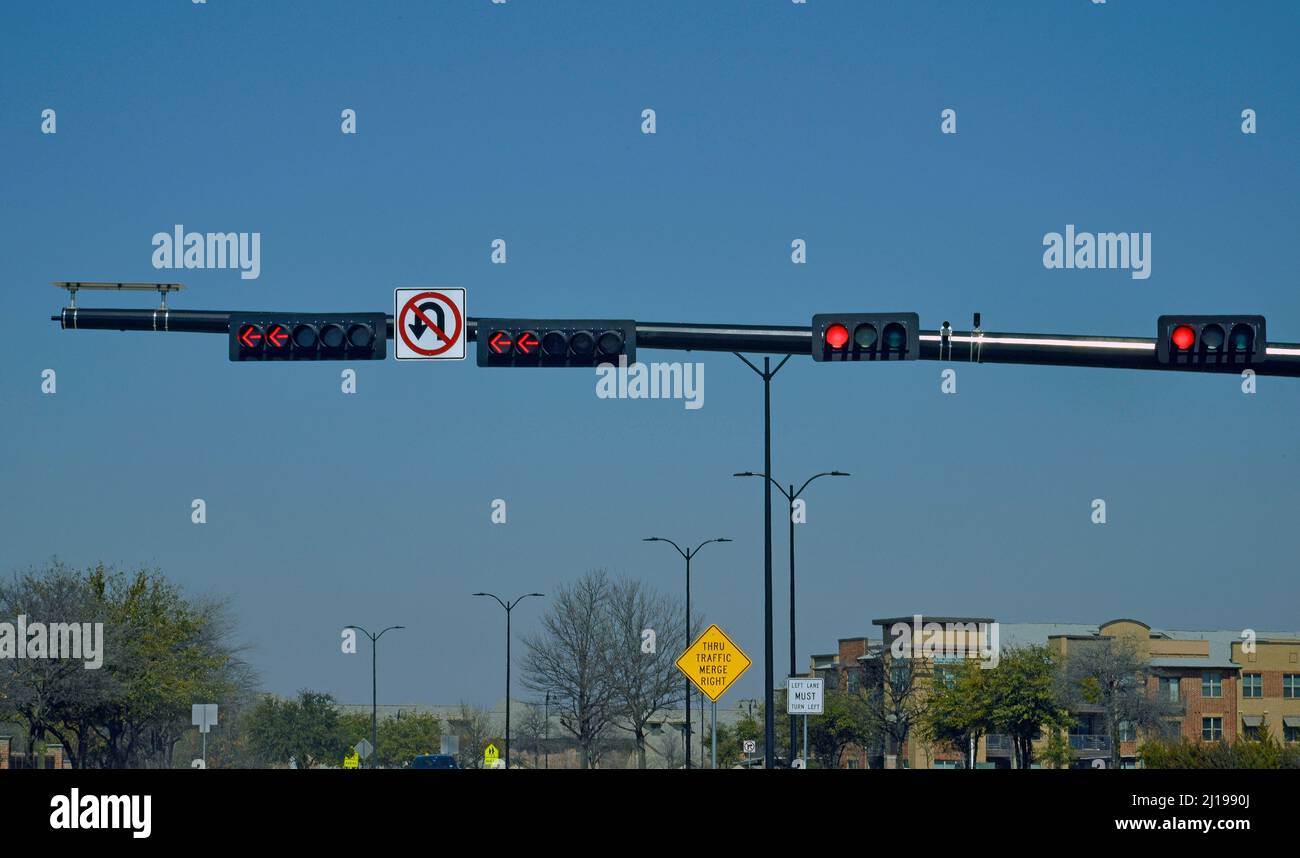
Dedicated phases for turning vehicles further enhance safety. A protected left-turn arrow, for example, eliminates the need for drivers to judge gaps in oncoming traffic while crossing multiple lanes. This significantly reduces human error, which is the leading cause of intersection accidents.
Pedestrian Safety Measures
Pedestrian safety has evolved through the implementation of Leading Pedestrian Intervals (LPI). An LPI gives pedestrians a head start by illuminating the "Walk" signal several seconds before vehicles receive a green light. This increases visibility, allowing pedestrians to enter the crosswalk and establish their presence before turning vehicles begin their maneuvers.

Efficiency Metrics and Traffic Flow Optimization
Efficiency in traffic management is defined by the reduction of "delay time"—the amount of time a vehicle spends stopped at an intersection. In 2026, urban planning relies heavily on adaptive signal control technology (ASCT). Unlike traditional fixed-time systems that follow a rigid schedule regardless of demand, ASCT systems communicate with one another to coordinate "green waves."
A green wave occurs when a series of traffic lights are timed such that a vehicle traveling at the speed limit encounters a sequence of green lights, preventing the "stop-and-go" cycle. This synchronization is vital for:
- Fuel Conservation: Reducing the number of times a vehicle must accelerate from a standstill.
- Emission Reduction: Minimizing the idling time of thousands of vehicles daily.
- Throughput Maximization: Increasing the total vehicle capacity of existing road infrastructure without needing to expand physical lanes.
Comparison of Signal Control Strategies
Understanding the various ways traffic signals operate helps clarify how different environments prioritize safety and efficiency.
| Strategy | Primary Mechanism | Best Suited For | Main Benefit |
|---|---|---|---|
| Fixed-Time | Pre-programmed cycles based on historical data. | Low-variability, steady-flow routes. | Predictability and low cost. |
| Actuated | Sensors detect presence to trigger phase changes. | Intersections with fluctuating volumes. | Reduced idling for minor approaches. |
| Adaptive (ASCT) | Real-time network-wide synchronization. | High-density urban grids. | Maximum throughput and congestion relief. |
| Pedestrian-Hybrid | Activated only by pedestrian demand. | High-speed roads with mid-block crossings. | Safer crossing on arterial roads. |
The Impact of Human Factors and Compliance
While technology continues to advance, the efficiency of traffic signals remains inherently tied to human behavior. Engineering controls, such as larger signal heads, high-visibility backplates, and countdown timers, are designed to assist drivers and pedestrians in making informed decisions.
Countdown timers, for instance, remove the uncertainty of how long a yellow or "don't walk" phase will last. This clarity prevents "dilemma zone" driving, where a motorist is forced to decide between slamming on the brakes or accelerating through an intersection that is about to change. By reducing the guesswork, these features promote smoother braking and safer stopping distances.
Challenges and Future Considerations
Despite their efficacy, traffic lights present challenges. In rural areas, unnecessary stops at traffic signals during low-volume hours can lead to driver frustration and, consequently, traffic light violations. Furthermore, the maintenance of aging infrastructure remains a significant budgetary pressure for municipalities.
As we look at the urban landscape in 2026, the integration of Connected Vehicle (CV) technology is beginning to change how signals interact with the environment. Vehicles equipped with V2I (Vehicle-to-Infrastructure) technology can receive data directly from the signal controller, displaying "time-to-green" information on the dashboard. This allows for smoother deceleration and better anticipation of signal changes, further narrowing the gap between human error and machine precision.
Frequently Asked Questions
Why do some lights change even when no one is there?
This usually occurs in fixed-time or poorly calibrated actuated systems. If a sensor has failed or if the intersection is part of a coordinated "green wave" corridor, the light must cycle to keep the entire system synchronized with downstream or upstream intersections.
What should I do if a traffic light is malfunctioning?
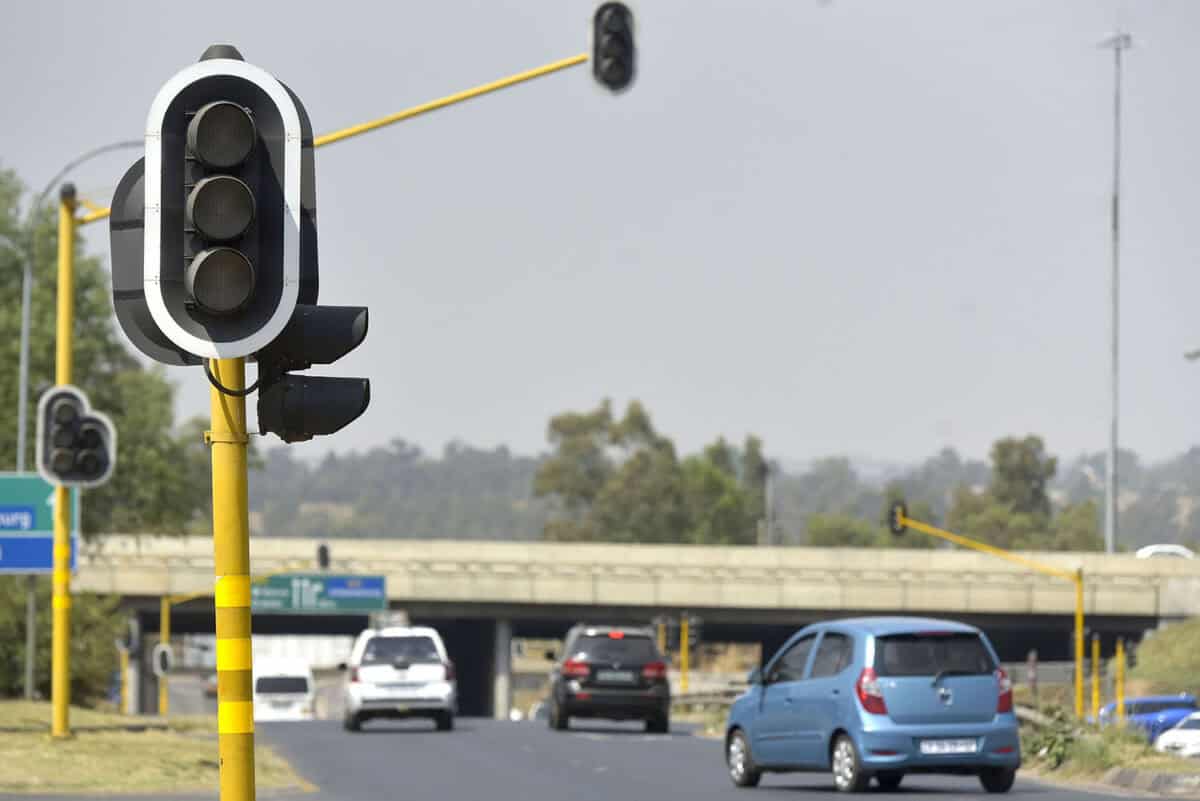
If a traffic light is flashing red or completely dark, you must treat the intersection as a four-way stop. Always exercise extreme caution, confirm that traffic from all directions has come to a full stop before proceeding, and report the outage to the local department of transportation immediately.
Are roundabouts safer than traffic lights?
Roundabouts are statistically safer for high-speed, low-volume scenarios because they eliminate the potential for T-bone collisions and force drivers to slow down. However, in high-density urban areas, traffic lights are often more efficient at moving large volumes of vehicles and managing pedestrian crosswalks effectively.
How do emergency vehicles override traffic lights?
Many cities use Preemption Systems. Emergency vehicles transmit a signal (via optical, radio, or GPS) to an installed receiver on the traffic light. The controller then prioritizes a green light for the emergency vehicle, ensuring safe passage through the intersection while safely stopping conflicting traffic.
Do traffic lights contribute to air pollution?
Yes, but they are also a solution. While stopping and starting increases emissions locally, traffic signals are essential for preventing gridlock. Without lights, stalled intersections would lead to significantly higher idle times, higher accident rates, and gridlock, which would cause far greater environmental impact than controlled stops.
What is the purpose of the yellow light?
The yellow light serves as a clearing interval. It is intended to provide enough time for a driver who has already entered the intersection, or who cannot stop safely, to clear the area before the cross-traffic receives a green light. It should never be used as a signal to accelerate.
Recommendation for Navigating Signalized Intersections
To maximize safety and efficiency, adopt a "predictive driving" mindset. As you approach a signalized intersection, observe the status of the traffic lights further down the road; if you see a wave of vehicles stopped, expect your signal to change soon. By maintaining a constant, moderate speed rather than racing to the next red light, you reduce wear on your vehicle, lower your fuel consumption, and contribute to the overall fluid motion of traffic. If you encounter a signal that appears consistently out of sync, report the location and the time of day to your local traffic authority—data-driven feedback is the primary way cities optimize their signaling networks.
Image Gallery
Select an image to open it in a new tab.
Declan O'Connor
Higher Education and Campus Culture Reporter
