Why the Heated Rivalry Sequel Is Rarely Worth the Hype: A Critical Analysis
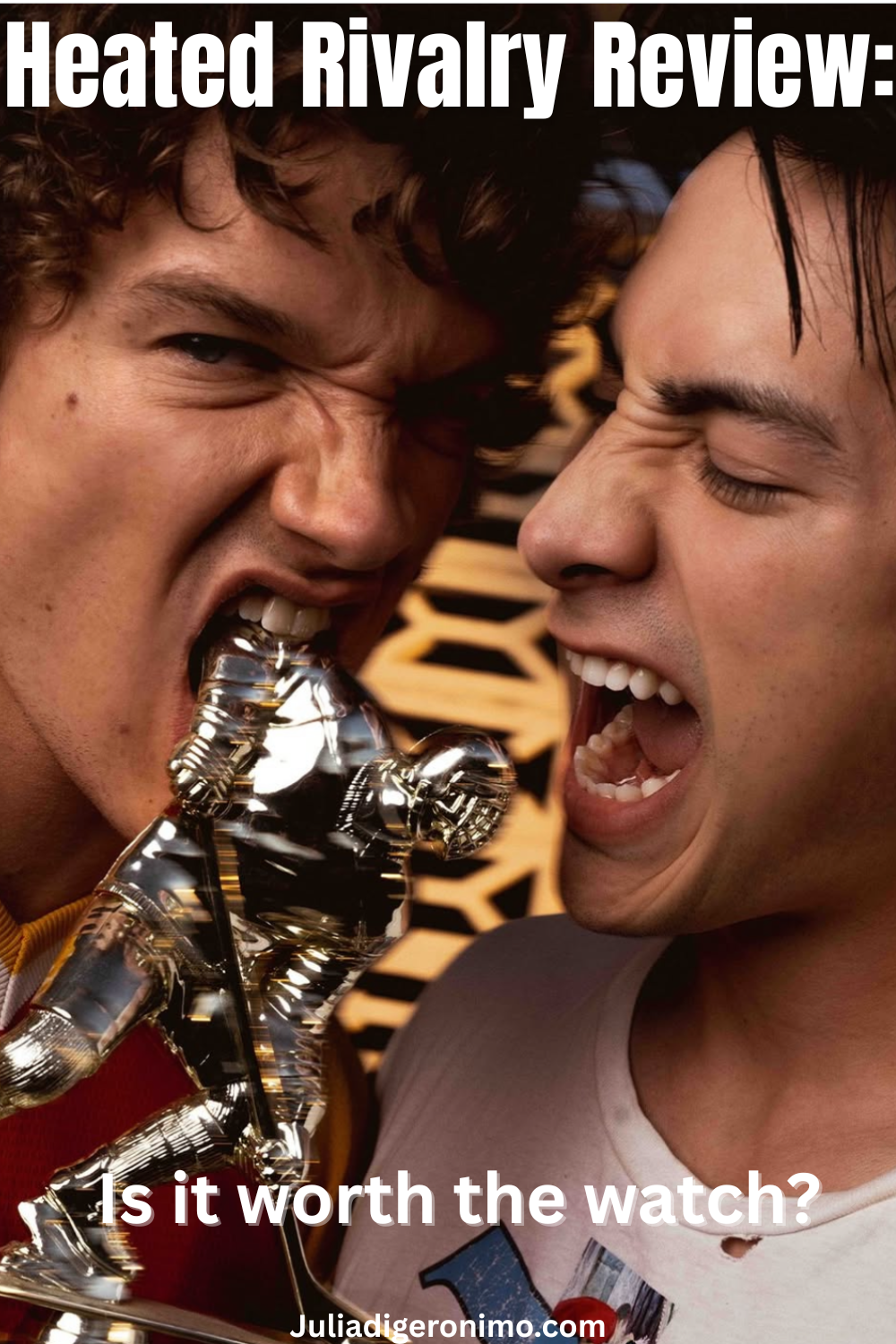
Sequels to breakout romance novels like Rachel Reid’s Heated Rivalry often struggle under the weight of fan expectations. While the original book thrived on secret encounters, intense athletic rivalry, and electric interpersonal tension, its 2022 sequel The Long Game shifts toward domestic maintenance, heavy mental health themes, and public identity struggles, leaving many readers feeling the sequel falls short of the original's magic.
The Heated Rivalry Phenomenon and the Sequel Problem
When Rachel Reid published Heated Rivalry in 2019 as part of her Game Changers series, it rapidly became a landmark text in modern LGBTQ+ sports romance. The novel captured a rare narrative balance: high-stakes athletic competition, sharp comedic banter, and a slow-burn secret relationship between two elite NHL superstars, Shane Hollander and Ilya Rozanov. Their decade-long journey from hostile rivals to deeply committed secret lovers provided a self-contained, highly satisfying romance arc that concluded with a definitive emotional payoff.
However, the overwhelming commercial and critical success of the book generated intense demand for a follow-up. When The Long Game was released in 2022, it was met with immense anticipation across romance communities, BookTok, and literary forums. Readers expected a continuation of the high-octane banter and secret passion that defined the original. Instead, they encountered a fundamentally different narrative—one focused on chronic depression, the burden of public representation, and the quiet, often tedious work of sustaining a hidden long-term relationship.
This shift highlights a persistent challenge in romance fiction: direct sequels to beloved standalone romances rarely replicate the emotional high of the original work. Understanding why requires examining narrative structure, character arcs, and the psychological mechanisms of reader expectations.
Structural Reasons Why Romance Sequels Struggle
Romance literature operates on a precise narrative contract with the reader. The core engine of a traditional romance is the journey toward emotional and romantic resolution—the transition from distance (or hostility) to commitment, culminating in a Happily Ever After (HEA) or Happy For Now (HFN). When an author writes a direct sequel featuring the same couple, that foundational structure must be re-engineered, often creating distinct narrative friction.
- Traditional Romance Arc
- Distance / Friction
- Rising Tension
- Climax / HEA
- Direct Sequel Dilemma
- Established HEA
- Artificial Conflict? OR Domestic Realism?
1. The Shift from High-Stakes Friction to Relationship Maintenance
The primary appeal of Heated Rivalry was its central trope: enemies-to-lovers combined with a secret affair. Friction was built directly into the premise. Every interaction between Shane and Ilya carried double significance: public athletic competition against private personal vulnerability.
In a direct sequel, that specific tension is inherently dissolved. Once the characters have committed to one another, the narrative can no longer rely on the "will-they-or-won't-they" dynamic. To maintain reader engagement, the author must introduce new conflict. If that conflict comes from external sources (such as media scrutiny or career logistics), the story can feel like a procedural transition. If it comes from internal friction between the couple, it risks undoing the hard-earned emotional resolution of the first book.
2. The Pacing Dilemma: Expanding a Completed Arc
A well-crafted standalone romance finishes at the peak of emotional satisfaction. Heated Rivalry concluded at a natural high point, resolving the core character arcs while leaving the future open-ended.
Extending that story into a second novel requires expanding what was fundamentally an epilogue into a full-length book. The Long Game spans over 400 pages, necessitating slower pacing and extensive internal monologues. For readers accustomed to the tight, episodic structure of Heated Rivalry—which tracked a decade of brief, intense encounters across multiple cities—the slower, localized pace of the sequel can feel sluggish and bloated.
3. Narrative Drift and Genre Misalignment
While Heated Rivalry was fundamentally a romantic comedy with high emotional stakes, The Long Game pivots heavily into character-driven drama dealing with clinical depression and isolation.
- Tone Shift: The tone moves from energetic and witty to somber and reflective.
- Focus Shift: The narrative shifts from romantic discovery to coping mechanisms, therapy, and institutional barriers in professional sports.
While exploring mental health and identity in professional athletics is a valid and important narrative goal, it alters the fundamental genre experience. Readers returning for the lighthearted banter and fiery chemistry of the original often experience a disconnect when presented with a heavy exploration of clinical depression.

Comparative Breakdown: Heated Rivalry vs. The Long Game
To understand why the sequel elicits such polarized reactions, it is helpful to contrast the structural, thematic, and stylistic elements of both books directly.
| Narrative Element | Heated Rivalry (2019) | The Long Game (2022) | Impact on Reader Perception |
|---|---|---|---|
| Primary Trope | Rivals-to-lovers, secret lovers, sports rivalry | Established relationship, coming out, mental health recovery | Shifts the energy from external romantic tension to internal recovery. |
| Pacing & Scope | Episodic, fast-paced, spans 10 years of brief encounters | Linear, slow-paced, focuses on a concentrated timeframe | Reduces the urgency and momentum present in the original. |
| Central Conflict | Emotional denial, fear of vulnerability, competitive pride | Clinical depression, public disclosure, career sacrifices | Replaces playful friction with heavy real-world trauma and anxiety. |
| Character Dynamic | Sharp, sarcastic banter; intense physical connection | Protective, caretaking, reflective domesticity | Comforting for some, but lacks the spark that defined their early interactions. |
| Secondary Characters | Minimal, strictly focused on the central couple | Expanded role for teammates, agents, and family members | Broadens the world, but dilutes the intense focus on the primary duo. |
| Emotional Resolution | Triumphant realization of love and commitment | Realistic, ongoing management of life and mental health | Provides practical realism rather than a dramatic fantasy payoff. |
Psychological Factors: The "High Expectations" Trap
Beyond the structural mechanics of the text, the reception of The Long Game—and direct romance sequels in general—is heavily influenced by reader psychology and fan community dynamics.
The Impact of Hype Culture and Viral Recommendation
In the years between the release of Heated Rivalry in 2019 and The Long Game in 2022, Heated Rivalry achieved modern classic status within romance communities. Online platforms like BookTok, Reddit, and romance podcasts elevated the book to an exceptionally high standard.
When a book is widely praised as an unbeatable masterwork of its subgenre, any sequel faces an almost impossible standard. Readers do not simply evaluate the sequel on its own merits; they measure it against an idealized memory of how the original made them feel.
Nostalgia and the Fantasy of the First Read
The initial experience of reading a surprise hit like Heated Rivalry is defined by discovery. Readers do not know how the characters will navigate their obstacles, when they will confess their feelings, or how the climax will play out.
By the time a sequel arrives:
- Predictability increases: The characters' patterns, voices, and dynamics are already fully established.
- Novelty diminishes: The element of surprise is fundamentally reduced.
- Idealization sets in: Readers forget the slower chapters of the original and remember only the highest emotional peaks, making the sequel feel lesser by comparison.
When Is a Romance Sequel Worth Reading?
Despite the structural challenges, direct romance sequels are not inherently flawed. For a subset of readers, seeing a couple navigate the practical realities of life after the initial HEA is deeply rewarding. Determining whether a sequel like The Long Game is worth your time depends on your personal reading priorities.
- Decision Tree for Readers: What do you value most in a romance?
- Romantic Tension & Banter:
- Skip the Sequel: Keep the original HEA intact.
- Domestic Realism & Growth:
- Read the Sequel: Enjoy character depth & resolution.
- Romantic Tension & Banter:
Read the Sequel If You:
- Prefer Character Studies Over Plot Momentum: You enjoy deep dives into character psychology, including real-world challenges like mental illness and career transitions.
- Want Complete Closure: You feel unfulfilled by open-ended romance endings and want to see every detail of how characters integrate their lives publicly.
- Enjoy Domestic Romance: You prefer scenes of established couples managing everyday life, domestic spaces, and long-term partnership over chasing sexual tension.
Skip the Sequel If You:
- Read for High Romantic Tension: You are primarily energized by rivalry, secret affairs, sharp banter, and the thrill of initial falling in love.
- Prefer Lighthearted Escapism: Heavy depictions of chronic depression, anxiety, and institutional homophobia diminish your enjoyment of romance fiction.
- Consider the Original Ending Complete: You feel that Heated Rivalry provided a perfect, definitive narrative arc that does not require further elaboration.
How to Approach Direct Sequels Without Disappointment
If you decide to read The Long Game or any similar direct romance sequel, adjusting your reading strategy can significantly improve your experience.
- Lower Expectations for Romantic Friction: Accept from page one that the couple is already in love. Look for growth in their partnership rather than waiting for sparks of initial friction.
- Treat it as an Epilogue Novel: Frame the book mentally as an extended epilogue or companion piece rather than a direct structural narrative equivalent to the original.
- Allow Time Between Reads: Do not binge the original and the sequel back-to-back. Reading them immediately after one another magnifies the drastic shift in tone and pacing. Taking a gap of several weeks or months allows the original to stand on its own while resetting your structural expectations.
- Focus on World-Building and Subplots: Pay attention to the broader narrative ecosystem—such as how secondary characters react and how professional environments adapt—rather than focusing solely on the couple's private interactions.
Frequently Asked Questions
Is The Long Game necessary to understand the Game Changers series?
No. Heated Rivalry stands completely on its own with a clear emotional resolution. While The Long Game provides additional closure regarding Shane and Ilya's public lives and mental health journeys, it is not essential for understanding the overall arc of the broader series.
Why do readers often say The Long Game feels so different from Heated Rivalry?
The two books belong to different sub-genres of romance. Heated Rivalry is a high-stakes, fast-paced rivals-to-lovers romantic comedy. The Long Game is a slower, character-driven domestic drama focusing on mental health recovery, coming out in professional sports, and long-term commitment.
Does the sequel ruin the Happy Ever After (HEA) of Heated Rivalry?
It depends on reader perspective. The sequel does not break the couple up or invalidate their love, but it introduces real-world hardships—such as Ilya's severe depression and the stress of public disclosure—that challenge the ideal, romanticized closure of the first book.
Are direct romance sequels always less popular than original books?
In general, yes. Direct romance sequels that follow the same couple typically receive lower average engagement and more divided reviews than the original books. This occurs because the initial romantic tension has been resolved, leaving the sequel to rely on external conflict or domestic drama, which appeals to a narrower segment of readers.
Can I read The Long Game without reading Heated Rivalry first?
It is strongly discouraged. The Long Game relies almost entirely on the emotional foundation, shared history, and character dynamics established in Heated Rivalry. Without that context, the sequel's pacing will feel excessively slow and the character motivations unearned.
Final Verdict and Recommendations
Direct romance sequels like The Long Game face a steep uphill battle. By shifting the story from the thrilling, high-stakes phase of falling in love to the quiet, complex work of staying together, they naturally part ways with much of what made the original book a viral success.
Heated Rivalry remains a masterclass in romance pacing, witty banter, and athletic rivalry. While The Long Game offers sincere emotional depth and realistic representation of mental health struggles, it rarely captures the electrifying magic of its predecessor.
If you choose to pick up the sequel, do so with calibrated expectations: expect a realistic, slow-paced exploration of long-term partnership rather than a replay of the original's fiery romance.
Image Gallery
Select an image to open it in a new tab.


Omar Farooq
EdTech Innovation and Virtual Pedagogy Journalist
