What Makes Northern California Auto Insurance Different

Northern California auto insurance is shaped by a unique combination of regulatory frameworks, heightened environmental and climate risks, distinct geographical driving conditions, and volatile regional litigation costs. While auto insurance in California is governed statewide by the California Department of Insurance and Proposition 103, motorists in the Northern region face distinct underwriting pressures that influence policy availability, pricing structures, and coverage choices compared to Southern California or other states.
Regulatory Foundations: Understanding Proposition 103
To understand why auto insurance in Northern California behaves the way it does, one must first look at the state-level regulations that bind all insurers operating within California's borders. The single most defining factor of California auto insurance is Proposition 103, passed by voters in 1988.
Under Proposition 103, insurance companies cannot freely change their rates or introduce new policy forms without prior approval from the California Department of Insurance (CDI). Insurers must submit formal rate filings that justify any pricing adjustments based on actuarial data. Furthermore, Proposition 103 dictates that the rating factors insurers use must prioritize specific elements:
- The insured’s driving safety record (accidents and violations).
- The number of miles driven annually.
- The number of years of driving experience.
Other optional factors, such as vehicle type or zip code, play a secondary role compared to these primary factors. However, the geographic factor still allows insurers to account for localized risks. This means that while a driver in Redding shares the same statewide regulatory framework as a driver in San Francisco, their localized risk profiles—and thus their final premium calculations—can diverge significantly due to regional driving environments.
Environmental and Climate Risks Unique to Northern California
One of the most profound differentiators for Northern California auto insurance involves the escalating frequency and severity of natural disasters. Climate and topography create severe exposure points for vehicles in this region, which directly impacts comprehensive coverage pricing and availability.
Wildfire Exposure
Northern California is home to vast forested areas, the wildland-urban interface (WUI), and communities vulnerable to catastrophic wildfires, such as the Camp Fire zone in Butte County, the Wine Country fires, and numerous regional blazes throughout the Sierra Nevada foothills and coastal ranges.
When a massive wildfire occurs, thousands of vehicles parked in driveways, garages, or along evacuation routes are frequently destroyed or heavily damaged by radiant heat, falling embers, and smoke. Smoke damage alone can ruin a vehicle's interior electronics and HVAC filtration systems, resulting in total losses or expensive repairs. Insurers factoring in these geographic accumulation risks must price comprehensive coverage to account for potential mass-loss events where hundreds of policyholders file claims simultaneously within the same zip code.
Flash Flooding, Mudslides, and Atmospheric Rivers
Northern California experiences dramatic microclimates, ranging from coastal fog belts to heavy Sierra snowfall and torrential winter atmospheric rivers. Valleys like the Sacramento Valley and low-lying coastal areas frequently face flash flooding during heavy rainfall. Furthermore, mountainous and hilly regions—such as the Santa Cruz Mountains, parts of Marin County, and the foothills of the Sierra Nevada—are highly susceptible to mudslides and rockfalls following heavy precipitation or after ground has been charred by prior wildfires.
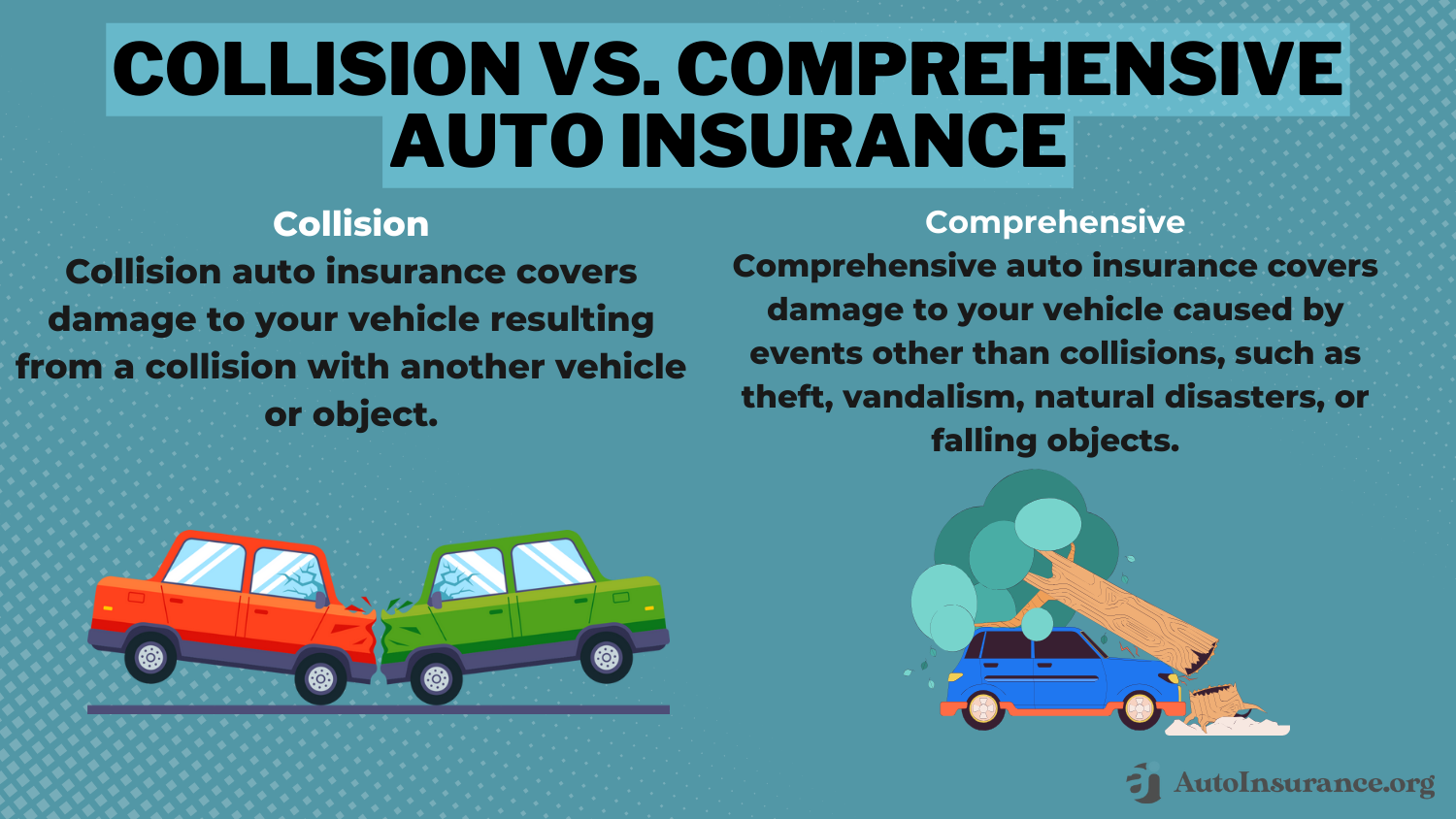
Comprehensive insurance covers damage caused by floods and falling objects (such as rocks or trees displaced by saturated soil). In regions prone to these geological and meteorological hazards, claims frequencies for hydroplaning, water damage, and structural impacts from debris are noticeably higher, influencing regional loss ratios.
Urban Density Versus Rural Expansions
Northern California features a stark geographic contrast: dense, hyper-congested metropolitan centers right alongside vast, unpaved, and remote rural stretches. This juxtaposition creates distinct underwriting challenges.
| Regional Submarket | Primary Driving Hazards | Typical Claim Types | Insurance Pricing Pressures |
|---|---|---|---|
| San Francisco Bay Area | Heavy commuter traffic, narrow streets, steep hills, high property crime rates. | Minor collisions, bumper damage, vehicle break-ins (property theft/vandalism). | High frequency of claims, high cost of labor and parts, elevated comprehensive rates for theft. |
| Central Valley (Sacramento, Fresno, Stockton) | High-speed agricultural transport corridors, heavy fog (Tule fog), long-distance commuting. | High-speed highway collisions, multi-vehicle pileups, windshield damage from debris. | Moderate to high severity accidents, moderate frequency. |
| Mountain & Foothill Regions (Sierra Nevada, Cascades) | Winding roads, steep grades, wildlife crossings, snow/ice, falling rocks, wildfires. | Single-vehicle run-off-road crashes, animal strikes (deer, bears), weather/fire loss. | High severity per claim, weather-related accumulation risk. |
The San Francisco Bay Area introduces severe exposure to property crime. Auto burglaries and catalytic converter thefts have historically been elevated in urban centers like San Francisco and Oakland. Comprehensive coverage, which handles theft and vandalism, is heavily impacted by these localized crime trends.
Conversely, rural Northern California routes—such as stretches of Highway 29, Highway 49, or Interstate 5 through rural counties—expose drivers to high-speed collisions, unlit roads, and frequent encounters with wildlife. Animal strikes require comprehensive coverage rather than collision coverage, and repairing modern vehicles equipped with advanced driver-assistance systems (ADAS) embedded in windshields and front grilles makes these repairs increasingly costly.
The Cost and Complexity of Vehicle Repairs
Vehicle repair inflation has accelerated across the board, but Northern California faces localized economic conditions that compound these costs.
Labor Rates and Shop Availability
The cost of living and operating a business in major Northern California economic hubs is among the highest in the nation. Certified auto body repair shops face steep commercial real estate leases, high municipal utility costs, and competitive wage demands to retain skilled technicians. Consequently, hourly labor rates charged by collision repair facilities in the Bay Area and surrounding metropolitan zones often outpace national averages. When an insurance carrier settles a collision claim, these regional labor variances directly dictate the payout amount.
Advanced Vehicle Technology
Modern automobiles rely heavily on sensors, cameras, radar units embedded in bumpers, and specialized aluminum or carbon-fiber body structures. Calibrating a windshield-mounted camera after a simple glass replacement requires specialized diagnostic hardware and calibrated workspace environments. In Northern California, the concentration of tech-forward consumers means a higher-than-average proportion of luxury and electric vehicles (such as Teslas and other EVs manufactured or heavily adopted in the region) on the road. Repairing these vehicles often requires manufacturer-certified facilities, proprietary parts, and specialized technicians, pushing claim severities higher.
Insurance Availability and the California FAIR Plan Alternative
One of the most pressing realities for Northern California auto insurance policyholders involves overall market availability. While personal auto insurance is widely available, the broader insurance crisis in California—driven primarily by homeowners insurance non-renewals due to wildfire risk—has created a complex property-casualty ecosystem.
While the California FAIR Plan exists as a residual market insurer of last resort for homeowners who cannot find property coverage in the voluntary market, drivers unable to secure standard auto insurance must rely on the California Automobile Assigned Risk Plan (CAARP). CAARP is designed to provide basic liability insurance to motorists who have difficulty obtaining coverage through normal channels due to driving records, accidents, or other underwriting criteria.
While CAARP ensures that every licensed driver can meet the state's mandatory financial responsibility requirements, policies obtained through assigned risk channels are typically more expensive and offer fewer optional enhancements than standard voluntary market policies.
Minimum Coverage Requirements and Recommended Additions
California state law mandates specific minimum liability limits for all registered vehicles. However, relying solely on state minimums in Northern California carries substantial financial exposure given regional economic conditions and medical costs.
Mandatory Minimum Limits
- Bodily Injury Liability: $15,000 per person / $30,000 per accident.
- Property Damage Liability: $5,000 per accident.
Why Minimums Often Fall Short
Given the high cost of medical care and vehicle replacement values in Northern California, a $5,000 property damage limit can be exhausted instantly if a driver collides with even a modest modern sedan, let alone a luxury vehicle or a multi-car pileup on a congested bridge like the Bay Bridge or Golden Gate Bridge. Similarly, a $15,000 bodily injury limit is quickly depleted in any serious accident requiring emergency medical transport and hospitalization.
Recommended Coverages for Northern California Drivers
- Higher Liability Limits: Increasing limits to 100/300/100 or higher provides a crucial financial buffer.
- Uninsured/Underinsured Motorist (UM/UIM): Despite mandatory insurance laws, a notable percentage of motorists drive uninsured. UM/UIM coverage protects you if you are hit by someone lacking adequate insurance.
- Comprehensive and Collision: Essential for covering vehicle theft in urban centers, wildfire/smoke damage, flood damage, and animal strikes in rural areas.
- Rental Car Reimbursement: Vital if your vehicle must spend weeks in a high-demand repair shop waiting for specialized parts.
Frequently Asked Questions
Does my auto insurance cover damage from Northern California wildfires?
Yes, damage caused by wildfires, windblown embers, and smoke is typically covered under the comprehensive section of your auto insurance policy, not collision. If you carry comprehensive coverage, your insurer will pay to repair or replace your vehicle (up to its actual cash value, minus your deductible) if it is damaged or destroyed by a wildfire.
Why are auto insurance rates generally higher in the San Francisco Bay Area?
Rates in the Bay Area are influenced by high traffic density, frequent commuter congestion, higher vehicle repair labor rates, and elevated rates of property crime, such as vehicle break-ins and catalytic converter thefts. Insurers factor these localized risks into their rating models while staying within the strict oversight of the California Department of Insurance.
Am I required to purchase uninsured motorist coverage in California?
California law does not legally force you to purchase uninsured motorist (UM) coverage, but state law requires insurance companies to offer it to you in writing. If you choose to decline UM coverage, you must sign a formal waiver. Given the volume of uninsured drivers on the road, insurance professionals strongly recommend maintaining UM/UIM protection.
How does Proposition 103 affect my Northern California auto insurance premium?
Proposition 103 mandates that insurance companies operating in California base their rates primarily on your driving safety record, annual mileage, and years of driving experience, rather than arbitrary demographic or geographic markers. It also requires insurers to submit all rate change requests to the California Department of Insurance for public review and formal approval before implementation.
What should I do if I am dropped by my insurer due to wildfire risk?
While homeowners insurance non-renewals driven by wildfire risk have become common in parts of Northern California, personal auto insurance non-renewals directly tied solely to wildfire risk are less common. However, if you face difficulty securing voluntary auto coverage due to your driving record or risk profile, you can access coverage through the California Automobile Assigned Risk Plan (CAARP) to fulfill state legal requirements.
Next Actions and Practical Guidance
When evaluating or updating your auto insurance policy in Northern California, start by reviewing your current declarations page to verify your liability limits. Given regional cost-of-living factors, consider raising your liability limits well above the state minimums to protect your personal assets from catastrophic litigation.
Next, assess your geographic risk profile: if you live near wildland-urban interfaces, mountain passes, or flood-prone valleys, ensure your policy includes robust comprehensive coverage with a deductible you can comfortably afford. Finally, shop your policy across multiple admitted carriers licensed by the California Department of Insurance to compare rates, keeping in mind that all rate adjustments are subject to state regulatory review under Proposition 103.
Image Gallery
Select an image to open it in a new tab.
Celine Dubois
Contemporary Living and Global Arts Columnist
