
Landing page lead generation works by directing targeted traffic to a standalone webpage designed for a single conversion goal: capturing user information in exchange for a specific value. This process utilizes a persuasive narrative, strategic design elements, and a data-capture mechanism—usually a form—to transition anonymous visitors into identifiable prospects within a marketing funnel.
Lead generation is the lifeblood of modern digital marketing. While a standard website functions as a digital brochure or a multi-room house, a landing page acts as a focused doorway. In 2026, the efficiency of this "doorway" depends on a sophisticated blend of psychological triggers, technical integrations, and data privacy compliance. Understanding how these moving parts synchronize is essential for any business looking to scale its customer acquisition efforts.
The Core Mechanism of the Lead Generation Process
The fundamental logic of a lead generation landing page rests on the principle of a value exchange. A visitor arrives with a problem or a curiosity, and the landing page offers a solution or a resource. To access this solution, the visitor must "pay" with their contact details.
The Acquisition Phase
The process begins long before a user sees the page. Effective lead generation starts with highly segmented traffic. Whether sourced from search engine marketing (SEM), social media advertising, or organic search results, the "hook" used in the advertisement must align perfectly with the headline of the landing page. This is known as message match. If a user clicks an ad for "Enterprise Cloud Security" and lands on a page about "General IT Services," the cognitive dissonance causes them to bounce, or leave the page immediately.
The Conversion Phase
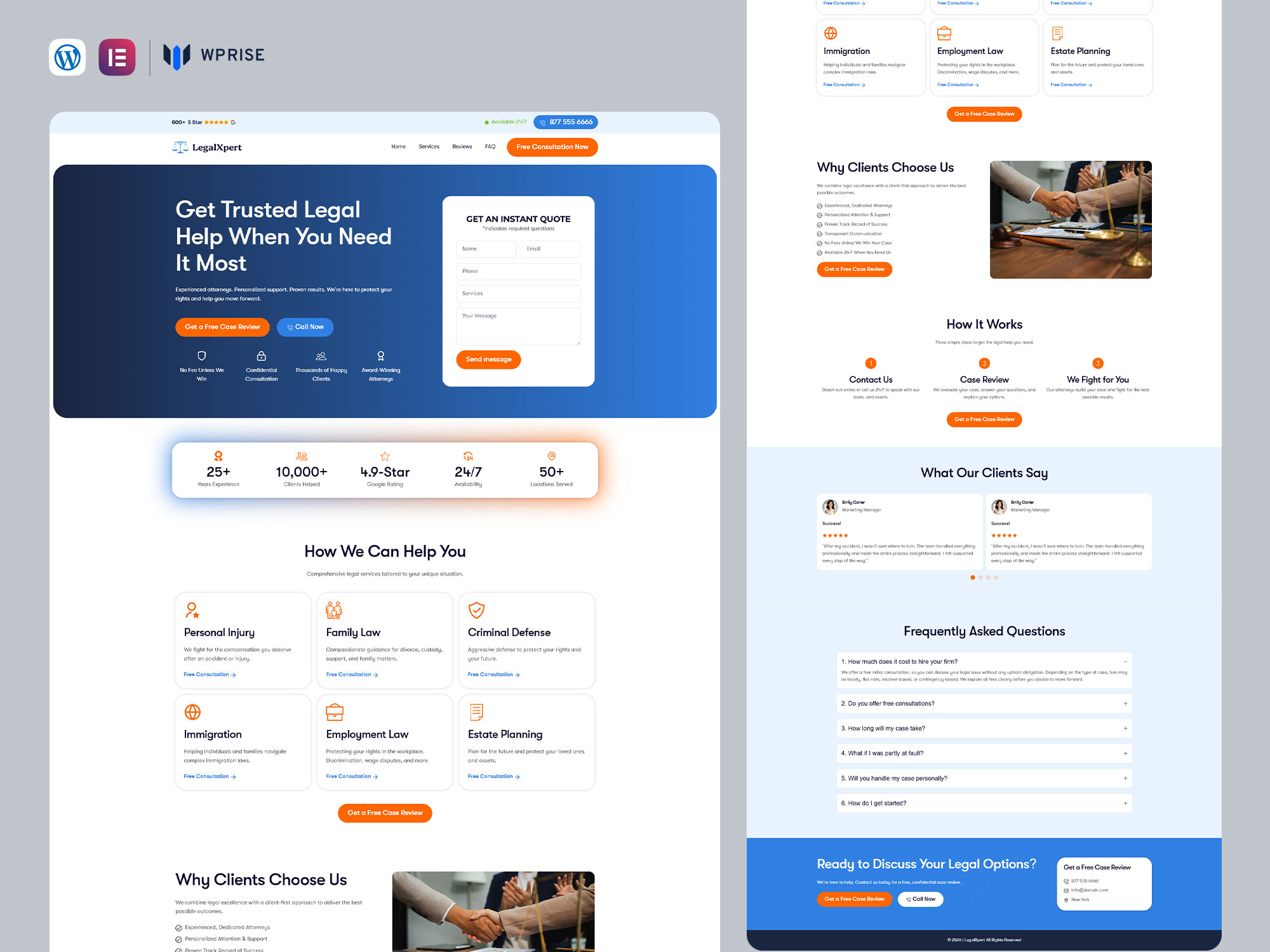
Once the visitor is on the page, the goal shifts to conversion. This is where the anatomy of the landing page—its copy, imagery, and layout—works to minimize distractions. Unlike a homepage, a lead generation page typically lacks a navigation menu. This "closed environment" ensures the visitor has only two choices: convert by filling out the form or exit the page.
The Fulfillment and Data Flow Phase
When a user submits their information, the technical backend takes over. The data is validated (checking for correct email formats or phone numbers) and then routed through a webhook or API to a Customer Relationship Management (CRM) system. Simultaneously, the user is redirected to a "Thank You" page, which serves as the fulfillment step where they receive the promised offer, such as a whitepaper download or a consultation booking confirmation.
The Anatomy of a High-Performing Landing Page
To understand how lead generation works, one must deconstruct the elements that facilitate the user's journey from stranger to lead. In 2026, these elements are more personalized and interactive than ever before.
The Hero Section and Value Proposition
The "above the fold" area—the part of the page visible without scrolling—is the most critical real estate. It must contain a compelling headline that addresses a specific pain point and a subheadline that clarifies the benefit of the offer. Visuals in this section are not merely decorative; they must provide "context of use" or evoke the emotional state the user desires to achieve.
Social Proof and Trust Signals
In an era of heightened digital skepticism, lead generation relies heavily on social proof. This includes client testimonials, logos of well-known partner companies, industry certifications, and real-time data (e.g., "Joined by 5,000+ professionals this month"). These elements work by reducing the "perceived risk" of sharing personal data with an unknown entity.
The Lead Capture Form
The form is the functional heart of the page. The mechanics of form design involve a delicate balance between friction and lead quality. A shorter form (name and email only) typically results in a higher volume of leads but lower quality. Conversely, a longer form with qualifying questions (company size, budget, timeline) reduces volume but ensures that the sales team receives highly qualified prospects. Modern pages often use progressive profiling, which remembers returning visitors and asks different questions over time to build a comprehensive profile without overwhelming the user in a single session.

Psychological Triggers in Lead Generation
The success of a landing page is often dictated by how well it leverages behavioral economics. Humans are not always rational actors; they are influenced by specific cognitive biases that marketers use to encourage action.
- Scarcity and Urgency: By highlighting a limited-time offer or a capped number of seats for a webinar, landing pages trigger the "Fear of Missing Out" (FOMO). This compels the user to act immediately rather than "thinking about it" and potentially forgetting.
- Reciprocity: This is the "give to get" principle. By providing a high-value lead magnet—like a comprehensive industry report or a free audit tool—the business creates a psychological sense of indebtedness in the visitor, making them more likely to provide their contact information.
- The Zeigarnik Effect: This principle states that people remember uncompleted tasks better than completed ones. Many lead generation pages now use multi-step forms or progress bars. Once a user starts the first step (e.g., entering their zip code), they feel a psychological urge to complete the entire process.
The Technical Backend: Post-Click Automation
What happens after the "Submit" button is clicked is just as important as the page itself. The lead generation "works" because of a synchronized tech stack.
| Component | Function | Importance in 2026 |
|---|---|---|
| Lead Routing | Directs data to specific sales reps based on geography or industry. | High: Ensures immediate follow-up when lead intent is peak. |
| Email Autoresponders | Triggers an immediate "delivery" email with the lead magnet. | Critical: Establishes the first touchpoint in the nurturing sequence. |
| CRM Integration | Stores lead data, interaction history, and source attribution. | Essential: Allows for long-term tracking of ROI and sales cycles. |
| Analytics & Heatmaps | Tracks where users click and how far they scroll. | Medium: Informs future A/B tests to improve conversion rates. |
| Retargeting Pixels | Tracks non-converting visitors to show them ads later. | High: Recovers "lost" traffic by keeping the brand top-of-mind. |
The Role of Lead Magnets
A landing page cannot generate leads without a "Lead Magnet"—the incentive offered in exchange for contact information. As we move through 2026, the effectiveness of generic "newsletters" has plummeted. Leads now demand specific, actionable utility.
- Educational Magnets: Whitepapers, e-books, and "State of the Industry" reports. These establish authority and attract users in the research phase of the buyer's journey.
- Tool-Based Magnets: Calculators (e.g., "ROI Calculator"), templates, or free versions of software (SaaS). These provide immediate value and demonstrate the product's capabilities.
- Bottom-of-Funnel Magnets: Free consultations, live demos, or discount codes. These are designed for users ready to make a purchasing decision.
Data Privacy and Compliance in 2026
Modern lead generation must operate within strict legal frameworks such as GDPR (Europe), CCPA (California), and other regional data protection acts. For a landing page to "work" legally and ethically, it must include:
- Active Consent: Checkboxes for marketing opt-ins that are not pre-checked.
- Privacy Policy Links: Transparent disclosure of how the data will be used, stored, and shared.
- Data Security: Use of HTTPS/SSL encryption to protect data during transmission.
- Right to Erasure: A clear path for leads to request the deletion of their data.
Failure to adhere to these standards doesn't just result in legal penalties; it destroys the brand trust necessary for lead generation to function effectively.
Common Mistakes That Sabotage Lead Generation
Even with a high-traffic volume, lead generation can fail if the page is poorly optimized. Understanding these pitfalls is crucial for troubleshooting.
Excessive Friction
Asking for too much information too soon is a primary reason for high bounce rates. If a user is only downloading a basic checklist, asking for their physical office address and annual revenue is disproportionate. The "ask" must match the "value" of the reward.
Slow Loading Times
In 2026, user patience is at an all-time low. A one-second delay in page load time can lead to a significant drop in conversions. Heavy images, excessive third-party scripts, and poor server response times are common culprits that break the lead generation flow before it even begins.
Lack of Mobile Optimization
A significant portion of B2B and B2C leads are captured on mobile devices. If the form fields are too small to tap, or if the "Submit" button is hidden off-screen, the lead generation process fails for a large segment of the audience.
Optimizing the Lead Generation Cycle
Lead generation is not a "set it and forget it" activity. It requires continuous refinement through Conversion Rate Optimization (CRO). This involves A/B testing different elements of the page—such as the color of the CTA button, the phrasing of the headline, or the number of form fields—to see which version performs better.
Modern optimization also involves Dynamic Text Replacement (DTR). This technology adjusts the copy on the landing page based on the search terms the user used to find the page. For example, if a user searches for "Best CRM for Real Estate," the landing page headline dynamically changes to include the phrase "Real Estate," significantly increasing the perceived relevance and conversion probability.
Frequently Asked Questions
What is the difference between a landing page and a website?
A website is a collection of pages designed for exploration, branding, and information gathering. It contains many links and distractions. A landing page is a single, focused page with one specific goal: lead generation or a direct sale. It removes navigation menus and external links to keep the user focused on the conversion task.
How many fields should a lead generation form have?
There is no universal number, but the general rule is to ask only for what is strictly necessary to follow up or qualify the lead. For top-of-funnel content (like a blog subscription), 1-3 fields are ideal. For high-value offers (like a custom quote), 5-8 fields may be appropriate to ensure the sales team has enough context to be helpful.
What is a "Thank You" page and why is it important?
A "Thank You" page appears immediately after a user submits a form. Its primary role is to confirm the action was successful and deliver the promised content. However, it is also a strategic opportunity to move the lead further down the funnel by offering a secondary "next step," such as following the company on social media or booking a demo.
Can I generate leads without a landing page?
While "Lead Gen Ads" on platforms like Facebook and LinkedIn allow users to submit info without leaving the social app, standalone landing pages are generally superior for complex products. They provide more space to educate the prospect, build trust through social proof, and offer a more branded experience that improves lead quality.
How do I drive traffic to my lead generation page?
Traffic is typically driven through three channels: Paid (Google Ads, Social Media ads), Earned (SEO, social media posts, guest blogging), and Owned (email marketing to an existing list, internal website banners). The most effective strategy usually involves a mix of these, tailored to where the target audience spends their time.
Practical Recommendations
To make landing page lead generation work for your business in 2026, start by defining a singular, high-value offer that solves a specific problem for your target audience. Ensure your page is technically sound—prioritize mobile responsiveness and lightning-fast load speeds.
Once the page is live, do not rely on guesswork. Implement robust tracking and begin A/B testing your headlines and call-to-action buttons. Most importantly, ensure your backend integration is seamless; a lead that isn't contacted within the first hour of submission is significantly less likely to convert into a customer. Focus on the transition from "capture" to "conversation" to maximize the return on your marketing investment.
Image Gallery
Select an image to open it in a new tab.


Ingrid Bjornson
Global Cyber Policy and Regulation Analyst
