What Is a Spell in Magic: The Gathering? A Complete Guide to Rules and Mechanics
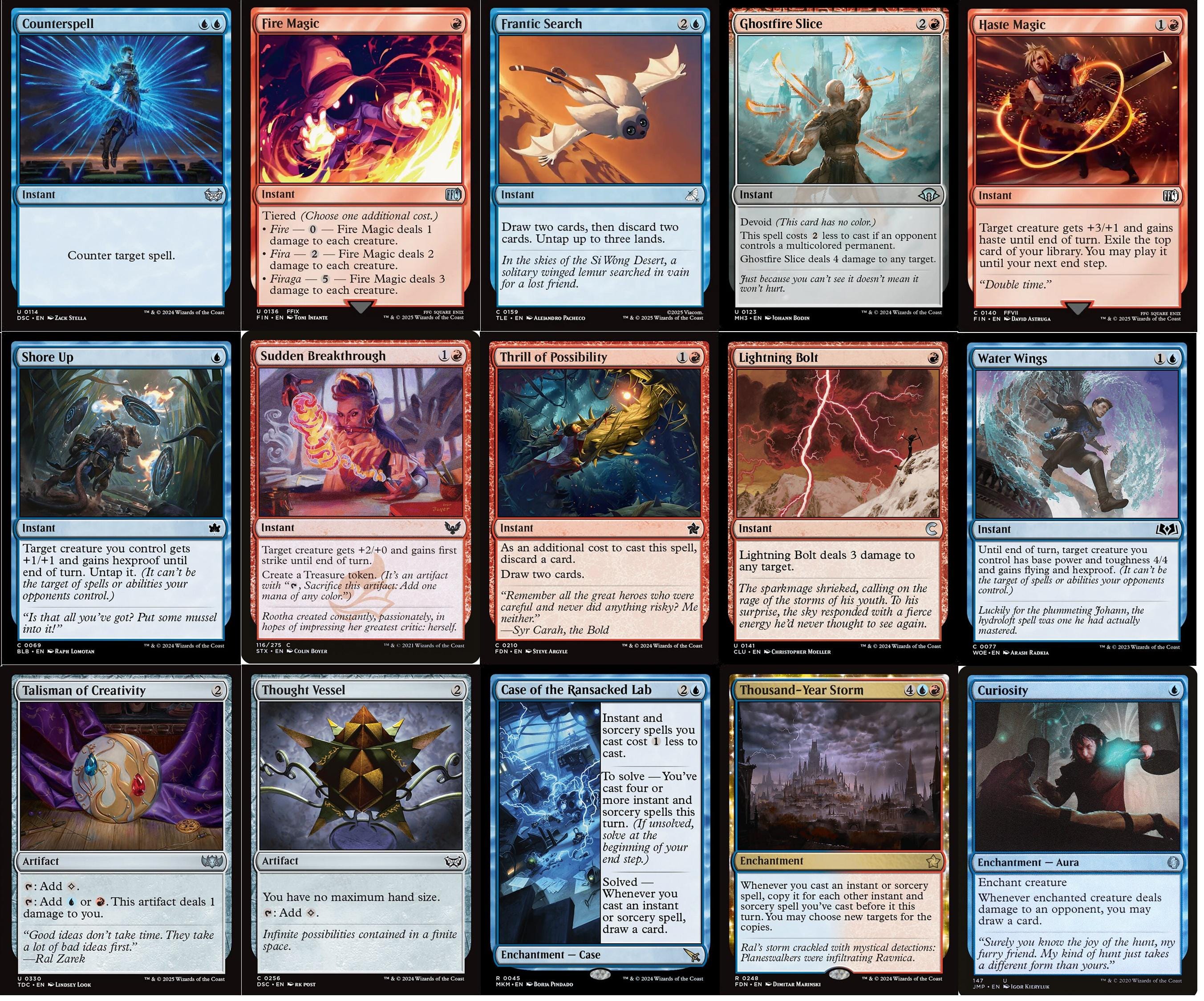
In Magic: The Gathering (MTG), a spell is any card that is currently on the "stack" after being cast and before it resolves. While most cards in your hand—such as creatures, sorceries, and artifacts—become spells the moment you pay their mana cost to play them, lands are never spells. Once a spell resolves, it either enters the battlefield as a permanent or moves to the graveyard as a one-time effect.
Understanding the technical definition of a spell is the most critical hurdle for new players transitioning into competitive or intermediate play. In the year 2026, as Magic continues to evolve with complex mechanics and new card types, the fundamental distinction between a "card," a "spell," and a "permanent" remains the backbone of the game’s Comprehensive Rules. If you misidentify a spell, you might try to use a "Counterspell" on a land or fail to trigger a "whenever you cast a spell" ability, leading to significant strategic errors.
The Life Cycle of a Spell: From Hand to Stack
To understand what a spell is, you must understand where it lives. In Magic: The Gathering, cards move through various zones: the Library (deck), the Hand, the Graveyard, Exile, the Battlefield, and the Stack.
A card only becomes a spell when it is in the process of being cast and is sitting on the stack. Before you pay the mana and announce you are playing it, the item in your hand is simply a "card." After it finishes resolving and enters the battlefield, it is a "permanent." If it is an Instant or Sorcery, it goes to the graveyard and becomes a "card" again.
1. The Act of Casting
Casting is the specific action that turns a card into a spell. According to the Comprehensive Rules (CR 601), casting a spell involves several micro-steps:
- Announcing: You take the card from wherever it is (usually your hand) and put it onto the stack.
- Choosing Modes: If the card says "Choose one," you make that choice now.
- Targeting: If the spell requires a target (like "deal 3 damage to any target"), you must choose a legal target.
- Determining Costs: You calculate the total mana cost, including any additional costs (like sacrificing a creature) or cost reductions.
- Paying Costs: You tap your lands or use other mana sources to pay the total cost.
Once these steps are complete, the card is officially a spell. It remains a spell as long as it stays on the stack.
2. Waiting on the Stack
The stack is a temporary zone where spells and abilities wait to resolve. While a card is on the stack, it is susceptible to "Counterspells" or other effects that interact specifically with spells. This is the only window where the card is technically a spell. This distinction is vital because many cards specifically say "Counter target spell." You cannot "counter" a creature that is already on the battlefield because, at that point, it is a permanent, not a spell.
3. Resolution
When both players pass priority (meaning they decline to play anything else), the spell at the top of the stack "resolves."
- Permanents: If the spell was a creature, artifact, enchantment, planeswalker, or battle, it leaves the stack and enters the battlefield. It is now a permanent.
- Non-permanents: If the spell was an instant or sorcery, its instructions are followed (e.g., "Draw two cards"), and it is then put into its owner’s graveyard. It ceases to be a spell the moment it leaves the stack.
What Counts as a Spell?
In the current 2026 meta, there are several card types, and almost all of them are spells when they are cast. If a card has a mana cost in the upper right corner, it is almost certainly a spell.
Creature Spells
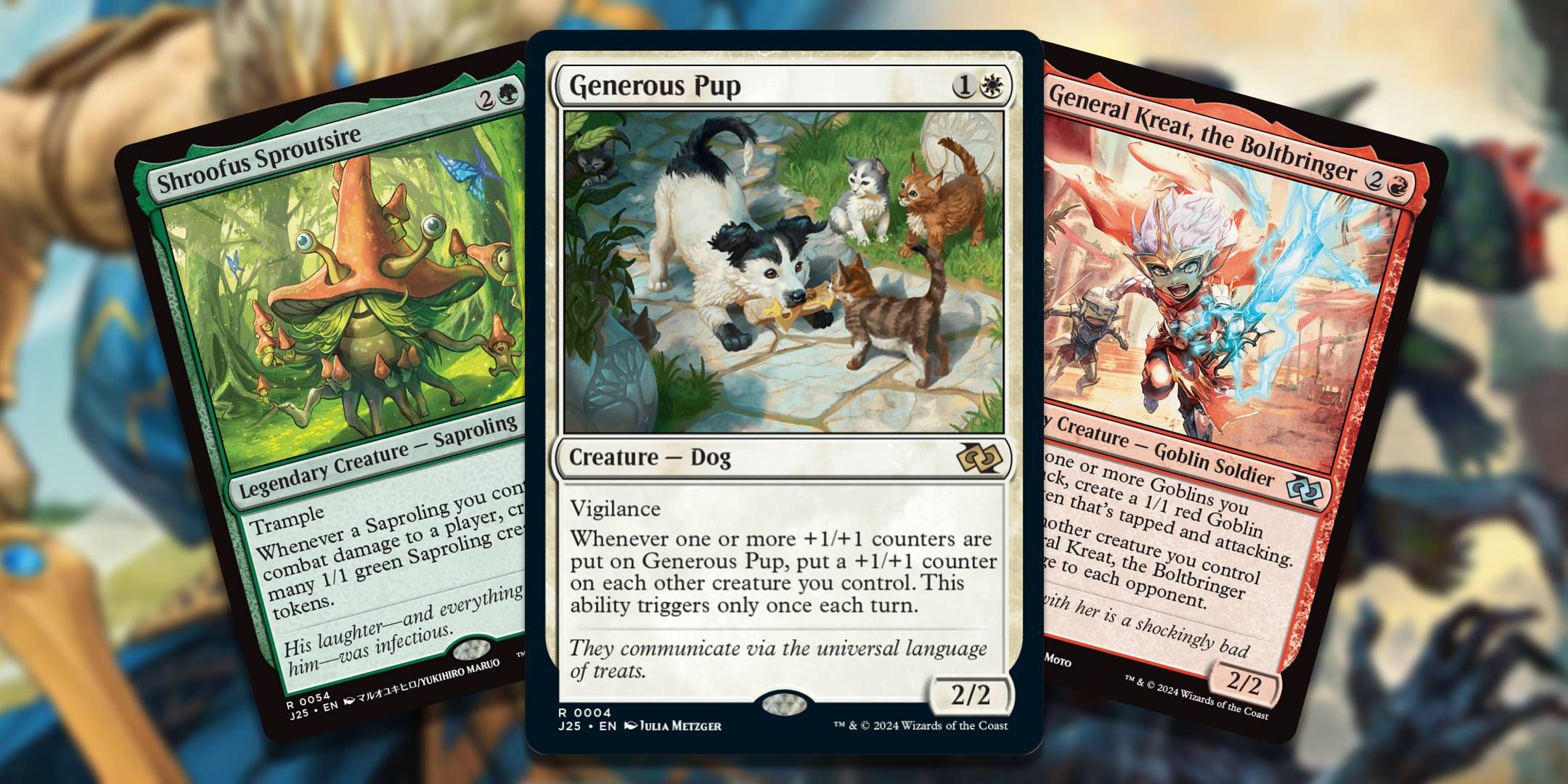
When you play a creature, you are casting a creature spell. While on the stack, it can be countered by cards like "Essence Scatter." Once it resolves, it is no longer a spell; it is a "Creature" on the battlefield.
Noncreature Spells
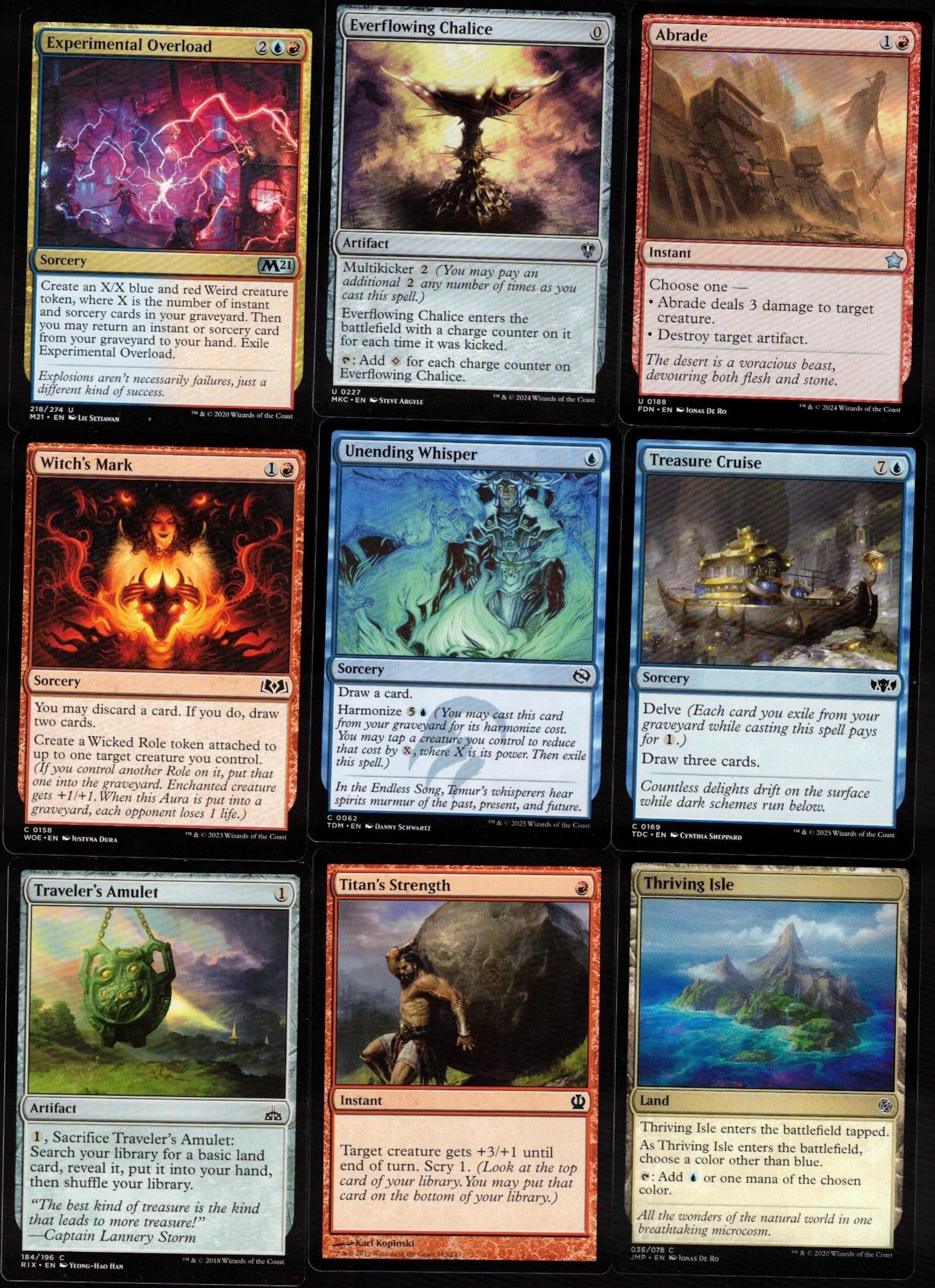
This is a broad category often referenced by cards like "Negate." Noncreature spells include:
- Sorceries: Powerful effects that can only be cast during your main phase when the stack is empty.
- Instants: Spells that can be cast at any time you have priority, even on an opponent's turn.
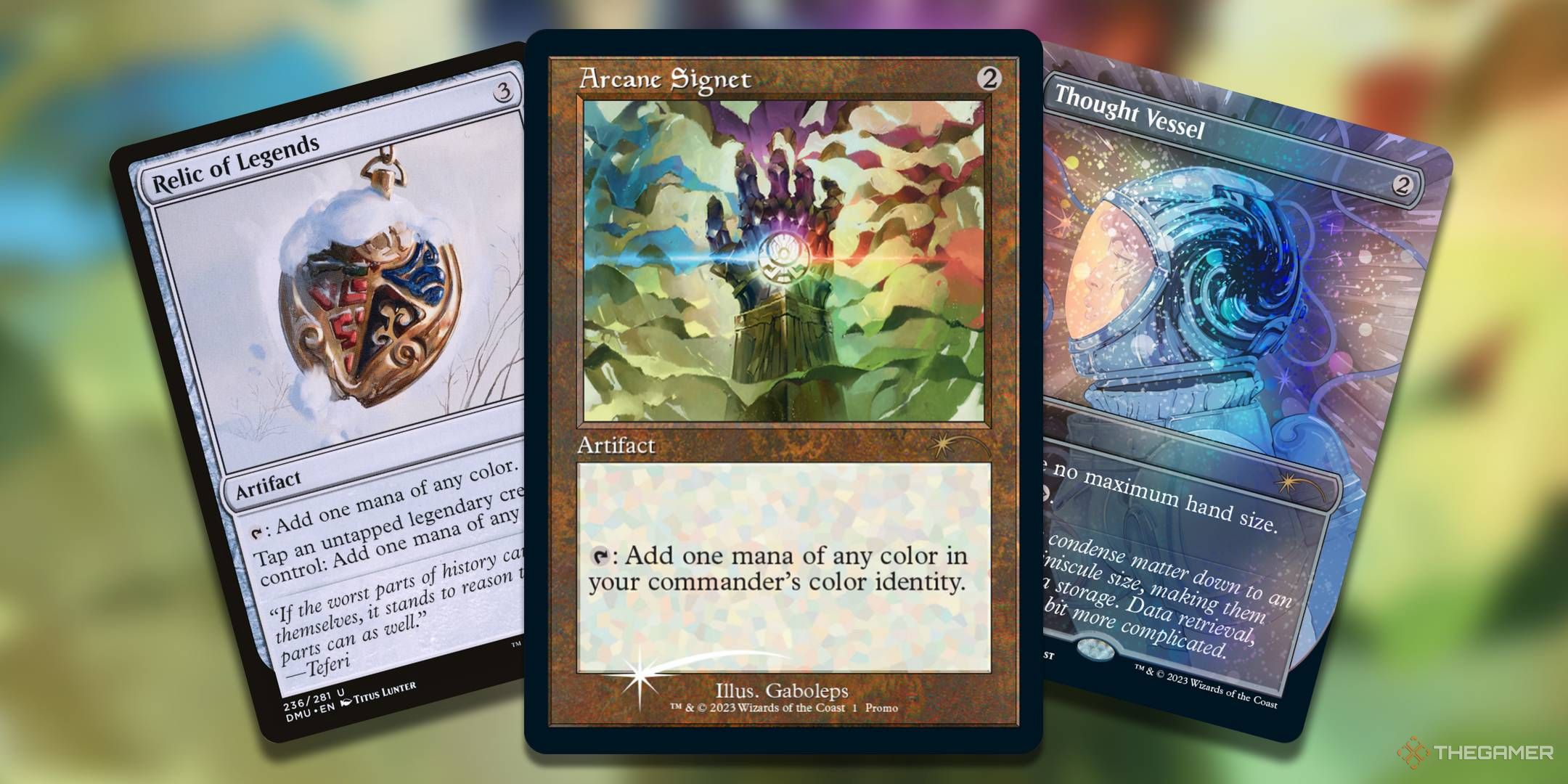
- Artifacts: Items like equipment or mana rocks.
- Enchantments: Persistent magical effects, including Sagas and Class cards.
- Planeswalkers: Powerful allies with loyalty abilities.
- Battles: A card type introduced in 2023 (and heavily expanded through 2026) that represents a siege on a specific location.
- Kindred (formerly Tribal): Cards that have a creature type but are not necessarily creatures themselves (like a Kindred Sorcery - Goblin).
Copies of Spells
Some effects, like the "Storm" mechanic or specific blue/red spells, allow you to "copy target spell." In these instances, the copy is also considered a spell on the stack, even though there isn't a physical card associated with it. Most rules that trigger "whenever you cast a spell" do not trigger for copies unless the effect specifically says "copy... and cast the copy."
The Big Exception: Why Lands Are Not Spells
The most common mistake new players make is attempting to "counter" a land or referring to a land as a spell. Lands are never spells.
According to Rule 305.1, a player may play a land card from their hand during a main phase of their turn when the stack is empty and they have a land play available. This is a special action that does not use the stack. Because it does not use the stack, it cannot be responded to, and it never becomes a spell. You simply put the land onto the battlefield.
This has several gameplay implications:
- Countering: You cannot use a "Counterspell" on a Forest or a Command Tower.
- Cast Triggers: If you have a card that says "Whenever you cast a spell, draw a card," playing a land will not trigger that ability.
- Silence Effects: If an opponent plays a spell that says "Your opponents can't cast spells this turn," you are still allowed to play a land for your turn.
Spells vs. Abilities: A Crucial Distinction
In Magic, there is a major difference between casting a spell and activating an ability.
An activated ability usually follows the format "[Cost] : [Effect]." For example, a creature might have " {R}: This creature gets +1/+0 until end of turn." When you pay the mana for this, you are not casting a spell. You are putting an ability on the stack.
Similarly, triggered abilities (which start with "When," "Whenever," or "At") are not spells. If an enchantment says "Whenever a creature enters the battlefield, you gain 1 life," that life-gain effect goes on the stack as an ability, not a spell.
While you can "counter" an ability using specific cards like "Stifle" or "Disallow," a standard "Counterspell" will do nothing against them because it specifically targets spells.
| Feature | Spell | Activated Ability | Triggered Ability | Land |
|---|---|---|---|---|
| Uses the Stack? | Yes | Yes | Yes | No |
| Can be Countered? | Yes (by Counterspell) | Yes (by Stifle) | Yes (by Stifle) | No |
| Has a Mana Cost? | Usually Yes | Sometimes | No | No |
| Triggers "Cast" effects? | Yes | No | No | No |
| Is it a Card? | Yes | No (Effect only) | No (Effect only) | Yes |
The Nuance of "Casting" vs. "Putting onto the Battlefield"
As we move through 2026, many card effects allow you to "put a creature card from your hand onto the battlefield." It is vital to recognize that this is not casting a spell.
If an effect like "Elvish Piper" allows you to pay one green mana to put a creature from your hand onto the battlefield, that creature never becomes a spell. It moves directly from your hand to the battlefield. Because it was never "cast," it cannot be countered by "Essence Scatter," and it does not trigger abilities that look for a spell being cast.
Conversely, some effects say "You may cast this card without paying its mana cost." In this case, you are casting a spell. The card goes to the stack, and it can be countered normally, even though you didn't pay any mana for it.
Technical Terms and Keyword Interactions
The definition of a "spell" interacts with several keyword mechanics that players must navigate in modern MTG formats like Commander, Standard, and Modern.
Ward
"Ward [Cost]" is a triggered ability that triggers whenever a permanent is the target of a spell or ability an opponent controls. If you cast "Murder" (a spell) on a creature with Ward 2, the Ward ability triggers. If the opponent cannot pay the {2}, your spell is countered.
Protection
Protection (e.g., "Protection from Blue") means the permanent cannot be the target of blue spells or abilities from blue sources. If a creature has protection from red, you cannot target it with a red spell like "Lightning Bolt" while that bolt is on the stack.
Prowess
Prowess is a classic keyword that says "Whenever you cast a noncreature spell, this creature gets +1/+1 until end of turn." To trigger Prowess, you must specifically cast a spell that does not have the "Creature" type. Remember, playing a land does not trigger Prowess, nor does activating a planeswalker ability.
Storm
Storm is one of the most powerful mechanics in the game. It says: "When you cast this spell, copy it for each spell cast before it this turn." This mechanic relies entirely on the count of spells cast. If you played two lands and then a spell with Storm, the count is only 1, because lands are not spells.
How to Determine if a Card is a Spell (The 2026 Checklist)
If you are unsure whether an action you are taking involves a spell, run through this mental checklist:
- Is it a land? If yes, it is not a spell.
- Am I playing it from my hand (or library/graveyard) by paying mana? If yes, it is almost certainly a spell.
- Does it go on the stack? If it can be responded to by an opponent, it is likely a spell or an ability.
- Is it an effect from a card already on the table? If it’s a "tap to do X" or "when X happens, do Y," it is an ability, not a spell.
- Am I just "putting" it into play? If a card says "put onto the battlefield," it bypasses the spell stage entirely.
Frequently Asked Questions
Can I counter a spell that was cast for free?
Yes. Whether a spell had its mana cost paid or was cast for "free" via an effect like "Omniscience" or "Cascade," it still enters the stack as a spell. As long as it is on the stack, it can be targeted by anything that says "Counter target spell."
Is a Commander a spell when it is cast from the Command Zone?
Yes. Even though the card is not in your hand, you are still "casting" your Commander. It goes onto the stack, and your opponents can use a "Counterspell" on it. If it is countered, it can usually return to the Command Zone due to the state-based rules of the format.
Are "Adventure" cards spells?
When you cast the "Adventure" half of a card (like the "Petty Theft" side of "Brazen Borrower"), it is a spell on the stack. In that instance, it is an Instant spell. If you cast the creature half, it is a creature spell. It is only ever one or the other while on the stack.
What is a "Noncreature Spell"?
A noncreature spell is any spell cast that does not have the "Creature" type. This includes Artifacts, Enchantments, Instants, Sorceries, Planeswalkers, and Battles. Even if an Artifact eventually becomes a creature (like a Vehicle after it is Crewed), it is a noncreature spell while it is on the stack.
If a spell is countered, does it still count as being "cast"?
Yes. The act of "casting" happens the moment you finish the process of putting it on the stack and paying for it. Even if an opponent counters the spell, any "whenever you cast a spell" abilities will still have triggered and will still resolve.
Recommendation for New Players
To master the mechanics of spells, we recommend practicing with the "Full Control" mode in Magic: The Gathering Arena or meticulously announcing each phase in paper play. Pay close attention to the stack. Before you move a card from your hand to the battlefield, announce: "I am casting [Card Name]." This gives your opponent a clear window to respond and reinforces the habit of recognizing the card's status as a spell.
If you are building a deck, always check the ratio of noncreature spells if you are using cards with Prowess or Magecraft. Miscalculating how many "spells" you actually have (by accidentally counting lands) is a common deck-building error that can weaken your synergy. For official rulings on specific cards, always consult the Wizards of the Coast Gatherer database or the Scryfall rules engine, which provide up-to-date card-specific clarifications as of 2026.
Image Gallery
Select an image to open it in a new tab.





Declan O'Connor
Higher Education and Campus Culture Reporter
