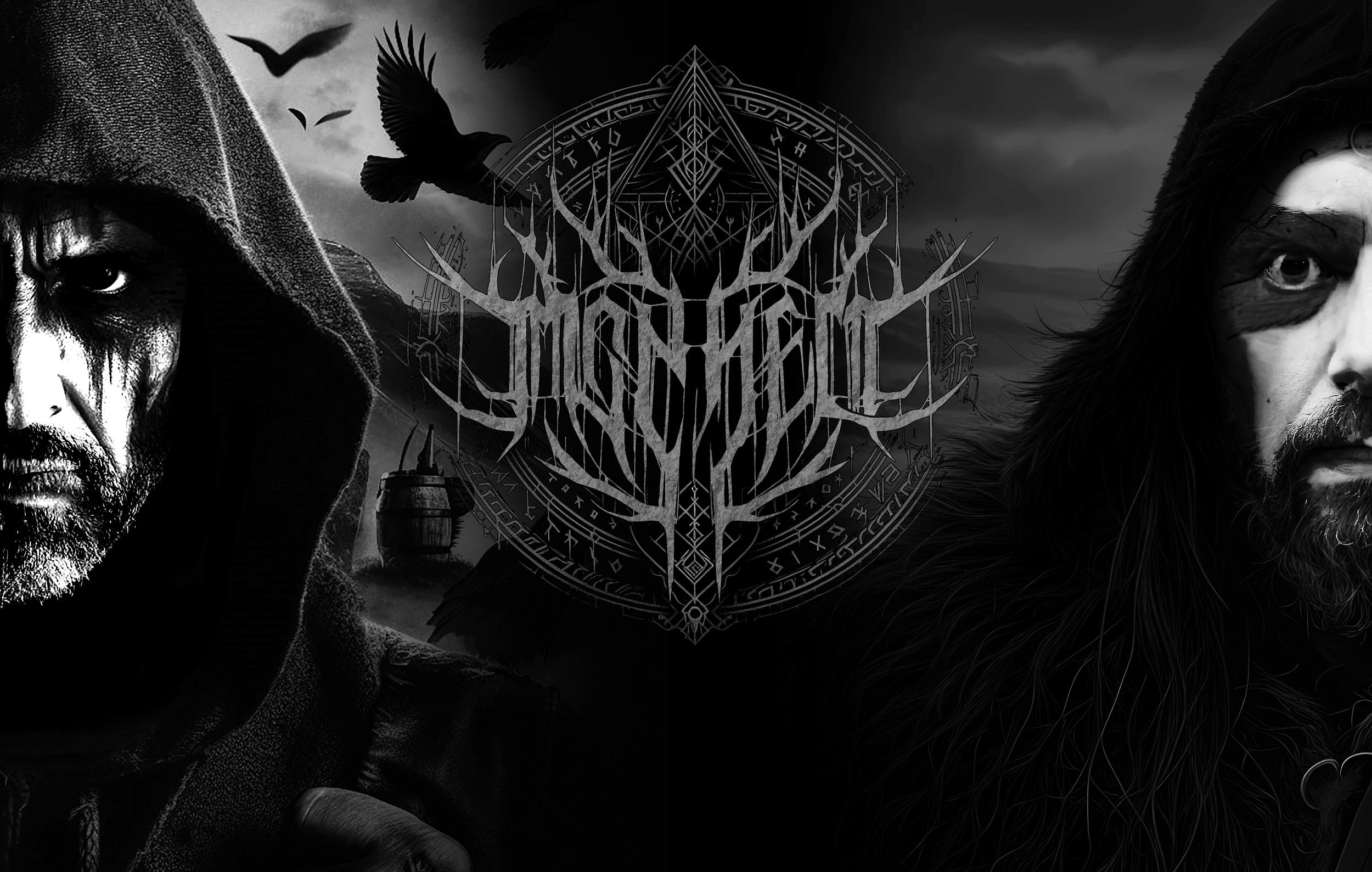
Depressive Suicidal Black Metal (DSBM) is an extreme subgenre of black metal that prioritizes themes of intense despair, isolation, and self-destruction over the traditional themes of Satanism or paganism. The "darkness" behind these bands involves a combination of genuine psychological distress, avant-garde sonic experimentation designed to evoke physical discomfort, and a controversial history of self-harming performances that challenge the boundaries of art and mental health.
Defining the Abyss: What Is DSBM?
To understand the darkness behind suicidal black metal bands, one must first distinguish the genre from its parent, the "Second Wave" of black metal. While bands like Mayhem or Darkthrone focused on external rebellion, anti-Christianity, and atmospheric frost, DSBM turned the blade inward. By the year 2026, the genre has established a long-standing legacy as the most emotionally abrasive corner of the extreme metal underground.
The core of DSBM is a rejection of hope. In musical terms, this is achieved through slow-to-mid-tempo "dirge-like" rhythms, repetitive and dissonant guitar melodies, and a vocal style that deviates from the standard "growl" or "shriek." Instead, DSBM vocalists often employ high-pitched, agonizing wails that sound more like a person in genuine physical pain than a traditional singer. This sonic choice is deliberate; it is meant to make the listener feel the weight of the performer’s perceived reality.
The darkness is not merely theatrical. For many of the genre’s pioneers, the music served as a final medium of communication before or during periods of extreme mental health crises. This blurring of the line between a musical persona and a personal tragedy is what gives the genre its haunting, often uncomfortable, reputation.
The Foundations of Despair: Strid, Bethlehem, and Burzum
The roots of DSBM can be traced back to the early 1990s. While the Norwegian scene was occupied with church burnings, a few artists began exploring the inner void.
Strid and the Birth of Minimalism
The Norwegian band Strid is often cited as the true progenitor of the DSBM sound. Their 1994 self-titled EP introduced a slower, more atmospheric approach to black metal. By stripping away the frantic speed of their contemporaries, Strid created a sense of stagnant, suffocating sorrow. The minimalism of their music forced the listener to dwell on every dissonant note, laying the groundwork for the "hypnotic" quality that defines the genre in 2026.
Bethlehem and "Dark Metal"
In Germany, Bethlehem released Dictius Te Necare in 1996. This album is legendary for the vocal performance of Rainer Landfermann. His screams were so visceral and unhinged that they became the blueprint for the "suicidal shriek." Bethlehem’s lyrics moved away from folklore and toward the clinical and the pathological, exploring themes of suicide and mental illness with a level of grit that was previously unheard of in the scene.
The Influence of Burzum’s Filosofem
Varg Vikernes’ work under the name Burzum, specifically the album Filosofem, contributed the "wall of sound" production style. The use of low-fidelity (lo-fi) recording techniques and repetitive, buzzing guitar tracks created a trance-like state. This "drone" aspect allowed future DSBM bands to create long, sprawling tracks that mimic the repetitive nature of depressive rumination.
The Trident of DSBM: Silencer, Xasthur, and Leviathan
In the early 2000s, the genre reached its creative and controversial peak through three primary entities. These artists solidified the "darkness" as a tangible, albeit terrifying, artistic movement.
Silencer and the Myth of Nattramn
The Swedish band Silencer is perhaps the most infamous name in the subgenre. Their only full-length album, Death - Pierce Me (2001), features the most extreme vocal performance in metal history. The vocalist, known as Nattramn, produced sounds that were so agonizing that rumors circulated for decades that he was cutting himself in the studio to achieve the desired effect. While many stories surrounding Nattramn (including his alleged institutionalization) have been debated or debunked as part of a carefully crafted mythos, the sheer auditory terror of the album remains a benchmark for the genre's "darkness."
Xasthur: The Sound of the Void
Based in the United States, Malefic (the sole member of Xasthur) focused on the concept of total isolation. Xasthur’s music is characterized by incredibly thick, murky production where the instruments are almost indistinguishable. This "cluttered" sound is meant to represent the feeling of being buried alive by one's own thoughts. Unlike European bands that often used nature imagery, Xasthur brought the darkness into the suburban crawl, highlighting the desolation of modern existence.
Leviathan: Complexity in Chaos
Jef Whitehead, recording as Leviathan, blended DSBM with ambient and technical black metal elements. His work, particularly The Tenth Sub Level of Suicide, is noted for its oppressive atmosphere and lyrical depth. Whitehead’s personal life, marred by legal troubles and documented struggles with instability, often bled into the music, making the "suicidal" aspect of the band feel disturbingly authentic to the listener.
Musical Characteristics and Aesthetic Markers
The "darkness" is not just a theme; it is a technical requirement. DSBM utilizes specific musical tools to achieve its atmosphere of hopelessness.
| Feature | Traditional Black Metal | Depressive Suicidal Black Metal (DSBM) |
|---|---|---|
| Tempo | Fast, blast-beat driven | Slow to mid-tempo; "dirge-like" |
| Vocals | Raspy screeches, power-oriented | High-pitched wails, sobbing, "agony" vocals |
| Guitar Style | Tremolo picking, power chords | Dissonant arpeggios, repetitive "ringing" chords |
| Themes | Satanism, War, Paganism, Anti-religion | Nihilism, Isolation, Self-harm, Death |
| Production | Raw but often aggressive/sharp | Lo-fi, muffled, reverb-heavy, "distant" |
| Song Length | 3–6 minutes | 7–15+ minutes (meant to be exhausting) |
The Ethical and Psychological Controversy
The most significant "darkness" behind these bands is the ethical dilemma they present. Unlike horror movies, where the violence is clearly fictional, DSBM often markets itself on the reality of the artist's suffering.
The Glorification of Self-Harm
Critics argue that DSBM romanticizes mental illness. Some bands, most notably Shining (from Sweden), have been known for live performances involving self-mutilation. The band's founder, Niklas Kvarforth, has stated in interviews that his goal is to "unsettle" the audience and even "encourage" negative feelings. This has led to long-standing debates within the metal community about whether such art is a legitimate expression of pain or a dangerous exploitation of vulnerable listeners.
Catharsis vs. Reinforcement
From a psychological perspective, the impact of DSBM is twofold. For many listeners, the music provides a sense of catharsis. Hearing one’s internal pain reflected in such a powerful, external medium can make the listener feel less alone. It acts as a "safety valve" for intense emotions.
However, for others, the repetitive and nihilistic nature of the music can act as a reinforcement of depressive cycles. The "no exit" philosophy of many DSBM lyrics offers no resolution or hope, which can be problematic for those in the midst of an active crisis.
The Visual Language of the Void
The darkness is also conveyed through a very specific visual aesthetic. DSBM album covers frequently deviate from the "corpse paint and spikes" look of the 90s. Instead, they often feature:
- Grainy, black-and-white photography: Capturing desolate landscapes or empty rooms.
- Medical imagery: References to hospitals, razors, or pills, grounding the "darkness" in a clinical, modern reality.
- Muffled or blurred subjects: Representing the loss of identity or the desire to disappear.
This shift in imagery moved the "scare factor" of black metal from the supernatural (demons and ghosts) to the internal (the breakdown of the human mind).
The State of the Genre in 2026
As of 2026, DSBM has moved past its "shock value" era and into a period of atmospheric refinement. While the early 2000s were defined by the genuine chaos of artists like Nattramn or Kvarforth, modern bands are more focused on the sonic architecture of grief.
Current artists often incorporate elements of "Blackgaze" (a mix of black metal and shoegaze) to add a layer of melancholic beauty to the darkness. This evolution suggests that the genre has found a way to survive by focusing on the "depressive" aspect rather than the "suicidal" extremity, though the underground still maintains a core group of artists dedicated to the rawest, most uncomfortable forms of the craft.
Frequently Asked Questions
Is the "suicidal" part of DSBM real?
While some artists have genuinely struggled with mental health and some have unfortunately taken their own lives, the term "Suicidal" in the genre name is primarily a stylistic and thematic descriptor. It refers to the lyrical content and the emotional atmosphere of the music. However, the history of the genre is inextricably linked to real-world tragedies, which is why it is treated with such gravity.
Why would someone listen to music that is intentionally depressing?
For most fans, the appeal lies in the emotional honesty and the sense of catharsis. Extreme music often serves as a mirror for extreme emotions. Listening to DSBM can be a way to process sadness in a controlled environment, providing a sense of solidarity with the artist's expressed pain.
Are all DSBM bands solo projects?
A significant portion of them are. Because the themes are so personal and the recording process often requires a specific, isolated headspace, many of the genre's most famous names (Xasthur, Leviathan, Nortt) are "one-man bands." This adds to the "isolation" theme inherent in the music.
Is DSBM illegal or banned?
The music itself is not illegal. However, specific performances (like those involving self-harm or illegal acts on stage) have been banned in various jurisdictions. Some streaming platforms may also flag or restrict content that explicitly promotes self-harm, though most DSBM is categorized as artistic expression.
What is the difference between DSBM and "Emo" music?
While both deal with sadness, the execution is vastly different. Emo is rooted in hardcore punk and indie rock, often focusing on relational heartbreak and melodic accessibility. DSBM is rooted in extreme metal; it is intentionally abrasive, uses non-traditional song structures, and focuses on existential despair rather than situational sadness.
Practical Guidance for New Listeners
If you are exploring the darkness behind suicidal black metal bands for the first time, it is important to approach the subgenre with an awareness of its intensity.
- Start with the Atmosphere: Instead of diving into the most extreme vocal performances, start with "Atmospheric Black Metal" bands like Agalloch or early Ulver to get used to the melancholic side of the genre.
- Contextualize the Art: Remember that much of the "mythology" (especially regarding bands like Silencer) is a mix of performance art and extreme marketing.
- Monitor Your Mental Health: Given the nature of the lyrics and sounds, be mindful of how the music affects your mood. If the "darkness" becomes overwhelming rather than cathartic, it is important to take a break and seek out more positive stimuli.
- Explore the Technical Side: Appreciate the genre for its avant-garde approach to production and vocal techniques, which have influenced many modern metal and ambient artists.
For those interested in the historical and academic study of extreme subcultures, resources like Encyclopaedia Metallum provide extensive databases on the discographies and histories of these bands. For a deeper look into the culture of metal, Decibel Magazine often features long-form interviews with the architects of the genre.
Image Gallery
Select an image to open it in a new tab.
Simon Caldwell
Enterprise Technology and Systems Editor
