Navigating E-Commerce in the Philippines: Market Dynamics, Infrastructure, and Operational Requirements

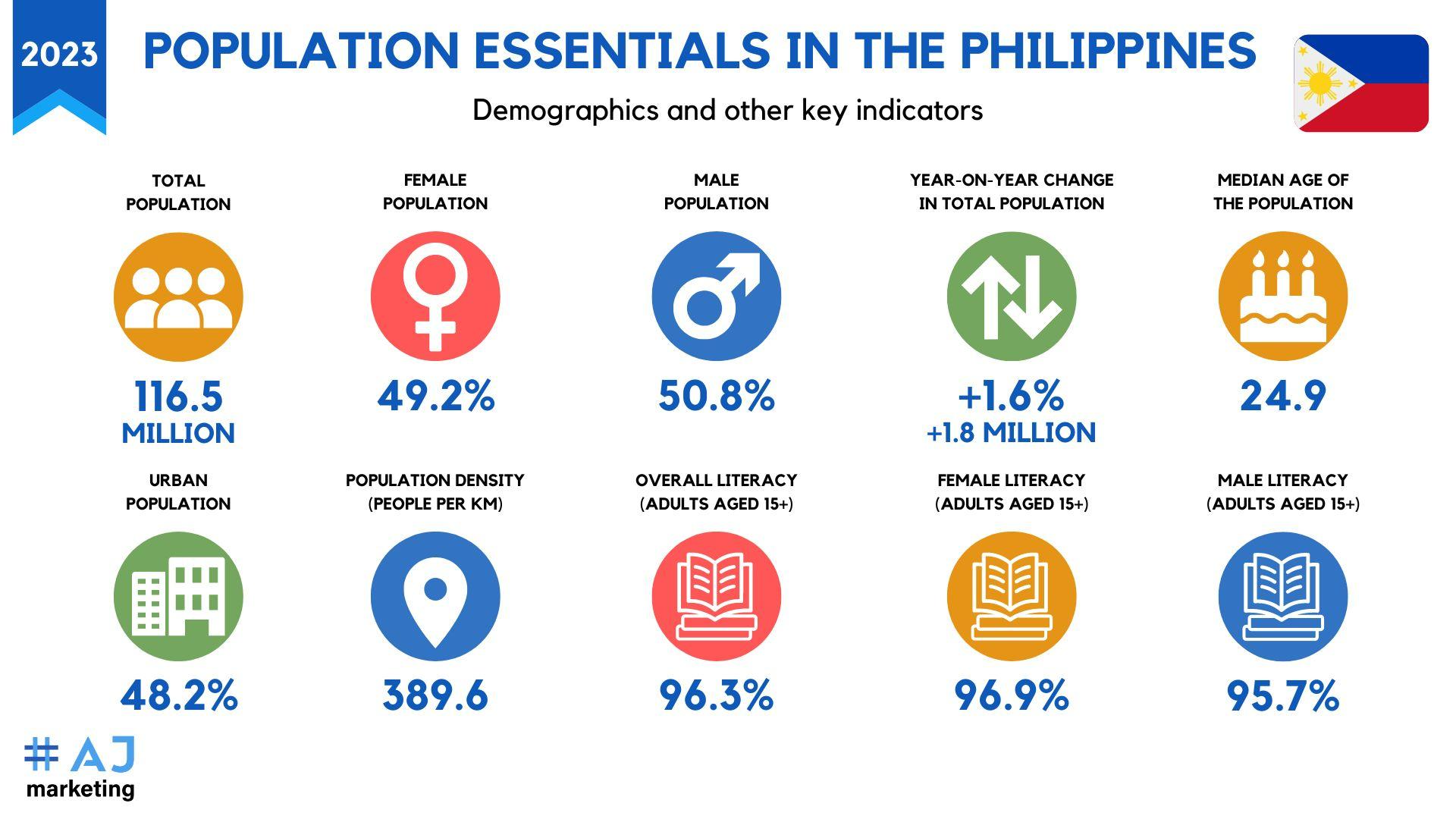
E-commerce in the Philippines represents one of the fastest-growing digital retail landscapes in Southeast Asia, driven by high mobile penetration, a youthful and tech-savvy population, and rapid advancements in digital payment systems. For merchants, entrepreneurs, and investors looking to enter or scale within this archipelago, understanding the regulatory framework, logistics hurdles, consumer behaviors, and payment infrastructure is essential for sustainable operations.
The Evolution of the Philippine Digital Marketplace
The digital retail ecosystem within the country has transitioned from nascent social commerce—primarily conducted through unstructured Facebook and Instagram direct messaging—to a sophisticated multi-channel environment anchored by major regional and domestic marketplaces. Platforms such as Lazada and Shopee dominate general merchandise sales, while specialized marketplaces like Zalora serve fashion niches, and platform-adjacent hyperlocal apps like GrabMart and Foodpanda handle rapid grocery and food delivery.
This shift has been accelerated by structural changes in consumer habits. Urbanization in regions like Metro Manila, Cebu, and Davao, combined with traffic congestion and busy work schedules, has made delivery-to-doorstep retail a preferred utility rather than a luxury. Furthermore, the COVID-19 pandemic served as a massive catalyst, onboarding millions of first-time digital buyers and compelling traditional brick-and-mortar merchants to establish formal online storefronts.
However, the market retains unique characteristics tied to the geography of the Philippines. Comprising over 7,000 islands, reaching consumers outside major urban centers introduces complex supply chain challenges. Consequently, successful merchants must architect their operations to balance centralized warehouse efficiency with decentralized last-mile delivery realities.
Regulatory Framework and Business Registration
Operating a commercial online venture in the Philippines requires formal legal compliance. Unlike informal social media vendors, structured e-commerce enterprises must navigate registration mandates enforced by several key government instrumentalities.
Bureau of Internal Revenue (BIR) Registration
Every online merchant generating commercial revenue must register with the Bureau of Internal Revenue (BIR). This process involves obtaining a Certificate of Registration (COR), registering official receipts or commercial invoices, and paying appropriate income and percentage or value-added taxes (VAT). The BIR actively monitors digital transactions, and platforms are increasingly required to cooperate with tax authorities to ensure merchant compliance.
Department of Trade and Industry (DTI) or Securities and Exchange Commission (SEC)
Sole proprietors must register their business name with the Department of Trade and Industry (DTI). Partnerships and corporations must incorporate through the Securities and Exchange Commission (SEC). This foundational registration is a prerequisite for opening business bank accounts and securing local government permits.
Local Government Unit (LGU) Permits
Depending on whether the enterprise operates a physical fulfillment warehouse, a home office, or a traditional storefront, a Mayor's Permit and Barangay Clearance from the relevant Local Government Unit are mandatory. These permits ensure compliance with local zoning, fire safety, and sanitary codes.
Consumer Protection Laws
The Department of Trade and Industry's Fair Trade Enforcement Bureau (FTEB) enforces the Consumer Act of the Philippines (Republic Act No. 7394). Online sellers must adhere to strict guidelines regarding product descriptions, warranties, return policies, and deceptive advertising. Clear communication of terms is legally required to avoid penalties and consumer disputes.

Payment Infrastructure and Financial Inclusion
The transition from a cash-centric economy to a digital-first payment landscape is one of the most significant trends shaping Philippine digital retail. While cash-on-delivery (COD) historically accounted for the vast majority of transactions, digital wallets and instant bank transfers have gained substantial market share.
| Payment Method | Primary Advantage | Operational Consideration | Consumer Adoption |
|---|---|---|---|
| Cash-on-Delivery (COD) | High trust for first-time buyers; attracts unbanked segments. | High return rates, cash handling risks, delayed liquidity. | High, though declining in urban centers. |
| Digital Wallets (GCash, Maya) | Instant settlement; seamless mobile checkout integration. | Transaction fees; dependent on mobile data stability. | Very High, dominant in urban and suburban areas. |
| Instant Bank Transfers (PESONet, InstaPay) | Direct account-to-account transfer; eliminates intermediary holding periods. | Requires active online banking credentials from the buyer. | Moderate to High, growing rapidly. |
| Credit and Debit Cards | High-value transaction support; automated recurring billing. | Low credit card penetration across the broader population. | Moderate, concentrated in affluent demographics. |
Fintech adoption has been heavily spearheaded by e-wallets like GCash and Maya, which provide financial services to millions of unbanked or underbanked Filipinos. For e-commerce operators, integrating these payment gateways via aggregators like PayMongo, Xendit, or directly through platform checkout APIs is critical for maximizing conversion rates.
Logistics, Supply Chain, and Last-Mile Delivery
Fulfillment is the backbone of successful digital retail in the archipelago. Because the country spans multiple islands, shipping times and costs vary dramatically depending on the destination tier.
Fulfillment Models
- In-House Fulfillment: Suitable for small-scale operations or specialized products requiring custom packaging. Merchants manage their own inventory, packing, and courier drop-offs.
- Third-Party Logistics (3PL): Partnering with established couriers such as J&T Express, Ninja Van, Flash Express, and LBC Express. These providers offer varying levels of nationwide coverage and tracking integration.
- Marketplace Fulfillment (Fulfillment by Lazada/Shopee): Storing inventory directly in platform-owned warehouses. This model reduces merchant packing overhead, speeds up delivery times within Metro Manila, and often grants algorithmic visibility boosts on the marketplace.
Geographical Hurdles
While urban delivery in Metro Manila can frequently be fulfilled within 24 to 48 hours, provincial shipping to Visayas and Mindanao regions may take anywhere from three to ten business days. Island-to-island transit relies heavily on domestic shipping lines and regional air cargo, making robust inventory forecasting and regional warehousing essential for high-volume brands.
Consumer Behavior and Market Demands
Understanding the Philippine digital consumer requires analyzing cultural nuances, platform preferences, and purchasing triggers.
Social Commerce and Live Selling
Filipino consumers display high engagement with social media platforms, particularly Facebook, TikTok, and Instagram. Live selling—where merchants showcase products in real-time video streams and viewers claim items via comments or direct messages—has evolved from an informal hobby into a multi-billion-peso sales channel. Platforms have integrated direct checkout features into these streams, blurring the line between entertainment and retail.
Price Sensitivity and Value Perception
While the middle class is expanding, the broader consumer base remains highly price-sensitive. Promotional events, such as payday sales (15th and 30th of the month), double-digit monthly sales (e.g., 9.9, 11.11, 12.12), and free-shipping vouchers are primary drivers of transaction volume. Merchants must factor promotional discounting into their gross margin calculations to remain competitive without eroding profitability.
Mobile-First Engagement
Smartphone usage accounts for the vast majority of web traffic in the country. Websites and digital storefronts that fail to optimize for mobile responsiveness, fast load times, and frictionless thumb-driven navigation experience significantly higher cart abandonment rates.
Challenges and Risk Mitigation
Operating in this landscape presents distinct challenges that require proactive management:
- High Return Rates on COD: Cash-on-delivery orders frequently suffer from higher refusal rates upon delivery compared to prepaid orders. Implementing strict customer verification protocols and incentivizing digital payments can mitigate this risk.
- Counterfeiting and Brand Protection: Large marketplaces feature millions of active listings, making IP infringement and counterfeit products a persistent concern. Brand owners must actively utilize platform reporting tools and intellectual property registration with the Intellectual Property Office of the Philippines (IPOPHL).
- Customer Service Expectations: Filipino consumers place a high premium on responsive customer support. Utilizing AI chatbots for initial inquiries combined with empathetic human agents for dispute resolution is vital for maintaining high seller ratings on major platforms.
Strategic Outlook and Recommendations
Entering or expanding within the Philippine digital retail market requires a localized, multi-faceted approach. Brands should not rely solely on a single sales channel; instead, they should combine presence on major aggregators (Lazada, Shopee) with a branded Direct-to-Consumer (D2C) website powered by platforms like Shopify or WooCommerce to build long-term customer equity.
Entrepreneurs must prioritize regulatory compliance from inception, establishing proper BIR, DTI, and LGU credentials to avoid operational disruptions. Furthermore, aligning with reliable 3PL partners and offering diverse digital payment methods will ensure a resilient supply chain and high conversion rates. By balancing aggressive promotional pricing with sustainable logistics planning, businesses can capitalize on the robust growth trajectory of the Philippine digital economy.
Image Gallery
Select an image to open it in a new tab.




Celine Dubois
Contemporary Living and Global Arts Columnist
