Choosing Between the Subaru Outback and the Jeep Wrangler: The Ultimate Comparison
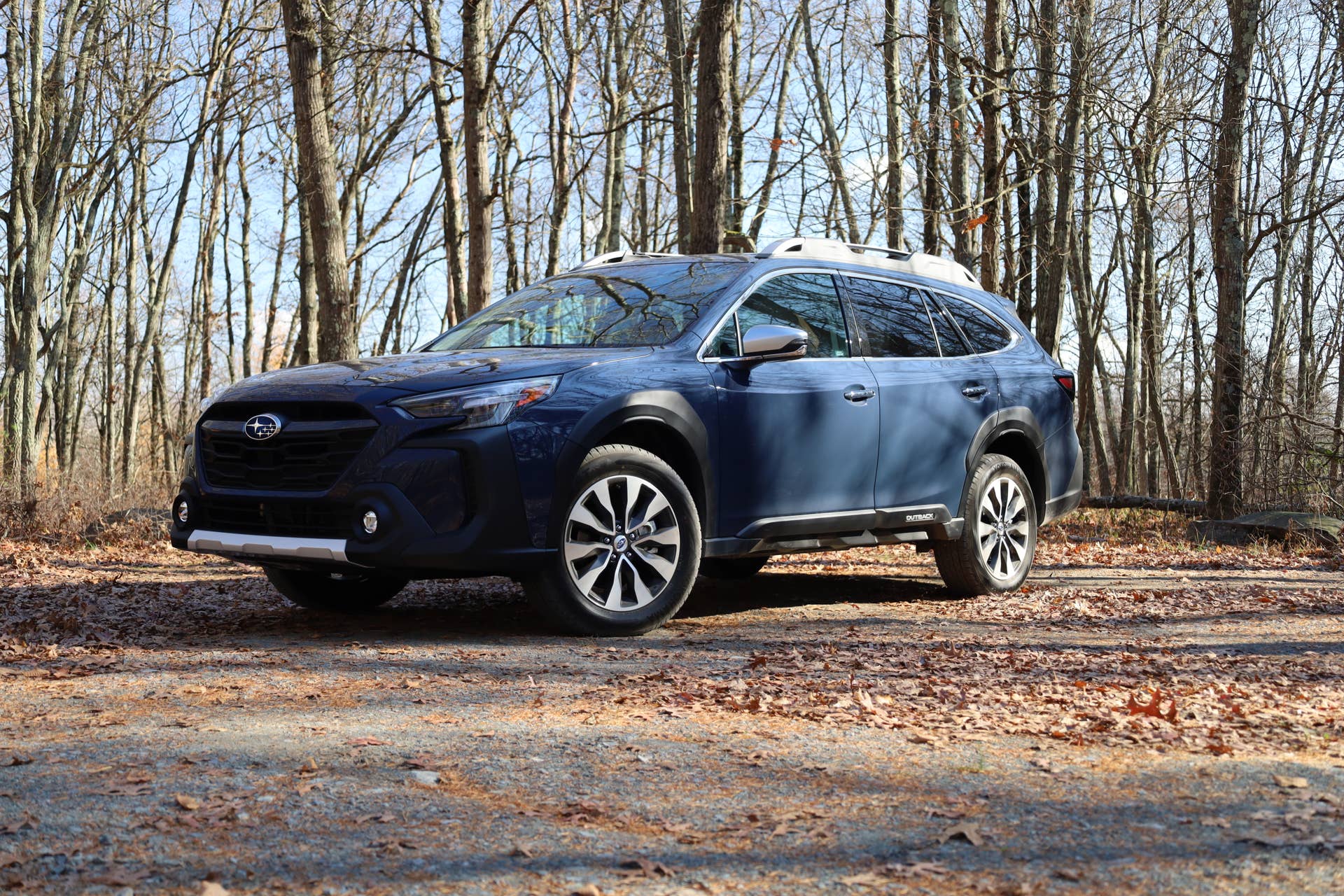
Choosing between the Subaru Outback and the Jeep Wrangler means deciding between two distinct automotive philosophies: the refined, wagon-based crossover utility vehicle built for long-distance comfort and all-weather capability, and the iconic, body-on-frame, highly modular four-wheel-drive machine built for hardcore off-roading and open-air adventure. Both vehicles hold fiercely loyal followings and carved out legendary statuses in American automotive culture, yet they appeal to completely different daily driving needs, lifestyle requirements, and recreational habits.
When evaluating these two vehicles, buyers must look beyond their rugged marketing imagery to examine practical everyday realities, including cargo space, fuel economy, passenger comfort, road manners, and true off-road performance limits. While both can get you to a remote trailhead, the Subaru Outback accomplishes this with the quiet composure of a high-riding family wagon, whereas the Jeep Wrangler delivers trail dominance at the expense of highway refinement, fuel efficiency, and interior cabin noise.
Understanding the Contenders: Philosophy and Design
To make an informed choice, you must first understand the fundamental engineering architecture behind each vehicle. They approach transportation from opposite ends of the automotive spectrum.
The Subaru Outback: Crossover Versatility and Comfort
The Subaru Outback is built upon a passenger car unibody platform, sharing its lineage and architecture with the Subaru Legacy sedan. However, it features a raised suspension that provides 8.7 inches of ground clearance (and up to 9.5 inches on Wilderness trims), standard Symmetrical All-Wheel Drive, and rugged exterior body cladding.
The Outback is designed to blend the driving dynamics, fuel efficiency, and crash safety of a traditional station wagon with the utility and weather-conquering capability of an SUV. It excels on wet pavement, packed snow, gravel forestry roads, and light mud, offering a compliant ride that isolates passengers from road imperfections.
The Jeep Wrangler: Body-on-Frame Ruggedness and Modular Design
The Jeep Wrangler, conversely, is a traditional, purpose-built, body-on-frame utility vehicle with solid front and rear axles. This layout is engineered explicitly for maximum articulation over severe obstacles like boulders, deep ruts, and steep inclines.
Beyond its off-road hardware, the Wrangler is defined by its modularity: drivers can remove the doors, fold down the windshield, and choose between a soft top, a hardtop, or a power-sliding roof. This open-air experience is unmatched by almost any other vehicle on the market, but it comes with distinct compromises in aerodynamics, cabin noise, and high-speed stability.
Performance, Capability, and Off-Road Prowess
Both vehicles are marketed as outdoor adventure companions, but their definitions of "adventure" diverge significantly once you leave the paved road.
On-Road Dynamics and Daily Driving
On the highway and around town, the Subaru Outback dominates in comfort, predictability, and ease of driving. Its unibody construction provides car-like handling, minimal body roll in corners, and a planted feel at highway speeds. Cabin noise is kept to a minimum, and long road trips result in far less driver fatigue.
The Jeep Wrangler demands more active steering input. Its solid front axle and high center of gravity mean the steering has a looser, more traditional truck-like feel, requiring constant micro-adjustments on the highway. Crosswinds buffet the boxy shape, and road noise from the rugged tires and removable top is a constant companion. However, for many Wrangler owners, this raw, mechanical connection to the road is part of the vehicle's core charm.
Trail Capability and Ground Clearance
When the pavement ends, the tables turn. While the Subaru Outback Wilderness trim is surprisingly capable on muddy trails, deep snow, and rocky tracks thanks to its dual-function X-MODE system and all-terrain tires, it remains limited by its unibody structure and approach/departure angles. It cannot clear large boulders or deep ruts without risking expensive underbody damage.
The Jeep Wrangler—especially in Rubicon or Willys trims—is an unstoppable force off-road. With massive ground clearance, heavy-duty Dana solid axles, locking differentials, a robust four-wheel-drive low-range transfer case, and exceptional breakover angles, the Wrangler can traverse terrain that would tear the bumper off a crossover.

Interior Space, Cargo, and Practicality
Daily usability often comes down to how well a vehicle accommodates passengers, gear, pets, and groceries.
Passenger Accommodation
- Subaru Outback: Features generous legroom and headroom in both rows. Getting in and out is easy for children and older adults due to the lower step-in height. The cabin layout emphasizes ergonomics, with large cup holders, multiple USB ports, and comfortable seating designed for multi-hour road trips.
- Jeep Wrangler: Available in two-door and four-door (Unlimited) configurations. The four-door model offers adequate rear legroom, but the upright seating position and narrower cabin feel more restrictive than the Outback. The two-door model features a very tight rear seat and limited cargo access.
Cargo Capacity and Hauling
For gear-heavy lifestyles, the Subaru Outback acts as a traditional station wagon swallow-all. Its long, wide cargo floor easily accommodates camping gear, bicycles, large luggage, and dogs without needing to stack items vertically.
The Jeep Wrangler cargo area is taller and boxier, but the side-hinged rear tailgate can make loading wide items in tight spaces challenging. While the four-door Wrangler offers respectable cargo volume, its shape is less conducive to long, flat items compared to the Outback's expansive rear bay. Furthermore, the Outback features integrated, heavy-duty roof crossbars on most trims, making roof box and kayak mounting seamless right out of the box.
Powertrains, Fuel Economy, and Technology
Modern buyers expect efficiency alongside capability. Here is how the mechanical options compare:
- Subaru Outback Engines: Standard power comes from a naturally aspirated 2.5-liter 4-cylinder engine (182 horsepower), while upper trims and the Wilderness feature a 2.4-liter turbocharged Boxer engine (260 horsepower). Both are paired with a Lineartronic Continuously Variable Transmission (CVT). Fuel economy is a strong suit, averaging around 26-29 mpg combined depending on the engine.
- Jeep Wrangler Powertrains: Jeep offers an extensive lineup, including a standard 3.6-liter V6, a turbocharged 4-cylinder, a plug-in hybrid (4xe) variant, and available heavy-duty diesel or V8 engines (depending on production years). Transmissions include a 6-speed manual or an 8-speed automatic. Fuel economy is substantially lower across the board compared to the Outback, with standard gas models hovering in the high teens to low twenties.
Both vehicles feature modern infotainment systems compatible with Apple CarPlay and Android Auto. Subaru leans heavily on its EyeSight Driver Assist technology suite, which is widely praised for adaptive cruise control and lane-keeping assistance. Jeep offers the robust Uconnect system, which includes specialized off-road pages on higher trims to monitor pitch, roll, and tire pressures.
Comparative Specifications Matrix
| Feature | Subaru Outback | Jeep Wrangler (4-Door Unlimited) |
|---|---|---|
| Vehicle Type | Crossover Wagon / Unibody | Mid-size SUV / Body-on-Frame |
| Standard Drivetrain | Symmetrical All-Wheel Drive (AWD) | Part-Time or Full-Time 4WD |
| Ground Clearance | 8.7 to 9.5 inches | 9.7 to 10.8+ inches (Trim dependent) |
| Base Engine Fuel Economy | ~28 mpg combined | ~20-22 mpg combined |
| Roof Configuration | Fixed roof with integrated crossbars | Removable hardtop, soft top, or power top |
| Primary Advantage | Highway comfort, safety, cargo length | Extreme off-road capability, open-air fun |
Ownership Costs, Reliability, and Resale Value
When calculating the total cost of ownership, several long-term factors emerge:
- Fuel Costs: The Subaru Outback will save the average daily commuter hundreds—if not thousands—of dollars annually in fuel costs compared to a traditional gas-powered Jeep Wrangler.
- Maintenance and Repairs: Both brands feature active communities and readily available parts. However, the Wrangler's solid axles, heavier components, and complex soft-top or removable door seals can require more frequent adjustments and alignment checks, especially if modified with larger tires and suspension lifts.
- Resale Value: Surprisingly, both vehicles boast exceptionally strong resale values. The Jeep Wrangler is famous for holding its value better than almost any vehicle on the market due to its cult following. The Subaru Outback also commands high resale values thanks to its reputation for longevity and high demand in snowy, mountainous regions.
Common Mistakes to Avoid When Choosing
- Buying a Wrangler purely for the aesthetic: Many buyers fall in love with the rugged look of the Wrangler without test-driving it on a highway at 70 mph. Always test drive a Wrangler on the highway and over rough pavement to ensure you can live with the cabin noise and steering feel.
- Underestimating Subaru ground clearance: If your idea of off-roading involves crawling over large boulders or deep mud pits, an Outback will get stuck. Do not attempt extreme rock crawling in a crossover.
- Ignoring roof utility: If you plan on regularly carrying kayaks, surfboards, or roof tents, verify how easy it is to mount systems to the specific vehicle configuration you choose.
Frequently Asked Questions
Which vehicle is safer for everyday family commuting?
The Subaru Outback generally offers superior safety performance for everyday family commuting. Its unibody construction absorbs crash energy predictably, and it consistently earns top marks in crash testing. Furthermore, Subaru’s EyeSight driver-assist suite comes standard, providing advanced pre-collision braking, lane-keep assist, and adaptive cruise control.
Can the Subaru Outback handle heavy snow as well as a Jeep Wrangler?
On plowed roads, light unplowed streets, and slick winter highways, the Subaru Outback handles snow exceptionally well thanks to its symmetrical all-wheel-drive system and low center of gravity. However, in deep, unplowed snow drifts or unmanaged mountain passes where ground clearance is the primary limiting factor, the higher clearance and true four-wheel drive of the Jeep Wrangler have the advantage.
Are Jeep Wranglers difficult to drive on long road trips?
Wranglers are louder, stiffer, and less aerodynamically stable than a Subaru Outback on long highway stretches. While modern JL-generation Wranglers are vastly more comfortable than older models, they still require more active steering concentration and expose passengers to higher levels of wind and road noise.
Which vehicle is better for camping and road-tripping?
This depends entirely on your camping style. If your camping involves driving down smooth forestry roads to a scenic lakeside campsite, packing large coolers, bikes, and sleeping gear, the Subaru Outback is superior due to its cavernous, long cargo floor and superior fuel economy. If your camping involves navigating rough, unmaintained Jeep trails to reach remote backcountry lookouts, the Wrangler is the necessary tool.
Do Jeep Wranglers require more maintenance than Subarus?
Generally, yes. Due to their heavy-duty off-road suspension components, solid axles, soft tops, and aerodynamic drag, Wranglers often experience quicker wear on suspension bushings, steering components, and weatherstripping. Both brands require standard routine fluid and filter changes, but the Wrangler's mechanical complexity on higher trims requires closer attention.
Conclusion and Final Recommendation
Choosing between the Subaru Outback and the Jeep Wrangler ultimately boils down to an honest assessment of your driving habits. If 90% of your driving consists of commuting, road-tripping, hauling gear, and driving through bad weather, the Subaru Outback is the more comfortable, efficient, and logical choice. It provides unmatched everyday utility with genuine capability for light adventure.
Conversely, if you view a vehicle as a recreational toy, prioritize maximum off-road capability, desire an open-air convertible experience, and are willing to accept compromises in fuel economy and highway comfort, the Jeep Wrangler is an unmatched automotive icon. Match your daily reality to the engineering purpose of the vehicle, and you will find a companion that serves your lifestyle for years to come.
Image Gallery
Select an image to open it in a new tab.

Declan O'Connor
Higher Education and Campus Culture Reporter
