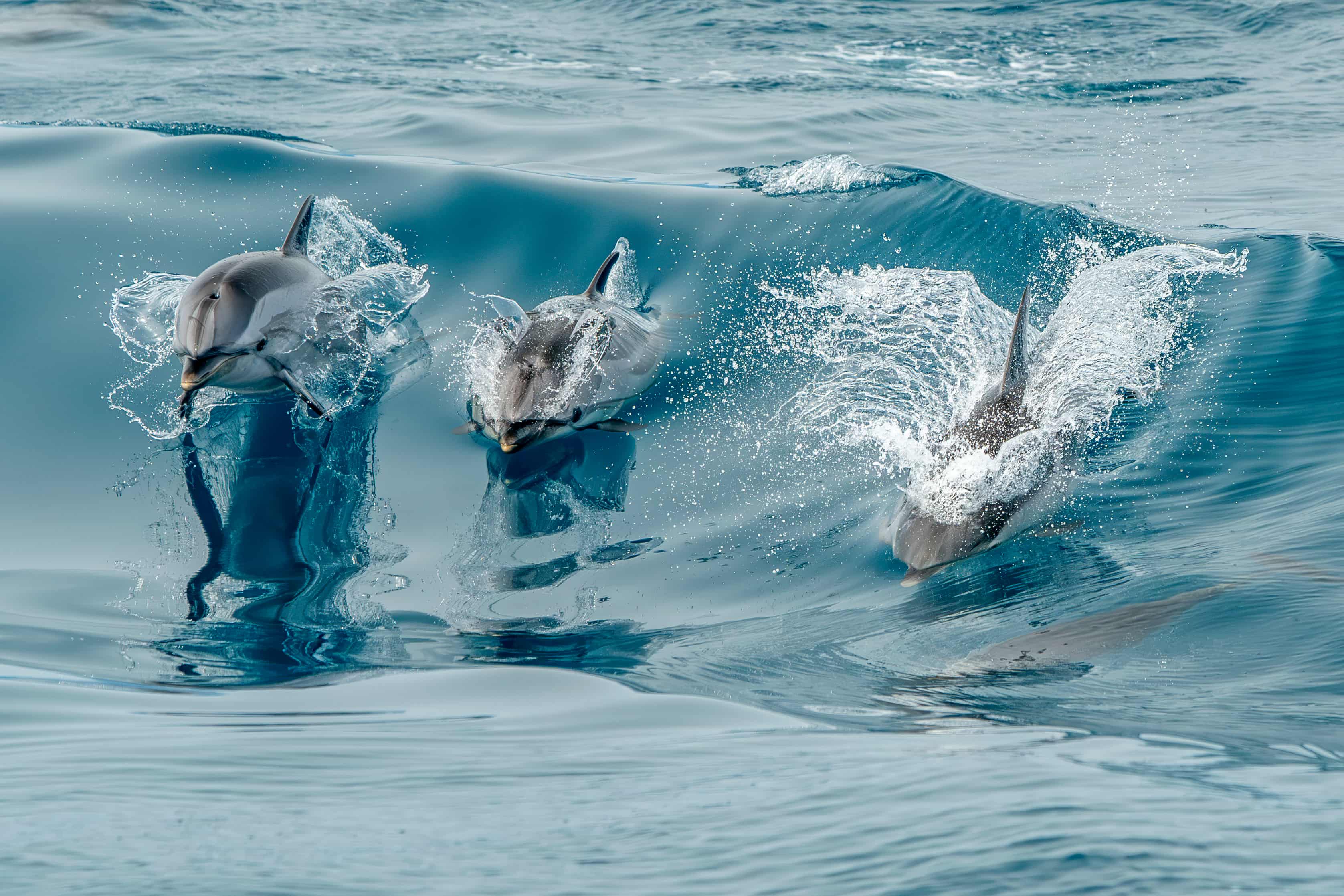
Choosing a career path that centers on animal interaction requires a strategic balance between genuine passion for wildlife or domestic species and a clear understanding of the scientific, technical, and labor-intensive demands of the field. The best careers with animals span sectors ranging from veterinary medicine and behavioral science to conservation biology and specialized animal husbandry, each requiring distinct academic credentials, physical endurance, and professional certifications.
Assessing Your Path: The Veterinary and Clinical Spectrum
For those seeking the highest level of responsibility and medical impact, the veterinary and clinical sector remains the gold standard. This path requires a rigorous commitment to formal education, often spanning eight to twelve years of post-secondary schooling.
Veterinarian (DVM or VMD)
A Doctor of Veterinary Medicine is the primary professional authorized to perform surgery, prescribe medication, and diagnose complex medical issues in animals. In 2026, the pathway involves completing a four-year undergraduate degree, followed by four years of veterinary school accredited by the American Veterinary Medical Association (AVMA). Prospective veterinarians must pass the North American Veterinary Licensing Examination (NAVLE). The career is characterized by high earning potential, but it also demands long hours, the ability to manage high-stress clinical environments, and the emotional resilience required for end-of-life care decisions.
Veterinary Technician and Technologist
Veterinary technicians act as the primary nursing force in clinical settings. The distinction between a technician (typically a two-year associate degree) and a technologist (a four-year bachelor’s degree) often dictates salary scales and clinical authority. They perform essential laboratory work, administer anesthesia, provide nursing care, and assist in surgery. This is often the preferred route for individuals who want direct patient interaction without the debt or duration of doctoral studies.
Conservation, Research, and Wildlife Biology
If your focus lies in the preservation of species and the study of animal ecology, the conservation sector offers a deeply rewarding, though often field-intensive, career experience.
Wildlife Biologist
Wildlife biologists monitor animal populations, study the impact of human environmental change, and develop recovery plans for endangered species. This career necessitates at least a bachelor's degree in wildlife biology, zoology, or a related field, with many positions requiring a Master’s degree or PhD for independent research. The work often involves extreme weather conditions, remote field travel, and technical data analysis using geospatial software like GIS (Geographic Information Systems).
Conservation Scientist
These professionals work to ensure that natural resources, such as forests and wetlands, are managed to sustain animal habitats. They often collaborate with government agencies, such as the U.S. Fish and Wildlife Service, to ensure that land development complies with environmental regulations. Success in this field requires a strong grasp of policy, ecology, and land-use law.

Animal Behavior and Training Specialists
The specialization in animal behavior has expanded significantly as public awareness of animal welfare increases. Careers in this sector focus on the psychological well-being, modification of behavior, and human-animal bond.
Certified Applied Animal Behaviorist (CAAB)
A CAAB typically holds a doctoral degree and specializes in the diagnosis and treatment of severe behavioral issues in animals. Unlike generic "trainers," these professionals utilize psychological principles and scientific research to resolve problems like severe aggression, separation anxiety, or phobias. This is a highly technical role that requires deep knowledge of ethology and neurobiology.
Animal Trainer
Professional trainers work with various species, from domestic pets to zoo animals. Those working in zoological settings often utilize positive reinforcement techniques (such as operant conditioning) to facilitate medical exams without the need for sedation. This role requires patience, acute observation skills, and a willingness to perform repetitive, detail-oriented work.
Operational and Husbandry Careers
Not every career requires an advanced degree. Animal husbandry and facility management roles focus on the daily physical care, maintenance, and oversight of animal facilities.
Zoo or Aquarium Keeper
Keepers are the backbone of modern zoological institutions. They are responsible for habitat maintenance, nutritional preparation, and enrichment activities that keep captive animals mentally stimulated. The career is physically taxing, requiring heavy lifting, exposure to various weather conditions, and strict adherence to safety protocols when working with dangerous animals.
Shelter Manager
Shelter management combines animal welfare with business administration. A manager must oversee staff, manage budgets, lead adoption events, and navigate the legal complexities of animal control laws. This is a high-burnout profession, but it is ideal for those who are organizational experts as well as animal advocates.
Comparison of Educational and Physical Requirements
The following table provides a high-level comparison of the demands for various animal-focused careers.
| Career Path | Primary Education | Key Physical Demand | Typical Work Environment |
|---|---|---|---|
| Veterinarian | Doctorate | High (prolonged standing/surgery) | Clinical/Hospital |
| Wildlife Biologist | Bachelor’s/Master’s | Very High (remote fieldwork) | Outdoors/Wilderness |
| Vet Technician | Associate/Bachelor’s | High (lifting/handling) | Clinical/Laboratory |
| Zoo Keeper | Bachelor’s/Certificate | High (labor-intensive) | Zoological Park |
| Animal Trainer | Specialized Certification | Moderate (active movement) | Various/Stable |
Essential Prerequisites and Soft Skills
Regardless of the specific job title, the animal industry requires a specific set of attributes that cannot be learned in a classroom.
- Emotional Resilience: Almost every role involves dealing with the reality of illness, injury, or the limitations of human intervention. You must have the capacity to maintain professionalism during difficult outcomes.
- Safety Consciousness: Working with animals, particularly wild or injured ones, involves inherent risks. Understanding body language, flight distances, and containment protocols is essential to prevent injury.
- Physical Stamina: Many roles involve walking, lifting, cleaning, and manual labor. A desk-bound career is rare in the animal sector.
- Scientific Literacy: Even for non-research roles, understanding basic anatomy, disease transmission (zoonosis), and nutritional science is crucial for maintaining proper care.
Common Mistakes to Avoid
A frequent error for those entering the field is the misconception that working with animals is primarily about "playing" with them. In reality, the best careers in this industry are labor-intensive, scientific, or bureaucratic.
- Ignoring the Paperwork: Many aspiring biologists or keepers overlook the immense amount of data entry, record-keeping, and permit management required by law.
- Overlooking Certification: For behaviorists and trainers, self-titling is common, but official certifications (such as those from the International Association of Animal Behavior Consultants) are what actually land senior positions.
- Assuming High Pay: While veterinarians and specialized research scientists can command high salaries, many entry-level positions in shelters or zoos are low-paying, often requiring personal financial planning to sustain a long-term career.
Frequently Asked Questions
What is the most important degree for working with animals?
There is no single "best" degree. If your goal is medical, a DVM is essential. If your goal is conservation, a Bachelor of Science in Zoology, Wildlife Biology, or Environmental Science provides the most versatile foundation.
Do I need a license to become an animal trainer?
In most jurisdictions, animal training is not legally regulated; however, professional credibility is established through certifications from organizations like the Karen Pryor Academy or the Certification Council for Professional Dog Trainers (CCPDT).
How can I gain experience before committing to a career?
Volunteering at a local animal shelter, wildlife rehabilitation center, or zoo is the most effective way to determine if you can handle the physical and emotional realities of the work. Many facilities require volunteers to undergo formal training on safety protocols.
Is the industry competitive in 2026?
Yes. Positions at high-profile zoos, research institutions, and specialty veterinary clinics are highly sought after. Competition is usually won by candidates who possess a mix of relevant internships, advanced technical certifications, and networking within professional associations.
Can I work with animals in a corporate setting?
Yes, particularly in the fields of veterinary pharmaceuticals, pet nutrition, and animal technology. These roles often combine science and animal knowledge with marketing, sales, or research and development skills.
Making Your Next Move
If you are currently early in your journey, your next action should be to identify whether your interests align more with the clinical (medical), field (conservation/environment), or husbandry (care/management) sectors.
Begin by securing a volunteer role in your chosen sector to verify your interest. Once verified, research the specific educational requirements for your target role in your jurisdiction. For example, if you aim to become a Licensed Veterinary Technician (LVT), search for programs specifically accredited by the AVMA Committee on Veterinary Technician Education and Activities (CVTEA). By aligning your credentials with these industry-recognized standards early, you ensure your professional path is built on a solid, verified foundation rather than intuition alone.
Image Gallery
Select an image to open it in a new tab.




Zara El-Hashem
Sociocultural Dynamics and Academics Writer
