
Domestic work encompasses a broad range of tasks performed within or for a household, including childcare, elderly care, cleaning, cooking, and home maintenance. In modern economies as of 2026, this sector is recognized not just as a private convenience but as a foundational pillar of the "care economy," essential for social reproduction and the functioning of the formal labor market.
The Definitional Framework of Domestic Work
To understand the meaning of domestic work in a modern context, one must first distinguish between its two primary forms: paid domestic labor and unpaid domestic labor. While they involve similar tasks, their economic recognition and legal protections differ significantly.
Paid domestic work refers to services performed for remuneration within a traditional employer-employee relationship, though often occurring in the private sphere of the home. This includes nannies, housekeepers, and specialized caregivers. According to the International Labour Organization (ILO), a domestic worker is any person engaged in domestic work within an employment relationship. This definition excludes those who perform such work only occasionally or sporadically, without it being their profession.
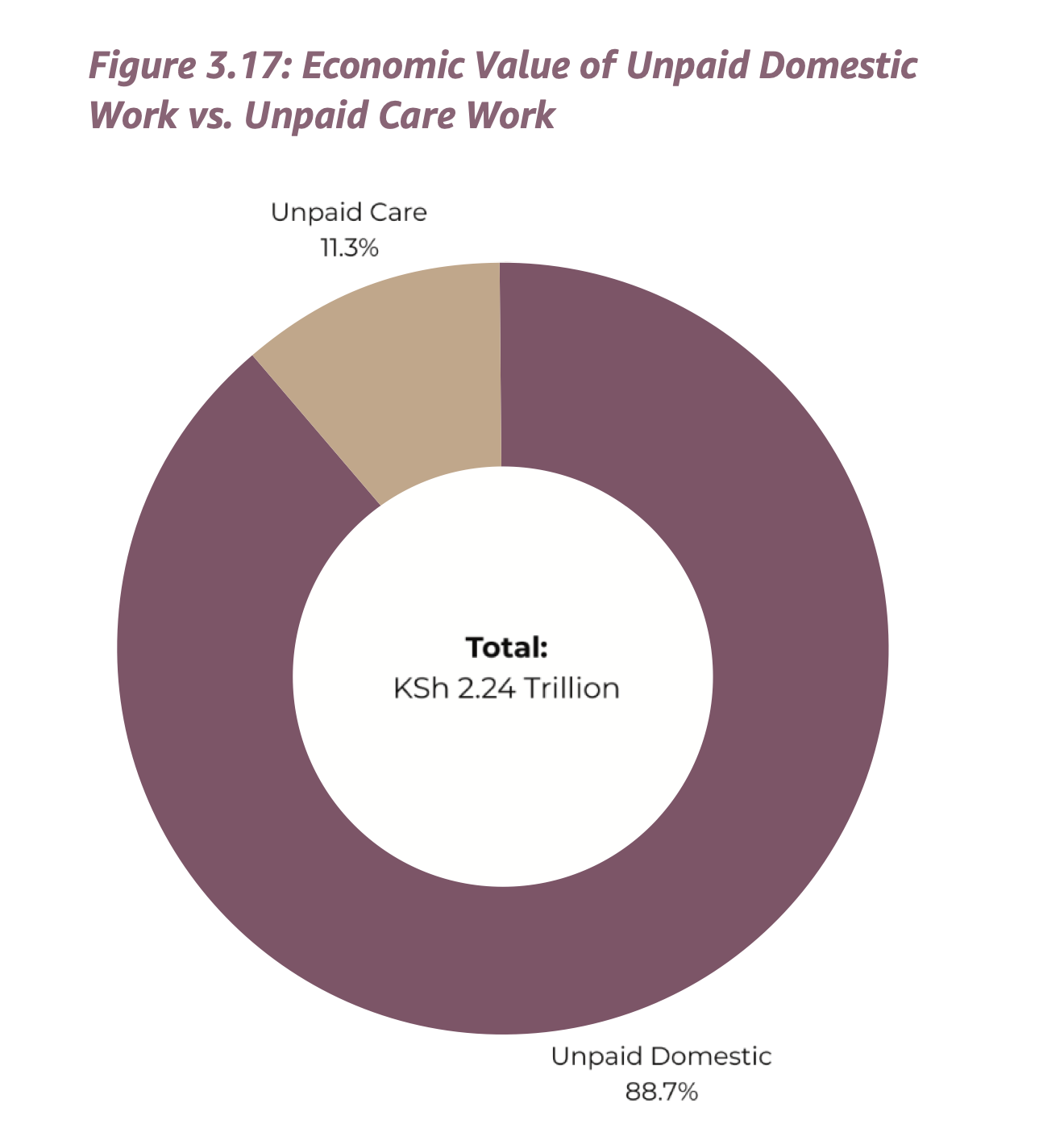
Unpaid domestic work, often referred to as "shadow work" or "reproductive labor," involves the same tasks but is performed by family members for their own households. For decades, this labor was excluded from national accounts like Gross Domestic Product (GDP). However, by 2026, the movement to quantify this labor has gained significant traction. Modern economists argue that without the unpaid labor of preparing meals, maintaining hygiene, and raising the next generation of workers, the "productive" economy would collapse.
The evolution of these definitions reflects a shift in how societies value the home. In the 20th century, domestic work was often viewed through the lens of "private affection" or "wifely duty." In the modern 2026 economy, it is increasingly analyzed through the lens of labor rights, economic productivity, and human rights.
The Economic Weight of the Invisible Sector
The economic meaning of domestic work is tied to its sheer scale and the "opportunity cost" it represents. Even as we move further into the late 2020s, domestic work remains one of the largest sources of employment globally, particularly for women and migrant populations.
GDP and Satellite Accounts
Traditionally, GDP only counts goods and services exchanged for money. This means if a person cleans their own home, it adds zero to the GDP; if they hire a professional cleaner, the GDP rises. To rectify this distortion, many nations have implemented "Satellite Accounts." These are supplementary economic measures that estimate the market value of unpaid domestic work. Recent studies by organizations like the OECD suggest that if unpaid domestic work were assigned a minimum wage value, it would constitute between 10% and 40% of the GDP in many developed nations.
The Care Economy Multiplier
Domestic work is the bedrock of the "Care Economy." In 2026, as aging populations in Europe, East Asia, and North America place unprecedented strain on healthcare systems, the role of domestic caregivers has become critical. By performing health-related tasks and providing daily assistance at home, domestic workers reduce the burden on public hospitals and long-term care facilities. This creates a "multiplier effect" where the presence of a domestic worker allows other household members—often high-skilled professionals—to participate fully in the formal labor market.
Legal Status and ILO Convention 189
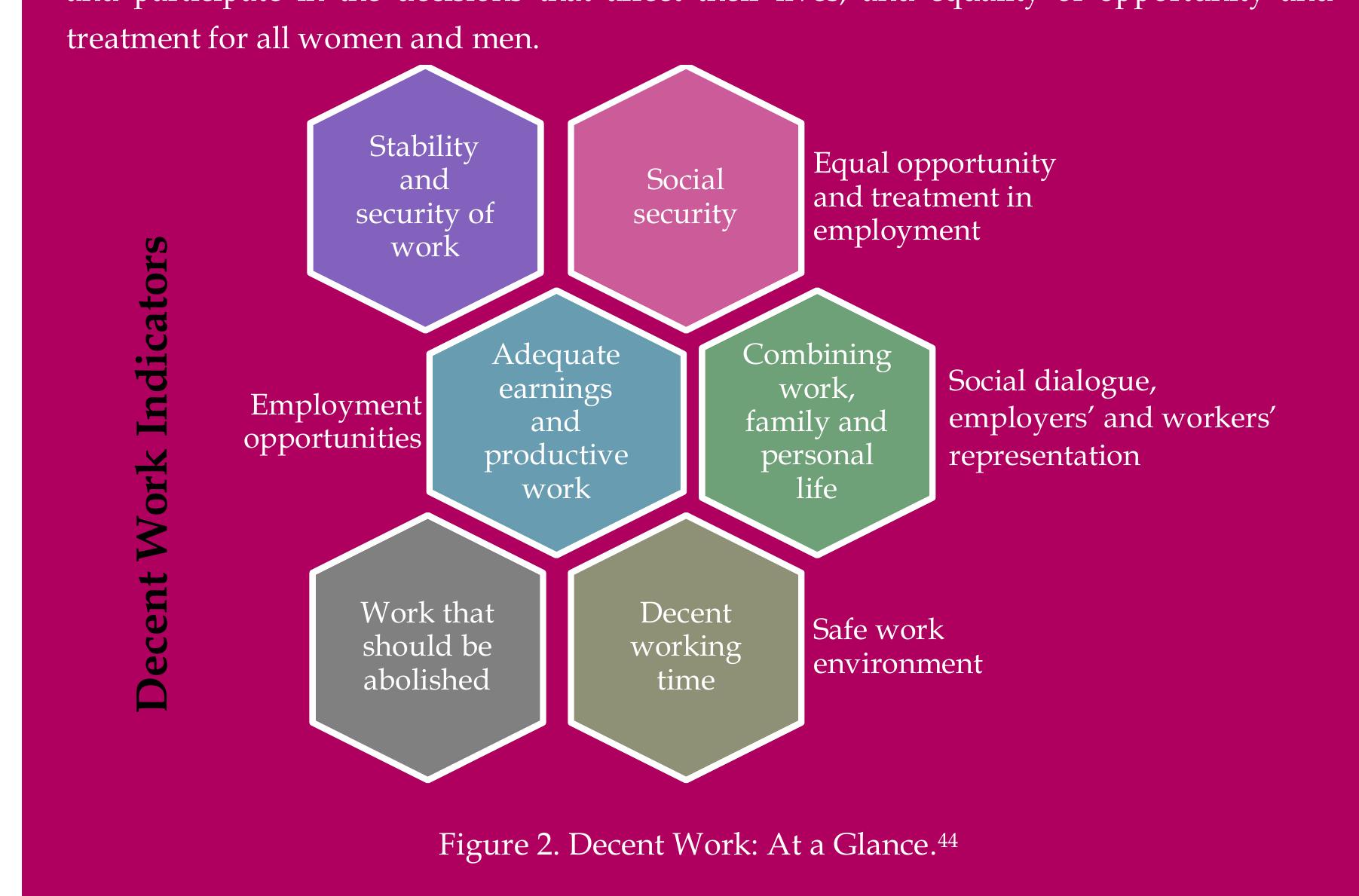
The legal understanding of domestic work has been revolutionized by ILO Convention No. 189, the Domestic Workers Convention. This landmark treaty established that domestic workers are entitled to the same fundamental rights as other workers.
Key provisions of this framework include:
- Fixed Working Hours: Protection against the "on-call" nature of live-in work, ensuring workers have dedicated rest periods.
- Minimum Wage: Eliminating the practice of paying domestic workers in "kind" (food and lodging) rather than currency.
- Social Security: Access to healthcare, maternity leave, and pension schemes, which were historically denied to those working in private homes.
- Safe Working Environments: Protection against physical and psychological abuse, a significant risk given the isolated nature of the workplace.
As of 2026, over 40 countries have ratified C189, though implementation gaps remain. The "meaning" of domestic work in a legal sense is now defined by the transition from informal "help" to formal "employment."
The Gig Economy and Platformization of Domestic Labor
A defining feature of domestic work in the 2020s is its "platformization." Digital apps and marketplaces have replaced traditional word-of-mouth hiring for many urban households. This shift has dual implications for the meaning of the work.
On one hand, platforms provide workers with a broader client base and potentially higher hourly rates. On the other hand, the "Uberization" of cleaning and care work often strips away the benefits associated with traditional employment. In many jurisdictions in 2026, workers on these platforms are classified as "independent contractors" rather than employees, leaving them without sick pay or workers' compensation.
The algorithmic management of domestic work—where an app dictates schedules, rates, and performance metrics—has introduced a level of technical oversight previously unknown in the private home. This has turned a historically "invisible" job into one that is tracked, rated, and optimized by data, further integrating the domestic sphere into the broader digital economy.
Comparison of Domestic Work Structures
To better understand the nuances of this sector, the following table compares the three primary modes of domestic labor prevalent in 2026.
| Feature | Unpaid Family Labor | Formal Paid Employment | Platform/Gig Labor |
|---|---|---|---|
| Remuneration | None (Social/Emotional) | Monthly Salary/Wage | Per-Task Fee |
| Legal Status | Not a "worker" | Protected Employee | Independent Contractor |
| Regulatory Body | None (Private) | Ministry of Labor | Terms of Service/App |
| Economic Impact | Indirect (Social Reproduction) | Direct (Tax/GDP) | Direct (Service Sector) |
| Working Hours | Unregulated | Contractually Fixed | Flexible/Uncertain |
| Social Safety Net | Dependent on family | State-mandated benefits | Often self-funded |
Demographic and Social Dimensions
The meaning of domestic work cannot be separated from gender and migration. Globally, women perform approximately 75% of unpaid domestic work. This "double burden"—where women work a full day in the formal economy and then return home to perform a "second shift" of domestic labor—is a primary driver of the gender pay gap.
Furthermore, domestic work is a major component of the "Global Care Chain." This term describes the phenomenon where workers (mostly women) from developing nations migrate to wealthier countries to take up domestic positions. While they provide essential care in the host country, they often leave a "care deficit" in their home countries, where their own children or elderly relatives must be cared for by others.
In 2026, migration policies are increasingly being tailored to recognize this need. "Care visas" have become a standard tool for nations facing demographic crises, yet the vulnerability of these migrant workers to exploitation remains a central challenge for international human rights organizations like Human Rights Watch.
Technical Depth: Measuring the "Care Deficit"
In modern economic theory, the "Care Deficit" occurs when the demand for domestic and care work exceeds the available supply. This is a mounting concern in 2026 due to several factors:
- Increased Labor Participation: As more people of all genders enter the formal workforce, fewer people are available to perform unpaid domestic tasks.
- The "Silver Tsunami": The rapid aging of the global population requires more intensive domestic caregiving.
- Nuclearization of Families: The shift away from multi-generational households means there are fewer relatives (like grandparents) to share the domestic load.
Addressing this deficit requires either a massive increase in the public provision of care (e.g., universal childcare) or a significant professionalization of the domestic work sector to attract more workers.
Common Misconceptions and Challenges
A recurring challenge in understanding domestic work is the "affective labor" trap. Because domestic work involves caring for people or personal spaces, it is often seen as a "labor of love" rather than "real work." This misconception is used to justify lower wages and poorer working conditions.
In the 2026 economic discourse, professionals emphasize that while domestic work may require empathy and emotional intelligence, these are highly skilled competencies. Treating caregiving as an unskilled task ignores the medical, nutritional, and developmental knowledge required for modern domestic roles.
Frequently Asked Questions
What is the primary difference between a domestic worker and a casual helper?
A domestic worker, according to the ILO, is someone who performs household tasks as their primary occupation within an employment relationship. A casual helper performs these tasks sporadically or as a neighborly favor without it being a sustained professional commitment. The distinction is critical for determining eligibility for labor protections and minimum wage laws.
Why is domestic work often excluded from GDP?
GDP was originally designed to measure market activity—things that are bought and sold. Since unpaid domestic work happens outside the marketplace, it was historically ignored. However, modern "Satellite Accounts" now attempt to value this work to provide a more accurate picture of a nation's total economic effort.
How has technology changed domestic work in 2026?
Technology has introduced two major changes: automation and platformization. Smart home devices and robotics (like advanced vacuum and lawn-mowing bots) have reduced the time required for some manual tasks. Simultaneously, digital platforms have changed how domestic workers find jobs, shifting the industry toward a gig-economy model that offers more flexibility but often fewer protections.
Is domestic work considered a "skilled" profession?
Yes, in contemporary economics, domestic work is increasingly recognized as "skilled labor," particularly in the realms of specialized caregiving (elderly or disability care) and early childhood development. These roles require specific certifications, safety training, and emotional labor competencies that go far beyond basic cleaning.
What are the main risks faced by domestic workers?
Because their workplace is a private home, domestic workers are at higher risk for isolation, physical or verbal abuse, and "wage theft" (being forced to work extra hours without pay). The lack of external oversight makes the enforcement of labor laws particularly challenging in this sector.
What is the "Global Care Chain"?
It refers to the migration of workers from the Global South to the Global North to fill domestic and caregiving roles. This creates a chain where the migrant worker cares for a family in a wealthy country, while their own family back home is cared for by a different (often less well-paid) worker or a relative.
Practical Recommendations for the Future
For policymakers and households in 2026, the path forward involves three specific actions to ensure the sustainability of the domestic work sector:
- Professionalization: Households should transition from informal "under-the-table" payments to formal contracts. This protects both the employer (by establishing clear expectations) and the worker (by providing legal recourse).
- Valuation: National statistical offices should continue to refine Satellite Accounts for unpaid labor. Recognizing the value of this work is the first step toward creating policies that support a better work-life balance, such as expanded parental leave.
- Regulatory Oversight: Governments must strengthen the inspection of private workplaces. Since labor inspectors rarely enter private homes, new mechanisms—such as mandatory registration of domestic employment contracts—are necessary to prevent exploitation.
Understanding domestic work in modern economies requires moving past the outdated view of the "housewife" or the "servant." In 2026, we must view it as a sophisticated, essential, and rights-bearing economic sector that literally keeps the world running.
Image Gallery
Select an image to open it in a new tab.


Declan O'Connor
Higher Education and Campus Culture Reporter
