What the Medicaid Health Benefits Include: Comprehensive Coverage and Services Explained

Medicaid health benefits include a wide array of mandatory and optional services, such as inpatient and outpatient hospital care, physician services, laboratory and x-ray services, nursing facility care, and comprehensive early and periodic screening, diagnosis, and treatment for children.
Navigating the vast landscape of government-sponsored healthcare can often feel overwhelming, particularly when trying to understand what services are covered, who qualifies, and how federal and state guidelines shape individual care. Medicaid, as a joint federal and state program, provides health coverage to millions of Americans, including eligible low-income adults, children, pregnant women, elderly adults, and people with disabilities. Because administration is handled at the state level within broad federal guidelines, benefits can vary depending on where you live. However, federal law establishes a mandatory baseline of essential health benefits that every state must provide to ensure that vulnerable populations receive necessary medical attention. Understanding these provisions is vital for beneficiaries seeking to maximize their care and for caregivers navigating the healthcare system.
The Framework of Medicaid Coverage: Mandatory vs. Optional Benefits
To fully grasp what Medicaid health benefits include, one must understand how the Centers for Medicare & Medicaid Services (CMS) structures program requirements. Federal law mandates that state Medicaid programs cover certain basic services to receive federal matching funds. At the same time, federal statutes grant states the flexibility to offer optional benefits tailored to the specific demographic and health needs of their local populations.
Mandatory benefits represent the foundation of the Medicaid program. Without providing these core services, a state cannot participate in federal Medicaid funding. Conversely, optional benefits allow states to address localized health priorities, such as expanding coverage for prescription drugs, physical therapy, or optometry services.
Understanding this distinction helps beneficiaries identify what services are guaranteed nationwide versus those that depend entirely on state-specific policy decisions.
Core Mandatory Benefits Required by Federal Law
Federal regulations require every state Medicaid program to include a comprehensive set of inpatient and outpatient services. These baseline protections are designed to guarantee that no eligible individual is left without access to primary and emergency medical care.
- Inpatient and Outpatient Hospital Services: Coverage includes room and board, nursing care, and specialized services during a hospital stay, as well as diagnostic and treatment services furnished on an outpatient basis.
- Physician Services: Medical and surgical services provided by licensed physicians, whether delivered in an office, a hospital, a clinic, or the patient's home.
- Laboratory and X-Ray Services: Diagnostic testing ordered by a physician to identify, monitor, or treat medical conditions.
- Nursing Facility Services: Care for individuals aged 21 and older, encompassing skilled nursing care, rehabilitation, and long-term institutional support.
- Early and Periodic Screening, Diagnostic, and Treatment (EPSDT) Services: A specialized, highly comprehensive package for individuals under the age of 21, designed to identify and treat health, vision, hearing, and dental issues early in life.
- Family Planning Services and Supplies: Counseling, contraceptives, and related medical services aimed at voluntary family planning.
- Rural Health Clinic and Federally Qualified Health Center Services: Primary care services delivered in designated underserved rural and urban community settings.
Common Optional Benefits Offered by States
While mandatory benefits form the floor of Medicaid coverage, optional benefits allow states to expand their healthcare safety nets. While a state is not federally required to offer these services, once a state chooses to include them in its Medicaid plan, they become legally binding and subject to federal oversight.
- Prescription Drugs: While not initially a mandatory federal benefit under the original 1965 legislation, nearly all state Medicaid programs now cover outpatient prescription medications through federal statutory agreements.
- Physical, Occupational, and Speech Therapy: Rehabilitative services aimed at helping patients recover motor, functional, and communication skills after injury, illness, or surgery.
- Optometry and Eyeglasses: Routine vision exams and corrective lenses, which are frequently restricted or structured differently for adult beneficiaries compared to children.
- Dental Services: Preventive, diagnostic, and restorative dental care. While mandatory for children under EPSDT, adult dental coverage varies wildly, ranging from emergency-only extractions to comprehensive preventive and restorative care.
- Intermediate Care Facilities for Individuals with Intellectual Disabilities (ICF/IID): Specialized institutional care for individuals with developmental or intellectual disabilities.
Detailed Breakdown of Primary Healthcare Services
Examining the day-to-day utility of Medicaid requires looking closely at how specific medical categories are handled within the program. Beneficiaries frequently interact with primary care, preventive screenings, and hospital networks.
Primary and Preventive Care
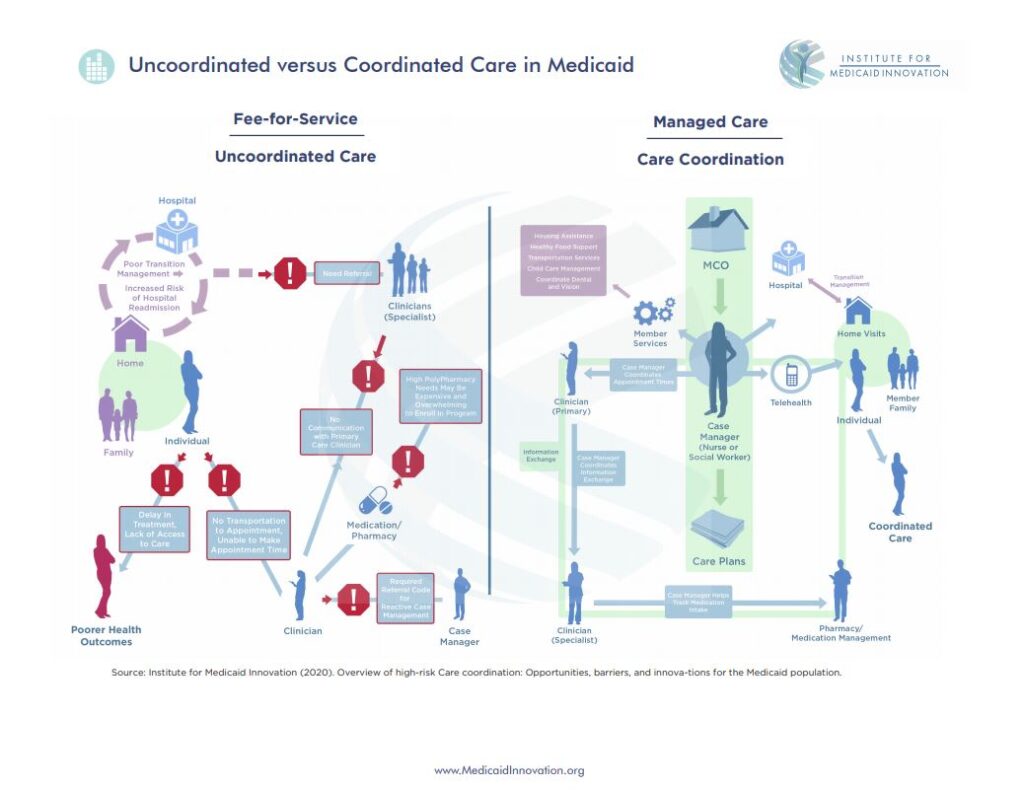
Preventive medicine forms the cornerstone of reducing long-term healthcare expenditures and improving public health outcomes. Medicaid places significant emphasis on routine primary care. Beneficiaries are generally assigned or encouraged to choose a primary care provider (PCP) who coordinates their overall medical journey, issues referrals to specialists, and manages chronic conditions like hypertension or diabetes.
Preventive services included under most state plans consist of annual physical examinations, immunizations for children and adults, tobacco cessation counseling, behavioral health screenings, and cancer screenings such as mammograms and Pap smears. Catching illnesses in their earliest stages reduces the incidence of expensive emergency room visits and hospital admissions.
Maternal and Child Health Services
Pregnant individuals receive robust support through Medicaid and the related Children's Health Insurance Program (CHIP). Medicaid covers prenatal care visits, laboratory tests, labor and delivery services, and postpartum care for up to 60 days following the end of pregnancy (with many states extending this window to a full 12 months under recent federal provisions).
For infants and children, the EPSDT program ensures that young beneficiaries receive immunizations, developmental assessments, vision and hearing tests, and specialized medical interventions for chronic pediatric conditions.
Behavioral Health and Substance Use Disorder Treatment
Mental health parity laws and federal Medicaid modernization efforts have elevated behavioral health services to a critical component of standard coverage. Medicaid health benefits include outpatient psychotherapy, psychiatric evaluations, inpatient mental health treatment, and crisis intervention services.
Furthermore, in response to national public health crises, state Medicaid programs have significantly expanded coverage for substance use disorder (SUD) treatments. This includes medication-assisted treatment (MAT) using FDA-approved drugs, outpatient counseling, intensive outpatient programs, and residential rehabilitation services.
Long-Term Services and Supports (LTSS)
One of the most valuable yet complex dimensions of Medicaid is its provision of Long-Term Services and Supports (LTSS). Unlike Medicare, which primarily covers acute, short-term medical care, Medicaid is the single largest payer for nursing home care and home- and community-based services (HCBS) in the United States.
LTSS assists elderly individuals and adults with disabilities who need help with Activities of Daily Living (ADLs), such as bathing, dressing, eating, transferring, and managing medications.
- Long-Term Services & Supports
- Institutional Care
- Traditional Nursing Homes
- Intermediate Care for Intellectual Disabilities
- Specialized Rehabilitation
- Home- and Community-Based Services (HCBS)
- Personal Care Assistants
- Adult Day Health Centers
- Home Modifications
- Respite Care for Families
- Institutional Care
Institutional Care vs. Home- and Community-Based Services
Historically, Medicaid long-term care was heavily weighted toward institutional settings, such as nursing facilities. However, federal policy shifts and consumer preferences have driven a massive expansion of Home- and Community-Based Services (HCBS) waivers.
HCBS waivers allow states to provide long-term care services to eligible individuals in their own homes or community residential settings rather than forcing them into institutional facilities. Services under HCBS can include home modifications (such as wheelchair ramps and roll-in showers), personal care assistants, adult day health centers, and respite care for family caregivers.
Qualifying for LTSS involves meeting strict functional eligibility criteria (demonstrating a " nursing home level of care") alongside rigorous financial asset and income limits.
Comparing Medicaid and Medicare Coverage Scope
Confusion frequently arises between Medicaid and Medicare, particularly among dual-eligible beneficiaries who qualify for both programs. While both are government-funded health programs, they serve different populations and feature distinct coverage rules.
| Feature | Medicaid | Medicare |
|---|---|---|
| Primary Target Audience | Low-income individuals, children, pregnant women, and people with disabilities of all ages. | Adults aged 65 and older, plus younger individuals with specific long-term disabilities. |
| Administration | Jointly funded by federal and state governments; administered by individual states. | Funded entirely by the federal government; administered nationally by CMS. |
| Long-Term Care Coverage | Comprehensive coverage for nursing facilities and home- and community-based services. | Very limited coverage for skilled nursing facility care and hospice; does not cover custodial long-term care. |
| Out-of-Pocket Costs | Minimal to no premiums; very low or zero copayments depending on income tier. | Monthly Part B/D premiums, annual deductibles, coinsurance, and copayments. |
Dual-eligible individuals benefit from the integration of both programs. Medicaid can step in to cover the out-of-pocket costs associated with Medicare, including Medicare Part B premiums, deductibles, and coinsurance, while also providing coverage for services Medicare excludes, such as long-term custodial care and routine dental work (depending on state rules).
Cost-Sharing, Premiums, and Out-of-Pocket Expenses
While Medicaid is designed to provide affordable healthcare to low-income populations, understanding out-of-pocket obligations is essential. Federal regulations establish strict protections to ensure that nominal costs do not create a barrier to care for society's most vulnerable residents.
Understanding Cost-Sharing Limits
Most Medicaid beneficiaries have little to no out-of-pocket expenses. When states do impose cost-sharing—such as nominal copayments for prescription drugs, doctor visits, or non-emergency emergency room use—federal law establishes strict aggregate caps.
Total household out-of-pocket costs for Medicaid services cannot exceed 5 percent of the family's monthly or quarterly income. Furthermore, certain populations are entirely exempt from premiums and copayments under federal law, including:
- Children under the age of 18
- Pregnant women receiving pregnancy-related services
- Individuals residing in medical institutions who have met a spend-down requirement
- Beneficiaries receiving hospice care
Provider Participation and Billing Rules
A vital protection for Medicaid beneficiaries involves billing regulations. Doctor, hospitals, and pharmacies that accept Medicaid patients are legally prohibited from "balance billing"—the practice of charging the patient the difference between the provider's standard fee and the amount paid by Medicaid.
If a provider accepts Medicaid, they must accept the program's reimbursement rate as payment in full, charging the patient only authorized, nominal copayments. Beneficiaries encountering unauthorized bills should contact their state Medicaid agency or legal aid services immediately.
Frequently Asked Questions About Medicaid Benefits
Are dental and vision services automatically included for all adults on Medicaid?
No. While dental and vision care are mandatory for children under the EPSDT program, states have the authority to decide whether to offer these services to adults. Some states provide comprehensive adult dental and vision coverage, others offer limited emergency-only dental care, and some provide no routine adult dental benefits at all.
Can I see any doctor I want with Medicaid?
You must see a healthcare provider who participates in your state's Medicaid network and is currently accepting new Medicaid patients. Visiting an out-of-network provider for non-emergency care typically means Medicaid will not cover the visit, and you could be held financially responsible. Always verify provider participation before scheduling an appointment.
Does Medicaid cover emergency medical care when traveling out of state?
Medicaid generally covers true emergency medical care received out of state, but routine or non-emergency care outside your home state is typically not covered. If you experience a medical emergency while traveling, the nearest emergency department is required by federal law (EMTALA) to stabilize you regardless of your insurance status, and state Medicaid programs coordinate payment for emergency stabilization.
How do I find out exactly what my state's Medicaid program covers?
Because benefits vary by state, the most accurate source of information is your state’s official Medicaid agency website or customer service helpline. You can access direct links to state programs through the federal Medicaid.gov portal.
What is a Medicaid spend-down program?
A spend-down functions much like an insurance deductible for individuals whose income is slightly too high to qualify for standard Medicaid. By subtracting their incurred medical expenses from their countable income down to the state's medically needy income limit, individuals can become eligible for Medicaid coverage for the remainder of the budget period.
Practical Next Steps for Beneficiaries and Applicants
Understanding what Medicaid health benefits include is the first step toward securing appropriate medical care for yourself and your family. If you are currently enrolled, review your state’s Member Handbook to identify specific network providers, covered prescription drug formularies, and any updated copayment guidelines for the current year.
If you are seeking coverage, visit your state's Medicaid agency portal or the federal Health Insurance Marketplace to check eligibility criteria and submit an application. Keeping meticulous records of your medical expenses, income documentation, and correspondence with caseworkers ensures a smooth enrollment and verification process.
Image Gallery
Select an image to open it in a new tab.
Zara El-Hashem
Sociocultural Dynamics and Academics Writer
