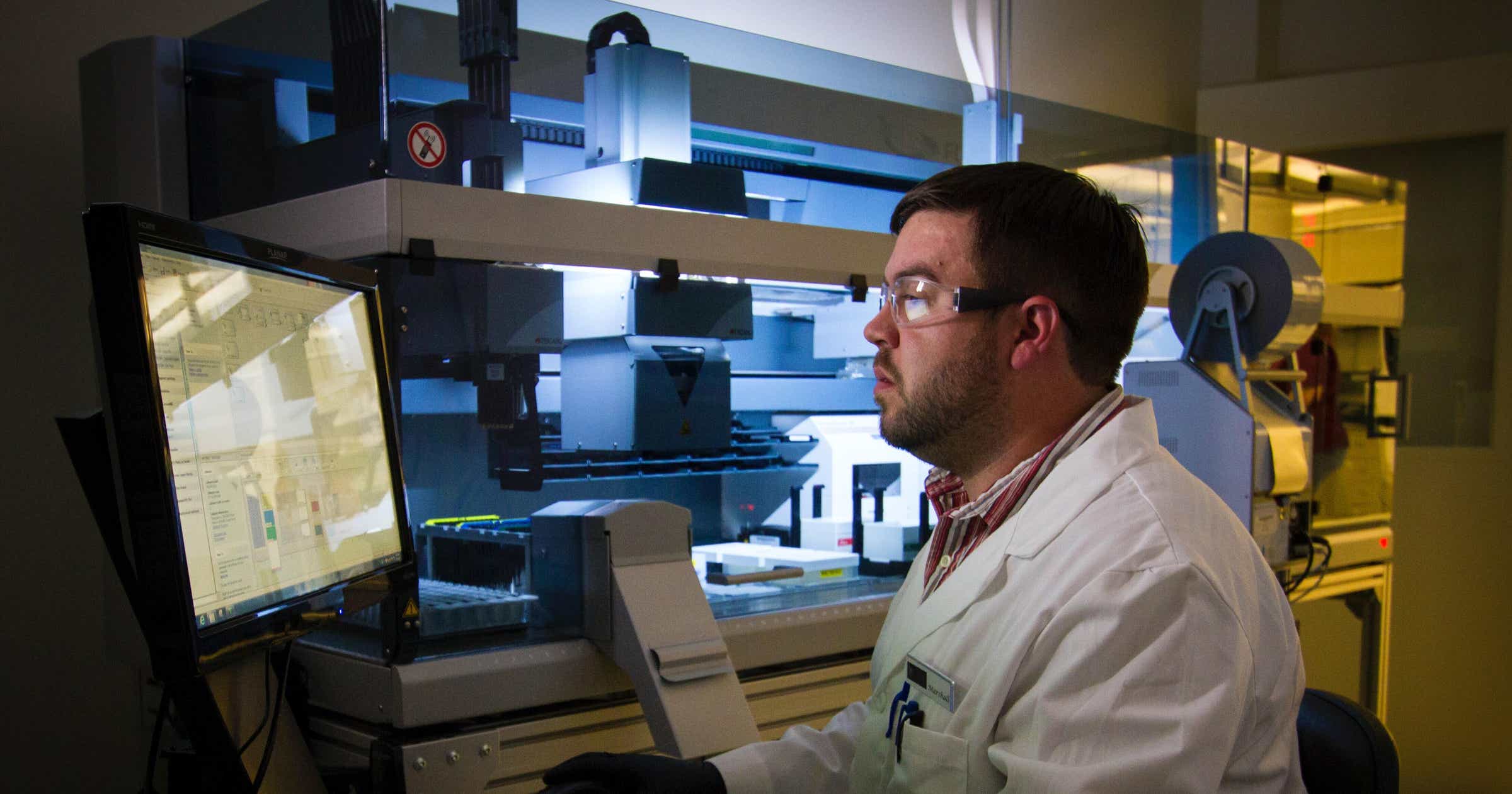
Environmental engineering today intersects advanced computational modeling, climate resilience, and strict regulatory frameworks to address pressing global challenges such as water scarcity, decarbonization, and pollution remediation. Modern practitioners apply scientific and engineering principles to design sustainable infrastructure, manage municipal and industrial waste, and restore degraded ecosystems while navigating evolving legal landscapes and economic constraints.
The Evolution of Environmental Engineering: From Sanitation to Sustainability
The historical roots of environmental engineering lie primarily in public health, civil sanitation, and municipal water treatment. During the nineteenth and early twentieth centuries, the discipline focused on controlling waterborne pathogens, building sewer networks, and managing solid waste to curb epidemic diseases in rapidly growing industrial cities. Over the decades, the scope expanded dramatically. The environmental movement of the 1960s and 1970s, marked by landmark legislation like the United States National Environmental Policy Act (NEPA) and the creation of regulatory bodies such as the Environmental Protection Agency (EPA), shifted the profession's focus from mere waste disposal to active pollution control and regulatory compliance.
Today, environmental engineering has evolved far beyond end-of-pipe treatment technologies. Modern practitioners embrace a paradigm of proactive sustainability, seeking to minimize resource consumption, eliminate waste generation at the source, and design closed-loop systems inspired by natural ecosystems. This transformation is driven by complex contemporary challenges, including global climate change, rapid urbanization, biodiversity loss, and the emergence of persistent chemical contaminants. Rather than simply treating polluted effluent or designing landfills, contemporary engineers work across the entire lifecycle of industrial processes, consumer products, and civil infrastructure to ensure long-term ecological balance.
Furthermore, the integration of advanced data analytics, artificial intelligence, and molecular biotechnology has redefined what is possible in the field. Environmental engineers now routinely collaborate with data scientists, hydrologists, urban planners, and policy experts. This interdisciplinary approach ensures that technical solutions are not only mechanically sound and economically viable but also socially equitable and resilient to long-term environmental shifts.
Core Pillars of Modern Environmental Engineering Practice
To understand the current state of environmental engineering, it is necessary to examine the primary technical domains that occupy professionals today. While the field is broad, its core pillars remain anchored in the protection of human health and the preservation of natural resources.
Water Resource Management and Advanced Treatment
Securing clean, reliable water supplies remains one of the most critical responsibilities for environmental engineers. Modern water treatment goes far beyond traditional coagulation, flocculation, sedimentation, and filtration. Engineers now design advanced oxidation processes, membrane filtration systems (such as ultrafiltration and reverse osmosis), and UV disinfection facilities capable of removing emerging contaminants.
These emerging contaminants include per- and polyfluoroalkyl substances (PFAS)—often referred to as "forever chemicals"—as well as pharmaceutical residues, microplastics, and endocrine-disrupting compounds that standard municipal facilities were never designed to capture. Additionally, engineers are heavily involved in decentralized water management systems, stormwater harvesting, and water reuse infrastructure, enabling cities to close the loop on the urban water cycle and mitigate the impacts of severe droughts and floods.
Air Quality Control and Decarbonization Pathways
Air quality engineering focuses on controlling atmospheric emissions from stationary sources (such as power plants and manufacturing facilities) and mobile sources (such as transportation networks). Engineers design particulate scrubbers, electrostatic precipitators, and selective catalytic reduction systems to limit sulfur dioxide, nitrogen oxides, and volatile organic compounds.
Concurrently, the global push toward decarbonization has placed environmental engineers at the forefront of carbon capture, utilization, and storage (CCUS) technologies. Practitioners develop systems to capture carbon dioxide directly from industrial flue gases or the ambient air, subsequently converting it into useful building materials, synthetic fuels, or sequestering it safely in deep geological formations. These efforts are vital for helping industries comply with stringent greenhouse gas reduction targets and international climate agreements.
Solid and Hazardous Waste Engineering
Managing the mountains of waste generated by modern society requires sophisticated engineering design. Modern landfills are no longer simple dumping grounds; they are highly engineered containment facilities equipped with composite liner systems, leachate collection networks, and active landfill gas extraction systems that capture methane for energy generation.
Beyond containment, environmental engineers champion circular economy principles, designing material recovery facilities (MRFs) with optical sorting technologies and automated robotics to maximize recycling efficiency. For hazardous and industrial waste, practitioners apply stabilization and solidification techniques, thermal destruction, and bioremediation to detoxify contaminated materials before final disposal or reuse.
Technological Innovations Reshaping the Field
The toolkit available to environmental engineers has expanded exponentially in recent years, driven by rapid advancements in computing power, sensor technology, and biotechnology. These tools allow for unprecedented precision in monitoring, modeling, and managing complex environmental systems.
Geographic Information Systems (GIS) and remote sensing data enable engineers to map watershed health, track deforestation, and model urban heat islands with high spatial resolution. Meanwhile, the Internet of Things (IoT) has revolutionized environmental monitoring through networks of low-cost, real-time sensors deployed in rivers, smokestacks, and urban intersections. These sensors stream continuous data into cloud-based platforms, allowing automated systems to detect contaminant leaks or air quality spikes instantly.
| Technology | Primary Application | Environmental Impact |
|---|---|---|
| Advanced Oxidation Processes (AOPs) | Destroying persistent chemical pollutants (e.g., PFAS) in water. | Breaks down toxic compounds into harmless byproducts rather than transferring them to another medium. |
| IoT Sensor Networks | Real-time monitoring of air and water quality across urban areas. | Enables rapid response to pollution events and provides granular data for public health advisories. |
| Bioremediation & Phytoremediation | Cleaning up oil spills, heavy metals, and industrial solvents using organisms. | Offers a cost-effective, in-situ solution that restores ecosystems with minimal mechanical disruption. |
| Carbon Capture and Storage (CCS) | Capturing $\text{CO}_2$ emissions from industrial sources or direct air. | Mitigates greenhouse gas concentrations to support global net-zero emission targets. |
In biological remediation, genetic sequencing and synthetic biology have allowed engineers to optimize microbial strains specifically tailored to degrade complex organic pollutants, such as chlorinated solvents or crude oil fractions, much faster than native microorganisms could achieve on their own. Similarly, phytoremediation utilizes hyperaccumulating plants to extract heavy metals from contaminated soils, providing an aesthetically pleasing and ecologically harmonious cleanup method.
Regulatory Frameworks and Compliance Challenges
Environmental engineering practice is inextricably linked to legal mandates, environmental laws, and international standards. Engineers must design systems that not only function effectively in the physical world but also satisfy rigorous legal compliance standards set by governing bodies such as the U.S. Environmental Protection Agency (EPA), the European Environment Agency (EEA), and international bodies like the International Organization for Standardization (ISO).
Navigating these regulatory frameworks presents significant challenges. Environmental regulations are becoming increasingly stringent, particularly regarding toxic chemical thresholds, carbon emissions reporting, and effluent limitations. For instance, the lowering of regulatory thresholds for contaminants like PFAS requires municipalities and industrial facilities to rapidly upgrade their existing treatment infrastructure, often at a substantial capital cost.
Furthermore, environmental engineers are frequently tasked with conducting comprehensive Environmental Impact Assessments (EIAs) and Environmental Site Assessments (ESAs) before major infrastructure projects can break ground. These assessments require meticulous data collection, predictive modeling, and extensive public stakeholder engagement to ensure that projects do not disproportionately impact vulnerable communities or protected ecosystems—a concept central to environmental justice.
Economic Realities, Costs, and Market Demand
The deployment of advanced environmental engineering solutions involves complex economic calculations. While traditional pollution control was historically viewed by corporations as a costly regulatory burden, contemporary business models increasingly recognize that sustainable engineering practices drive long-term cost savings, resource efficiency, and risk mitigation.
Capital expenditure (CAPEX) and operational expenditure (OPEX) vary wildly depending on the specific application. For example, implementing a large-scale wastewater reuse plant requires high upfront capital investment for membrane bioreactors and advanced filtration units, but it drastically reduces long-term water acquisition costs and shields municipalities from drought-induced supply shocks. Similarly, investing in energy-efficient industrial processes reduces utility expenditures while shrinking a facility's carbon tax liability.
The global job market for environmental engineers remains robust and resilient. Driven by corporate sustainability commitments, government infrastructure funding packages (such as climate resilience grants and clean water acts), and tightening environmental mandates, employment opportunities span private consulting firms, municipal water authorities, manufacturing conglomerates, and regulatory agencies. Professionals entering the field today must possess a versatile skill set that bridges traditional civil and chemical engineering with data literacy, regulatory knowledge, and project management capabilities.
Frequently Asked Questions
What is the primary focus of environmental engineering today?
The primary focus of environmental engineering today is balancing human development with ecological preservation through sustainable infrastructure design, advanced water and air pollution control, decarbonization technologies, and contaminated site remediation.
How are environmental engineers addressing "forever chemicals" (PFAS)?
Engineers are utilizing advanced treatment technologies such as granular activated carbon adsorption, high-pressure membrane filtration, and advanced oxidation processes to capture and destroy PFAS compounds in drinking water and industrial wastewater.
What role does artificial intelligence play in environmental engineering?
Artificial intelligence and machine learning are used to analyze massive environmental datasets, optimize wastewater treatment plant operations in real time, predict pollutant dispersion patterns, and model the impacts of climate change on urban drainage systems.
Are environmental engineering solutions cost-effective for businesses?
While many sustainable technologies require high initial capital investments, they frequently yield long-term savings through reduced energy consumption, lower waste disposal fees, minimized regulatory penalties, and enhanced corporate brand value.
What educational background is required to become an environmental engineer?
A career in environmental engineering typically requires a bachelor’s degree in environmental engineering, civil engineering, chemical engineering, or a closely related scientific field, often followed by professional licensure (such as a Professional Engineer credential).
Next Actions and Practical Guidance
For organizations seeking to modernize their environmental infrastructure, or for individuals looking to enter the profession, taking structured next steps is essential. Facilities should begin by conducting a comprehensive environmental audit to identify regulatory vulnerabilities, resource inefficiencies, and potential decarbonization opportunities. Consulting with licensed environmental engineering firms ensures that proposed interventions comply with current local, national, and international standards. For students and practitioners, pursuing continuous education in data analytics, emerging contaminant treatment, and sustainable design principles will remain critical for long-term career success in this rapidly evolving discipline.
Image Gallery
Select an image to open it in a new tab.


Lars Thomsen
Global Labor Markets and Economic Strategy Editor
