The Scale Used to Measure Hurricanes Explained: The Saffir-Simpson Hurricane Wind Scale
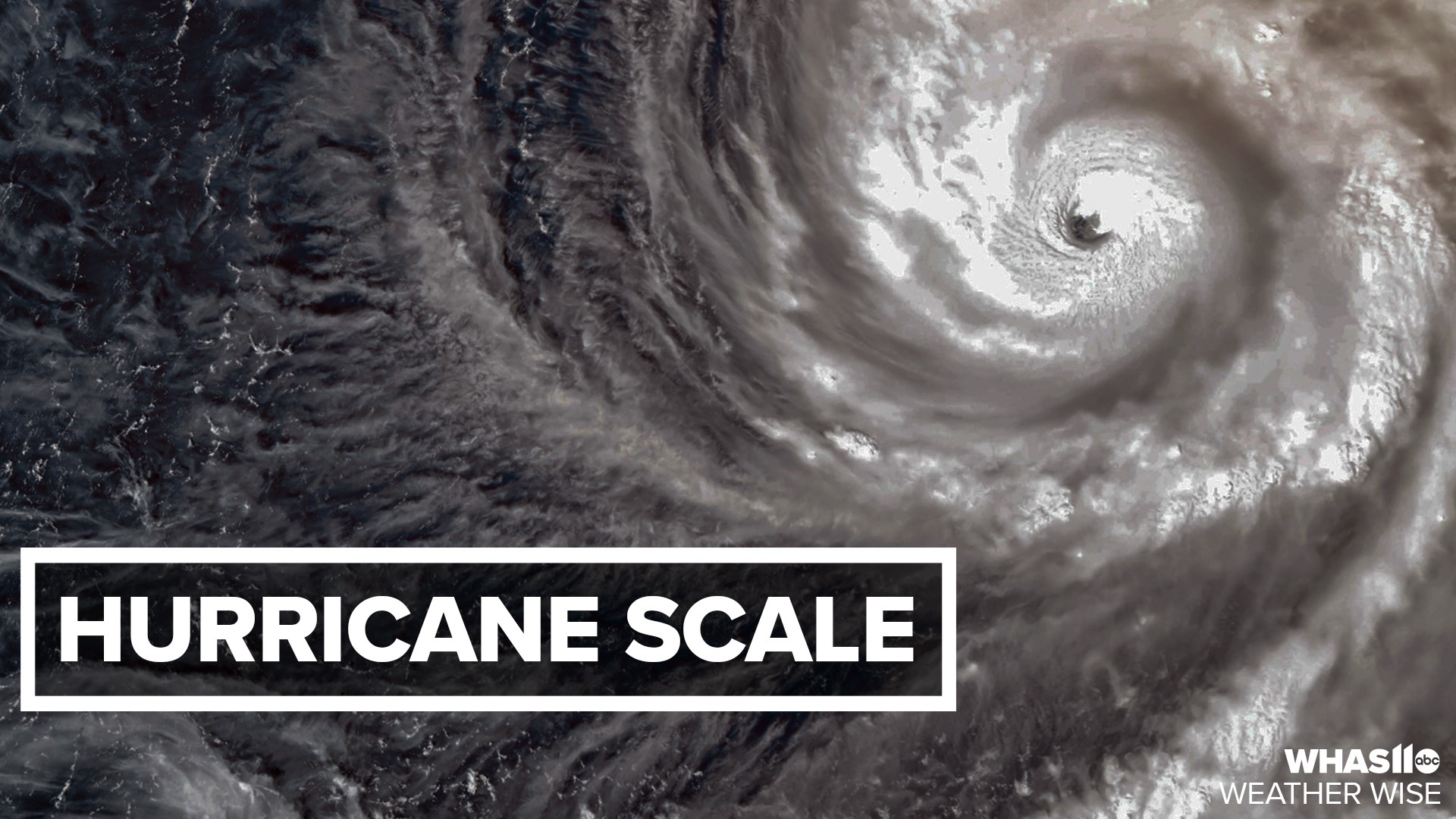
The Saffir-Simpson Hurricane Wind Scale is a 1-to-5 rating system used to categorize hurricanes based on their sustained wind speeds. It serves as a primary tool for meteorologists and emergency managers to estimate the potential property damage, flooding, and storm surge impact a hurricane may produce when it makes landfall in the Western Hemisphere.
Understanding the Saffir-Simpson Hurricane Wind Scale
When a tropical cyclone reaches maximum sustained wind speeds of 74 mph (119 km/h) or higher, it is officially classified as a hurricane in the North Atlantic and the Northeast Pacific. To communicate the intensity of these storms, the National Hurricane Center (NHC)—a branch of the National Weather Service—utilizes the Saffir-Simpson Hurricane Wind Scale (SSHWS).
The scale is strictly a wind-based metric. It was originally developed in the early 1970s by Herbert Saffir, a consulting engineer, and Robert Simpson, then-director of the National Hurricane Center. While the scale has been modified over the decades to remove references to barometric pressure and storm surge—as these factors do not always correlate perfectly with wind speed—it remains the global standard for conveying the wind-related hazards of tropical cyclones to the public.
The Five Categories of Hurricane Intensity
The scale organizes hurricanes into five distinct categories. Each level represents an increase in wind speed and a corresponding escalation in the expected severity of damage.
Category 1: Very Dangerous Winds
- Wind Speed: 74–95 mph (119–153 km/h)
- Impact: Category 1 storms cause some damage to power lines, poles, and poorly constructed signs. Roofs, shingles, vinyl siding, and gutters may sustain minor damage. While trees may be snapped or uprooted, the structural integrity of well-built homes is usually preserved. Significant power outages are common, often lasting a few days.
Category 2: Extremely Dangerous Winds
- Wind Speed: 96–110 mph (154–177 km/h)
- Impact: A Category 2 hurricane produces damage that is significant enough to cause major roof and siding damage to homes. Many shallow-rooted trees will be uprooted, potentially blocking roads. Near-total power loss is expected, with outages potentially lasting from several days to weeks.
Category 3: Devastating Damage
- Wind Speed: 111–129 mph (178–208 km/h)
- Impact: This is the threshold for what is commonly referred to as a "major" hurricane. A Category 3 storm causes devastating structural damage to well-built homes. Many trees will be snapped or uprooted, obstructing roads. Electricity and water will likely be unavailable for several days to weeks after the storm passes.
Category 4: Catastrophic Damage
- Wind Speed: 130–156 mph (209–251 km/h)
- Impact: At this intensity, well-built framed homes can sustain severe damage, including the loss of roof structures and exterior walls. Most trees will be snapped or uprooted, and power poles will be downed. The area affected may be rendered uninhabitable for weeks or months due to the destruction of infrastructure.
Category 5: Catastrophic Damage
- Wind Speed: 157 mph or higher (252 km/h or higher)
- Impact: A Category 5 hurricane represents the highest level of wind intensity. A high percentage of framed homes will be destroyed, with total roof failure and wall collapse common. Fallen trees and power poles will isolate residential areas. Power outages will last for weeks or potentially months, and most of the affected area will be uninhabitable for an extended duration.
Summary of Hurricane Classifications
| Category | Sustained Wind Speed (mph) | Sustained Wind Speed (km/h) | Damage Level |
|---|---|---|---|
| 1 | 74–95 | 119–153 | Very Dangerous |
| 2 | 96–110 | 154–177 | Extremely Dangerous |
| 3 | 111–129 | 178–208 | Devastating |
| 4 | 130–156 | 209–251 | Catastrophic |
| 5 | 157 or higher | 252 or higher | Catastrophic |
Limitations of the Scale: What It Does Not Measure
It is a common misconception that the Saffir-Simpson Hurricane Wind Scale is a comprehensive "danger" index. In reality, it measures only the sustained wind speed at the center of the storm. It explicitly does not account for several other life-threatening hazards associated with hurricanes:
- Storm Surge: The height of the ocean water pushed toward the shore is the deadliest aspect of many hurricanes, yet it is not captured by the scale. A Category 1 hurricane with a massive, slow-moving storm surge can be far more destructive to life and property than a small-diameter Category 4 hurricane that remains in open waters or makes landfall in an unpopulated area.
- Rainfall and Flooding: Hurricanes can dump massive quantities of water, leading to inland flash flooding and river flooding. This flooding often occurs hundreds of miles away from the coast, long after the winds have subsided.
- Tornadoes: Many tropical cyclones spawn tornadoes as they make landfall. These can cause localized, high-intensity damage that is not reflected in the general wind categorization.
- Storm Size: The physical diameter of a hurricane—the area over which the winds extend—varies significantly. A compact, intense hurricane and a massive, sprawling hurricane might carry the same wind speed rating but cause vastly different amounts of total damage due to the sheer size of the impact zone.
Because of these limitations, the National Hurricane Center emphasizes that the scale should be used in conjunction with local emergency management warnings, which factor in surge, precipitation, and terrain.
The Importance of Sustained Wind Speed
The Saffir-Simpson scale utilizes "sustained" wind speeds rather than peak gusts. A sustained wind speed is defined as the average wind measured at a height of 10 meters (33 feet) over a one-minute interval. This standardized measurement ensures that meteorologists have a consistent baseline for tracking the evolution of a storm.
Wind gusts, which are brief spikes in speed lasting only a few seconds, are often significantly higher than the sustained wind speeds. While gusts can cause immediate damage to loose objects or trees, sustained winds are the primary drivers of structural failure in buildings. By averaging the wind speed over one minute, the scale focuses on the sustained pressure exerted on structures, providing a more reliable metric for assessing building integrity.
Frequently Asked Questions
Why is the scale only used in the Atlantic and East Pacific?
Different regions of the world have different naming conventions and classification systems for tropical cyclones. While the Saffir-Simpson scale is standard for the Western Hemisphere, other regions, such as the Northwest Pacific or the Indian Ocean, use different metrics that may include central pressure or different wind-averaging periods.
Can a hurricane be "Category 6"?
No. While there has been public discussion regarding the potential for storms exceeding the wind speeds of a standard Category 5 event due to warming ocean temperatures, the official Saffir-Simpson Hurricane Wind Scale remains capped at Category 5. The "Catastrophic" label is intended to denote that once a storm reaches that level, survival and structural integrity are fundamentally threatened, and the focus must shift entirely to evacuation and life safety.
Does the scale change as the storm moves?
Yes. The scale is a dynamic tool. Meteorologists constantly monitor the wind speeds of a storm. A hurricane may intensify from a Category 2 to a Category 4 in a matter of hours, or it may weaken as it encounters wind shear or cooler waters. Forecasts are updated frequently to reflect the current intensity and the projected intensity at landfall.
Does the scale account for how fast the hurricane is moving?
No. The speed of the hurricane's forward motion—the speed at which the entire storm travels across the map—is distinct from the wind speed circulating around the eye. A slow-moving storm is often more dangerous because it produces significantly more rainfall over a single location, even if its wind speed category is low.
Where can I find the official current status of a hurricane?
Official, real-time information regarding hurricane classification, track projections, and watches or warnings is managed by the National Hurricane Center (NHC) via their official government website. This is the primary source for the most accurate and actionable data during an active event.
Practical Advice for Hurricane Preparedness
Regardless of the category assigned to a storm, residents in hurricane-prone regions should never wait for a specific rating before taking action. The Saffir-Simpson scale is meant to aid in the understanding of wind hazards, but it does not account for your specific vulnerability.
- Know Your Zone: Consult local emergency management offices to determine your evacuation zone.
- Understand Your Structure: Know whether your home was built to modern building codes, which offer superior protection against high winds.
- Monitor Official Sources: During a storm, rely exclusively on official alerts from the National Hurricane Center and local authorities. Do not rely on social media rumors or unverified forecasts.
- Prepare for Multiple Hazards: Have a plan that covers wind damage (securing outdoor furniture, boarding windows), storm surge (evacuating if ordered), and inland flooding (moving to higher ground if in a flood-prone area).
The best approach to hurricane safety is to prepare for the impacts of the storm rather than focusing solely on its category. Because even a tropical storm or a low-category hurricane can produce deadly flooding and damaging winds, maintaining a constant state of readiness during the hurricane season is the most effective way to protect lives and property.

Image Gallery
Select an image to open it in a new tab.
Mateo Castillo
Decentralized Finance and E-Payments Strategist
