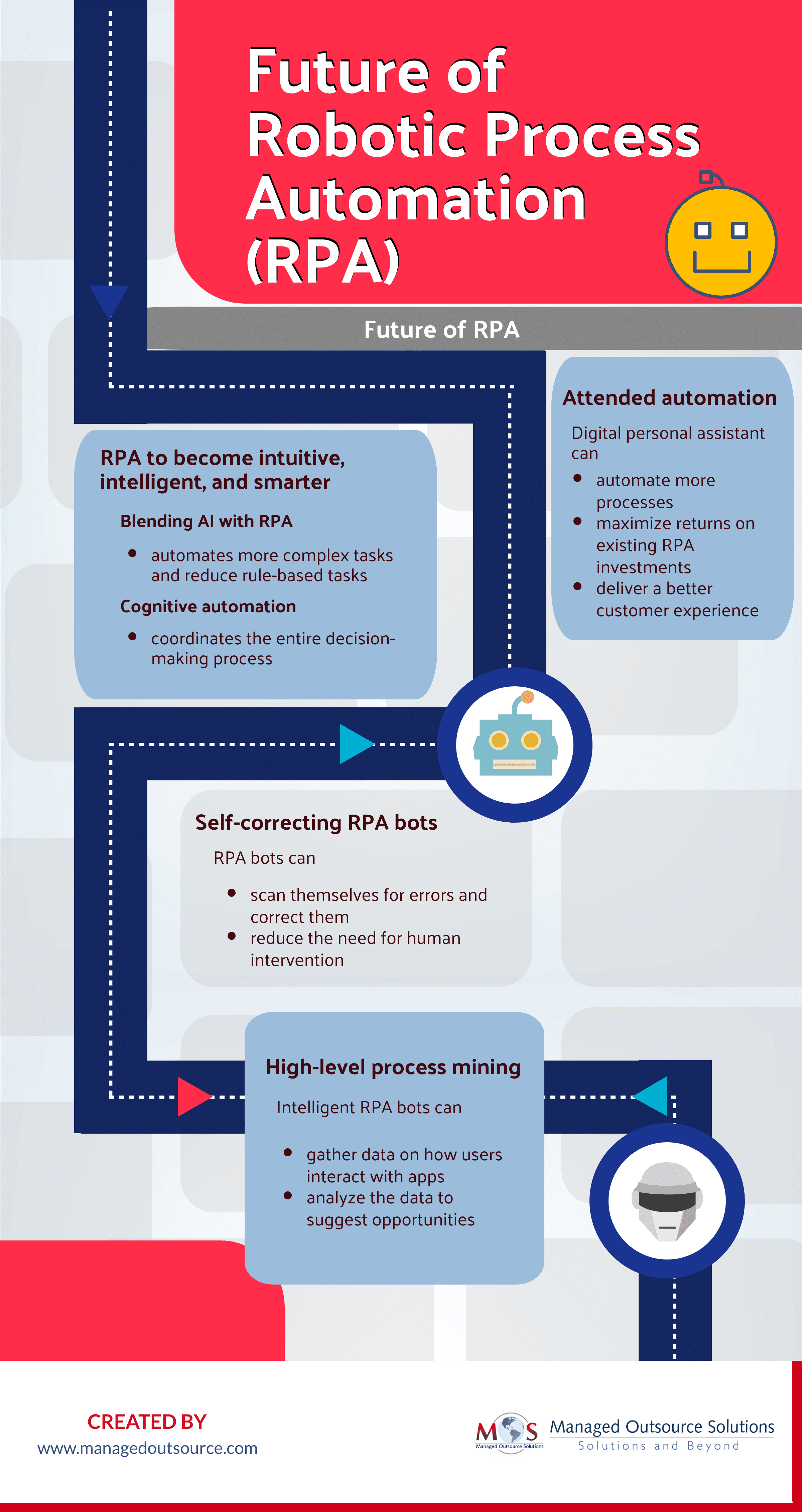
The rise of Robotic Process Automation (RPA) programs in business automation represents a fundamental shift in how organizations handle high-volume, repetitive digital tasks. By utilizing software bots to mimic human interaction with user interfaces, businesses can now achieve unprecedented operational efficiency, reduce manual error, and allow human talent to pivot toward higher-value creative and analytical roles.
Understanding the Foundation of RPA
Robotic Process Automation is a technology approach where software, often referred to as "bots" or "digital workers," is programmed to interact with enterprise applications in the same way a human would. Unlike traditional automation that often requires deep integration into back-end systems via APIs, RPA operates at the presentation layer. This capability allows it to bridge gaps between legacy systems and modern cloud-based software without requiring costly, time-consuming infrastructure overhauls.
As of 2026, the maturity of RPA programs has reached a level where they are no longer viewed merely as cost-cutting tools, but as strategic assets for digital transformation. An effective RPA program is not just about installing software; it is about establishing a framework—often called a Center of Excellence (CoE)—to manage, scale, and monitor automated workflows across the enterprise.
The Operational Mechanics: How RPA Functions
To grasp the rise of these programs, one must understand the distinct operational logic behind RPA. Most enterprise-grade RPA platforms, such as UiPath, Automation Anywhere, or Microsoft Power Automate, rely on a combination of screen scraping, rule-based logic, and workflow orchestration.
The Role of Rules and Logic
RPA excels in environments where rules are rigid and data is structured. If a process involves pulling data from an invoice, verifying it against a purchase order in an ERP system, and updating a spreadsheet, the logic is deterministic. Because these programs do not "think" but rather "execute," they are immune to the fatigue and distraction that lead to human error in data entry.
The Shift Toward Cognitive Automation
By 2026, the distinction between simple RPA and intelligent automation has blurred. Many RPA programs now incorporate Optical Character Recognition (OCR) to read unstructured documents and machine learning models to handle edge cases that would have previously halted a bot's progress. This evolution has moved RPA from simple keystroke replication to more robust cognitive processing, allowing programs to handle emails, unstructured PDF documents, and complex customer inquiries.

Strategic Drivers for Adopting RPA Programs
The widespread adoption of RPA programs is driven by several key pressures in the current business landscape. Organizations today face a critical need for agility; the ability to scale processes up or down based on market demand is a significant competitive advantage.
- Efficiency and Scalability: Bots can operate 24/7 without breaks. This creates a "force multiplier" effect where business output is decoupled from headcount, allowing companies to process large backlogs of work during off-hours.
- Error Reduction and Compliance: In industries like finance and healthcare, accuracy is not merely a preference—it is a regulatory requirement. RPA provides a granular audit trail of every action taken by the bot, simplifying compliance reporting and reducing the risk of human-induced errors.
- Employee Experience: Contrary to the concern that automation replaces humans, successful RPA programs are often marketed internally as a way to "remove the robot from the human." By delegating mind-numbing repetitive tasks to software, employees are freed to focus on complex problem-solving, which often leads to higher job satisfaction and lower turnover rates.
Comparative Overview of Automation Approaches
Selecting the right automation tool is essential for program success. The following table compares RPA against other common automation methodologies used in modern business.
| Feature | Robotic Process Automation (RPA) | API-Based Automation | Machine Learning (ML) |
|---|---|---|---|
| Primary Interface | UI/Front-end | Backend/Systems | Data Patterns |
| Development Speed | High (Low-code) | Moderate/Low | Low (High expertise) |
| Implementation | Non-invasive | Requires integration | Requires data training |
| Best For | Legacy system tasks | High-volume APIs | Pattern recognition |
| Cost to Scale | Low to Moderate | High | High |
Requirements for a Successful RPA Implementation
Launching an RPA program requires more than just purchasing a license. Organizations that attempt to implement automation without a structured roadmap frequently encounter "automation debt," where poorly maintained bots become more expensive to support than the manual process they replaced.
1. Identifying the Right Processes
Not every process is a candidate for RPA. The best candidates share three traits: they are highly repetitive, stable, and data-driven. Processes that require high degrees of nuance, empathy, or physical interaction remain the domain of human employees.
2. Establishing a Center of Excellence (CoE)
A CoE is a centralized team responsible for the governance of RPA programs. This team defines the standards for how bots are built, how their performance is measured, and how security protocols are enforced. Without a CoE, an organization risks "bot sprawl," where different departments build disparate, unmanaged, and insecure automation projects.
3. Change Management
Automation changes how teams work. Effective leadership must communicate that the goal of the RPA program is to augment human capabilities, not to replace roles. Transparency regarding how tasks will shift and providing clear training for staff on how to collaborate with digital assistants is vital for the sustainability of the program.
Common Challenges and Troubleshooting
Even with careful planning, organizations often face hurdles. Identifying these early is key to maintaining a healthy RPA ecosystem.
- Brittle Automations: If an application's UI changes (e.g., a button is moved or a field name changes), an RPA bot might fail. To mitigate this, developers should use stable identifiers, such as object tags rather than coordinate-based mapping.
- Process Drift: Over time, the manual process may change. If the bot is not updated to reflect these changes, it will continue to execute the old logic, leading to inaccurate results. Regular auditing of bot logic is a non-negotiable requirement.
- Security and Governance: Because bots interact with sensitive applications, they often require high-level credentials. Implementing "least privilege" access—where a bot only has the permissions strictly necessary for its specific task—is the standard security posture for any mature RPA program.
Frequently Asked Questions
What is the difference between RDA and RPA? RDA (Robotic Desktop Automation) is an attended form of automation where the bot runs on the user’s machine to assist them with tasks in real-time. RPA (Robotic Process Automation) typically refers to unattended automation, where the bot runs on a server and processes tasks in the background without human intervention.
Do I need to rewrite my applications to support RPA? No. One of the primary advantages of RPA is that it is "non-invasive." It interacts with the UI of your current applications, meaning you do not need to alter your legacy database or perform expensive API integrations to start automating.
How do I measure the ROI of my RPA program? ROI is typically measured in "Full-Time Equivalent" (FTE) hours saved, reduction in error rates, and the speed of process completion. You should compare the cost of license and maintenance against the reclaimed labor hours and the value generated by the increased accuracy.
Is RPA the same as Artificial Intelligence (AI)? No, although they are often used together. RPA is "rules-based" and executes exact instructions. AI is "data-based" and can learn, interpret, and make predictions. Modern programs often pair RPA with AI to handle tasks that require both logic and intelligence.
Can RPA handle complex decision-making? Standard RPA cannot, but it can be integrated with decision-support systems. If a process requires a judgment call, the bot can be programmed to flag the item for human review and resume the process only after a human provides an input.
Next Actions for Business Leaders
To initiate or improve your RPA program, begin by auditing your current operations. Identify three high-volume, low-complexity processes—such as employee onboarding, invoice processing, or report generation—that are currently consuming the most human hours. Initiate a pilot project with a single vendor to prove value in one of these areas before attempting a company-wide rollout. By focusing on a "land and expand" strategy, you can build organizational confidence and secure the necessary support to scale your automation initiatives effectively.
Image Gallery
Select an image to open it in a new tab.



Declan O'Connor
Higher Education and Campus Culture Reporter
