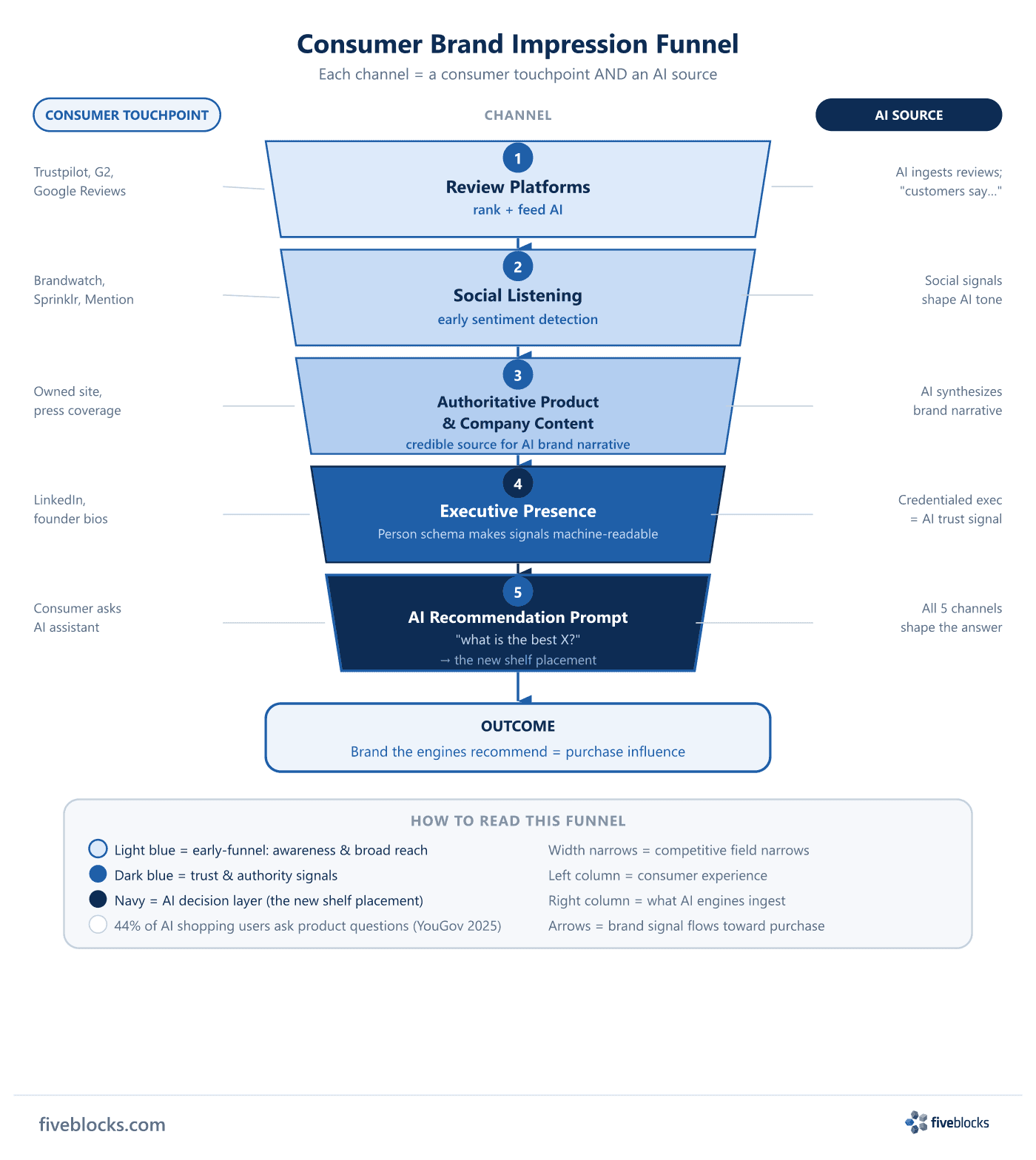
Improving brand reputation requires a deliberate, multi-step process that involves auditing your current public standing, addressing customer complaints, optimizing digital assets, and consistently delivering on your core promises. By treating brand reputation management as an ongoing operational discipline rather than an emergency response tactic, organizations can build long-term public trust, protect their market share, and recover effectively from negative publicity.
1. Conduct a Comprehensive Brand Audit
Before you can fix or improve your reputation, you must establish an accurate baseline of how the public, your customers, and industry peers currently perceive your organization. A brand audit cuts through internal assumptions and reveals the real gaps between your brand identity and market reality.
Gathering Qualitative and Quantitative Data
Start by collecting data across all available touchpoints. This phase requires looking beyond vanity metrics like total followers or website traffic to focus on sentiment, engagement quality, and direct feedback.
- Search Engine Results Page (SERP) Analysis: Search your brand name, key executives, and flagship products in incognito mode. Examine the top three pages of results. Identify whether negative reviews, outdated press releases, or competitor comparisons dominate the conversation.
- Customer Support Logs: Review historical support tickets, live chat transcripts, and email inquiries. Categorize complaints by frequency and severity to identify chronic product or service failures.
- Social Listening: Utilize monitoring tools to track unmentioned brand references, hashtag sentiment, and industry discussions. Pay attention to the tone and context of these conversations.
- Stakeholder Surveys: Deploy Net Promoter Score (NPS) and Customer Satisfaction (CSAT) surveys to active customer segments to gauge loyalty and immediate satisfaction levels.
Analyzing the Findings
Once data collection is complete, synthesize the findings into a centralized report. Map out the primary friction points causing negative sentiment. Determine whether your reputation challenges stem from operational failures, poor customer communication, or malicious attacks and misinformation. This diagnostic step ensures that subsequent resources are directed toward the root causes of reputational damage rather than surface-level symptoms.
2. Optimize Digital Properties and Search Presence
Your digital footprint is often the first point of contact for prospective customers, partners, and media professionals. Ensuring that your owned digital assets project authority, accuracy, and professionalism is a non-negotiable step in reputation management.
Auditing Owned Channels
Your website, blog, and official social media profiles serve as your primary narrative control centers. Every asset must be rigorously inspected:
- Website Transparency: Ensure your "About Us" page clearly outlines your leadership team, company history, mission, and physical headquarters. Anonymous or opaque websites immediately trigger skepticism.
- Contact Accessibility: Make customer service channels obvious and responsive. Providing clear telephone numbers, physical addresses, and verified support email addresses builds foundational trust.
- Security and Compliance: Verify that your website utilizes secure protocols (HTTPS) and complies with relevant regional data privacy regulations, such as the General Data Protection Regulation (GDPR) or the California Consumer Privacy Act (CCPA).
Securing and Updating Profiles
Claim and verify every relevant business listing across major directories, including Google Business Profile, Yelp, Trustpilot, and industry-specific platforms. Ensure that your business name, address, phone number (NAP), and operational hours are uniform across all channels. Inconsistent directory data confuses search engines and frustrates users attempting to interact with your business.

3. Implement a Proactive Review and Feedback Strategy
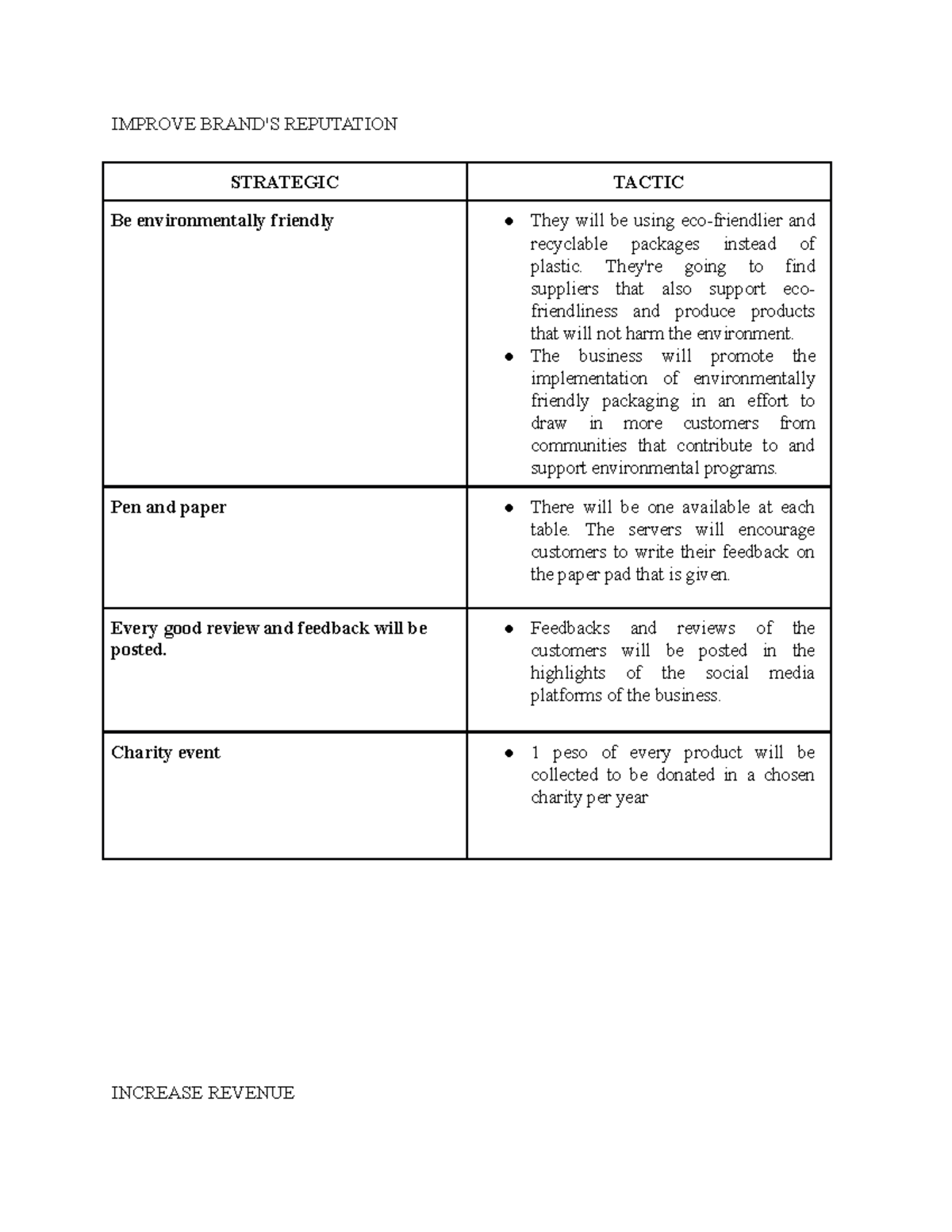
Customer reviews heavily influence consumer decision-making. Ignoring reviews or reacting defensively to criticism accelerates brand decay. A proactive strategy encourages positive testimonials while neutralizing negative feedback through structured engagement.
Encouraging Positive Reviews
Make the feedback loop frictionless for satisfied customers. Following a successful purchase or service interaction, automated systems can send a polite invitation requesting an honest review on a platform of the customer's choice.
- Timing matters: Request feedback immediately after value has been delivered, not weeks later.
- Keep instructions simple: Provide direct hyperlinks to your preferred review profiles.
- Never incentivize reviews in violation of platform terms of service or regulatory guidelines set by bodies like the Federal Trade Commission (FTC), as fake or incentivized praise can trigger severe penalties and public exposure.
Handling Negative Feedback Gracefully
Negative reviews offer an opportunity to demonstrate accountability and customer-centricity to prospective buyers reading the thread.
- Response Time: Acknowledge negative public reviews within 24 to 48 hours. Delays signal apathy.
- Tone and Empathy: Maintain a calm, professional, and empathetic tone. Never argue with a reviewer publicly.
- Offline Resolution: Validate the customer's frustration, apologize for the shortfall, and provide a direct channel (such as a specialized email or phone number) to resolve the underlying issue offline.
- Follow-Up: Once the issue is resolved, invite the customer to update their review to reflect the resolution, though never demand or pressure them to do so.
| Review Management Phase | Primary Objective | Best Practice | Common Pitfall |
|---|---|---|---|
| Audit | Identify sentiment and visibility gaps | Monitor all major third-party platforms monthly | Focusing only on top-tier review sites |
| Collection | Generate authentic, organic feedback | Automate polite requests post-purchase | Offering rewards or discounts for five-star reviews |
| Response | Demonstrate accountability publicly | Acknowledge, empathize, and take the conversation offline | Arguing with reviewers or deleting legitimate criticism |
| Analysis | Uncover operational flaws | Aggregate review themes into product and service updates | Treating every negative review as an isolated incident |
4. Elevate Content Quality and Thought Leadership
Reputation is reinforced by demonstrated expertise. By publishing authoritative, helpful, and transparent content, your brand can shape its own narrative and outrank harmful or mediocre third-party content in search engines.
Establishing Expertise and Authority
Create content that directly addresses the core pain points of your target audience without resorting to aggressive self-promotion.
- Publish in-depth whitepapers, case studies, and transparent research reports related to your industry.
- Encourage executive leadership and subject-matter experts within your organization to publish articles on professional networks, participate in reputable industry podcasts, and speak at conferences.
- Ensure all published materials undergo rigorous fact-checking and editorial review to maintain credibility.
Crisis Communications Planning
Even with pristine operations, reputational crises occur. Developing a crisis communications framework before an incident happens ensures rapid, controlled responses. Your plan should define:
- The designated crisis response team and legal counsel.
- Pre-approved holding statements for common scenarios.
- Communication channels prioritized for internal teams, media outlets, and the general public.
- Protocols for halting scheduled marketing automation and social media posts during active crises.
5. Measure Progress and Iterate Long-Term
Reputation management is not a one-time project; it is an enduring business practice. Establishing key performance indicators (KPIs) allows your team to track improvements and pivot when new challenges emerge.
Key Metrics to Track
Monitor quantitative and qualitative metrics on a quarterly basis:
- Brand Sentiment Ratio: The proportion of positive, neutral, and negative mentions across social media and news outlets.
- SERP Composition: The percentage of positive or owned search results occupying the first page for key brand terms.
- Review Velocity and Average Rating: The rate at which new reviews arrive and the upward or downward movement of your aggregate star rating.
- Customer Retention and Churn Rates: Long-term loyalty indicators that reflect whether public trust is translating into sustained commercial relationships.
By maintaining constant vigilance, prioritizing ethical operations, and addressing customer grievances with urgency and empathy, organizations can steadily rebuild and safeguard their brand reputation in any market environment.
Image Gallery
Select an image to open it in a new tab.




Ingrid Bjornson
Global Cyber Policy and Regulation Analyst
