Financial abuse is a pervasive yet frequently overlooked form of domestic violence that restricts a victim's ability to acquire, use, and maintain economic resources, thereby reinforcing dependence on an abuser and trapping them within an unsafe environment.
Understanding the Landscape of Financial Control
Domestic violence extends far beyond physical acts and visible trauma. One of the most insidious manifestations of this abuse is economic control—often referred to in research and legal contexts as financial abuse. Because it rarely leaves physical marks, this form of control often goes unnoticed by friends, family, and even service providers. Perpetrators utilize a spectrum of tactics designed to sabotage employment, drain savings, accumulate unauthorized debt, and control every facet of household spending. This systematic economic strangulation effectively strips victims of their autonomy, making the prospect of leaving an abusive relationship financially impossible without external intervention.
The consequences of this unseen control can persist for years after an individual leaves an abusive partner. Ruined credit scores, legal liabilities tied to fraudulent debt, and employment gaps create structural barriers to rebuilding an independent life. Understanding how these mechanisms operate is the first step toward recognizing the signs, supporting affected individuals, and navigating the complex legal and financial recovery process.
Common Tactics of Economic Subjugation
Abusers employ varied and calculated methods to establish and maintain financial dominance. These tactics generally fall into three distinct operational categories: employment sabotage, direct resource control, and coerced debt. Recognizing these behaviors helps bridge the gap between private suffering and institutional recognition.
Employment Sabotage and Career Interference
A primary objective of financial abuse is preventing economic independence. Perpetrators frequently undermine a victim's ability to maintain employment or pursue education through several disruptive behaviors:
- Workplace Harassment: Making excessive phone calls, sending intrusive emails, or showing up unannounced at the victim's workplace to create tension with employers and colleagues.
- Sabotaging Transportation: Hiding car keys, tampering with vehicles, or withholding funds designated for public transit to ensure the victim misses shifts or interviews.
- Interference with Performance: Sleep deprivation or withholding childcare access the night before an important workday, leading to decreased performance or absenteeism.
Direct Resource and Budgetary Control
Once income is generated, abusers often implement strict surveillance and restriction protocols over everyday finances. Victims may be forced to account for every single cent spent, denied access to bank accounts, or given an unlivable allowance. In these scenarios, the abuser often controls all joint assets while maintaining separate accounts hidden from the victim. This dynamic creates a severe power imbalance, where basic necessities—such as groceries, medical care, and clothing for children—are used as tools of reward and punishment.
Coerced and Fraudulent Debt Accumulation
Perhaps the most damaging long-term tactic is the accumulation of debt in the victim's name without their knowledge or consent. This includes opening credit cards, taking out high-interest personal loans, or defaulting on mortgages and utility bills tied to both parties. Because financial institutions hold both signatories legally responsible for joint debts, victims frequently find themselves saddled with thousands of dollars in liabilities that destroy their credit ratings and eliminate their borrowing power.
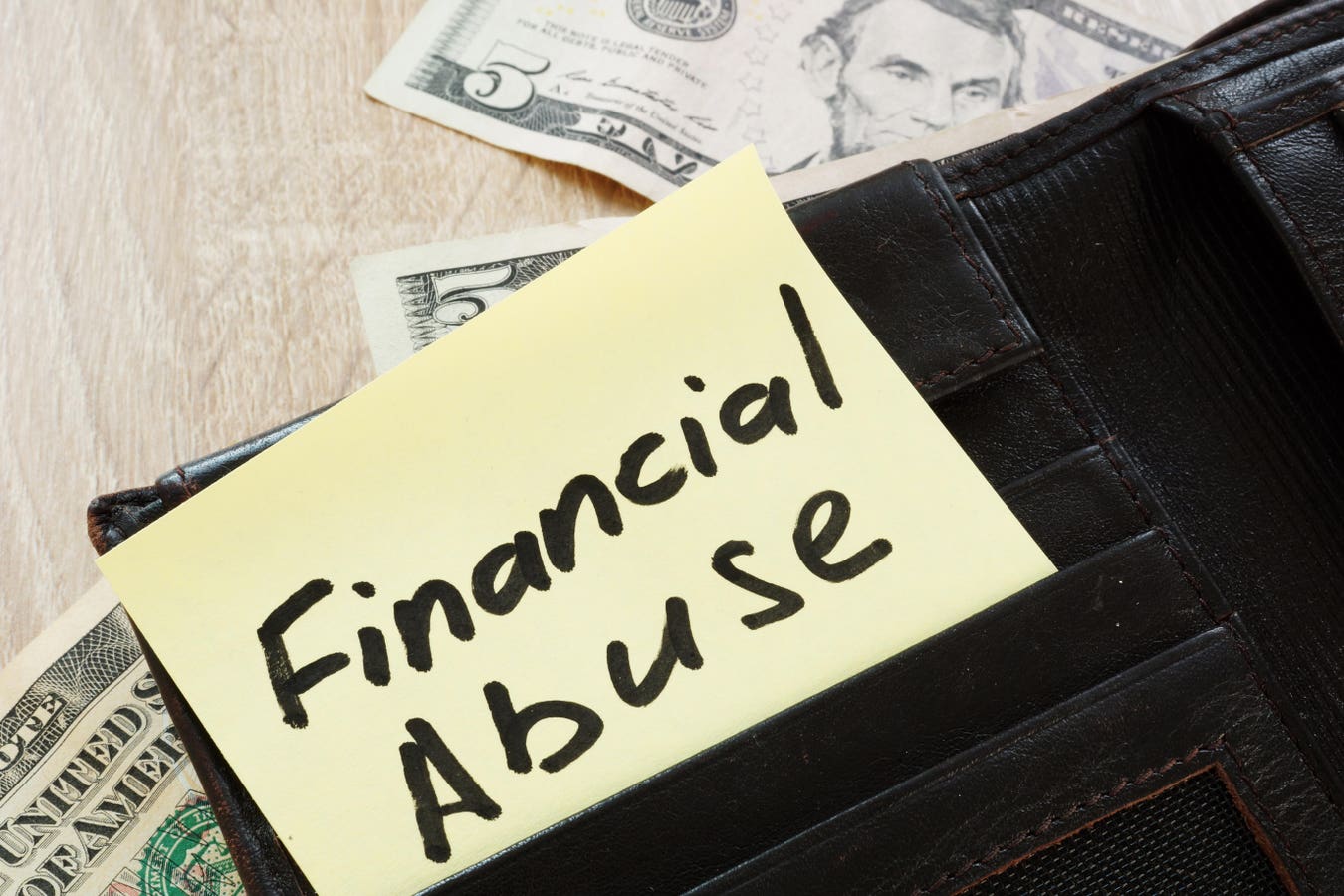
Mechanics of Economic Abuse
| Abuse Category | Primary Behavioral Tactics | Long-Term Financial Impact |
|---|---|---|
| Employment Interference | Forcing absenteeism, harassing workplaces, withholding transportation | Job loss, stalled career progression, reduced lifetime earnings |
| Asset & Budget Control | Restricting account access, micro-managing spending, withholding cash | Inability to cover basic needs, severe dependency, lack of emergency savings |
| Coerced Debt | Opening unauthorized accounts, forcing co-signing on loans, defaulting | Ruined credit history, collection lawsuits, bankruptcy filings |
Institutional and Legal Frameworks
Addressing financial abuse requires an understanding of how legal systems and financial institutions handle economic control. Historically, civil and criminal laws focused exclusively on physical assault and immediate threats of violence. However, legal definitions are evolving to recognize coercive control and economic abuse as distinct forms of domestic violence.
In many jurisdictions, specialized legislation allows courts to issue protection orders that address financial matters, such as granting temporary exclusive use of a home or ordering the abuser to maintain utility payments. Despite these advancements, proving economic control in a court of law remains challenging. Financial institutions often treat debt incurred during a marriage or cohabitation as joint responsibility, regardless of whether one partner forced the other to incur it. Overcoming these hurdles requires meticulous documentation, specialized legal aid, and advocacy tailored to the intersection of domestic violence and consumer law.
Strategies for Identification and Risk Assessment
Identifying financial abuse demands acute awareness of subtle behavioral shifts and structural anomalies. Because victims may feel ashamed or isolated, professionals—including healthcare workers, social workers, and financial advisors—must look for diagnostic indicators during routine interactions.
Key warning signs that an individual may be experiencing hidden economic control include:
- Sudden Financial Strain: An individual with a stable income who consistently reports being unable to afford basic personal or family necessities.
- Reluctance or Inability to Make Independent Decisions: Seeking permission from a partner for minor purchases or expressing fear regarding the financial consequences of spending small amounts.
- Unexplained Credit Issues: Discovering collection accounts, high credit utilization, or defaults that the individual cannot explain or remember authorizing.
- Absence of Financial Literacy: Being completely excluded from household budgeting, banking passwords, or knowledge of shared assets and tax documents.
Conducting a risk assessment in these scenarios requires prioritizing physical safety. Abusers often escalate control tactics when they sense an attempt by the victim to regain economic independence or separate. Therefore, safety planning must accompany any financial intervention.
Practical Steps Toward Financial Independence
Rebuilding financial stability after or during domestic violence is a gradual process that demands strategic planning, patience, and professional support. While safety planning must always take precedence, taking systematic steps toward economic autonomy can break the cycle of abuse.
Securing Personal Documentation
Before initiating a separation, accumulating essential documents is vital for proving identity, securing employment, and accessing public assistance. Where possible, secure physical or digital copies of:
- Birth certificates and Social Security cards.
- Tax returns from previous years and current pay stubs.
- Bank statements, loan agreements, and credit reports.
- Passports, immigration documents, and insurance policies.
Establishing Independent Financial Lifelines
Opening a secure, private bank account that the abuser cannot access is a critical milestone. Victims should consider opening an account at a completely different financial institution than the one used jointly, and opt for paperless statements sent to a secure email address or a trusted third party to prevent mail interception. For those with compromised credit, managing small prepaid cards or secured credit cards can assist in slowly rebuilding financial standing without triggering immediate collection actions.
Addressing Coerced Debt and Credit Repair
Mitigating the damage caused by fraudulent or coerced debt involves reporting identity theft and financial fraud to relevant authorities and credit bureaus. Victims can work with consumer protection attorneys or specialized legal aid clinics to dispute fraudulent accounts. Under specific regulatory frameworks, victims of identity theft or coerced debt may be eligible to have fraudulent accounts removed from their credit reports, though this process requires filing police reports and formal affidavits detailing the abuse.
Frequently Asked Questions
What is financial abuse in the context of domestic violence?
Financial abuse is a pattern of behavior where one intimate partner controls, exploits, or sabotages the other's access to economic resources. This restricts the victim's capacity to support themselves, forces complete financial dependence, and limits their ability to escape the abusive environment safely.
How can I check for secret debt or fraudulent accounts opened in my name?
You can check for unauthorized debt by obtaining a free annual copy of your credit report from major credit reporting agencies such as Equifax, Experian, and TransUnion. Review the report carefully for unfamiliar credit cards, loans, or inquiries that you did not authorize.
Can I be held legally responsible for debts my abusive partner opened without my permission?
Generally, joint accounts render both parties legally liable for the total balance, regardless of who made the charges. However, if an abuser opened accounts exclusively in your name using your personal information without consent, this constitutes identity theft or coerced debt, which can sometimes be disputed with creditors and credit bureaus using fraud affidavits and police reports.
What immediate steps should I take if I suspect my banking information is monitored?
If you suspect your accounts or digital devices are monitored, use a safe, untraceable computer or phone—such as one at a public library, a trusted friend's house, or a local domestic violence resource center—to access your financial information. Change all passwords, enable two-factor authentication using a secure device, and consider moving your funds to a new financial institution.
Are there specialized organizations that help victims of financial abuse?
Yes, numerous non-profit organizations, domestic violence coalitions, and legal aid societies offer specialized financial empowerment programs, micro-grants, and pro bono legal assistance designed specifically to help survivors navigate debt recovery, employment training, and housing stabilization.
Next Actions and Professional Support
Navigating economic control requires a multidisciplinary approach that combines personal safety planning with expert guidance. If you or someone you know is experiencing domestic violence or financial abuse, reach out to confidential support services immediately. In the United States, the National Domestic Violence Hotline provides 24/7 support, safety planning, and connections to local resources via phone at 1-800-799-SAFE (7233) or by texting "START" to 88788. Consult with a qualified legal aid attorney or a certified financial counselor who specializes in survivor advocacy to build a tailored plan toward long-term safety and economic independence.
Image Gallery
Select an image to open it in a new tab.
Celine Dubois
Contemporary Living and Global Arts Columnist
