The Reality of Celebrity Survivors of Breast Cancer: Beyond the Public Narrative
The reality of celebrity survivors of breast cancer often diverges from the polished, inspirational stories presented in media headlines. While high-profile figures can mobilize funding and awareness, the clinical journey, recovery, and long-term psychosocial impact of the disease remain deeply personal, multifaceted experiences that defy the singular "brave survivor" archetype.
The Power and Peril of the Celebrity Cancer Narrative
When a well-known personality shares a breast cancer diagnosis, the immediate impact is a surge in public awareness. This phenomenon, often termed the "Angelina Effect"—referencing Angelina Jolie’s 2013 announcement regarding her preventative double mastectomy—demonstrates how celebrity transparency can drive real-world medical behavior. Following high-profile disclosures, oncologists often report a measurable spike in requests for screenings, genetic counseling, and consultations for risk-reducing surgeries.
However, the reality of celebrity survivorship is frequently sanitized for public consumption. Journalists and PR representatives often frame the narrative through the lens of individual triumph, focusing on "beating" the disease through willpower and positivity. This framing can inadvertently alienate non-celebrity patients who face different outcomes, including metastatic progression, debilitating side effects, or financial toxicity. The celebrity narrative often omits the mundane, grueling nature of treatment—the physical exhaustion following radiation, the cognitive fog induced by chemotherapy, and the complex emotional labor of navigating a public identity while undergoing profound physical changes.
Dissecting the Clinical Experience
For celebrities, as for the general population, the clinical journey is governed by medical stage, tumor biology, and treatment protocols. The difference lies in the access to care and the infrastructure of support. Celebrities often have the financial resources to consult top-tier experts, seek second opinions at renowned cancer centers, and utilize private, concierge nursing care that shields them from the logistical hurdles of the standard healthcare system.
Despite these advantages, biology remains an equalizer. A tumor’s receptor status—whether it is hormone receptor-positive, HER2-positive, or triple-negative—dictates the treatment trajectory regardless of the patient's fame. The clinical reality for most breast cancer survivors involves a spectrum of interventions:
- Surgical Intervention: Ranging from lumpectomies to radical mastectomies, with or without reconstructive surgery.
- Systemic Therapies: Adjuvant or neoadjuvant chemotherapy, immunotherapy, and endocrine therapies (such as tamoxifen or aromatase inhibitors) which can span years.
- Radiation Therapy: Targeted beams to clear residual microscopic disease, often involving daily hospital visits for weeks.
The "reality" that is rarely highlighted in celebrity profiles is the duration of these treatments. While a magazine feature might cover a three-month arc of diagnosis and recovery, the hormonal suppression therapies that follow can last five to ten years, causing persistent side effects like bone density loss, joint pain, and menopausal symptoms.
Psychological Burdens of Public Visibility
One distinct challenge for celebrity survivors is the "performance of recovery." When a star returns to the red carpet or a filming schedule, the public assumes a return to normalcy. Yet, for many, the physical and psychological toll of breast cancer leaves invisible scars.
The expectation to remain resilient can lead to a form of suppressed grief. Patients are often praised for their strength, which creates a social barrier to expressing vulnerability or fear of recurrence. This expectation of "grace under pressure" can exacerbate the isolation inherent in the cancer experience. Furthermore, because their bodies are their primary tools of trade, actors and performers often face immense pressure to address aesthetic changes—such as scars, asymmetrical reconstruction, or hair loss—in a way that meets industry standards, rather than prioritizing their own holistic healing process.
Comparing the Public and Private Survivorship Landscapes
| Feature | Celebrity Survivor Experience | General Patient Experience |
|---|---|---|
| Healthcare Access | Priority access, top specialists, private nursing. | Reliance on insurance networks, standard facility wait times. |
| Financial Burden | Resources often cover costs; income continues. | Significant risk of medical debt and career disruption. |
| Support Systems | Managed via professional assistants/teams. | Often falls on immediate family and community networks. |
| Public Disclosure | Controlled via media, PR, and social platforms. | Private decision, often navigating workplace stigma. |
| Follow-up Care | Often involves wellness retreats and nutritionists. | Often limited to clinical oncology check-ups. |
The Myth of the "Warrior" Archetype
The language used in media—"fighting," "battling," and "winning"—is pervasive in celebrity cancer reporting. While this provides a sense of agency, it creates a dangerous binary. If a patient is a "warrior" who "won," what does that imply for the patient whose cancer recurs, or who reaches a stage IV diagnosis?
By emphasizing the "warrior" metaphor, society risks holding survivors responsible for their biological outcomes. This, in turn, pressures celebrities to maintain a facade of health even when they are struggling. The reality is that breast cancer is a biological process that is not inherently controlled by an individual’s attitude. Authentic survivorship includes the days of despair, the physical limitations, and the uncertainty of future scans—none of which should be viewed as a failure of spirit.
Addressing Health Disparities and Equitable Access
The visibility of celebrity survivors like Julia Louis-Dreyfus or Cynthia Nixon has undoubtedly brought attention to breast cancer, yet it also highlights the stark reality of healthcare inequity. When a celebrity shares their story, it creates a contrast with the millions of women who lack insurance coverage, access to specialized diagnostic imaging, or the ability to take extended time off work for treatment.
The "reality" of the broader breast cancer epidemic is that social determinants of health—such as zip code, socioeconomic status, and race—are stronger predictors of outcomes than the inspiration provided by celebrity narratives. Equity in breast cancer care requires shifting focus from the high-profile survivors who have the means to navigate the system, to the systemic reforms that ensure every patient, regardless of their status, receives timely diagnosis and high-quality, comprehensive treatment.
Navigating Life After Treatment
For the survivor, the transition from "patient" to "survivor" is not a definitive endpoint. It is a transition into a new phase of chronic health management. Long-term surveillance is required to monitor for recurrence, often involving biannual or annual imaging, blood work, and consultations with oncologists.
For many, this period is marked by "scanxiety"—the psychological distress experienced in the days leading up to regular follow-up screenings. This is a universal reality that even the most high-profile survivors encounter. The persistent fear that the disease might return is perhaps the most grounding, humanizing aspect of the cancer experience, regardless of whether one is a global superstar or a private individual.
Frequently Asked Questions
Does celebrity transparency actually save lives? Yes, clinical studies indicate that high-profile disclosures—such as those by Angelina Jolie or other prominent stars—are correlated with increased screening rates and more proactive genetic testing in the general public. This is known as the "celebrity effect" and acts as a significant public health nudge.
Why is the term "warrior" discouraged by some advocates? The "warrior" or "battle" metaphor frames cancer as a competition that the patient can win through willpower. This can be harmful to those with stage IV or metastatic disease, as it inadvertently suggests that their cancer progression is a result of not "fighting hard enough," rather than the biological nature of the disease.
What is "financial toxicity" in breast cancer? Financial toxicity refers to the high cost of cancer care, which can include co-pays, high deductibles, lost wages, and non-medical costs like travel and childcare. For many patients, these financial burdens are as significant as the physical symptoms, leading to delays in treatment or debt.
How do celebrities handle the pressure of public recovery? Many celebrities hire professional communication teams to manage their public image while they navigate the private, difficult aspects of healing. However, they still face the psychological strain of needing to "perform" wellness for their audiences, which can often conflict with their genuine recovery needs.
What are the primary differences in long-term surveillance? There is no difference in the medical standard of care for surveillance; all patients are typically monitored through regular imaging and clinical exams. The difference often lies in the ease of accessing these appointments and the surrounding support, such as physical therapy or psychological counseling, which are easier to secure with private resources.
A Recommendation for Moving Forward
For those seeking to support the breast cancer community or better understand the landscape of survivorship, it is essential to look beyond the headlines. Whether you are a patient, a caregiver, or a concerned observer, prioritize evidence-based information over narrative-driven media. Support organizations that advocate for systemic policy changes in healthcare access, as these initiatives address the fundamental inequities that the "celebrity story" often masks. By focusing on equitable care and the long-term, often invisible reality of the disease, we can foster a more compassionate and realistic environment for all survivors.
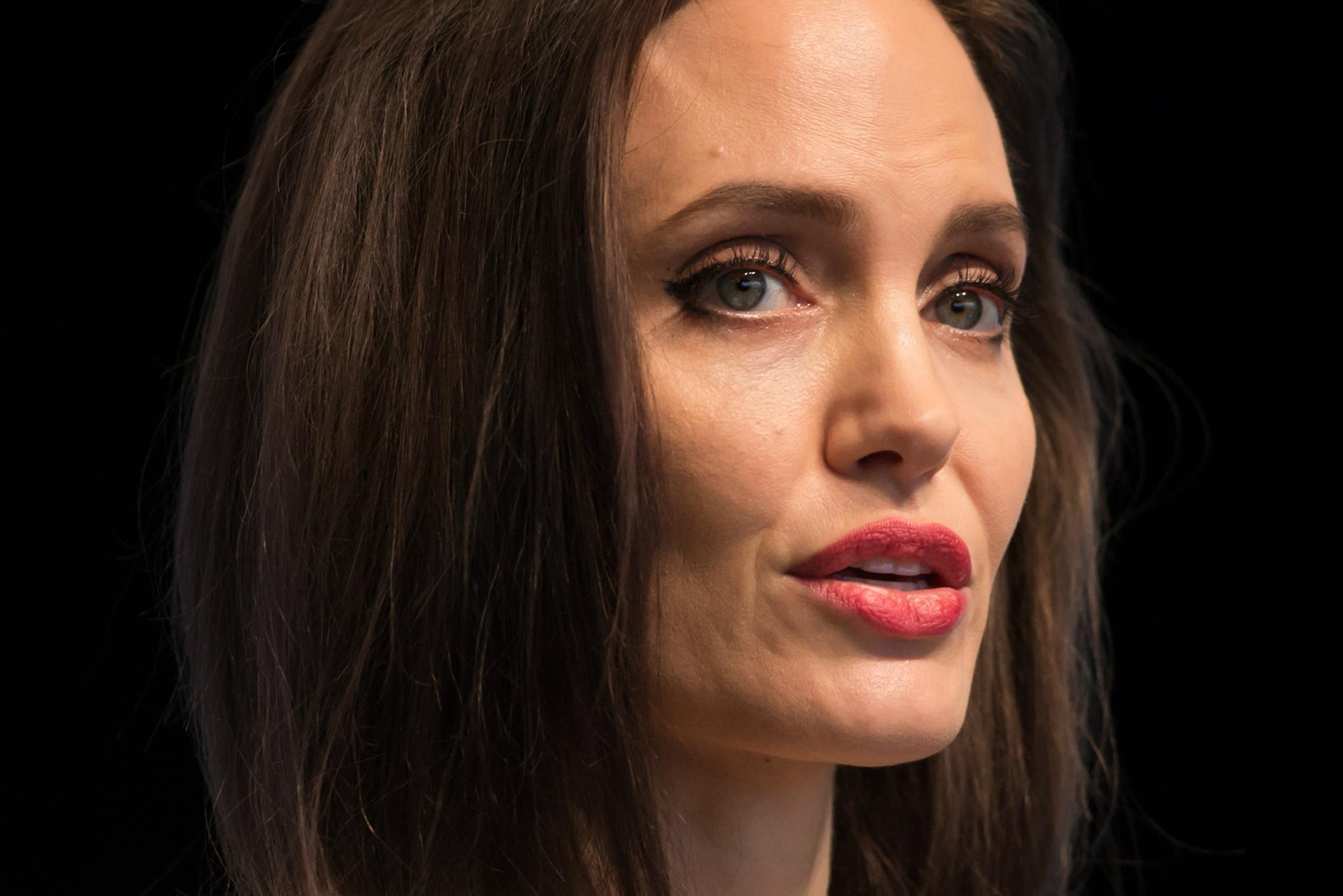
Image Gallery
Select an image to open it in a new tab.




Declan O'Connor
Higher Education and Campus Culture Reporter
