As of 2026, the ownership of The Beatles' legendary song catalog is a complex tapestry of international copyright law, private settlements, and corporate acquisitions. Primary control is split between two entities: Sony Music Publishing, which manages the global publishing rights (the compositions), and Universal Music Group (UMG), which owns the master recordings through EMI. Additionally, Paul McCartney and the estate of John Lennon have successfully reclaimed significant portions of their U.S. publishing rights via copyright termination laws.
The Bifurcation of Rights: Masters vs. Publishing
To understand who owns "Hey Jude" or "Strawberry Fields Forever," one must first distinguish between the two types of copyrights that exist for every recorded song: the master recordings and the musical compositions (publishing).
The master recording refers to the specific audio performance captured in the studio. For the vast majority of The Beatles' career, these recordings were owned by EMI Records. In 2012, Universal Music Group (UMG) acquired EMI’s recorded music division, meaning UMG currently owns the physical and digital "tapes" of the Beatles' performances.
The publishing rights, however, refer to the underlying melody and lyrics. This is where the ownership history becomes one of the most famous and convoluted stories in music industry history. While Lennon and McCartney wrote the songs, they famously did not own the company that published them for decades. Today, while Sony remains a massive stakeholder, the surviving Beatles and their heirs have regained much of the leverage they lost in the 1960s.
The Northern Songs Era: How Control Was Lost
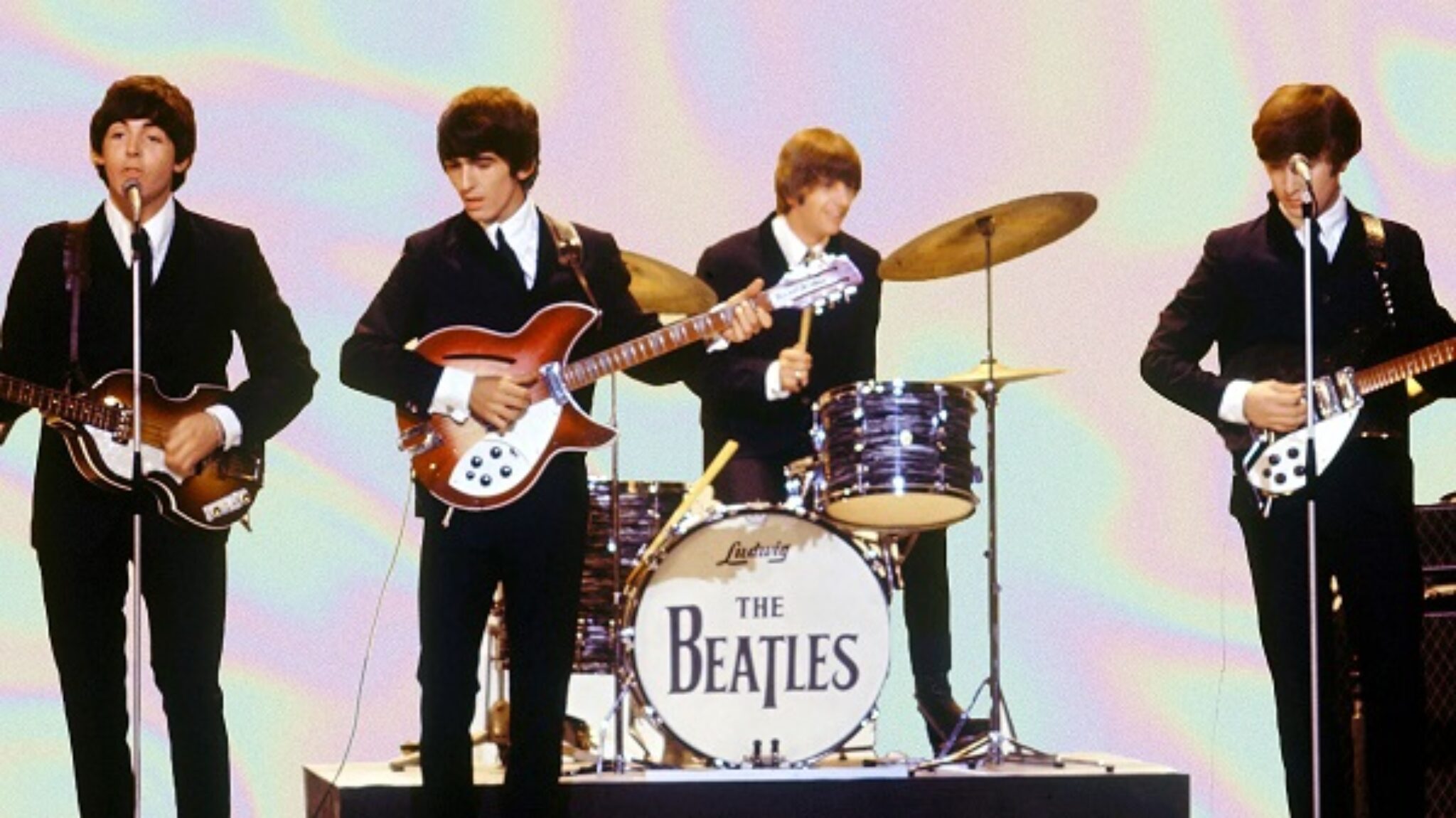
The saga began in 1963 when Beatles manager Brian Epstein sought a publishing deal for the burgeoning band. He partnered with publisher Dick James to form Northern Songs Ltd. Under the initial agreement, Dick James and his partner held 50% of the company, Brian Epstein’s NEMS held 10%, and John Lennon and Paul McCartney each held 20%.
While this seemed lucrative at the time, it meant the songwriters were minority owners of their own work. In 1965, Northern Songs became a public company to reduce tax liabilities. This move further diluted the songwriters' control. By 1969, following internal friction and the death of Brian Epstein, Dick James sold his shares to ATV (Associated Television) without giving Lennon or McCartney the opportunity to match the offer. Despite a hostile takeover battle, ATV gained a controlling interest, leaving the duo as mere "writers for hire" regarding the copyrights of their own music.
The Michael Jackson Acquisition and the Sony Era
In one of the most famous business moves in pop culture, Michael Jackson purchased the ATV catalog—which included approximately 250 Beatles songs—in 1985 for $47.5 million. This purchase famously strained the friendship between Jackson and Paul McCartney, as McCartney had been the one to advise Jackson on the value of music publishing as an investment.
Jackson’s ownership underwent several transformations:
- Sony/ATV Joint Venture (1995): Facing financial pressures, Jackson merged ATV with Sony’s publishing wing to form Sony/ATV. Jackson retained a 50% stake in the new entity.
- Sony’s Full Buyout (2016): Following Jackson’s death in 2009, his estate eventually agreed to sell its remaining 50% stake in Sony/ATV to Sony for $750 million. This made Sony the sole owner of the Beatles' global publishing rights.
- Sony Music Publishing (Current): The company rebranded back to Sony Music Publishing in 2021 and remains the administrative giant overseeing the Beatles' catalog globally in 2026.
Paul McCartney’s Reclaim: The U.S. Copyright Act of 1976
The narrative shifted significantly due to Section 203 of the U.S. Copyright Act of 1976. This law allows authors to reclaim the rights to their works from publishers after a period of 35 to 56 years, depending on when the work was created. This "termination right" is designed to give creators a second chance to benefit from their work once its true value is known.
In 2017, Paul McCartney filed a lawsuit against Sony/ATV to ensure he could reclaim his share of the Beatles' publishing rights in the United States as the 56-year marks for early songs approached. Before the case went to a full trial, McCartney and Sony reached a confidential settlement. While the details remain private, it is widely understood that McCartney successfully regained his interest in the U.S. rights for his share of the Lennon-McCartney catalog.
This means that for the U.S. market, McCartney (and the Lennon estate through similar legal mechanisms) effectively acts as a co-owner or primary controller of their respective shares, while Sony continues to administer the rights in many territories outside the United States.
The Role of Apple Corps Ltd.
While UMG owns the "masters" and Sony/McCartney/Lennon Estate own the "publishing," a third entity, Apple Corps Ltd., remains the most important guardian of the Beatles' brand. Founded by the band in 1968, Apple Corps (not to be confused with Apple Inc., the tech company) is owned by Paul McCartney, Ringo Starr, and the estates of John Lennon and George Harrison.
Apple Corps does not necessarily own the copyrights to the songs themselves, but they own the trademark to the Beatles' name and logo, and they have "approval rights" over how the music is used. You cannot release a new Beatles compilation, a documentary (like Get Back), or use a Beatles song in a high-profile commercial without the unanimous consent of Apple Corps. This ensures that the surviving members and the heirs have ultimate "creative control" even when they do not hold 100% of the legal copyrights.
Ownership Breakdown of the Beatles Catalog (2026 Status)
| Entity | Type of Rights | Role/Scope |
|---|---|---|
| Universal Music Group (UMG) | Master Recordings | Owns the actual studio recordings (formerly EMI/Capitol). |
| Sony Music Publishing | Global Publishing | Owns/Administrates the compositions globally, though U.S. control is shared. |
| Paul McCartney | U.S. Publishing | Reclaimed U.S. rights to his share of compositions via 1976 Copyright Act. |
| Estate of John Lennon | U.S. Publishing | Reclaimed U.S. rights to John's share of compositions. |
| Harrisongs Ltd. | George Harrison Compositions | George Harrison retained rights to much of his post-1968 work (e.g., "Something"). |
| Startling Music Ltd. | Ringo Starr Compositions | Ringo Starr owns the publishing for his original compositions (e.g., "Octopus's Garden"). |
| Apple Corps Ltd. | Branding & Trademarks | Owns the Beatles' identity, logo, and has veto power over major licensing. |
Why "Yesterday" is Different from "Something"
It is a common misconception that all "Beatles songs" are owned by the same people. The ownership depends heavily on who wrote the song and when it was written.
- Lennon-McCartney Songs (1963–1969): These are the songs that were part of the Northern Songs/ATV/Sony saga. This includes the bulk of the hits, from "She Loves You" to "Let It Be."
- George Harrison Songs: Early Harrison songs like "Taxman" were part of the Northern Songs deal. However, by 1968, Harrison was wary of the publishing situation and formed Harrisongs Ltd. This allowed him to retain much greater control over his masterpieces like "Something" and "Here Comes the Sun."
- Ringo Starr Songs: Similar to Harrison, Ringo’s compositions like "Don't Pass Me By" are generally published through his own company, Startling Music, giving him and his estate direct ownership.
Licensing and Synchronization: Who Gets Paid?
In 2026, when a Beatles song is used in a movie or a television series, the "sync fee" (synchronization license) is split. The production must pay:
- The Master Owner (UMG): For the right to use the specific audio recording.
- The Publishing Owners (Sony/McCartney/Lennon Estate): For the right to use the composition (the lyrics and notes).
Because Apple Corps has veto power over the Beatles' "brand," these licenses are famously expensive and rare. A notable example was the TV show Mad Men, which reportedly paid $250,000 for the rights to use "Tomorrow Never Knows" in a single episode—a price that covers both the master and publishing rights.
The Role of the Estates
The estates of John Lennon and George Harrison play an active role in these ownership structures. Yoko Ono was instrumental in managing Lennon’s portion of the rights for decades, a responsibility that has largely transitioned to their son, Sean Lennon.
The Harrison estate, managed by Olivia and Dhani Harrison, remains one of the most organized and protective estates in the industry, ensuring that George’s solo and Beatles-era contributions are treated with specific reverence. Their control over Harrisongs Ltd. means they operate more independently than the Lennon-McCartney interests often do regarding early catalog material.
Frequently Asked Questions
Does Yoko Ono still own Beatles songs?
Technically, the Estate of John Lennon (managed by his heirs) holds the rights. Yoko Ono was the primary executor for many years, but the ownership is a legal entity representing Lennon's interest. They own a significant share of the publishing rights in the U.S. and receive royalties from global sales and streams.
Did Paul McCartney get his songs back?
Yes, largely. Through a 2017 legal settlement with Sony/ATV based on the U.S. Copyright Act of 1976, McCartney regained the ability to control and profit from his share of the publishing rights for Beatles songs in the United States. While Sony still handles much of the international administration, McCartney is no longer a "writer for hire" for his own work in his home market.
Who owns the "Let It Be" film and other video content?
Video content and documentaries are typically owned by Apple Corps Ltd. Because video involves "personality rights" and "trademarks" of the four members, Apple Corps is the primary entity that produces, licenses, and profits from Beatles films, including the restored Get Back series.
Can I cover a Beatles song without permission?
In the United States, you do not need permission to record a cover version of a Beatles song due to "compulsory licenses," provided you pay the statutory royalty rate. However, you do need permission (a sync license) from the publishers (Sony/McCartney/Lennon) and potentially the master owners (UMG) if you want to use that cover in a video, movie, or advertisement.
Why did Michael Jackson buy the Beatles songs if he was Paul's friend?
Jackson viewed the ATV catalog as a business investment. During the mid-80s, song catalogs were becoming incredibly valuable assets. While McCartney was hurt by the move because he wanted to own his own legacy, Jackson maintained that it was "just business." Jackson’s estate eventually saw a massive return on that investment when Sony bought them out.
Final Summary for Researchers
If you are looking to license Beatles music or understand the financial flow in 2026, the hierarchy is clear: Universal Music Group controls the sound of the recordings, Sony Music Publishing and the individual songwriters (or their estates) control the compositions, and Apple Corps Ltd. controls the image, name, and legacy of the band. This multi-layered structure ensures that while the music is a global commodity, the creators and their families have regained the seat at the table they lost in 1969.
Image Gallery
Select an image to open it in a new tab.


Ingrid Bjornson
Global Cyber Policy and Regulation Analyst
