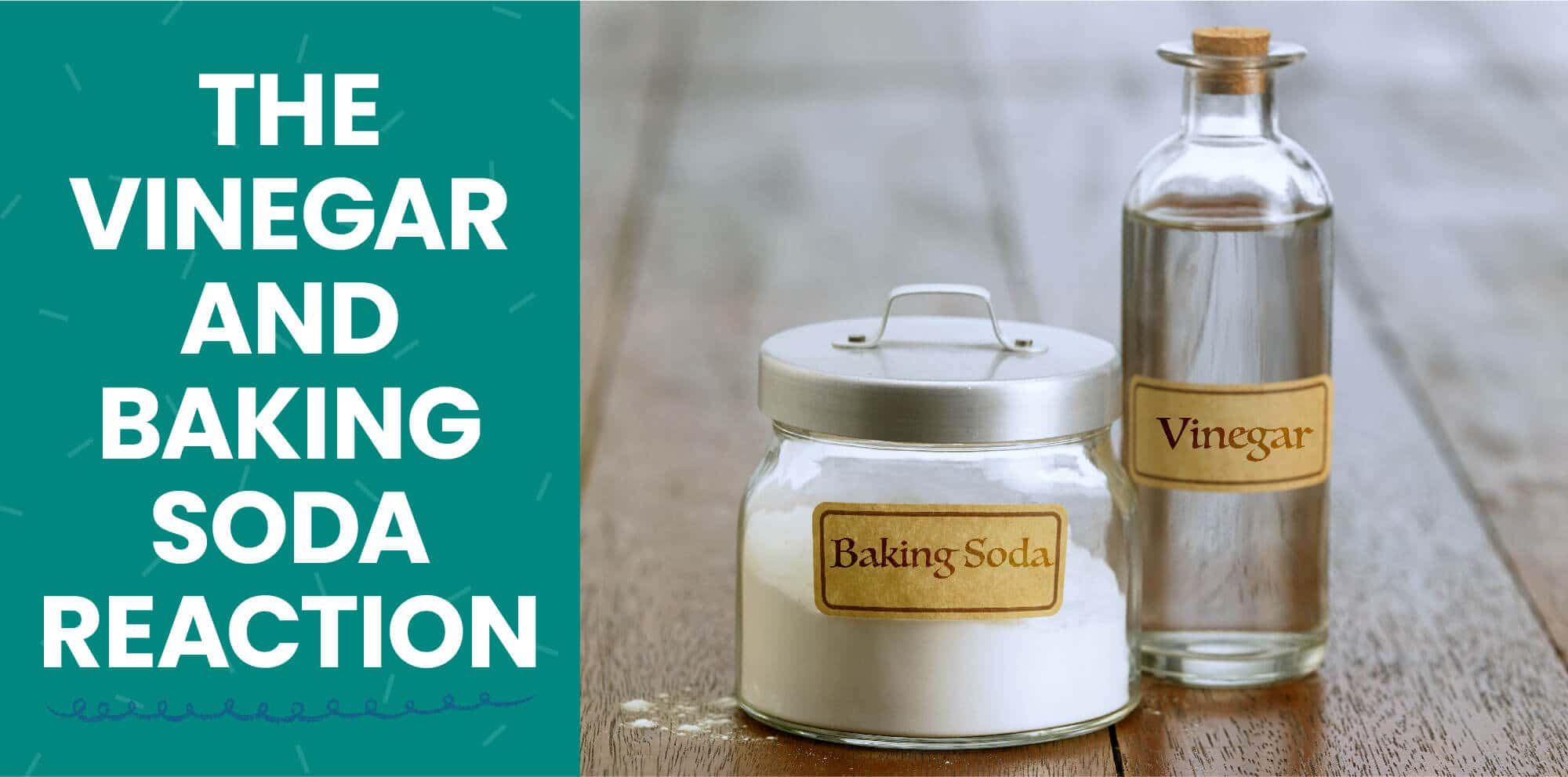
When baking soda (sodium bicarbonate) is added to water, it undergoes a process of dissolution and partial hydrolysis. Unlike the violent fizzing seen when combined with acids, baking soda in pure water simply dissolves into sodium ions and bicarbonate ions, creating a slightly alkaline (basic) solution with a pH typically measured around 8.3.
The interaction between baking soda and water is a fundamental experiment in both household utility and introductory chemistry. While many expect a dramatic bubbling effect, the reality of this "reaction" is a subtle shift in molecular structure and ionic balance. Understanding this process requires looking beyond the surface and examining the thermodynamic and chemical equilibrium that occurs when this common white powder meets a polar solvent like water.
The Molecular Mechanism of Dissolution
Sodium bicarbonate ($NaHCO_3$) is an ionic solid. In its dry, crystalline form, it is held together by strong electrostatic forces between the positively charged sodium ions ($Na^+$) and the negatively charged bicarbonate ions ($HCO_3^-$). When you introduce this compound to water ($H_2O$), the polarity of the water molecules becomes the driving force for change.
Water is a polar solvent, meaning it has a partial positive charge near the hydrogen atoms and a partial negative charge near the oxygen atom. When baking soda enters the water, these polar water molecules surround the individual ions of the salt. This process is known as hydration. The negative ends of the water molecules cluster around the sodium ions, while the positive ends cluster around the bicarbonate ions. This "tugging" force eventually overcomes the ionic bonds holding the crystal together, causing the baking soda to dissolve.
At the molecular level, the primary equation for this dissolution is: $NaHCO_3 (s) \rightarrow Na^+ (aq) + HCO_3^- (aq)$
In this state, the substance is no longer a solid but a collection of solvated ions moving freely through the liquid. This is considered a physical change because the chemical identity of the ions remains largely intact during the initial breakdown of the crystal lattice. However, the story does not end there.
Chemical Equilibrium and Hydrolysis
Once the bicarbonate ions are free in the water, a secondary chemical reaction occurs known as hydrolysis. This is where the "reaction" part of the baking soda in water equation truly begins. Bicarbonate is an amphiprotic species, meaning it can act as either an acid (donating a proton) or a base (accepting a proton). In pure water, it primarily acts as a weak base.
A small fraction of the bicarbonate ions will react with water molecules to produce carbonic acid and hydroxide ions: $HCO_3^- (aq) + H_2O (l) \rightleftharpoons H_2CO_3 (aq) + OH^- (aq)$
The presence of the hydroxide ion ($OH^-$) is what gives the solution its alkaline properties. Because only a small percentage of the bicarbonate actually reacts this way, the solution remains a "weak" base. This equilibrium is a dynamic process; the reaction moves forward and backward simultaneously, maintaining a consistent concentration of ions unless an external factor, like a change in temperature or the addition of another chemical, disrupts it.
The Absence of Bubbles
It is a common misconception that baking soda should bubble when it touches water. This confusion stems from the famous "volcano" experiment involving vinegar. For baking soda to produce carbon dioxide gas ($CO_2$), which creates the characteristic fizzing, it must react with an acid. In pure water, there is no significant source of protons ($H^+$) to drive the decomposition of bicarbonate into water and carbon dioxide.
If you do see small bubbles when mixing baking soda and water, it is usually just air that was trapped within the powder being released as the crystals dissolve, or perhaps the water is slightly acidic due to dissolved atmospheric $CO_2$.
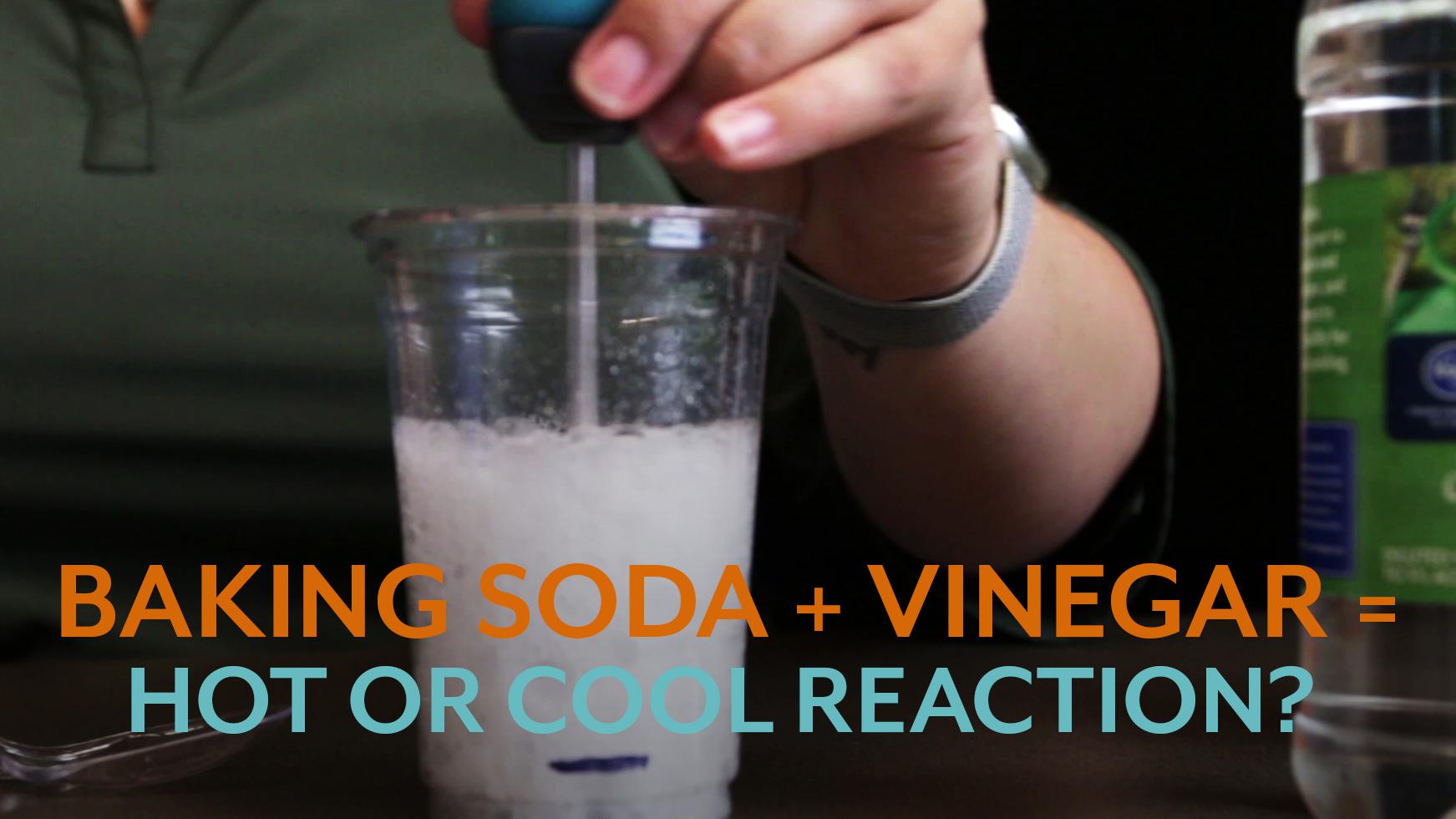
Solubility Limits and Saturation
As of 2026, the standard physical constants for sodium bicarbonate remain well-documented. At room temperature (approximately $20^\circ C$ or $68^\circ F$), the solubility of baking soda in water is roughly 96 grams per liter. This means that if you attempt to dissolve more than about 9.6 grams of baking soda in 100 milliliters of water, the solution will become saturated.
Once saturation is reached, any additional baking soda will simply settle at the bottom of the container as a solid precipitate. This occurs because the water molecules have reached their capacity to hydrate and stabilize the ions. In a saturated solution, the rate at which ions leave the crystal lattice (dissolving) equals the rate at which ions return to the crystal lattice (crystallizing).
Temperature Dependency
The solubility of baking soda is highly dependent on the temperature of the water. Unlike some gases that become less soluble as liquids heat up, sodium bicarbonate follows the trend of most solids: it becomes more soluble as the temperature increases.
- Cold Water: In near-freezing water, solubility drops significantly, making it difficult to create a concentrated solution.
- Boiling Water: At high temperatures, specifically near $70^\circ C$ ($158^\circ F$) and above, a different reaction begins. The bicarbonate starts to thermally decompose even without an acid. This releases carbon dioxide, which is why you might see bubbles if you stir baking soda into very hot or boiling water.
- The reaction: $2NaHCO_3 \rightarrow Na_2CO_3 + H_2O + CO_2$
Comparison of Baking Soda Reactions
To better understand how baking soda behaves in water compared to other common household substances, consider the following table based on standard chemical observations:
| Solvent / Reactant | Observable Reaction | Primary Chemical Product | pH Level |
|---|---|---|---|
| Pure Water (Room Temp) | Dissolves quietly | $Na^+$, $HCO_3^-$, $OH^-$ | ~8.3 |
| Distilled Vinegar | Rapid fizzing/foaming | $CO_2$ gas, Sodium Acetate | ~4.5 - 5.0 (post-reaction) |
| Lemon Juice | Vigorous bubbling | $CO_2$ gas, Sodium Citrate | ~5.0 - 6.0 (post-reaction) |
| Boiling Water | Slight bubbling/effervescence | Sodium Carbonate, $CO_2$ | ~9.0 - 10.0 |
| Mineral Oil | No reaction/No dissolving | Solid $NaHCO_3$ | N/A |
Practical Applications of the Water-Baking Soda Solution
The resulting alkaline solution from mixing baking soda and water is exceptionally versatile. In 2026, many consumers continue to pivot toward these "green" chemistry solutions to avoid harsh synthetic detergents.
1. Neutralization of Acidic Residues
Because the solution contains hydroxide ions and bicarbonate ions, it is excellent at neutralizing acids. This is why a paste of baking soda and water is often recommended for cleaning battery acid spills (which are highly acidic) or for soothing stings from certain insects whose venom is acidic. The bicarbonate reacts with the strong acid to form water, a salt, and $CO_2$ gas, effectively rendering the acid harmless.
2. Saponification and Cleaning
When baking soda is dissolved in water, it acts as a mild degreaser. While not as strong as lye (sodium hydroxide), the alkalinity of the solution can interact with certain types of fats and fatty acids. This process, a very mild form of saponification, helps break down grease on kitchen surfaces, making it easier to wipe away.
3. Water Softening
In regions with "hard water," there is a high concentration of dissolved minerals like calcium and magnesium. Adding baking soda to water can help "soften" it. The bicarbonate ions can react with calcium ions to form calcium carbonate, which may precipitate out. This is frequently used in laundry applications to help detergents work more efficiently, as detergents often struggle in hard water environments.
4. Medicinal Use (Antacid)
One of the most historically significant uses of baking soda in water is as an oral antacid. When a person suffers from heartburn or acid reflux, their stomach contains excess hydrochloric acid ($HCl$). Drinking a solution of baking soda allows the bicarbonate to react with the stomach acid: $HCl + NaHCO_3 \rightarrow NaCl + H_2O + CO_2$ This reaction neutralizes the acid and produces $CO_2$, which often results in a burp, providing immediate relief from the pressure and burn of the acid. Note: This should only be done under medical guidance, as it can affect sodium levels and blood pH if overused.
Technical Challenges and Troubleshooting
While the reaction seems simple, several factors can interfere with the desired outcome when mixing baking soda and water.
- Clumping: If baking soda is dumped into water all at once, it can form clumps where the outer layer hydrates and creates a protective barrier around the dry interior. To avoid this, it is best to sprinkle the powder gradually while stirring.
- Water Hardness Interference: If the water used is extremely hard, the baking soda may react with the dissolved minerals before it can serve its intended purpose. In these cases, using distilled or deionized water will ensure the reaction behaves predictably.
- Contamination: Baking soda is an excellent odor absorber. If the box has been sitting open in a refrigerator for months, it may have absorbed volatile organic compounds (VOCs). When mixed with water, these impurities can sometimes create an off-putting smell or a slight film on the surface of the water.
Safety and Handling
Even though baking soda is generally considered safe (GRAS - Generally Recognized As Safe by the FDA), the solution created with water should be handled with basic care.
- Skin and Eye Irritation: Because the solution has a pH of 8.3, it is mildly basic. For most people, this is harmless, but for individuals with sensitive skin, prolonged exposure can lead to dryness or minor irritation. If the solution gets into the eyes, it should be rinsed out with clean water immediately to prevent stinging.
- Ingestion Limits: As a 2026 health guideline, it is important to remember that sodium bicarbonate is high in sodium. Those on sodium-restricted diets (for hypertension or kidney issues) should be cautious about using baking soda in water as a supplement or antacid.
- Material Sensitivity: While baking soda is a great cleaner, its alkaline solution can damage certain materials. For example, it can darken aluminum cookware or react with certain wood finishes. Always test a small, inconspicuous area before applying the solution broadly.
Summary of Findings
The "reaction" of baking soda in water is a two-step process: the physical dissolution of the ionic crystal and the chemical hydrolysis of the bicarbonate ion. The result is a stable, mildly alkaline solution that lacks the dramatic carbon dioxide production of acid-base reactions but possesses a wide array of practical uses. From neutralizing acids to softening water and cleaning surfaces, the simplicity of this mixture belies its chemical utility.
Whether you are using it for a science demonstration or a household chore, remember that temperature and concentration are the primary levers that control how the baking soda behaves once it enters the water.
FAQ
Does baking soda in water expire? Baking soda itself has a long shelf life, but it can lose its potency if it absorbs moisture from the air, which can trigger a slow, premature reaction. Once mixed into a water solution, it does not "expire" in the traditional sense, but the solution can absorb carbon dioxide from the air over time, which will gradually lower the pH and change its chemical profile. It is best to mix fresh solutions as needed.
Why doesn't my baking soda fizz when I put it in water? Fizzing requires the release of carbon dioxide gas. This only happens when baking soda reacts with an acid (like vinegar or lemon juice) or when it is heated to high temperatures. In room-temperature, pure water, there is no chemical trigger to release $CO_2$, so the powder simply dissolves without bubbles.
Can I drink baking soda and water every day? While many people use a baking soda solution to treat occasional indigestion, it should not be a daily habit without consulting a healthcare professional. The high sodium content can contribute to high blood pressure, and over-neutralizing stomach acid can interfere with digestion and the absorption of nutrients like B12 and iron.
What is the best water temperature for dissolving baking soda? Warm water (around $40^\circ C$ or $104^\circ F$) is generally best for quick dissolution without causing the bicarbonate to decompose. While boiling water will dissolve it faster, it will also convert some of the baking soda into sodium carbonate, which is more alkaline and can be more aggressive on surfaces.
Does baking soda kill bacteria in water? Baking soda has some mild antimicrobial properties because of its alkaline pH, but it is not a registered disinfectant. It cannot be relied upon to make contaminated water safe for drinking or to kill robust pathogens like viruses or cysts. It is better suited for cleaning surfaces than for water sterilization.
Image Gallery
Select an image to open it in a new tab.



Zara El-Hashem
Sociocultural Dynamics and Academics Writer
