
The California fire season traditionally begins in May and extends through October or November, but in 2026, experts and state agencies like CAL FIRE officially recognize it as a "fire year" rather than a limited season. While peak activity typically occurs between July and November—driven by high temperatures, low humidity, and offshore winds—wildfires can now occur in any month depending on your specific region and local fuel conditions.
California’s geography is so vast and diverse that "fire season" is not a single calendar event that applies to everyone simultaneously. For a resident in the timber-heavy mountains of the North, the peak risk might be a lightning storm in August. For someone in the coastal canyons of Southern California, the highest danger often arrives in October or November when the Santa Ana winds begin to howl. Understanding when the fire season hits "for you" requires looking at regional climate patterns, fuel types, and the specific weather phenomena that drive fire behavior in your backyard.
The Evolution from Fire Season to Fire Year
For decades, the cadence of California life was predictable: wet winters, green springs, and a distinct period in late summer when the grass turned gold and the fire engines stood ready. However, the last decade has fundamentally altered this timeline. Persistent shifts in precipitation patterns and rising average temperatures have resulted in a "fire year." This term, now standard in 2026 briefing rooms, reflects the reality that fire suppression resources are now deployed year-round.
The primary driver of this shift is the "Snowpack Gap." In years where the Sierra Nevada snowpack melts earlier than historical averages, the high-elevation forests dry out by June instead of August. Conversely, when autumn rains are delayed—a trend that has become more frequent—the traditional end of the fire season in October gets pushed into December. This extension creates a dangerous overlap where dry, dormant vegetation meets the arrival of powerful wind events.
Regional Variations: Mapping Your Local Risk
To determine when the fire season is most critical for you, you must identify your specific geographic zone. California is generally divided into several "fire regimes" based on vegetation and weather.
Northern California and the High Sierra
In the northern reaches of the state and along the Sierra Nevada range, the fire season is dominated by the transition from snowmelt to dry timber.
- Peak Period: July through September.
- Primary Triggers: Dry lightning strikes and "mountain waves" of wind.
- The Risk: Dense timber can hold heat for weeks, leading to massive "megafires" that are difficult to contain in rugged terrain. If you live in areas like Shasta, Plumas, or Nevada County, your highest vigilance starts the moment the high-altitude snow disappears.
Central Valley and Foothills
The "breadbasket" of California experiences an earlier start to the fire season because its primary fuel is grass and light brush, which dries much faster than heavy timber.
- Peak Period: June through August.
- Primary Triggers: Human activity, roadside ignitions, and extreme heatwaves.
- The Risk: Grass fires move incredibly fast. While they may not have the long-term intensity of a forest fire, their rate of spread means evacuation windows are much shorter.
Southern California and the Central Coast
This region follows a significantly different timeline due to the influence of the Mojave Desert and the Pacific Ocean.
- Peak Period: September through December.
- Primary Triggers: Santa Ana and Diablo winds.
- The Risk: Even if the summer was relatively mild, the arrival of offshore winds can drop humidity to single digits within hours. This "cures" the chaparral (shrubland), making it explosive. For residents of Los Angeles, Ventura, and San Diego, the most dangerous time is often when the rest of the country is preparing for winter.
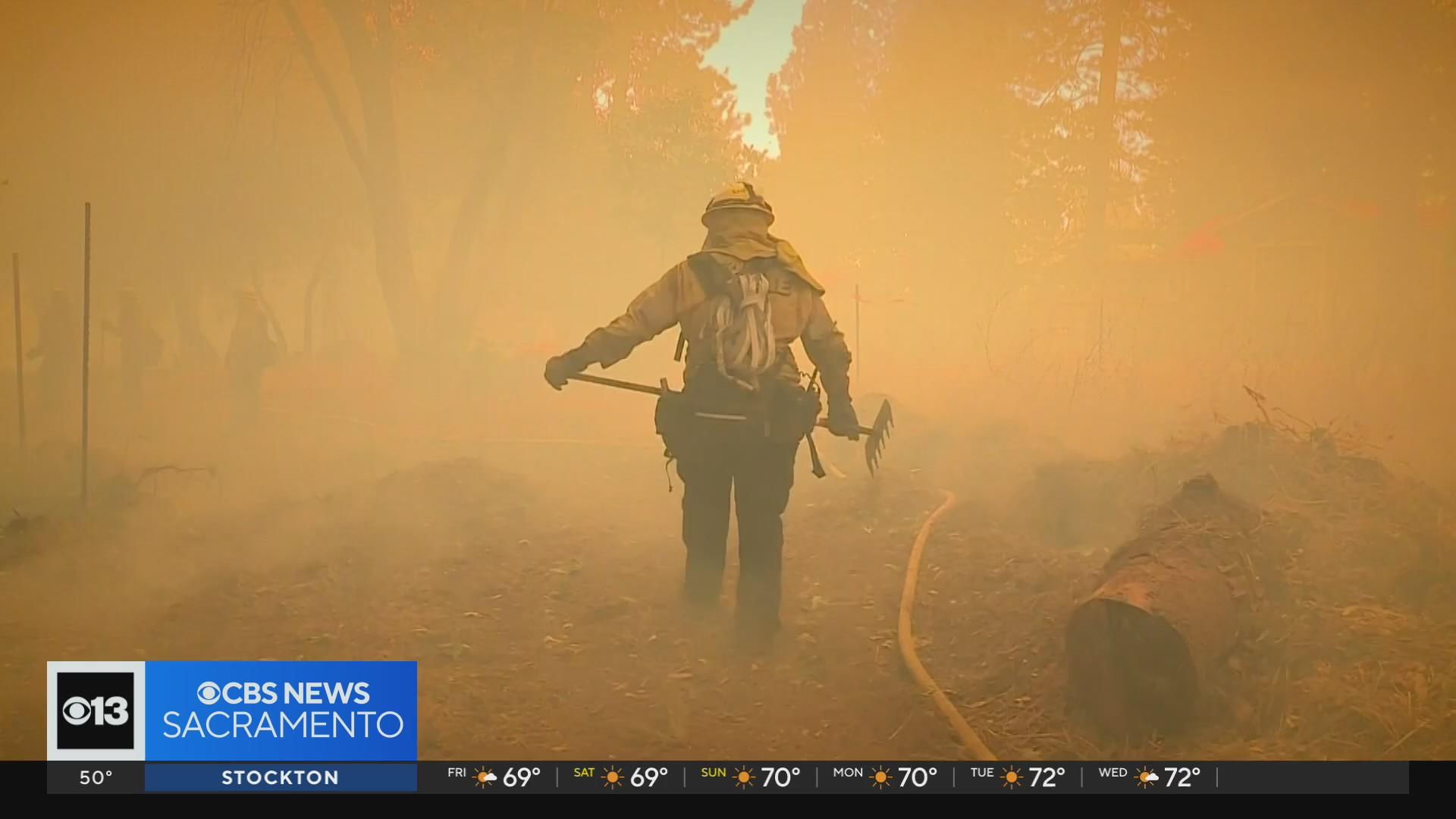
Technical Indicators: How the Pros Know It's "Season"
Firefighters don't just look at the calendar; they look at data. If you want to know if the fire season has truly arrived for you, monitor these three technical metrics:
- Fuel Moisture Content (FMC): This measures the amount of water within living and dead vegetation. When the moisture in "1,000-hour fuels" (large logs and heavy timber) drops below 10%, the forest is essentially a tinderbox.
- Energy Release Component (ERC): This is a composite score that predicts how hot a fire will burn and how difficult it will be to extinguish. When your local ERC hits the "90th percentile" for the year, you are in peak fire season.
- Red Flag Warnings: Issued by the National Weather Service, these occur when the "triple threat" is present: temperatures above 80°F, humidity below 15%, and sustained winds or frequent gusts over 25 mph.
2026 California Fire Readiness Timeline
Preparation is a cyclical process. To manage the fire year effectively, follow this structured timeline based on the current 2026 safety guidelines.
| Time of Year | Phase | Key Actions for Residents |
|---|---|---|
| Jan - March | Mitigation | Clear heavy brush; limb trees up to 6-10 feet; audit home insurance. |
| April - May | Maintenance | Mow tall grasses to 4 inches or less; clean gutters and roof debris. |
| June - Aug | Vigilance | Monitor AQI (Air Quality Index); keep "Go Bags" in vehicles; check local alerts. |
| Sept - Nov | High Alert | Monitor wind forecasts; maintain "Ready, Set, Go" status; stay fuel-rich (cars/generators). |
| December | Review | Update emergency contact lists; replace expired items in kits. |
The Role of Infrastructure: PSPS Events
In 2026, your "fire season" experience is also dictated by utility companies like PG&E, Southern California Edison, and San Diego Gas & Electric. To prevent their equipment from sparking fires during high-wind events, they implement Public Safety Power Shutoffs (PSPS).
For many Californians, the "season" is defined by these outages. A PSPS is usually triggered when high winds are forecast in areas with dry fuel and high fire-threat designations. If you live in a Tier 2 or Tier 3 fire-threat area (as mapped by the California Public Utilities Commission), your fire season preparation must include a plan for living without grid power for 24 to 72 hours. This includes having backup power for medical devices, manual releases for garage doors, and non-perishable food.
Home Hardening and Defensible Space
The most critical factor in surviving the fire season—regardless of when it starts for you—is the physical state of your property. Fire science has shown that most homes lost to wildfire are not consumed by a wall of flame, but by embers that travel miles ahead of the main fire front.
Zone 0: The Ember-Resistant Zone (0–5 Feet)
This is the most critical area. In 2026, California building codes and insurance requirements emphasize that this zone must be entirely non-combustible. This means no mulch, no woody shrubs, and no firewood stacked against the house. Use gravel, pavers, or bare mineral soil.
Zone 1: The Lean, Clean, and Green Zone (5–30 Feet)
In this zone, the goal is to eliminate "ladder fuels"—low-hanging branches that allow a ground fire to climb into the tree canopy. Ensure trees are spaced so their crowns do not touch, creating a break that prevents fire from jumping from tree to tree.
Zone 2: Reduced Fuel Zone (30–100 Feet)
Here, you should focus on horizontal spacing. Mow dead grass and remove fallen leaves and needles. This zone acts as a buffer that slows the fire’s approach and provides a safe area for firefighters to defend your home.
Insurance and the FAIR Plan in 2026
The fire season also has a financial dimension. Many private insurers have restricted coverage in "high-risk" zip codes, leading more homeowners to the California FAIR Plan. Understanding your policy's "fire season" implications is vital.
Check your policy for "Loss of Use" coverage. If you are evacuated—even if your home is not damaged—this coverage helps pay for hotel and food costs. Given the extended nature of the 2026 fire year, ensure your policy limits are updated to reflect current construction costs, which have risen significantly, making old coverage amounts insufficient for a total rebuild.
Frequently Asked Questions
Is there still a "safe" time of year in California?
While winter (January and February) remains the lowest-risk period due to higher humidity and rainfall, there is no longer a "zero-risk" time. Small brush fires can occur even in mid-winter if a dry spell lasts longer than two weeks. The "safe" time is best used for aggressive vegetation management.
How do I know if my specific neighborhood is at risk today?
The best resource is the CAL FIRE Daily Wildfire Report and the National Weather Service's "Fire Weather Lookout." Additionally, apps like Watch Duty provide real-time tracking of ignitions, airtanker paths, and evacuation orders, which is often faster than official government portals.
Does a wet winter mean a shorter fire season?
Counterintuitively, a wet winter can actually increase fire risk in certain areas. Heavy rain leads to a massive "crop" of annual grasses. When the heat of June arrives, that grass dies and becomes a continuous carpet of fine fuel that ignites easily and spreads fire rapidly to larger brush and timber.
What should I do if the Air Quality Index (AQI) is high but there is no fire nearby?
High AQI usually means smoke is drifting from a fire elsewhere in the state or even from neighboring states. During fire season, you should have N95 masks ready and ensure your HVAC system is equipped with a MERV 13 filter or higher to scrub smoke particles from your indoor air.
Are "controlled burns" part of the fire season?
Yes. In 2026, state and federal agencies have ramped up prescribed burns during the "shoulder seasons" (spring and late fall). These are controlled, intentional fires meant to reduce fuel loads. Always check your local Air Quality Management District (AQMD) or CAL FIRE social media to see if smoke in your area is from a planned prescribed burn.
Next Steps for Residents
Your immediate next action should be to sign up for your county’s emergency alert system (often powered by Everbridge or CodeRED). These alerts are the primary way authorities communicate evacuation orders. Once registered, perform a "Five-Minute Drill": see if you can get your family, pets, and essential documents into your vehicle and off your property in under five minutes. In the 2026 fire environment, speed is the most valuable asset you have.
For more detailed maps of fire hazard severity zones near your specific address, visit the CAL FIRE Fire Hazard Severity Zone (FHSZ) Viewer to see how state regulators classify your property's risk level.
Image Gallery
Select an image to open it in a new tab.

Akira Tanaka
International Academic Trends Correspondent
