
Owning a holiday home in Portugal in 2026 requires navigating a mature real estate market characterized by stable price growth and refined regulatory frameworks. Success involves securing a Tax Identification Number (NIF), obtaining an Alojamento Local (AL) license for rentals, and understanding regional tax obligations like IMT and IMI to ensure a viable long-term investment.
Portugal continues to be one of Europe’s most sought-after destinations for secondary residences. As we move through 2026, the market has transitioned from the rapid post-pandemic volatility into a more structured phase. Whether you are seeking a coastal retreat in the Algarve, a farmhouse in the Alentejo, or a modern apartment in the Silver Coast, understanding the current legal, fiscal, and regional nuances is essential for any prospective buyer.
The State of the Portuguese Property Market in 2026
The real estate landscape in 2026 is defined by a "flight to quality." While the aggressive price hikes seen in the early 2020s have moderated, property values in prime locations remain resilient due to chronic undersupply. Investors are no longer just looking for any sun-drenched villa; they are prioritizing energy efficiency, high-speed connectivity for remote work, and proximity to sustainable infrastructure.
Governmental policies introduced in previous years, such as the "Mais Habitação" (More Housing) package of 2023, have been fully integrated into the market. While these rules initially created uncertainty regarding short-term rental licenses (Alojamento Local), the 2026 environment has seen a decentralization of power. Local municipalities now have significant autonomy in deciding license quotas, making it vital for buyers to research specific council (Câmara Municipal) bylaws before purchasing.
Inventory remains tight in major hubs like Lisbon and Porto, leading many holiday home seekers toward "emerging" regions. The inland areas of the Centro region and the northern coastline above Porto are seeing increased interest as buyers seek better value for money and a more authentic Portuguese experience.
Legal Requirements and the Buying Process
Purchasing property in Portugal is a transparent but structured process that relies heavily on legal representation. It is highly recommended to appoint an independent lawyer who is not affiliated with the real estate agency to protect your interests.
1. The NIF (Número de Identificação Fiscal)
The first step for any transaction is obtaining a Portuguese tax number. This is mandatory for opening a bank account, setting up utilities, and signing any purchase contracts. Non-EU residents may require a local fiscal representative to act as a point of contact with the Portuguese Tax Authority (Autoridade Tributária e Aduaneira).
2. The Promissory Contract (CPCV)
Once a price is agreed upon, the Contrato de Promessa de Compra e Venda (CPCV) is signed. This legally binding document outlines the terms of the sale, the completion date, and any conditions (such as mortgage approval). At this stage, the buyer typically pays a deposit of 10% to 20% of the purchase price. Under Portuguese law, if the buyer defaults, they lose the deposit; if the seller defaults, they must repay the buyer double the deposit amount.
3. The Public Deed (Escritura)
The final step is the signing of the Escritura in front of a Notary. This is where the remaining balance is paid, and the property ownership is officially transferred. The Notary ensures that all taxes have been paid and that the property is free of any existing debts or liens.
Financial Considerations: Taxes, Fees, and Operating Costs
Budgeting for a holiday home in Portugal requires a clear understanding of both one-time acquisition costs and ongoing maintenance expenses.
Acquisition Taxes
- IMT (Imposto Municipal sobre as Transmissões Onerosas de Imóveis): This is the property transfer tax. It is a progressive tax calculated based on the property value and whether it will be a primary or secondary residence. In 2026, rates for secondary residences can reach up to 8% for luxury properties.
- Stamp Duty (Imposto de Selo): A flat rate of 0.8% of the purchase price.
- Notary and Registration Fees: Usually amount to approximately 1% to 2% of the transaction value.
Ongoing Costs
- IMI (Imposto Municipal sobre Imóveis): An annual municipal property tax. Rates are set by the local municipality and typically range between 0.3% and 0.45% for urban properties, based on the property’s registered tax value (Valor Patrimonial Tributário).
- Condominium Fees: If you buy an apartment or a villa in a gated community, you will pay monthly or quarterly fees for the maintenance of common areas, pools, and security.
- Management Fees: For those using the home as a part-time rental, professional property management companies typically charge between 15% and 25% of the gross rental income, covering cleaning, key exchange, and maintenance.
Regional Analysis: Choosing the Right Location
Portugal offers diverse micro-climates and lifestyles, each impacting the potential return on investment and personal enjoyment of a holiday home.
The Algarve: The Perpetual Favorite
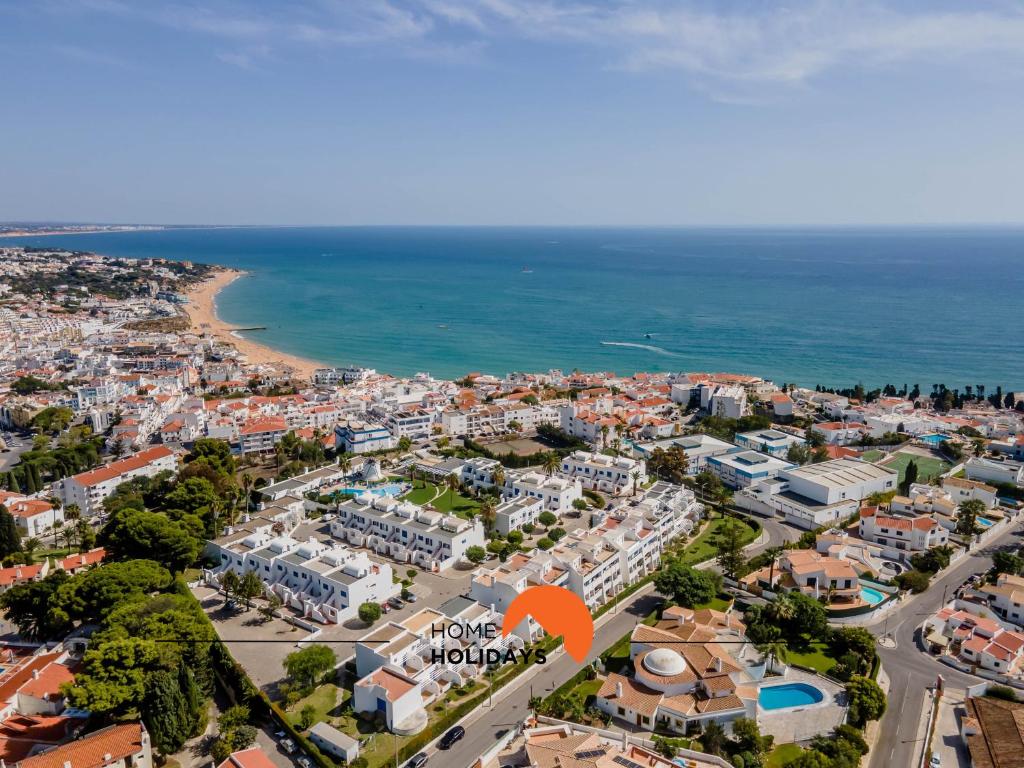
The Algarve remains the gold standard for holiday homes. The "Golden Triangle" (Vilamoura, Vale do Lobo, and Quinta do Lago) continues to command the highest prices but offers the most reliable rental yields. For a more relaxed atmosphere, the Eastern Algarve, including Tavira and Olhão, offers charming traditional architecture and proximity to the Ria Formosa natural park.
The Silver Coast (Costa de Prata)
Stretching from just north of Lisbon to south of Porto, the Silver Coast is the primary alternative to the Algarve. Locations like Ericeira, Nazaré, and São Martinho do Porto are popular for their rugged beauty and world-class surfing. Property prices here are generally 20-30% lower than in the prime Algarve, making it a favorite for families and investors looking for long-term capital appreciation.
Alentejo: The Luxury of Space
The Alentejo region, particularly the Comporta coastline, has evolved into a high-end boutique destination. The focus here is on low-density development and eco-friendly architecture. While prices in Comporta have skyrocketed, the interior Alentejo offers vast estates and "quintas" (farmhouses) at more accessible price points for those seeking seclusion.
Madeira and the Azores
The Atlantic islands offer a unique proposition. Madeira, with its sub-tropical climate, provides year-round rental potential. The Azores are increasingly popular for eco-tourism and nature lovers. Both archipelagos offer specific tax incentives for certain types of businesses, though real estate is primarily driven by lifestyle buyers.
Short-Term Rental Regulations (Alojamento Local)
If you plan to rent out your holiday home to tourists, you must obtain an Alojamento Local (AL) license. As of 2026, the regulations are as follows:
- Registration: The property must be registered via the Balcão Único Eletrónico.
- Safety Standards: Properties must meet strict safety requirements, including fire extinguishers, first aid kits, and fire blankets.
- Local Caps: In "high-pressure" zones, particularly in historic centers of Lisbon, Porto, or saturated coastal towns, new AL licenses may be suspended or subject to strict quotas. Always verify the status of the specific parish (freguesia) with your lawyer.
- Reporting: Owners are required to report all guest stays to the SEF (now integrated into AIMA - Agência para a Integração, Migrações e Asilo) and pay income tax on rental earnings. Non-residents are typically taxed at a flat rate on rental income, though expenses can sometimes be deducted if you opt for the organized accounting method.
Comparison of Key Holiday Home Regions (2026 Estimates)
| Region | Average Price (m²) | Primary Appeal | Rental Yield Potential | Accessibility |
|---|---|---|---|---|
| Central Algarve | €4,500 - €7,000 | Luxury, Golf, Beaches | High (5% - 7%) | Excellent (Faro Airport) |
| Silver Coast | €2,800 - €4,200 | Surfing, Authenticity | Moderate (3% - 5%) | Good (Lisbon Airport) |
| Alentejo Coast | €4,000 - €9,000 | Exclusivity, Nature | Seasonal (High Summer) | Moderate (Car Required) |
| Porto/Douro | €3,500 - €5,500 | Culture, River Views | High (Urban Tourism) | Excellent (Porto Airport) |
| Madeira | €3,000 - €4,800 | Climate, Hiking | Year-round (4% - 6%) | Excellent (Funchal Airport) |
Sustainable and Energy-Efficient Properties
In 2026, energy performance is a major factor in property valuation. Portugal’s energy certification system (ADENE) rates properties from A+ to F. Since the implementation of stricter EU building directives, properties with a rating of 'B' or higher are significantly more liquid and easier to finance.
When evaluating a holiday home, pay close attention to insulation and cooling systems. Traditional Portuguese houses are often built to keep heat out in summer, which can make them quite damp and cold in the winter months (November to March). Modernizing these properties with heat pumps, solar panels, and double-glazed windows is not just an environmental choice but a financial one, as energy costs in Portugal are relatively high compared to average European prices.
Common Pitfalls to Avoid
- Illegal Construction: Always ensure that all structures on the property (including pools and annexes) are recorded in the Caderneta Predial (Tax Document) and the Certidão de Teor (Land Registry). Unregistered additions can lead to significant fines and difficulties during resale.
- Rustic vs. Urban Land: Be wary of buying property on "rustic" land with the intent to build or expand. Portuguese zoning laws are extremely strict, and obtaining a change of use to "urban" land is often impossible.
- Coastal Erosion: With climate change considerations at the forefront in 2026, investigate coastal erosion reports if buying frontline properties. Some areas have restricted construction zones to mitigate environmental risks.
- Overlooking Maintenance: A coastal holiday home faces harsh salt air, which can accelerate the wear of paint, windows, and outdoor furniture. Budget for annual maintenance to prevent small issues from becoming costly repairs.
Frequently Asked Questions
Can I still get a Golden Visa by buying a holiday home?
No, as of the legislative changes finalized in late 2023 and early 2024, property investment no longer qualifies for the Portuguese Golden Visa program. Investors looking for residency must now look toward capital transfers to investment funds, job creation, or scientific research. However, the D7 (Passive Income) and D8 (Digital Nomad) visas remain viable paths for those intending to spend significant time in their Portuguese home.
Do I need a Portuguese bank account?
While not strictly required by law for the purchase itself, it is practically essential. Most utility companies and the tax office require a Portuguese IBAN for direct debits. Furthermore, paying your property taxes (IMI) is much simpler through a local banking portal or an ATM (Multibanco).
What is the Capital Gains Tax (CGT) for holiday homes?
For non-residents, capital gains from the sale of a property in Portugal are typically taxed at a flat rate (historically 28%). However, EU residents may opt to be taxed at the same progressive rates as Portuguese residents. If you reinvest the proceeds from the sale of a primary residence into another primary residence in the EU/EEA, you may be eligible for tax relief, but this generally does not apply to secondary holiday homes.
Is it possible to manage a holiday home remotely?
Yes, but it is challenging. Most owners in 2026 utilize local property management companies. These firms handle everything from emergency repairs to mandated reporting for the Alojamento Local license. If you are not in the country, you must have a trusted person or company to check the property after heavy storms or to handle seasonal maintenance like pool cleaning and garden care.
How do I verify if a property has a valid AL license?
You can check the national registry of Alojamento Local (RNAL) online. When buying a property that already has a license, be aware that the license is generally not transferable between owners. The new owner must apply for a new license under their name, and approval is subject to the current local quotas and regulations of the municipality at the time of application.
Final Recommendation
For those looking to secure a holiday home in Portugal in 2026, the most successful strategy is to prioritize location and legality over a bargain price. Focus on regions with diversified appeal—such as the Silver Coast or the Eastern Algarve—where you can enjoy the lifestyle benefits while maintaining a resilient asset value. Before committing to a deposit, ensure your lawyer has verified the building's legality and the current municipal stance on rental licenses. If your goal is rental income, look for modern, energy-efficient builds that meet the high expectations of the 2026 traveler.
Image Gallery
Select an image to open it in a new tab.



Akira Tanaka
International Academic Trends Correspondent
