Variable Life Insurance: The Key Feature Explained and Why It Matters
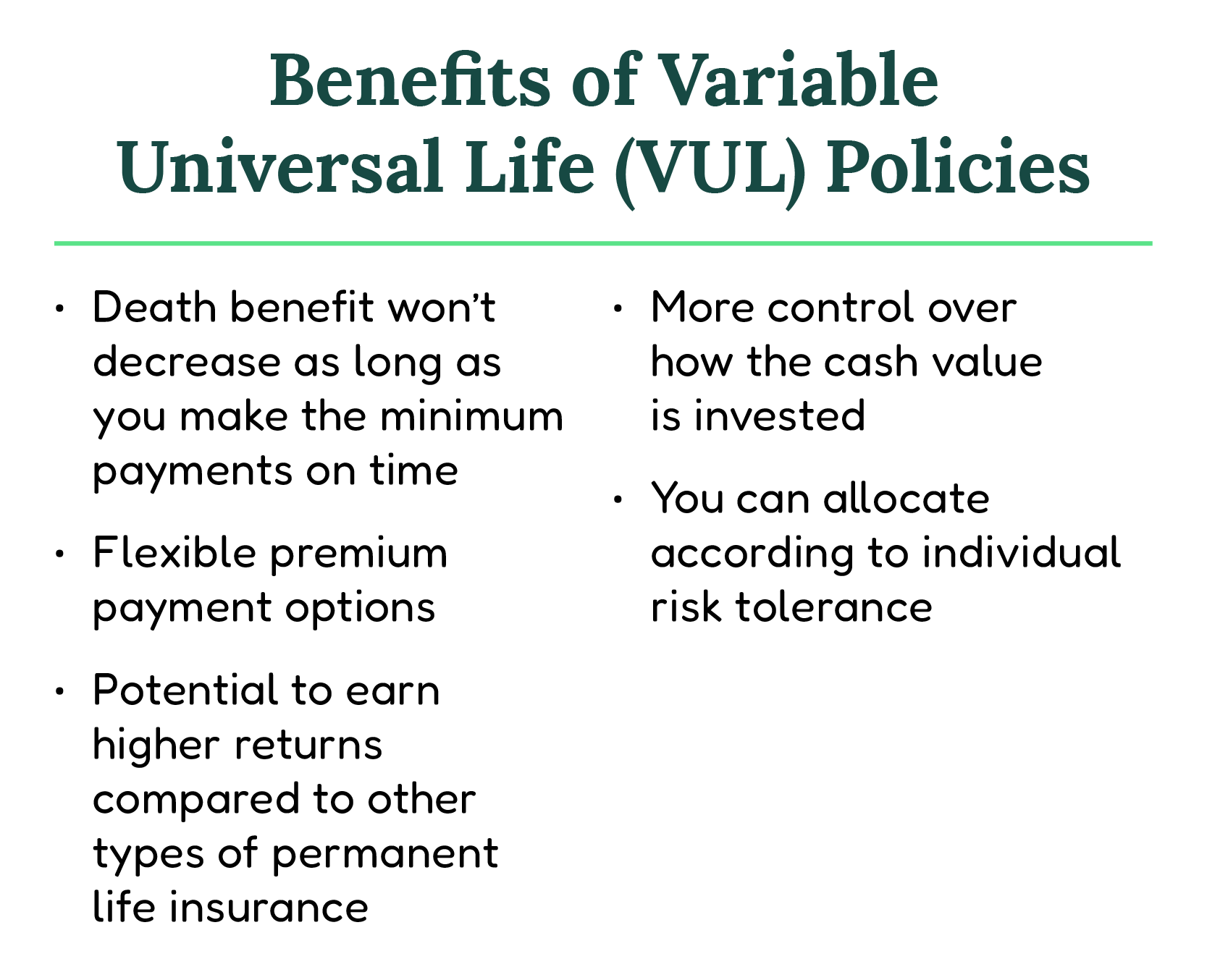
The defining feature of variable life insurance is the policyholder's ability to direct a portion of their premium payments into a variety of separate investment accounts, typically sub-accounts similar to mutual funds. This design shifts the investment risk and potential reward from the insurance company to the policyholder, allowing the cash value of the policy to fluctuate based on the performance of the underlying market assets.
Understanding the Structure of Variable Life Insurance
To grasp why variable life insurance remains a unique product in the financial landscape, one must understand how it differs from traditional whole life insurance. While whole life insurance provides a guaranteed cash value growth rate set by the insurer, variable life insurance is a security-linked product.
When you pay a premium for a variable life policy, the insurer deducts the costs of insurance (the mortality charge), administrative fees, and any optional riders. The remaining portion of the premium is then placed into the insurer’s separate account. Unlike the general account of an insurance company—where assets are conservatively invested in bonds or government securities—the separate account is invested in a portfolio of equity, bond, or money market sub-accounts. The policyholder chooses the allocation strategy, meaning the growth of the policy’s cash value is directly tied to the performance of these selected investments.
The Role of Sub-Accounts
The "variable" nature of the policy is facilitated entirely through sub-accounts. These are investment vehicles that resemble mutual funds but are restricted to use within variable life and variable annuity contracts. Depending on the insurer, a policyholder may choose from a diverse menu ranging from aggressive growth stock portfolios to stable fixed-income funds.
The ability to reallocate funds among these sub-accounts without triggering immediate capital gains taxes is a significant feature of these policies. In a non-registered brokerage account, selling a winning stock to buy another usually creates a taxable event. Within a variable life insurance policy, rebalancing the portfolio is generally tax-deferred, provided the money remains inside the policy structure.
The Impact of Market Performance on Cash Value and Death Benefit
Because the cash value is tied to market-based investments, it is not guaranteed. If the chosen sub-accounts perform well, the cash value can grow significantly, potentially providing the policyholder with liquidity for loans or partial withdrawals. Conversely, if the markets underperform, the cash value can decline.
The death benefit is similarly affected. Most variable life policies offer a "variable death benefit" that fluctuates alongside the investment account's performance. However, most policies include a "minimum death benefit" provision. This ensures that as long as the policy remains in force and premiums are paid, the beneficiary will receive at least the original face amount of the policy, even if the cash value has dropped to zero due to poor investment performance.
Essential Components of Policy Costs
Variable life insurance is often cited as being more transparent than other forms of permanent life insurance regarding costs, but this complexity requires careful monitoring. The primary components influencing the policy's longevity include:
- Cost of Insurance (COI): This charge increases as the insured person ages. In early years, a portion of the premium pays for the insurance coverage; in later years, if the cash value is insufficient, the COI may be deducted from the cash value itself.
- Premium Expense Charge: A percentage-based fee deducted from premiums before they are invested.
- Administrative Fees: Monthly charges for maintaining the policy.
- Fund Management Fees: The internal expense ratios charged by the sub-accounts themselves, which are deducted from the investment performance.
- Surrender Charges: Fees imposed if the policy is canceled or significant cash is withdrawn during the first 10 to 15 years of the contract.
Comparison of Permanent Life Insurance Products
| Feature | Whole Life Insurance | Variable Life Insurance | Universal Life Insurance |
|---|---|---|---|
| Cash Value Growth | Guaranteed by insurer | Tied to market performance | Tied to market/interest rates |
| Investment Control | None (Company controlled) | High (Policyholder controlled) | Limited (Insurer/Market hybrid) |
| Death Benefit | Guaranteed | Variable (with floor) | Adjustable |
| Risk Exposure | Low (Insurer bears risk) | High (Policyholder bears risk) | Moderate |
Why Policyholder Maintenance is Critical
Unlike a "set it and forget it" whole life policy, variable life insurance requires active management. Because the death benefit and cash value rely on market returns, periods of prolonged market decline can deplete the cash value. If the cash value falls to zero, the policy may lapse unless the policyholder pays significantly higher premiums to cover the mounting cost of insurance.
This risk, often called "lapse risk," is the most common pitfall for owners of these policies. Financial advisors typically recommend that policyholders review their sub-account allocations annually and ensure that their premium payments are sufficient to keep the policy afloat, regardless of whether the investments have hit a temporary downturn.
Suitability and Tax Considerations
Variable life insurance is generally categorized as a sophisticated financial instrument. It is often marketed to individuals who have already maximized contributions to other tax-advantaged accounts like 401(k)s and IRAs, and who seek both a death benefit and a vehicle for long-term investment growth.
The tax-deferred growth of cash value is a major benefit, but withdrawals are subject to specific rules. Withdrawals up to the "basis" (the total amount of premiums paid) are generally tax-free. Gains withdrawn above the basis are taxed as ordinary income. If a policy is surrendered, any amount received in excess of the basis is subject to income tax. Policyholders should consult with a tax professional to understand how their specific jurisdiction handles insurance contract taxation.
Common Questions Regarding Variable Life Insurance
1. Is the death benefit in a variable life policy guaranteed? Usually, yes, up to the face amount of the policy. Most policies provide a minimum death benefit floor that is guaranteed regardless of market performance, provided the policyholder has paid enough in premiums to keep the contract in force.
2. Can I change my sub-account selections after I start the policy? Yes. One of the core features of variable life insurance is the ability to shift your asset allocation among the available sub-accounts at any time. This allows you to align your investments with your changing risk tolerance as you approach different stages of life.
3. What happens if my sub-accounts perform poorly for several years? If the cash value decreases to a point where it cannot cover the cost of insurance and administrative fees, you will receive a "lapse notice." At this point, you must pay additional premiums to keep the policy active. Failure to do so will result in the policy terminating, and you may lose the death benefit.
4. How does the cost of insurance change as I age? The mortality charge—which represents the risk of the insurer paying out the death benefit—increases every year as you get older. In the early years, your premiums may exceed these costs, creating the cash value. In later years, those costs may exceed your premiums, requiring you to draw from the built-up cash value.
Next Steps for Policyholders
If you own a variable life insurance policy or are considering one, your first step should be to request a current "in-force illustration" from your insurance carrier. This document projects the performance of your policy based on your current investment allocation and premium payment schedule.
Review this illustration alongside a financial advisor to determine if your current sub-account selections match your risk profile and whether your premium payments are on track to support the policy through your expected life expectancy. If you identify a shortfall in projected cash value, you may need to increase your premium payments or adjust your investment strategy to mitigate the risk of a future lapse.

Image Gallery
Select an image to open it in a new tab.
Akira Tanaka
International Academic Trends Correspondent
