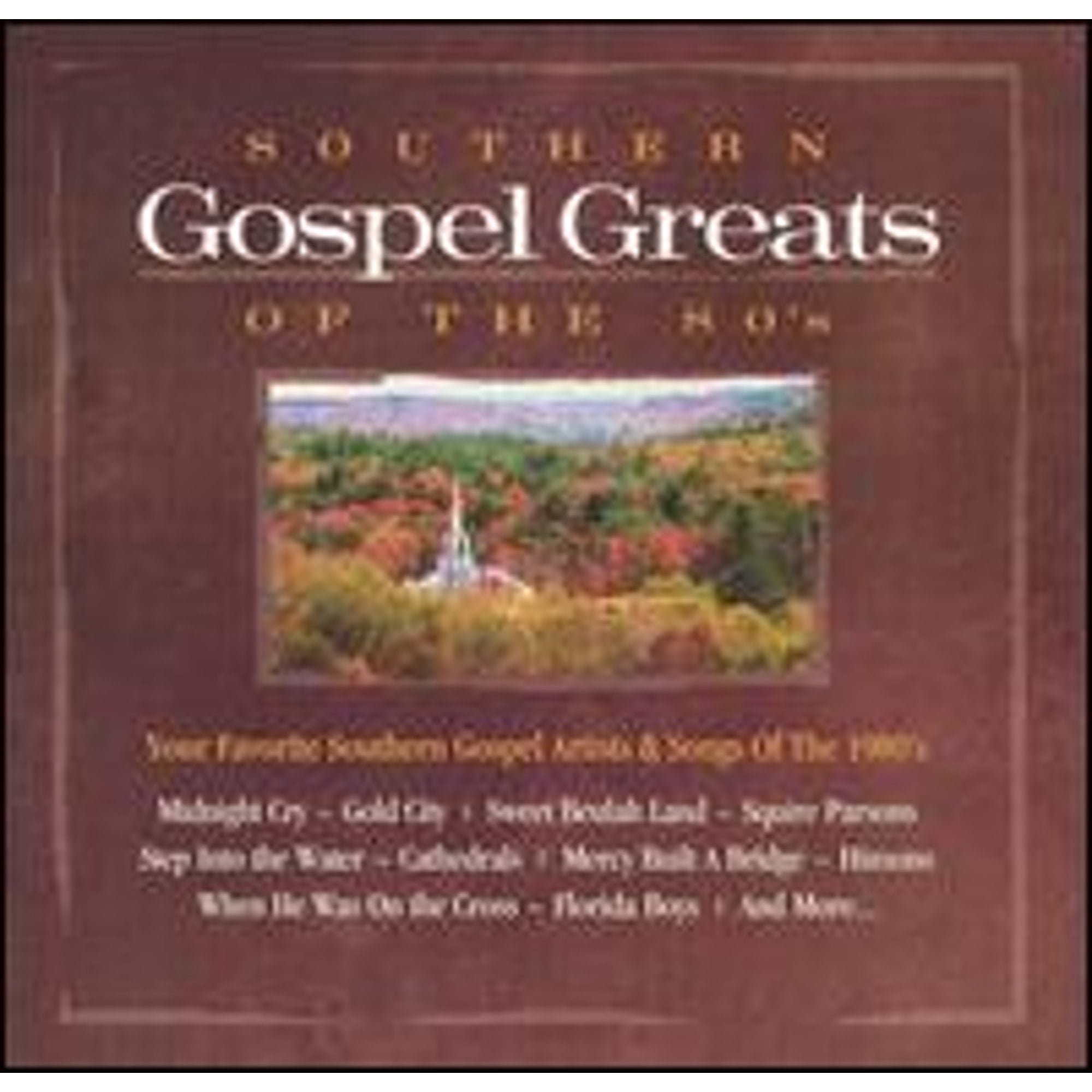
Southern gospel music is a quintessentially American genre that originated in the Southeastern United States during the late 19th century. Rooted in the "shape-note" singing tradition and rural church life, it evolved from community singing schools into a professional industry characterized by four-part male quartets, distinct piano accompaniment, and lyrics centered on faith and resilience.
The Foundations: Shape-Note Singing and the Singing School
To understand the history of southern gospel, one must first look at the musical literacy movements of the early 1800s. In rural Appalachia and the deep South, formal musical education was scarce. To solve this, itinerant "singing masters" traveled from town to town conducting singing schools. They utilized a system known as shape-note singing, or "fasola" singing, which assigned different shapes (triangles, circles, squares, and diamonds) to different notes of the scale.
The most influential publication of this era was The Sacred Harp (1844). This book utilized a four-shape system and fostered a style of "participatory" music where the congregation sat in a hollow square facing each other. This wasn't performance art; it was a communal religious experience. The vocal style was loud, nasal, and unpolished—traits that would later be refined but never entirely abandoned by the professional quartets that followed. These gatherings laid the social and technical foundation for what would become known as "convention gospel."
The Birth of Professionalism: James D. Vaughan and the 1910 Milestone
The transition from community-based singing to professional entertainment is largely credited to James D. Vaughan. Often called the "founder of southern gospel music," Vaughan was a music publisher in Lawrenceburg, Tennessee. In 1910, he realized that the best way to sell his new songbooks was to hire a permanent, professional quartet to travel and perform the songs for the public.
Vaughan’s first quartet was a revolutionary shift. Previously, quartets were often ad hoc groups formed at conventions. By putting a group on salary and providing them with a car—one of the first in the region—Vaughan transformed gospel music into a viable commercial enterprise. He also established a radio station, WOAN, in 1923 to broadcast gospel music, further expanding the genre's reach.
The Role of Music Publishing Houses
During the first half of the 20th century, the genre was driven by publishing houses rather than record labels. Companies like Stamps-Baxter Music and Printing Company, founded by V.O. Stamps and J.R. Baxter, became titans of the industry. Their "singing conventions" were massive events that could draw thousands of people.
In 1937, the Stamps-Baxter Quartet recorded "Give the World a Smile," which became a massive hit. The song utilized a "walking bass" line and upbeat, syncopated rhythms that would define the "happy" sound of southern gospel for decades. These publishers didn't just sell music; they sold a lifestyle, providing the soundtracks for rural southern life through both the Great Depression and World War II.

The Golden Age of Southern Gospel (1945–1960)
Following World War II, southern gospel entered what historians call its Golden Age. This period was marked by the rise of legendary quartets and the transition from piano-only accompaniment to more complex arrangements. The "big three" groups of this era—The Statesmen Quartet, The Blackwood Brothers, and The Speer Family—set the standard for vocal excellence and stage presence.
The Statesmen and the Blackwood Brothers
The Statesmen Quartet, led by Hovie Lister, brought a level of showmanship previously unseen in religious music. They incorporated jazz-influenced harmonies and energetic movements. Jake Hess, the lead singer of the Statesmen, became one of the most influential vocalists in history, cited by Elvis Presley as a primary inspiration.
Simultaneously, the Blackwood Brothers moved the genre toward a more polished, "commercial" sound. They were the first to utilize a customized tour bus, allowing them to travel nationwide and reach audiences far beyond the traditional Bible Belt. Their appearance on Arthur Godfrey’s Talent Scouts in 1954 brought southern gospel to a mainstream national television audience, proving the genre's broad appeal.
All-Night Singings
One of the most significant cultural phenomena of this era was the All-Night Singing. Organized by promoters like Wally Fowler, these events often took place at large venues such as the Ryman Auditorium in Nashville. Starting at 8:00 PM and lasting until dawn, these marathons featured dozens of groups. They were social landmarks, providing a sense of community and spiritual renewal during the rapidly changing post-war years.
Technical Elements: The "Quartet" Sound
The technical structure of southern gospel is distinct and rigorous. While modern groups may vary, the "classic" southern gospel sound is built on a specific vocal arrangement:
- First Tenor: Often singing in a high, clear head voice.
- Second Tenor (Lead): Carries the melody and provides the lyrical focus.
- Baritone: The "glue" that fills in the harmony between the lead and the bass.
- Bass: Often the most popular member, providing low-frequency "anchor" notes and rhythmic "walking" patterns.
The piano style is equally important. Influenced by ragtime and stride piano, southern gospel accompaniment is characterized by heavy use of octaves in the left hand and intricate, fast-moving fills in the right hand. Famous pianists like Anthony Burger and Hovie Lister turned the instrument into a lead voice in its own right.
The Gaither Era and the Homecoming Revolution
By the late 1970s and 1980s, southern gospel faced a period of stagnation. The rise of Contemporary Christian Music (CCM) drew younger audiences away with pop and rock influences. However, in the early 1990s, Bill and Gloria Gaither sparked a massive revival through the Gaither Homecoming series.
What started as a spontaneous gathering of legends for a video shoot turned into a multi-billion dollar franchise. The Homecoming videos and concerts reunited aging legends with contemporary stars, introducing the history of the genre to a new generation. This "Homecoming" movement did more than just sell records; it preserved the oral and musical history of the genre, ensuring that the contributions of pioneers were not forgotten.
| Era | Key Influence/Entity | Primary Innovation |
|---|---|---|
| 1800s - 1900 | Sacred Harp / Singing Schools | Shape-note literacy, communal singing |
| 1910 - 1930 | James D. Vaughan | Professionalism, radio, paid quartets |
| 1930 - 1945 | Stamps-Baxter | Mass-market publishing, "Give the World a Smile" |
| 1945 - 1965 | Statesmen & Blackwood Bros | Tour buses, television, high-production values |
| 1990 - 2010 | Gaither Homecoming | Video marketing, legacy preservation, global tours |
| 2020 - 2026 | Digital Streaming / Social Media | Independent artist growth, genre-blending |
Southern Gospel in the Year 2026
As of 2026, southern gospel music remains a vibrant, though niche, segment of the global music industry. The genre has successfully navigated the transition to digital streaming, with platforms like Spotify and Apple Music seeing a steady rise in "Classic Southern Gospel" playlists.
Modern groups such as The Gaither Vocal Band, The Isaacs, and Ernie Haase & Signature Sound continue to push the boundaries, occasionally incorporating bluegrass or light orchestral elements. However, the core identity—four-part harmony and a message of hope—remains untouched. The National Quartet Convention (NQC), held annually, continues to be the premiere event for the genre, drawing fans from across the globe to celebrate both new talent and historical icons.
Frequently Asked Questions
What is the difference between Southern Gospel and Black Gospel?
While both genres share roots in 19th-century spirituals and hymns, they developed into distinct traditions. Southern gospel is rooted in white Appalachian shape-note singing and focuses on four-part "quartet" style harmonies. Black gospel emerged from the African American church experience, emphasizing soulful soloists, choral arrangements, and a heavier influence from blues and jazz. Despite their differences, the two genres have historically influenced each other significantly in terms of rhythm and vocal technique.
Why is it called "Southern" gospel?
The name reflects the geographic origins of the music. The genre was born and bred in the Southeastern United States, specifically in states like Tennessee, Alabama, Georgia, and the Carolinas. While it is now performed and enjoyed worldwide, its cultural idioms, lyrical themes (such as rural life and "old-time religion"), and historical publishing hubs are firmly rooted in the American South.
Is southern gospel still relevant in the age of Contemporary Christian Music (CCM)?
Yes, southern gospel maintains a dedicated fan base. While CCM dominates Christian radio, southern gospel has carved out a sustainable niche through its focus on family groups, intricate vocal harmonies, and tradition. In 2026, many younger listeners are discovering the genre through "Americana" and "Roots" music circles, valuing the organic, non-synthesized vocal skill required for quartet singing.
What is "Convention Style" singing?
Convention style refers to the participatory singing associated with the early publishing houses. In these events, the emphasis is on the congregation or a large group singing together out of a specific songbook (often using shape notes). Unlike a quartet performance where an audience listens to professionals, convention singing is about everyone in the room participating in the harmony.
Who is considered the most influential person in southern gospel history?
Most historians point to James D. Vaughan. By professionalizing the quartet format, establishing the first gospel music publishing house with its own radio station, and creating a method to mass-market songbooks, he provided the blueprint for the entire industry. Without Vaughan’s commercial foresight, the genre might have remained a local folk tradition rather than a professional musical movement.
Professional Recommendation for Enthusiasts
For those looking to explore the history of southern gospel further, the best next step is to visit the Southern Gospel Music Association (SGMA) Hall of Fame and Museum. Located in Pigeon Forge, Tennessee, this institution houses the largest collection of artifacts, original songbooks, and historical records related to the genre. Additionally, listening to the "Golden Age" recordings of the Blackwood Brothers and the Statesmen Quartet is essential for understanding the technical pinnacle of the four-part harmony tradition.
To witness the genre's current state, attending the National Quartet Convention provides an unparalleled look at the modern performers who are keeping the "old-time" sound alive while adapting to 21st-century production standards.
Image Gallery
Select an image to open it in a new tab.

Simon Caldwell
Enterprise Technology and Systems Editor
