How to Renew Your Massachusetts Life Insurance License: A Comprehensive Guide for 2026

Renewing your Massachusetts life insurance license is a mandatory biennial process that ensures you remain compliant with state regulations and are authorized to continue selling life insurance products. To successfully renew, you must complete the required hours of continuing education (CE) before your birth month expires, submit the renewal application through the National Insurance Producer Registry (NIPR) portal, and pay the associated licensing fees. Failure to meet these requirements by your biennial deadline can result in the lapse of your license, necessitating costly reinstatement procedures or, in some cases, the requirement to retake the state licensing examination.
Understanding the Massachusetts Licensing Cycle
In Massachusetts, life insurance licenses operate on a biennial schedule based on the producer's birth month. Unlike some states that utilize a uniform annual renewal date for all licensees, Massachusetts tracks individual status through the Division of Insurance (DOI). Your specific renewal deadline is tied to your date of birth; your license will expire on the last day of your birth month every two years.
For example, if you were born in June, your license will expire on June 30th of your renewal year. Because the license is issued for a two-year term, your renewal cycle will consistently fall on the anniversary of your birth month every other year. It is the responsibility of the licensee to track this date, although the Division of Insurance typically provides a courtesy notification. Relying solely on official reminders is a high-risk strategy; you should maintain your own records to ensure you do not miss your window of eligibility.
Mandatory Continuing Education (CE) Requirements
Before you can submit your renewal application, you must satisfy the Massachusetts Division of Insurance requirements for continuing education. The purpose of these courses is to keep insurance producers updated on shifting state statutes, evolving consumer protection standards, and new product complexities.
For a life insurance producer, the standard requirement is 16 credit hours of CE per two-year licensing period. Within these 16 hours, there are specific mandates:
- Course Content: At least 13 of the 16 hours must be directly related to the line of authority held—in this case, life insurance.
- Ethics Requirement: You must complete a minimum of 3 hours dedicated to ethics or state insurance law.
- Provider Accreditation: All CE courses must be taken through a provider that has been officially approved by the Massachusetts Division of Insurance.
Always check the course provider’s credentials before enrolling. If you take a course from an unaccredited source, the hours will not count toward your renewal, potentially leaving you short of the requirement when your deadline hits. Many providers will automatically report your completed credits to the state’s database, but you should verify your transcript online through the NIPR or the Massachusetts DOI producer portal at least two weeks before your expiration date.
Step-by-Step Renewal Process
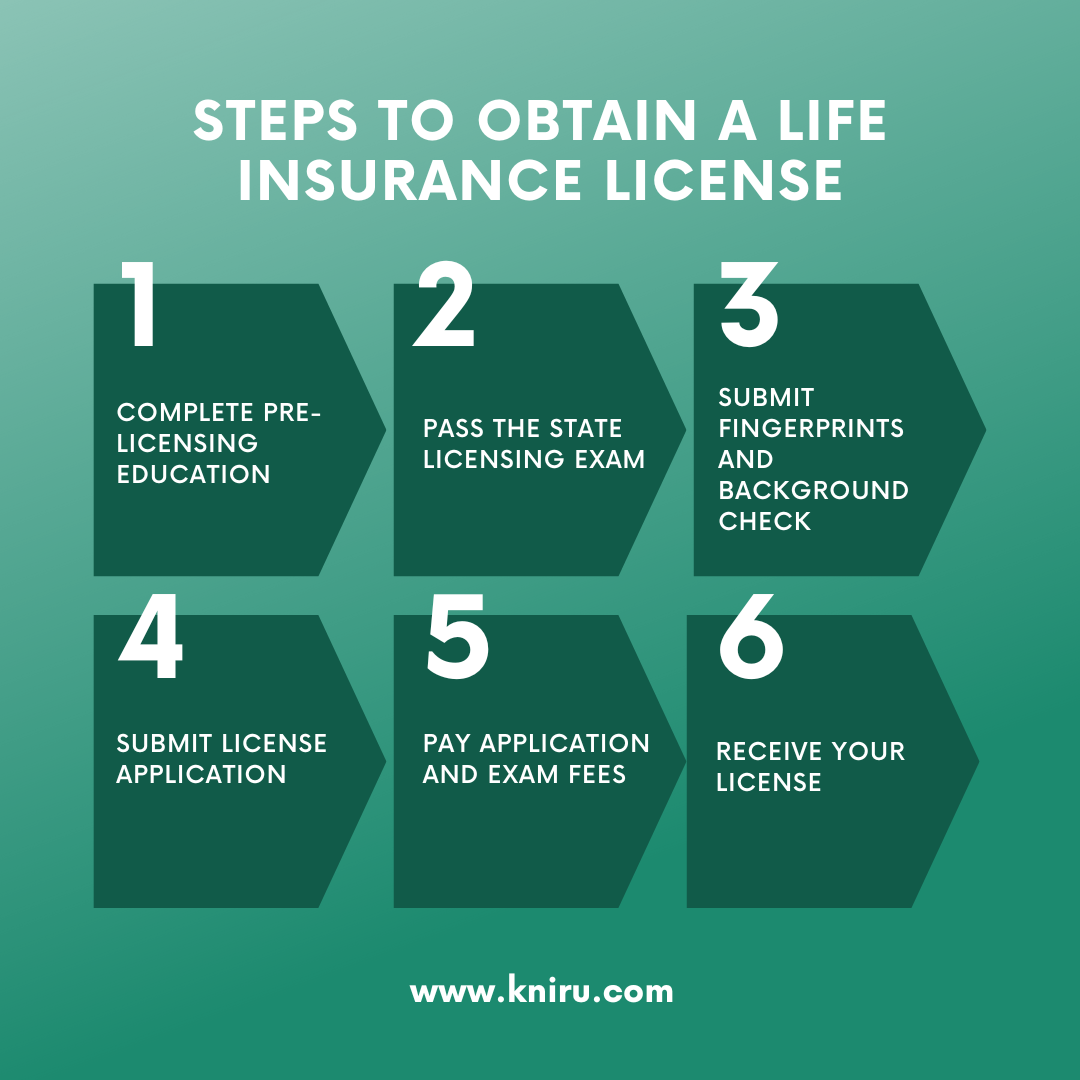
The renewal process has been streamlined to occur almost entirely online. Following the correct sequence prevents processing delays and helps identify potential compliance gaps early.
- Verification of Credits: Log in to the National Insurance Producer Registry (NIPR) or the Massachusetts DOI website to confirm your CE credit balance. Ensure that your provider has uploaded your completion certificates.
- Access the NIPR Gateway: Massachusetts utilizes the NIPR for license renewals. Navigate to the official NIPR website and select "Renew" from the navigation menu.
- Enter Producer Details: You will need your National Producer Number (NPN) and personal identifying information to pull up your specific record.
- Confirm Lines of Authority: You will be prompted to review the lines of authority you wish to renew. Ensure that "Life" is selected.
- Answer Background Questions: You must answer a series of questions regarding any criminal history or regulatory actions taken against you since your last renewal. Be scrupulously honest, as these answers are cross-referenced with national databases.
- Payment: Calculate your fees (which include the state renewal fee and any applicable NIPR processing fees) and submit payment via credit card or electronic check.
- Confirmation: Once submitted, you will receive a confirmation page. Save this as a digital file or print a copy for your records; this is your proof of compliance until your new license is generated.
Fee Structure and Financial Considerations
The cost of renewing your license in 2026 consists of a state-mandated licensing fee plus the service fee charged by the third-party processing vendor. While the state fee is subject to periodic legislative adjustment, producers should prepare for a total cost between $100 and $200, though this varies based on the number of lines of authority being renewed simultaneously.
When planning your budget for the renewal, remember to factor in the cost of the CE courses themselves. Independent providers charge varying rates for their curriculum. While lower-cost options exist, prioritize providers that offer high-quality, up-to-date content, as the knowledge gained is essential for your professional liability and consumer service standards.
Table: Comparison of Renewal Components
| Requirement | Description | Frequency |
|---|---|---|
| Continuing Education | 16 hours (including 3 in ethics) | Biennial |
| Renewal Application | Completed via NIPR portal | Biennial |
| Licensing Fees | Varies by state schedule + processing fees | Biennial |
| Background Review | Disclosure of regulatory actions/crimes | Every Renewal |
Common Mistakes and How to Avoid Them
The most common failure point for producers is "procrastination on credits." Because many producers wait until the final month to complete their CE, they encounter technical glitches with online portals or experience delays in course providers reporting their completions to the state.
- The "Last-Minute" Trap: Do not attempt to complete your CE within the final 48 hours of your renewal window. If the reporting system has a delay, your license may expire, causing you to lose your active status, which can prevent you from earning commissions on pending policies.
- Address Discrepancies: Ensure that the address the Division of Insurance has on file is current. If you have moved, update your information through the NIPR change-of-address link well before the renewal cycle begins.
- Duplicate Credits: You generally cannot claim the same CE course twice within the same renewal cycle. If you take a course, check your transcript to see if it is repeatable; if it is not, taking it again will result in zero credit toward your requirement.
Troubleshooting and Technical Support
If you encounter a problem—such as the system failing to recognize your completed CE credits or an error in the payment gateway—do not wait to resolve it.
First, contact the CE provider to confirm they have submitted your credits to the state’s reporting system. If they have done so, check the Massachusetts Division of Insurance website to see if there is a pending batch upload. If you are past your expiration date and the system shows your license as "Inactive" or "Expired," you must contact the Massachusetts Division of Insurance Producer Licensing department directly. They can guide you through the process of late renewal or reinstatement if you have recently missed the deadline.
Frequently Asked Questions
1. What happens if I fail to renew by my birth month deadline?
If you miss your deadline, your license will lapse. You may be permitted to perform a late renewal within a grace period, usually by paying an additional late fee. If the lapse continues for an extended period, you may be required to submit a new application, pay additional fees, and potentially retake the licensing exam.
2. Can I carry over extra CE credits to the next cycle?
No. In Massachusetts, excess continuing education credits earned in one biennial period cannot be carried over to satisfy the requirements for the following two-year period. You must fulfill the full 16-hour requirement within each specific cycle.
3. How do I verify my license status?
You can verify your license status at any time by using the "Licensee Search" tool on the Massachusetts Division of Insurance website or the NIPR website. This tool displays your active lines of authority and your license expiration date.
4. Are there exemptions for the CE requirement?
Certain individuals, such as those who have held a license for a very long period or have specific professional designations, may occasionally qualify for exceptions under specific statutes. You should consult the Massachusetts DOI website or contact the licensing bureau to determine if your specific circumstances qualify for an exemption.
5. How far in advance can I renew?
You can generally begin the renewal process 90 days before your expiration date. It is highly recommended to complete your CE and submit your application at least 30 days early to allow for any administrative processing time.
Recommended Next Action
The most proactive step you can take today is to log into your NIPR account or the Massachusetts Division of Insurance portal to confirm your exact expiration date and current CE credit status. If you are within 90 days of your expiration, register for your required CE courses immediately. By finalizing your compliance early, you protect your ability to practice without interruption and avoid the stress of last-minute administrative hurdles.
Image Gallery
Select an image to open it in a new tab.
Declan O'Connor
Higher Education and Campus Culture Reporter
