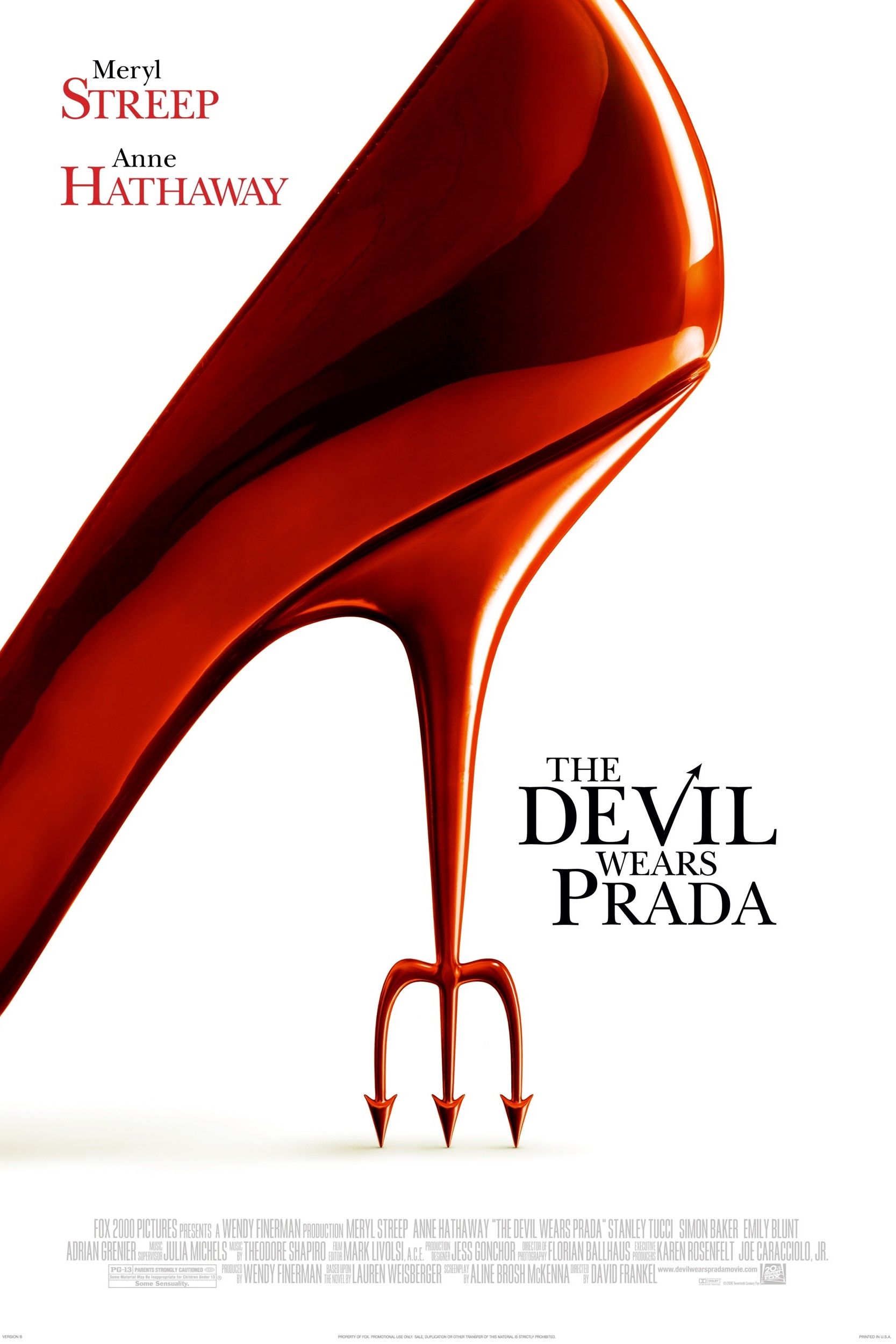
While the 2006 film adaptation of The Devil Wears Prada is a cinematic masterpiece defined by Meryl Streep’s legendary performance, the original novel by Lauren Weisberger offers a deeper, more visceral exploration of workplace toxicity and personal erosion. For readers, the book excels by providing an unfiltered internal monologue, more complex secondary characters, and a significantly more realistic—and perhaps more satisfying—resolution to Andrea Sachs’s ordeal.
The Psychological Depth of the Internal Monologue
One of the primary reasons the book resonates more profoundly with readers than the film does with viewers is the access it provides to Andrea "Andy" Sachs’s internal state. In a visual medium, we see Andy’s frustration through Anne Hathaway’s expressions, but in the prose, we inhabit her anxiety. Lauren Weisberger crafts a narrative that functions as a survival diary, detailing the minute-by-minute erosion of a young woman’s self-esteem.
In the book, the reader is privy to the constant mental gymnastics Andy performs to justify her continued employment at Runway. This internal dialogue highlights a specific type of gaslighting that is difficult to convey on screen: the way a toxic environment convinces the victim that they are the one failing, rather than the system being broken. Readers witness the transition from Andy’s initial intellectual snobbery to a state of total cognitive dissonance. This psychological journey makes her eventual "breaking point" feel earned and inevitable, rather than just a dramatic plot beat for a third-act climax.
Furthermore, the book explores the physical toll of the job in ways the movie glosses over for the sake of "fashion porn" montages. The reader feels the sleep deprivation, the constant hunger (a recurring theme of the 2003 novel), and the genuine terror of the ringing Blackberry. While the movie makes the job look glamorous and exhausting, the book makes it feel genuinely traumatizing.
Miranda Priestly: Pure Antagonist vs. Humanized Icon
The most significant divergence between the two mediums lies in the characterization of Miranda Priestly. In the 2026 cultural landscape, Meryl Streep’s portrayal of Miranda is often viewed through the lens of "girlboss" inspiration—a woman who is demanding because she is a perfectionist in a male-dominated world. The movie purposefully humanizes her, most notably in the scene in Paris where she shows vulnerability regarding her divorce.
However, for readers of the original text, the book's version of Miranda is a far more effective and terrifying antagonist. The literary Miranda is not a misunderstood genius; she is a high-functioning sociopath within the fashion industry. There are no scenes of her weeping in a hotel room. She does not offer Andy a respectful "nod" at the end. By keeping Miranda as an unredeemable force of nature, the book maintains a level of tension that the movie sacrifices for character development.
For a reader, this lack of humanization makes the book a more honest critique of power dynamics. It suggests that some leaders are not "tough but fair," but are simply abusive. By refusing to give Miranda a "sob story," Weisberger forces the reader to focus on the impact of her actions on her subordinates, rather than finding excuses for her behavior. This makes Andy’s ultimate defiance in the book much more powerful because she isn't leaving a mentor; she is escaping a captor.

The Erasure of the Supporting Cast’s Complexity
The film adaptation streamlined the story by flattening the secondary characters, most notably Lily (Andy’s best friend) and Alex (Andy’s boyfriend, renamed Nate in the film). In the movie, Nate and the friends are often criticized by modern audiences for being unsupportive of Andy’s career growth. However, in the book, their concerns are far more substantiated, and their own lives are much more complicated.
The Tragedy of Lily
In the novel, Lily is not just a flighty friend who wants free swag. She is a graduate student struggling with a serious drinking problem, a subplot that was entirely removed from the film. As Andy becomes more consumed by Miranda’s demands, she fails to notice that her best friend is spiraling toward a life-altering crisis. This adds a layer of genuine guilt and stakes to Andy’s transformation. It isn't just that Andy is "missing birthdays"; it's that she is missing the warning signs of a loved one’s self-destruction.
Alex vs. Nate
The boyfriend character in the book, Alex, is a teacher working with underprivileged youth in the Bronx. This creates a much sharper thematic contrast than Nate’s career as a chef in the movie. Alex’s work is inherently meaningful and altruistic, which highlights the perceived "shallowness" of Andy’s world at Runway. When they clash, it isn't just about time management; it’s about a fundamental shift in values. Readers see Andy lose her connection to someone who represents the person she used to be, making her descent into the fashion world feel like a true tragedy of character.
A Realistic Portrayal of the Fashion Industry
While the movie is celebrated for its costume design and the "cerulean" monologue, the book offers a more cynical and technically detailed look at the 2000s-era magazine industry. For readers interested in the "how-to" of high-stakes publishing, the book provides a wealth of information that a 100-minute film cannot fit.
The novel details the grueling logistics of the "Closet," the specific hierarchy of the assistants, and the bizarre, almost ritualistic tasks Miranda assigns. These details serve to build a world that feels suffocating. In the movie, the fashion world is a place where you get a makeover and look fabulous; in the book, it is a place where you lose your identity to the point where you no longer recognize your own body or your own values. The literary version focuses on the absurdity of the industry—the way people would treat a lost Harry Potter manuscript or a specific type of vintage scarf as a life-or-death emergency.
| Feature | Book Version (The Devil Wears Prada) | Movie Version (2006 Adaptation) |
|---|---|---|
| Miranda's Persona | Cruel, detached, and consistently antagonistic. | Demanding but occasionally vulnerable and humanized. |
| Lily's Role | A best friend battling alcoholism; provides a moral wake-up call. | A supportive, if slightly snarky, gallery worker. |
| Andy's Boyfriend | Alex, a dedicated teacher in the Bronx. | Nate, an aspiring chef in Manhattan. |
| The Ending | Colder, more realistic, and focuses on Andy’s self-recovery. | Redemptive, with a final "nod" of respect from Miranda. |
| Tone | Dark satire with elements of a psychological thriller. | A sophisticated, stylish comedy-drama. |
| Primary Conflict | The loss of self and the betrayal of personal relationships. | Balancing career ambition with personal integrity. |
The Impact of the Book’s Ending
The ending of the film is often described as "Hollywood." Andy throws her phone into a fountain, quits her job in a moment of triumph, and eventually gets a job at a newspaper with a recommendation from Miranda herself. It suggests that despite the trauma, the experience was "worth it" for her career.
The book offers a starkly different conclusion. Andy’s departure is more explosive and less "clean." She doesn't get a polite recommendation; she burns the bridge with a blowtorch. More importantly, the book deals with the aftermath. Andy doesn't just step into a dream job. She has to reckon with the damage she did to her relationships and her own mental health.
For readers, the book’s ending is superior because it acknowledges that some experiences don't have a silver lining. Sometimes, a job is just a mistake, and the only "win" is getting out with a shred of your soul intact. The book’s resolution feels more authentic to the experience of anyone who has survived a truly toxic workplace. It doesn't validate Miranda’s methods; it rejects them entirely.
Why the Written Word Triumphs for This Story
The medium of a novel allows for a "slow burn" that a movie must accelerate. Readers spend hundreds of pages experiencing the incremental changes in Andy’s personality. We see her start to use "the voice"—that clipped, superior tone used by the Runway staff—and we feel her horror when she realizes she is doing it. This gradual transformation is the heart of the story, and it is most effectively told through prose.
Moreover, the book is a time capsule of 2003 New York. While the movie is timeless in its style, the book is grounded in a very specific era of media and technology. For modern readers in 2026, looking back at the book provides a fascinating social commentary on the transition from traditional print media to the digital age, a nuance that the film, by nature of being a visual product, focuses on less than the interpersonal drama.
Frequently Asked Questions
Is the book version of Miranda Priestly based on a real person?
It is widely believed that Miranda Priestly is based on Anna Wintour, the long-time editor-in-chief of Vogue. Lauren Weisberger worked as Wintour’s personal assistant before writing the novel. While Weisberger has stated the character is a work of fiction, the parallels between Runway and Vogue—and the specific demands of the editor—led to the book being categorized as a "roman à clef."
Why did the movie change Andy’s boyfriend’s name and career?
The change from Alex (a teacher) to Nate (a chef) was likely done to make the character more "cinematic." A chef’s high-pressure kitchen environment mirrors Andy’s high-pressure fashion environment, providing a different type of narrative symmetry. However, this change arguably weakened the moral contrast that existed in the book.
Is the book more "mean" than the movie?
Yes, the book is considerably more cynical. It falls into the "chick lit" genre of the early 2000s, which often utilized sharp satire and unfiltered protagonists. The movie was softened to appeal to a broader audience and to make the characters more likable, which is a common practice in Hollywood adaptations.
Does the book have a sequel?
Yes, Lauren Weisberger wrote a sequel titled Revenge Wears Prada: The Devil Returns, published in 2013. It follows Andy ten years after she left Runway, where she is now editing her own bridal magazine and crosses paths with Miranda once again.
Should I read the book if I’ve already seen the movie?
Absolutely. Because the movie focuses so heavily on the visual aesthetic and the performance of Meryl Streep, the book feels like a completely different experience. It offers a deeper look at the subplots (like Lily’s story) and a more complex internal journey for Andy that the movie simply doesn't have time to explore.
Final Recommendation: How to Experience the Story
For those looking to truly understand the themes of The Devil Wears Prada, the best approach is to treat the book and the movie as two distinct entities. View the movie for the iconic fashion and the legendary acting, but read the book for the psychological depth and the gritty reality of 21st-century ambition. If you have only seen the film, you have only seen the "sanitized" version of the story. To get the full, raw impact of Andrea Sachs’s year in hell, you must go back to the source material.
Image Gallery
Select an image to open it in a new tab.


Mateo Castillo
Decentralized Finance and E-Payments Strategist
