Effective Methods for Removing Mold from Cement Surfaces
Removing mold from cement requires a systematic approach that combines moisture control, surface preparation, and the application of appropriate fungicidal agents. Because cement is a porous, alkaline material, surface-level scrubbing is rarely sufficient; you must penetrate the microscopic pores of the concrete to neutralize fungal spores and prevent rapid re-growth, while ensuring the underlying moisture source is permanently addressed.
Understanding the Nature of Mold on Cement
Cement, or more broadly, concrete, is a high-pH, porous material. While the high alkalinity of fresh concrete can initially inhibit mold growth, it loses this property over time through a process called carbonation, where exposure to air lowers the surface pH. Once the pH drops, and combined with the presence of organic debris—such as dust, skin cells, or soil—cement becomes a highly hospitable environment for mold if moisture is present.
Unlike smooth, non-porous surfaces like glass or metal, cement acts like a sponge. Mold hyphae (the root-like structures) can penetrate deep into the concrete's capillaries. This is why surface cleaning often results in the mold returning within a few weeks; the "roots" remain intact within the substrate. Effective remediation must address both the surface discoloration and the deep-seated hyphae.
Prerequisites for Safe Remediation
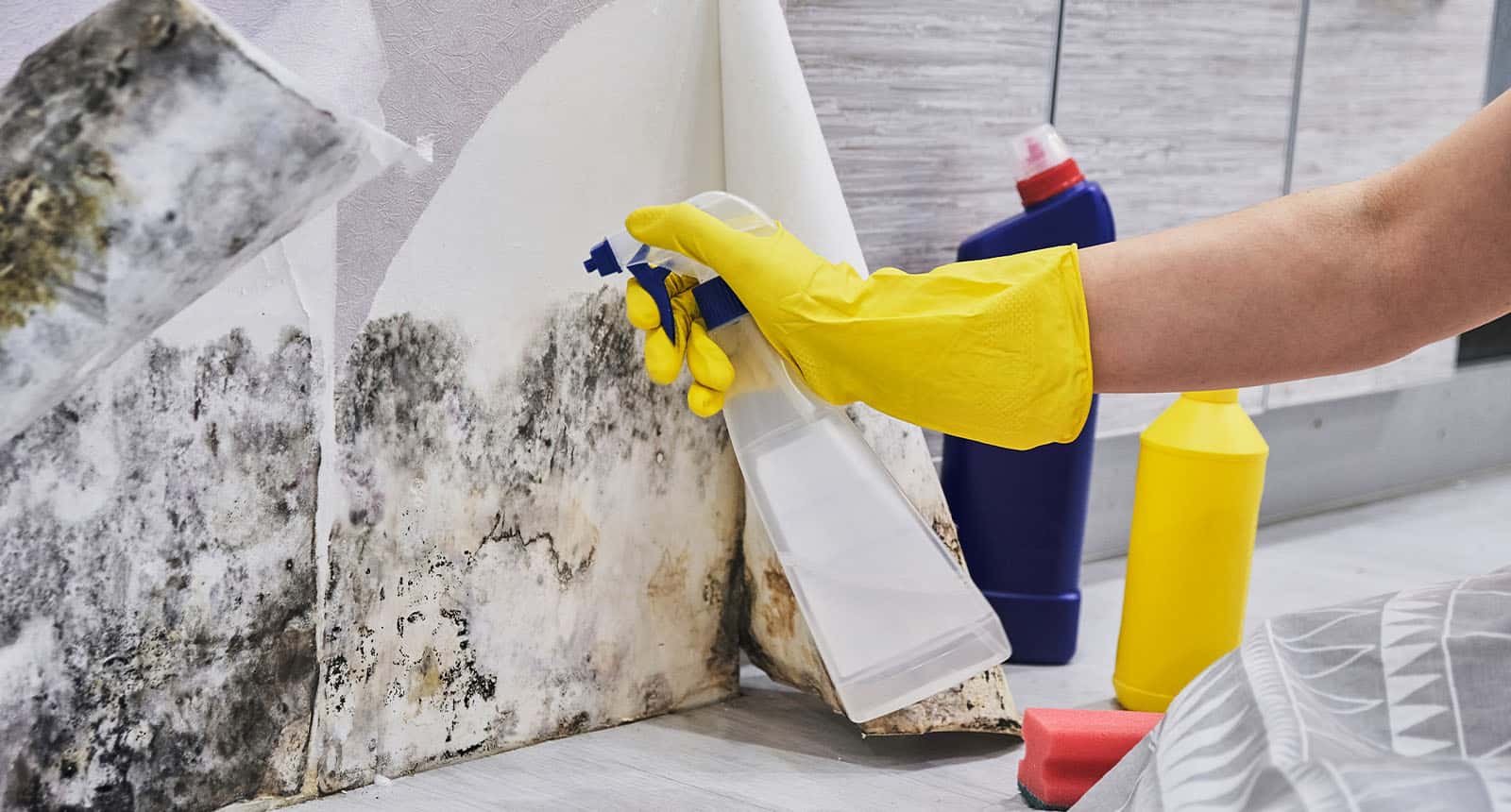
Before beginning any cleaning process, safety and environmental protection are paramount. Mold spores can become airborne during the scrubbing process, and the chemicals used for remediation are often hazardous.
- Personal Protective Equipment (PPE): At a minimum, wear an N95 respirator to prevent inhalation of spores. Use chemical-resistant gloves (nitrile is generally effective), eye protection, and long-sleeved clothing.
- Ventilation: If the cement is in an enclosed area like a basement or garage, ensure maximum airflow. Open all windows and use fans to exhaust air directly to the outside.
- Containment: If cleaning a large area, hang plastic sheeting to prevent spores from migrating to clean parts of your home.
- Moisture Source Identification: Before scrubbing, locate the source of the dampness. Is it a foundation leak, condensation from poor ventilation, or a plumbing issue? If you do not stop the water, the mold will inevitably return.
Selecting the Right Cleaning Agent
The choice of cleaning agent depends on the severity of the infestation and the location of the cement.
- Commercial Fungicides: Specifically formulated for concrete, these often contain quaternary ammonium compounds. They are generally safer to use around vegetation than chlorine-based cleaners and are effective at neutralizing spores.
- Chlorine Bleach (Sodium Hypochlorite): Often mistakenly recommended as a universal mold killer, bleach is highly effective at removing the color of mold, making it look clean, but it is often ineffective at killing mold roots in porous materials like cement. Furthermore, the water content in bleach solutions can actually feed the mold if the surface is not dried thoroughly.
- Vinegar (Acetic Acid): A mild acidic solution can help lower the pH of the cement surface, making it less hospitable to future mold growth. It is an effective, non-toxic alternative for light surface mold.
- Hydrogen Peroxide: A 3% to 10% solution of hydrogen peroxide is an effective oxidizer that penetrates the surface better than bleach, though it may require a longer dwell time.
Step-by-Step Remediation Process
Follow these steps to ensure a thorough cleaning of your cement surface.
- Dry Cleaning: Before applying liquids, use a stiff-bristled brush or a vacuum equipped with a HEPA filter to remove loose surface dirt, debris, and dry mold. This reduces the amount of organic material the chemical cleaner has to work through.
- Application: Apply your chosen solution to the affected area using a sprayer or a heavy-duty sponge. For stubborn mold, you may need to apply a poultice—a mixture of the cleaner and an absorbent material like baking soda or cat litter—to draw the mold out of the pores.
- Dwell Time: Allow the cleaning agent to sit on the surface for 10 to 15 minutes. Do not let it dry completely. If it begins to dry, lightly mist it with more solution. This dwell time is critical for the chemical to penetrate the pores of the cement.
- Agitation: Use a stiff nylon scrub brush to work the cleaner into the concrete. Do not use metal brushes on smooth concrete as they can leave metal particles that will rust, causing permanent staining.
- Rinsing: Rinse the surface thoroughly with clean water. If cleaning indoors, use a wet-dry vacuum to remove all excess water. Residual water is the primary cause of recurring mold.
- Forced Drying: Use industrial fans, dehumidifiers, or space heaters to ensure the cement is completely dry within 24 hours of cleaning.
Comparison of Cleaning Agents for Cement
| Cleaning Agent | Pros | Cons | Best Use Case |
|---|---|---|---|
| Commercial Fungicide | Targeted for porous surfaces, low toxicity | Higher cost, harder to source | Large basement areas, stubborn colonies |
| Vinegar (White) | Natural, inhibits regrowth | Mild, slow action | Light surface mold, maintenance |
| Hydrogen Peroxide | No harmful fumes, effective | Can bleach darker concrete | Enclosed areas with low airflow |
| Bleach (Diluted) | Cheap, fast color removal | Does not kill deep roots | Surface staining on light-colored concrete |
Maintenance and Prevention Strategies
Once the cement is clean, your goal shifts to prevention. Because concrete is porous, it is prone to moisture absorption.
- Seal the Surface: After the concrete has completely dried (usually 48 to 72 hours), consider applying a high-quality masonry sealer. Silane or siloxane-based sealers are ideal because they are breathable, allowing water vapor to escape while preventing liquid water from soaking into the cement.
- Control Humidity: Maintain indoor humidity levels between 30% and 50%. In damp climates or below-grade spaces, a permanent dehumidifier piped directly to a drain is the most effective defense.
- Improve Drainage: If the cement is an exterior slab, ensure that gutters and downspouts are diverting water at least six feet away from the foundation. Grade the soil around the perimeter to slope away from the structure.
- Regular Inspections: Twice a year, inspect the concrete for cracks. Hairline cracks allow moisture to seep deeper into the slab, creating a protected environment for mold. Patch any cracks with appropriate concrete filler or caulk.
Troubleshooting Persistent Mold
If you have performed a deep cleaning and the mold returns within a few weeks, one of three things is happening:
- Moisture Infiltration: You have not identified the true source of the water. Check for hydrostatic pressure pushing water up through the slab, which often requires professional basement waterproofing (such as installing a French drain or a sump pump system).
- Embedded Spores: The mold had established such a deep colony that surface-level cleaning did not reach the base of the hyphae. In this case, professional grinding or sandblasting of the concrete surface may be required.
- Insufficient Drying: The environment remains perpetually damp, and the cleaning process was not followed by an adequate drying cycle.
In cases of significant structural mold, such as that appearing on load-bearing walls or extensive floor slabs, it is advisable to consult with a licensed industrial hygienist or a professional remediation contractor. They can perform moisture mapping and provide a certified clearance report to ensure the area is safe for habitation.
Frequently Asked Questions
Can I use a pressure washer to clean mold off concrete? Yes, but use caution. While effective for exterior slabs, pressure washing indoors can force water into wall cavities and cause more damage. Outdoors, use a fan tip rather than a zero-degree nozzle, which can etch the concrete surface and make it more porous, paradoxically making it easier for mold to return in the future.
Is it safe to live in a house with mold on the basement cement? Not all mold is toxic, but the presence of any mold indicates a moisture issue that can lead to structural damage and poor air quality. If you have respiratory issues or immune system sensitivities, the presence of mold can be a health risk. It is recommended to remediate the mold and fix the moisture source immediately.
Does vinegar kill mold on concrete better than bleach? Vinegar is generally superior for concrete because its acidic nature penetrates the porous surface to kill the roots of the mold. Bleach is primarily a whitening agent that may leave the roots alive beneath the surface. For deep-seated mold, a professional-grade quaternary ammonium fungicide is often more effective than either.
Why does the mold always come back after I clean it? Mold returns because the environmental conditions that caused it—high moisture and organic "food" sources—have not been corrected. If the cement stays damp, mold spores from the air will land on the surface and quickly colonize. The focus must shift from cleaning to drying and sealing the concrete.
Next Steps for Remediation
Begin by assessing the extent of the infestation. If the area is larger than 10 square feet, professional guidance is highly recommended. If the mold is localized, purchase a professional-grade, EPA-registered mold inhibitor, clear the area of all items, and follow the cleaning steps outlined above, prioritizing the use of a dehumidifier to ensure a rapid drying process. Once the area is dry, apply a concrete sealer to provide a long-term moisture barrier.

Image Gallery
Select an image to open it in a new tab.

Lars Thomsen
Global Labor Markets and Economic Strategy Editor
