
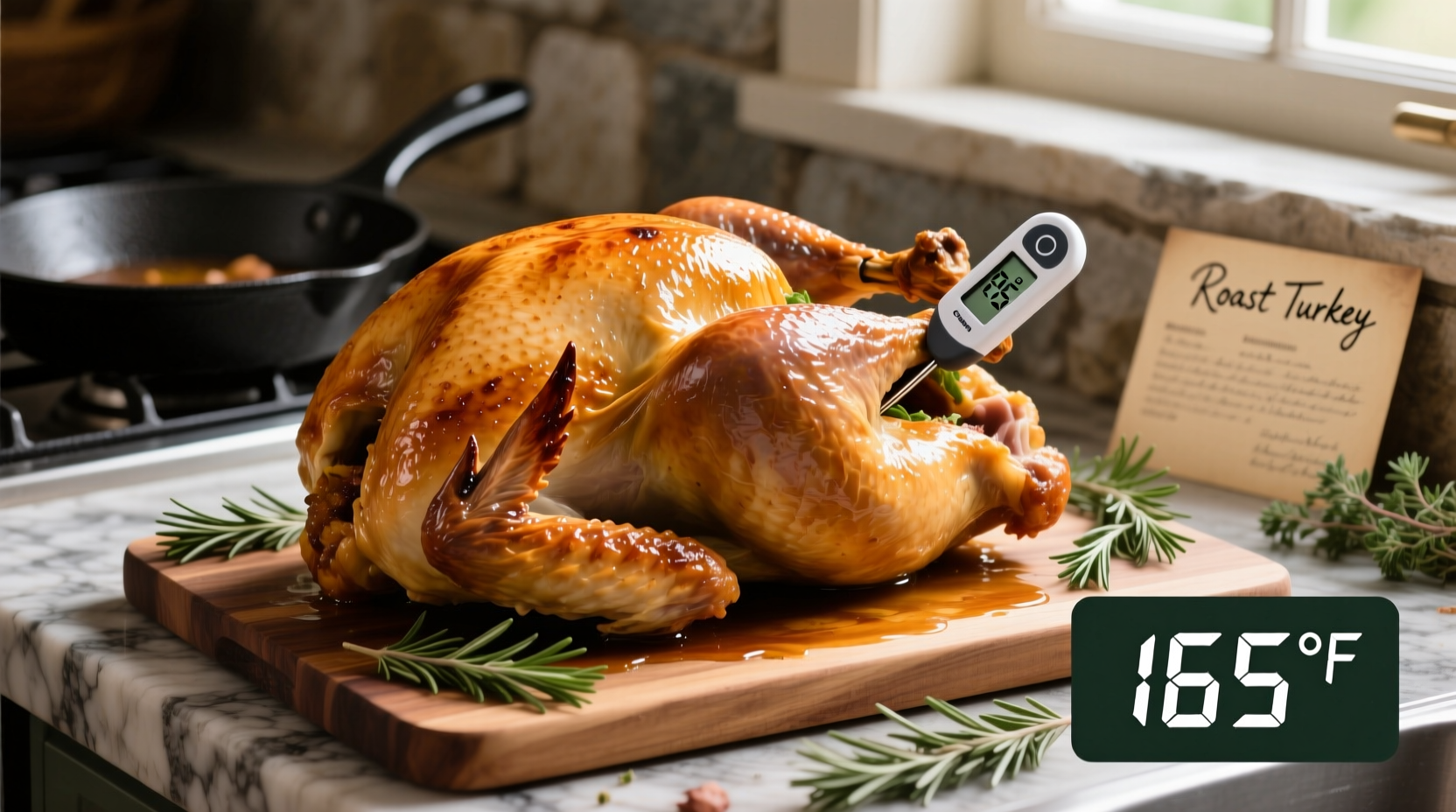
To ensure ground turkey is safe to consume, it must reach a minimum internal temperature of 165°F (74°C) as measured by a food thermometer. This temperature is the critical threshold at which harmful bacteria, such as Salmonella and Campylobacter, are destroyed instantaneously, providing a necessary safeguard against foodborne illness regardless of the meat's color or texture.
Why 165°F is the Non-Negotiable Standard for Ground Turkey
In the realm of food safety, the 165°F benchmark for ground poultry is not a suggestion but a scientifically backed requirement. This specific temperature is designated by the United States Department of Agriculture (USDA) and the Food and Safety Inspection Service (FSIS) because of the unique biological risks associated with poultry and the mechanical process of grinding meat.
When whole cuts of meat, like a steak, are processed, bacterial contamination typically remains on the surface. However, the grinding process takes those surface-level pathogens and distributes them throughout the entire batch of meat. Consequently, every ounce of a ground turkey patty or meatloaf must reach the target temperature to ensure total pathogen eradication. If the center remains even slightly under 165°F, viable bacteria may survive, posing a significant health risk to consumers.
Furthermore, poultry is naturally more prone to carrying Salmonella than red meats. Unlike beef, which can sometimes be safely consumed at lower internal temperatures (like 145°F for medium-rare steaks), turkey lacks the same muscle density and protective barriers, requiring a higher heat threshold to ensure the "7-log reduction" in bacteria. This reduction means that the heat has killed 9,999,999 out of every 10,000,000 bacteria present, a standard deemed safe for public consumption.
The Unreliability of Visual Cues: Color vs. Safety
One of the most dangerous myths in home cooking is that ground turkey is "done" when it is no longer pink or when the juices run clear. Relying on these visual indicators is a frequent cause of foodborne illness. Scientific studies have shown that ground turkey can remain pink even after reaching a safe internal temperature of 165°F, or conversely, it can turn brown and look "cooked" well before it has reached the safety threshold.
Several factors influence the color of cooked ground turkey:
- Pigment Concentration: Turkey contains myoglobin, a protein that stores oxygen in muscle cells. The amount of myoglobin varies depending on whether the ground turkey is made from white meat (breast) or dark meat (thighs and drumsticks).
- pH Levels: The acidity or alkalinity of the meat affects how pigments react to heat.
- Nitrites and Gases: If you are cooking on a gas grill or using certain seasonings, the nitrates or carbon monoxide present in the environment can react with the meat to maintain a pinkish hue even at high temperatures.
- Fat Content: Leaner ground turkey (99% lean) reacts differently to heat than 85/15 blends, often changing color more rapidly.
Because of these variables, a calibrated food thermometer is the only objective tool to verify that ground turkey has reached a safe state.

How to Accurately Measure the Temperature of Ground Turkey
Precision is key when measuring the temperature of ground meats. Because ground turkey is often formed into thin patties or loose crumbles, achieving an accurate reading requires specific techniques.
Digital Instant-Read Thermometers
For ground turkey, a digital instant-read thermometer is the gold standard. These devices use a thermistor or thermocouple in the tip to provide a reading within seconds. They are particularly useful for patties and meatloaf where you need a quick, accurate measurement before the meat overcooks.
Proper Probe Placement
To get an accurate reading, you must insert the probe into the thickest part of the meat.
- Patties and Burgers: Do not insert the thermometer from the top down. Instead, insert the probe into the side of the patty, ensuring the tip reaches the very center without passing through to the other side or touching the cooking surface (pan or grill).
- Meatloaf: Insert the probe into the center of the thickest part of the loaf. Ensure the tip is not touching the bottom of the pan, as the metal will conduct heat and give a falsely high reading.
- Crumbs and Sauces: For loose ground turkey used in tacos or bolognese, clump a small pile of meat together and insert the probe into the center of the mass.
Accounting for Carryover Cooking
Carryover cooking is the phenomenon where meat continues to rise in temperature after being removed from the heat source. While this is significant in large roasts, it is less pronounced in small ground turkey patties. However, for a large turkey meatloaf, you might pull the dish from the oven at 160°F, as the internal temperature will likely climb the remaining 5 degrees while resting. Always verify that the temperature reaches 165°F during the resting period before serving.
Essential Food Safety Temperatures for 2026
To understand where ground turkey fits into the broader spectrum of kitchen safety, compare it with the internal temperatures required for other proteins. As of 2026, these standards remain the baseline for preventing foodborne illness.
| Protein Type | Minimum Internal Temperature | Recommended Rest Time |
|---|---|---|
| Ground Turkey / Chicken | 165°F (74°C) | None (or 3 mins for meatloaf) |
| Ground Beef, Pork, Lamb | 160°F (71°C) | None |
| Whole Poultry (Chicken, Turkey) | 165°F (74°C) | 10–20 minutes |
| Fresh Finfish | 145°F (63°C) | None |
| Beef, Pork, Lamb (Steaks/Roasts) | 145°F (63°C) | 3 minutes |
| Leftovers and Casseroles | 165°F (74°C) | None |
Safe Handling and Preparation Standards
Safe cooking begins long before the turkey hits the pan. Improper handling of raw ground turkey can lead to cross-contamination, where bacteria spread to surfaces, utensils, or other foods.
Thawing Methods
Never thaw ground turkey on the kitchen counter at room temperature. The "Danger Zone"—the temperature range between 40°F and 140°F—is where bacteria multiply most rapidly.
- Refrigerator Thawing: The safest method. Place the package on a plate on the bottom shelf to prevent juices from dripping onto other items. Allow 24 hours for every pound of meat.
- Cold Water Thawing: Place the turkey in a leak-proof plastic bag and submerge it in cold tap water. Change the water every 30 minutes. Cook immediately after thawing.
- Microwave Thawing: Use the defrost setting and cook the meat immediately, as some areas may begin to cook during the defrosting process, pushing them into the Danger Zone.
Preventing Cross-Contamination
Raw turkey juices are a primary vehicle for Salmonella. Always use separate cutting boards for meat and produce. After handling raw ground turkey, wash your hands, utensils, and all contact surfaces with hot, soapy water. According to the Centers for Disease Control and Prevention (CDC), you should avoid washing raw poultry, as the splashing water can spread bacteria up to three feet away from your sink.
Challenges with Ground Turkey: Preventing Dryness
The primary complaint about cooking ground turkey to 165°F is that it can become dry and crumbly. Because ground turkey is often leaner than ground beef, it lacks the fat content that provides moisture and "mouthfeel" at higher temperatures. However, safety should never be sacrificed for texture. Instead, use these culinary techniques to maintain moisture while hitting the 165°F target:
- Add Moisture-Binding Agents: Incorporate finely chopped sautéed onions, mushrooms, or grated zucchini into your turkey mix. These vegetables release moisture as the meat cooks.
- Pan-Searing with a Lid: When cooking patties, sear them on one side, flip, and then cover the pan with a lid. This traps steam, helping the center reach 165°F faster without over-drying the exterior.
- Use a Panade: For meatloaf or meatballs, use a panade (a mixture of breadcrumbs and milk or broth). This creates a gel-like structure that holds onto moisture even at 165°F.
- Avoid Over-Mixing: Over-working ground turkey can lead to a dense, rubbery texture. Handle the meat as little as possible when forming patties.
Storage and Reheating in 2026
Once cooked, ground turkey must be handled properly to maintain its safety. In 2026, the standard for leftovers remains the "2-hour rule."
- Cooling: Cooked ground turkey should be refrigerated within two hours of cooking (or one hour if the ambient temperature is above 90°F).
- Refrigeration: Store in airtight containers for 3 to 4 days.
- Freezing: For long-term storage, cooked turkey can be frozen for 2 to 3 months for best quality, though it remains safe indefinitely if kept at 0°F.
- Reheating: Always reheat leftovers to 165°F. Use a thermometer to check the center of the dish. This ensures that any bacteria that may have contaminated the food after cooking are destroyed.
Frequently Asked Questions
Is it safe to eat ground turkey that is slightly pink if the thermometer says 165°F?
Yes, it is perfectly safe. As discussed, the pink color can be a result of the meat's pH, the presence of myoglobin, or the cooking environment. If a calibrated food thermometer reads 165°F (74°C), the bacteria have been destroyed, and the meat is safe to eat regardless of the interior color.
Why is the safe temp for ground turkey higher than ground beef?
The safe temperature for ground beef is 160°F, while ground turkey is 165°F. This difference exists because poultry is more likely to harbor Salmonella, which is more heat-resistant than the pathogens typically found in beef, such as E. coli. The extra 5 degrees provides a necessary margin of safety for poultry products.
Can I cook ground turkey from frozen?
Yes, you can cook ground turkey from a frozen state, but it will take approximately 50% longer than thawed meat. It is vital to use a thermometer in this scenario, as the outside may appear burnt while the center remains frozen and hazardous.
Does the "Danger Zone" apply to ground turkey?
Absolutely. The Danger Zone is 40°F to 140°F. Bacteria can double in number in as little as 20 minutes within this range. Ground turkey should never be left out at room temperature for more than two hours.
What if I don't have a meat thermometer?
If you do not have a thermometer, you are taking a risk with food safety. While some suggest looking for clear juices or firm texture, these are not reliable. The most responsible action is to purchase an inexpensive digital thermometer to ensure your family's safety.
Practical Recommendation: The Next Step for Home Cooks
The most effective way to master ground turkey safety is to calibrate your thermometer regularly. Even the best digital thermometers can drift over time. To calibrate, fill a glass with crushed ice and a small amount of water. Stir it and let it sit for a few minutes. Insert your thermometer probe; it should read exactly 32°F (0°C). If it does not, refer to the manufacturer’s instructions to reset it.
By combining a calibrated thermometer with the 165°F rule, you eliminate the guesswork and ensure that every meal you serve is both delicious and biologically safe.
Image Gallery
Select an image to open it in a new tab.
Akira Tanaka
International Academic Trends Correspondent
