What Is a Peripheral in Medical Terms? Meaning, Systems, and Clinical Importance
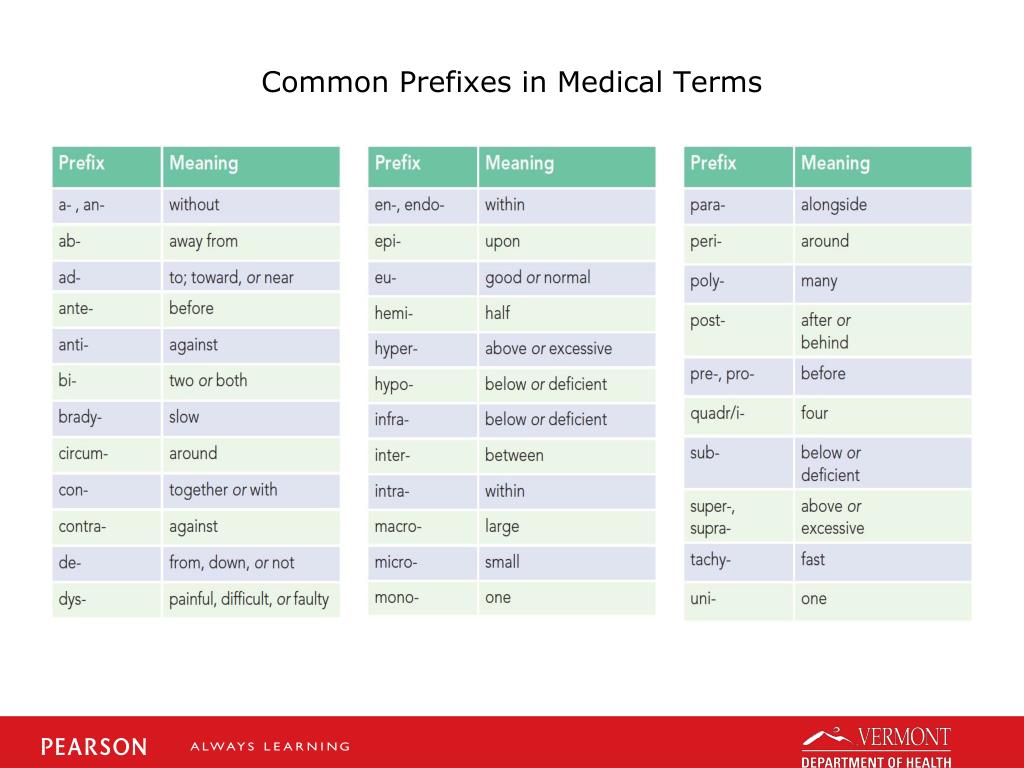
In medical terminology, the word peripheral refers to structures, organs, blood vessels, or nerve pathways located away from the central core of the body. It describes tissues situated toward the outer boundaries, surface, or extremities—such as the arms, legs, hands, and feet—in contrast to "central" structures like the brain, spinal cord, heart, or main trunk organs.
Understanding what peripheral means is essential when interpreting medical diagnoses, laboratory reports, and treatment options. Healthcare providers use the term across multiple disciplines, including neurology, cardiology, hematology, and ophthalmology. Whether a clinician is referring to a peripheral IV, peripheral neuropathy, peripheral artery disease, or peripheral blood, the unifying concept remains the same: the structure or process is operating outside the body's primary central system.
The Core Concept: Central vs. Peripheral
To understand peripheral in a healthcare context, it helps to first understand the anatomical division between central and peripheral areas. The human body organizes its primary control centers along a central axis, with radiating networks extending outward to interact with the environment and maintain organ function.
- Central Axis (Brain, Spinal Cord, Heart, Aorta, Deep Organs)
- Peripheral System (Nerves in Limbs, Outer Blood Vessels, Side Vision, Skin)
- Central: Refers to the midline or command centers of the body. In the nervous system, this includes the brain and spinal cord. In the circulatory system, this refers to the heart, aorta, and primary trunk vessels.
- Peripheral: Refers to the branches, outer networks, and distal regions. This includes the nerves that travel down your arms and legs, the blood vessels in your fingers and toes, and even the outer edges of your visual field.
This distinction is not merely positional; it directly influences how medical conditions are diagnosed, treated, and monitored. Central conditions often involve direct risks to primary organ systems, while peripheral conditions frequently affect sensation, mobility, local circulation, or outer tissue health.
The Peripheral Nervous System (PNS)
One of the most common applications of the term occurs in neurology. The human nervous system is divided into two primary structural parts: the Central Nervous System (CNS) and the Peripheral Nervous System (PNS).
Structure and Function of the PNS
The Peripheral Nervous System consists of all the nerves and cell clusters (ganglia) located outside the brain and spinal cord. It acts as a vast communication network, relaying sensory signals from the body back to the central brain and sending motor instructions from the brain out to the muscles and organs.
The PNS is further divided into two functional branches:
- Somatic Nervous System: Controls voluntary muscle movements and transmits sensory information (touch, temperature, pain) from the skin and joints to the central nervous system.
- Autonomic Nervous System: Regulates involuntary bodily functions, such as heart rate, digestion, respiratory rate, and pupillary response.
Clinical Conditions Affecting Peripheral Nerves
When peripheral nerves sustain damage through illness, physical trauma, or metabolic imbalances, the resulting disorders are classified as peripheral nerve disorders.
- Peripheral Neuropathy: A broad term for nerve damage occurring outside the central nervous system. According to the National Institute of Neurological Disorders and Stroke, peripheral neuropathy often causes numbness, tingling, weakness, and burning pain, most commonly starting in the feet and hands.
- Diabetic Neuropathy: High blood sugar levels over extended periods can damage the tiny blood vessels supplying the peripheral nerves, leading to sensory loss in the extremities.
- Peripheral Nerve Entrapment: Conditions like carpal tunnel syndrome occur when a peripheral nerve becomes compressed or constricted as it passes through a narrow anatomical pathway in the wrist or limbs.
The Peripheral Vascular System
In cardiology and vascular medicine, "peripheral" designates the network of blood vessels situated away from the heart and the aorta. The peripheral vascular system encompasses the arteries, veins, and lymphatic vessels that supply oxygen and nutrients to the arms, legs, abdomen, and head.
- Peripheral Vascular System
- Peripheral Arteries (Supply oxygenated blood to limbs/skin)
- Peripheral Veins (Return deoxygenated blood back to heart)
Peripheral Artery Disease (PAD)
Peripheral Artery Disease is a common cardiovascular condition characterized by the narrowing of arteries outside the heart, most frequently in the lower extremities. Atherosclerosis—the buildup of fatty plaques—restricts blood flow through peripheral arteries.
Key features of Peripheral Artery Disease include:
- Claudication: Muscle ache, cramping, or fatigue in the legs triggered by walking and relieved by rest.
- Ischemia: Reduced oxygen delivery to distal tissues, which can slow wound healing in the feet or ankles.
- Skin Changes: Coolness of the skin, diminished hair growth on the legs, or altered skin color in the affected extremity.
Peripheral Venous Disease
While peripheral arteries carry oxygenated blood away from the heart, peripheral veins carry deoxygenated blood back toward the central circulation. Conditions affecting peripheral veins include:
- Deep Vein Thrombosis (DVT): The formation of a blood clot within a deep peripheral vein, typically in the calf or thigh.
- Chronic Venous Insufficiency: A condition where damaged valves inside peripheral veins allow blood to pool in the legs, leading to swelling (edema), varicose veins, and skin changes.
Peripheral Intravenous Lines vs. Central Access
In hospital settings and outpatient clinical care, the word "peripheral" is frequently attached to medical devices—most notably intravenous (IV) catheters.
Peripheral IV (PIV)
A peripheral intravenous line (PIV) is a small, flexible plastic tube inserted into a peripheral vein, usually located in the hand, forearm, or inner elbow.
- Primary Indications: Short-term administration of fluids, routine intravenous medications, blood transfusions, and contrast agents for diagnostic imaging.
- Advantages: Quick and relatively simple to place at the bedside with minimal complication risk.
- Limitations: Peripheral veins are small and susceptible to irritation (phlebitis) or fluid leakage into surrounding tissues (extravasation). They are generally unsuited for long-term therapy or highly concentrated medications.
Central Venous Access
When long-term treatment or concentrated medications are required, clinicians utilize a Central Venous Catheter (CVC) rather than a peripheral line. Central lines deliver therapy directly into a large central vein, such as the superior vena cava near the heart.
A hybrid device called a PICC line (Peripherally Inserted Central Catheter) highlights both terms: the line is inserted peripherally into a vein in the upper arm, but its tip is threaded centrally to rest near the heart.
Peripheral Blood and Hematology
In clinical laboratory medicine and pathology, diagnostic tests frequently distinguish between central bone marrow and circulating peripheral blood.
What Is Peripheral Blood?
Peripheral blood is the active, circulating blood that flows through the heart, arteries, capillaries, and veins throughout the body. It consists of red blood cells, white blood cells, platelets, and plasma that have matured and exited the primary blood-forming organs (such as the bone marrow).
- Bone Marrow (Central site of blood cell production/maturation)
- Mature cells released
- Peripheral Blood (Circulating blood drawn via routine venipuncture)
Common Peripheral Blood Diagnostics
- Complete Blood Count (CBC): A routine blood test evaluating the concentration of red cells, white cells, and platelets drawn from a peripheral vein.
- Peripheral Blood Smear: A diagnostic technique where a drop of peripheral blood is spread across a glass slide and examined under a microscope. Pathologists evaluate cell morphology to detect conditions such as anemia, leukemia, sickle cell disease, or blood-borne parasites.
- Peripheral Blood Stem Cell (PBSC) Donation: Hematopoietic stem cells are typically concentrated inside bone marrow, but special medications can induce them to move into the peripheral bloodstream, allowing them to be harvested through a specialized blood collection process rather than direct bone marrow aspiration.
Peripheral Vision in Ophthalmology
In vision care and neurology, peripheral vision (also known as side vision) refers to the visual perception occurring outside the central point of fixation.
While central vision allows you to read fine print, recognize faces, and focus on detailed tasks directly ahead, peripheral vision allows you to perceive movement, detect spatial orientation, and navigate environments without bumping into objects.
Conditions Impacting Peripheral Vision
- Glaucoma: A progressive eye disease characterized by elevated intraocular pressure or optic nerve damage. Glaucoma famously damages peripheral vision first, often causing a slow, unnoticed loss of side vision ("tunnel vision") before central vision is affected.
- Retinal Detachment: A physical separation of the retina from the back of the eye, which can begin in the peripheral retina and manifest as dark shadows or flashes of light in the outer field of view.
- Visual Field Testing: A diagnostic test used by optometrists and ophthalmologists to map a patient’s peripheral vision and identify blind spots (scotomas).
Comparative Overview: Central vs. Peripheral Systems
The following matrix compares how central and peripheral designations apply across major medical domains:
| Medical Domain | Central Structure | Peripheral Structure | Primary Clinical Concern (Peripheral) |
|---|---|---|---|
| Nervous System | Brain, Spinal Cord | Peripheral Nerves, Cranial Nerves, Ganglia | Peripheral Neuropathy, Nerve Entrapment |
| Vascular System | Heart, Aorta, Pulmonary Arteries | Leg/Arm Arteries, Peripheral Veins | Peripheral Artery Disease (PAD), DVT |
| Vascular Access | Central Venous Catheter (CVC) | Peripheral IV (PIV) Line | Phlebitis, Extravasation, Catheter Displacement |
| Hematology | Bone Marrow | Circulating Blood | Abnormal Cell Count, Morphological Anomalies |
| Ophthalmology | Fovea, Macula (Central Vision) | Peripheral Retina (Side Vision) | Glaucoma, Peripheral Retinal Tears |
Frequently Asked Questions
What does "peripheral" mean on a medical test result?
On a medical test or lab result, "peripheral" indicates that the sample was taken from the outer circulating system (such as blood drawn from an arm vein) rather than a central organ or bone marrow. For example, a "peripheral blood smear" means circulating blood cells were visually inspected under a microscope.
What is the difference between a peripheral IV and a central line?
A peripheral IV is inserted into a small vein in an extremity (like the hand or forearm) for short-term fluid or medication delivery. A central line is placed into a large, deep central vein closer to the heart for long-term treatment, high-volume infusions, or medications that would irritate smaller peripheral veins.
Can peripheral nerve damage heal?
Peripheral nerves have a limited capacity to regenerate if the underlying cause is addressed and the nerve cell body remains intact. Unlike nerves in the brain and spinal cord (central nervous system), peripheral nerves are protected by Schwann cells, which can support slow axon regrowth over time under favorable conditions.
How do doctors test for peripheral vascular disease?
Clinicians test for peripheral vascular disease using physical examinations (checking peripheral pulses in the feet), the Ankle-Brachial Index (ABI)—which compares blood pressure in the ankles to blood pressure in the arms—and Doppler ultrasound imaging to evaluate blood flow through peripheral vessels.
Is peripheral neuropathy dangerous?
While peripheral neuropathy itself is rarely immediately life-threatening, it can cause severe pain, loss of balance, and loss of sensation. Insensate limbs (especially feet) are vulnerable to unnoticed injuries, calluses, and ulcers, which can lead to serious secondary infections if left untreated.
Summary and Practical Next Steps
In summary, the medical term peripheral consistently designates structures, networks, or devices located outside the central core of the body or primary organ systems. Recognizing this term helps clarify whether a condition affects outer nerves (peripheral neuropathy), leg and arm arteries (peripheral vascular disease), side visual fields (peripheral vision), or routine venous access (peripheral IV lines).
If you or a family member receive a medical report referencing a peripheral condition:
- Identify the specific system: Determine whether the reference applies to nerves, blood vessels, blood components, or vision.
- Clarify the location: Ask your healthcare provider which specific extremities or anatomical sites are involved.
- Review underlying causes: Many peripheral conditions—such as diabetic neuropathy or peripheral artery disease—are managed by addressing underlying systemic health factors like blood sugar, cholesterol, and blood pressure.
- Discuss management options: Seek guidance on targeted therapies, protective lifestyle steps, or specialist care appropriate to the identified peripheral system.
Disclaimer: This article is for informational and educational purposes only and does not constitute formal medical advice, diagnosis, or treatment. Always consult a qualified healthcare professional regarding any specific medical condition or test result.
Image Gallery
Select an image to open it in a new tab.
Lars Thomsen
Global Labor Markets and Economic Strategy Editor
