What is Camden Town: A Quick Overview of London’s Cultural Epicenter

Camden Town is a vibrant, historic district in North London, internationally recognized for its alternative culture, sprawling open-air markets, and deep-rooted association with the music industry. Situated within the London Borough of Camden, it serves as a central hub for tourism, commerce, and creative expression, blending Victorian industrial architecture with a perpetually evolving subcultural landscape.
Historical Foundations and Architectural Legacy
The identity of Camden Town is inextricably linked to the arrival of the Grand Union Canal and the subsequent expansion of the railway network in the 19th century. Established in the early 1800s as a residential development by Charles Pratt, 1st Earl Camden, the area rapidly evolved from a series of suburban fields into a bustling industrial center.
The construction of the Regent’s Canal, which opened in 1820, provided a vital artery for the transport of raw materials and goods, turning the area into a warehouse and distribution nexus. This history is physically manifested in the iconic "Camden Lock," a series of canal locks that remain a centerpiece of the district. The Victorian-era stables, which once housed the horses tasked with pulling barges and delivery carts, were famously converted into the Camden Stables Market, a transformation that preserved the area’s industrial heritage while repurposing the space for retail, food, and creative studios.
The Evolution of the Market Culture
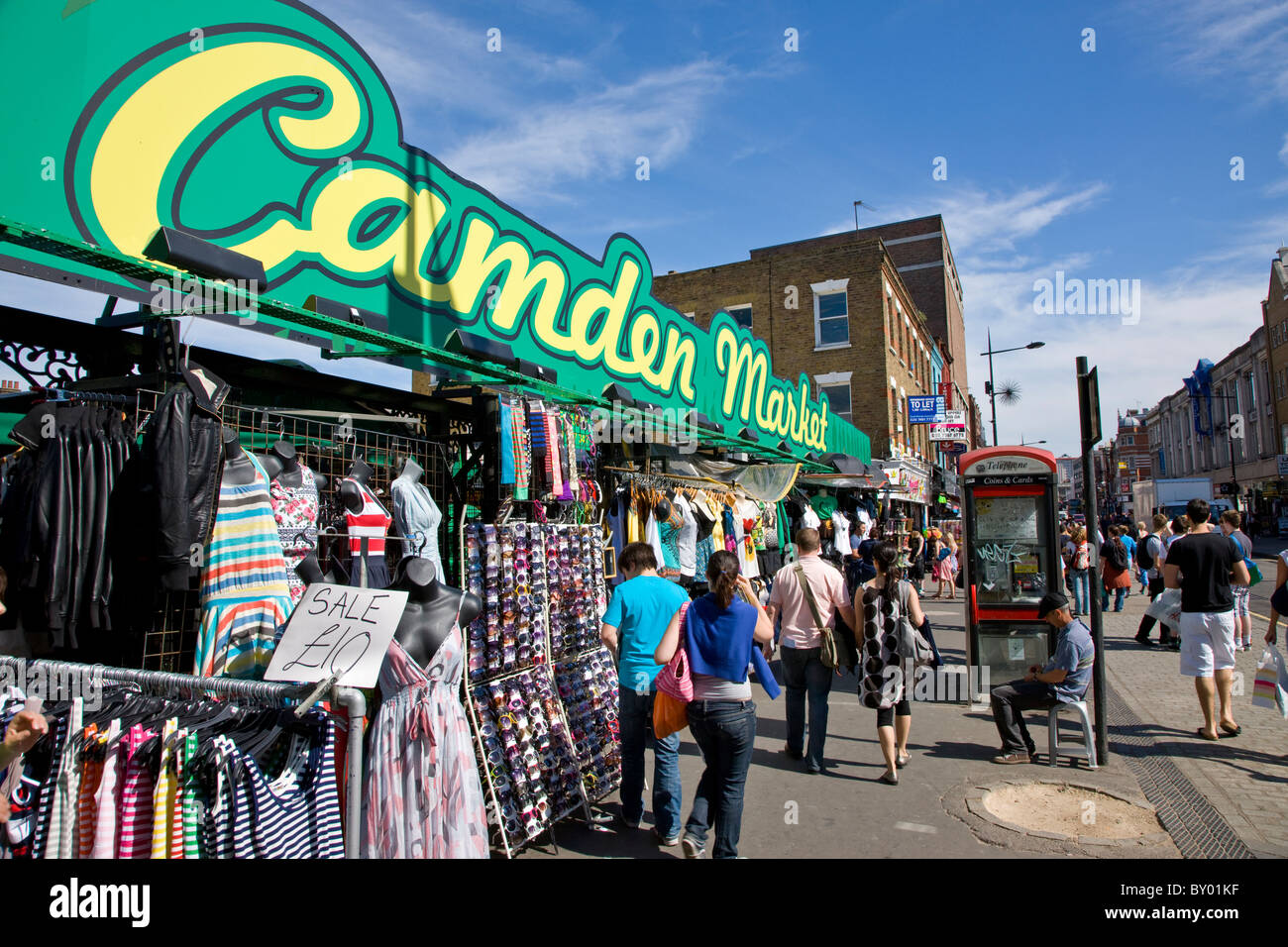
While many districts in London feature traditional street markets, Camden Town’s market landscape is distinct in its scale and variety. The collective "Camden Market" is not a singular entity but a sprawling network of interconnected markets including the Camden Lock Market, the Stables Market, and the Buck Street Market.
By the 1970s, the area began its pivot from an industrial zone toward an alternative retail destination. This transition was marked by the emergence of independent traders, artisans, and vintage clothing vendors who sought affordable space in the former industrial warehouses. Today, the market serves as a primary point of interest for visitors, offering a mix of:
- Alternative Fashion: Outlets specializing in gothic, punk, and vintage aesthetics.
- Global Street Food: A dense concentration of stalls offering diverse international cuisines.
- Handcrafted Goods: Independent jewelry, art, and custom-made products that differentiate the area from high-street retail chains.
A Global Nexus for Music and Subculture
Beyond its physical architecture, Camden Town holds a significant place in the history of global music. Since the 1960s, the area has functioned as a testing ground for various musical movements, including punk, Britpop, and independent rock.
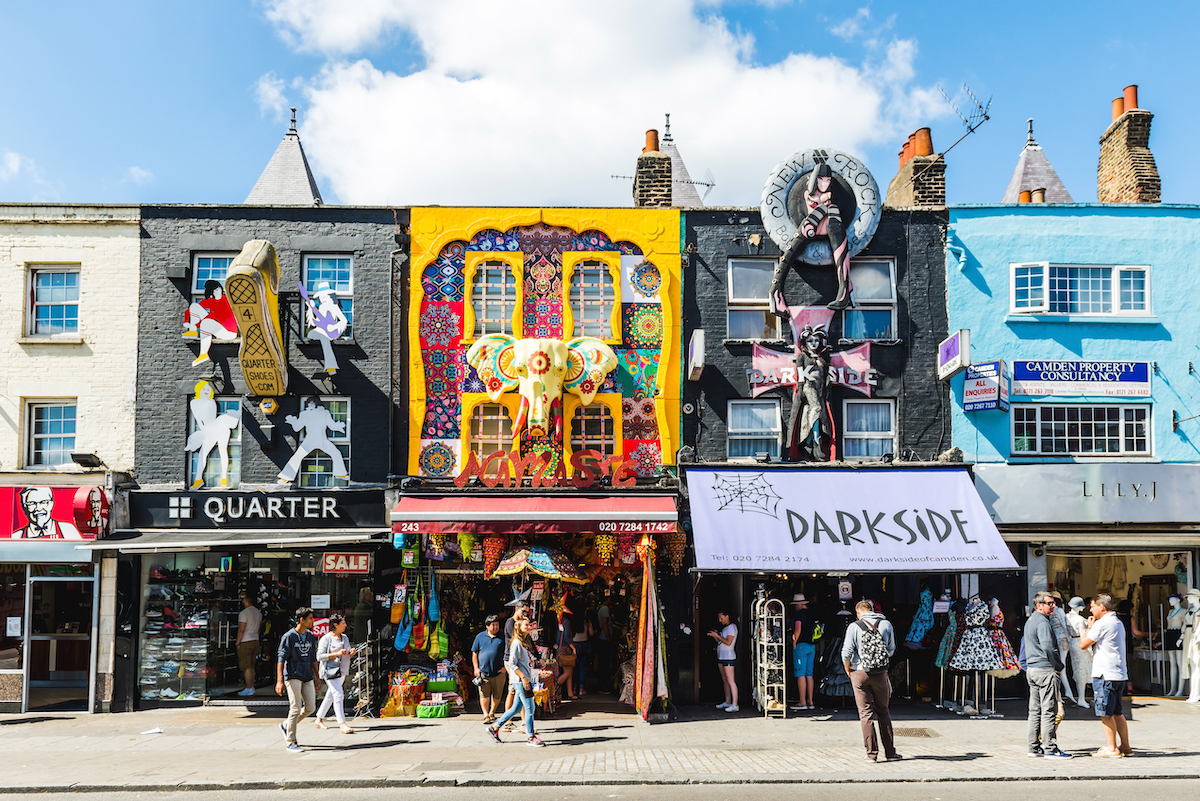
Venues such as the Roundhouse, the Electric Ballroom, and KOKO have hosted legendary performances by artists ranging from The Rolling Stones and The Clash to Amy Winehouse, whose influence on the area remains visible through murals and local tributes. This musical heritage is not merely historical; it continues to drive the district’s nightlife, with numerous small pubs and grassroots music venues maintaining the area’s reputation as a launchpad for emerging talent. The subcultural atmosphere—characterized by unconventional fashion, body art, and artistic expression—continues to draw a demographic that spans local residents, international travelers, and music enthusiasts.
Geography and Accessibility
Camden Town is strategically positioned between the inner-city hubs of Euston and the more affluent residential areas of Primrose Hill and Regent’s Park. It is part of the London Borough of Camden, a local government district that encompasses a diverse range of neighborhoods.
For visitors navigating the city, the district is highly accessible:
- London Underground: The Camden Town tube station is situated on the Northern Line. It is a critical stop, though it often experiences heavy congestion during weekend peak hours.
- Bus Network: Numerous TFL (Transport for London) bus routes converge in the area, connecting it directly to Central London, King’s Cross, and Hampstead.
- Canal Paths: Pedestrians can access the district via the Regent’s Canal towpath, which offers a scenic route from Little Venice or King’s Cross, away from the typical street traffic.
Comparison of Key Neighborhood Features
To better understand how Camden Town fits into the wider London landscape, consider the following comparison of its defining characteristics against other notable city districts.
| Feature | Camden Town | Shoreditch | Notting Hill |
|---|---|---|---|
| Primary Vibe | Alternative/Punk | Tech/Artistic/Hipster | Residential/Upscale |
| Market Focus | Eclectic/Vintage/Craft | Creative/Startup-centric | Antique/Gourmet |
| Music Heritage | Deep (Rock/Punk) | Moderate (Electronic) | Low (Jazz/Blues) |
| Architectural Style | Victorian Industrial | Re-purposed Warehouses | Victorian Townhouses |
Regulatory and Urban Planning Context
As of 2026, the area faces the typical challenges of a high-density tourist destination. Local government initiatives focus on balancing the economic benefits of tourism with the quality of life for long-term residents. Urban planning in the district often centers on preserving the historic character of the railway arches and canal-side buildings while upgrading infrastructure to handle high foot traffic.
Visitors should be aware that the density of the crowds, particularly around the main market intersections and the tube station, is intense. During weekends, station management may implement "exit-only" policies at Camden Town station to mitigate safety risks caused by overcrowding on the platforms.
Navigating the Area: Practical Advice
For those planning a visit, understanding the timing of activities is crucial.
- Mid-week Visits: The area is significantly quieter from Tuesday to Thursday. While many shops remain open, the atmosphere is more relaxed, and it is easier to navigate the narrow walkways of the Stables Market.
- Weekend Peak: Saturday and Sunday are the busiest days. All stalls are fully operational, but the crowd density can become difficult for those uncomfortable with large groups.
- Safety and Awareness: Like any busy metropolitan center, visitors should remain vigilant regarding personal belongings. The high volume of tourists in tight spaces often attracts opportunistic petty theft.
Frequently Asked Questions
Is Camden Town safe for solo travelers?
Camden Town is generally safe and well-trafficked, even at night. However, like any major tourist hub, it is wise to be aware of your surroundings, keep valuables secure, and stick to well-lit main streets after dark, especially if you are unfamiliar with the area.
Can you walk to Camden Town from Central London?
It is possible to walk from areas like King’s Cross or Regent’s Park, which takes roughly 30 to 45 minutes. The route along the Regent’s Canal is particularly pleasant and provides a quieter, more scenic entry into the neighborhood than the main arterial roads.
Do I need to buy tickets to enter the markets?
No. The markets in Camden Town are open-air or warehouse-based retail spaces with no entry fees. You are free to walk through, browse, and shop at your leisure. Some specific event venues or private exhibitions within the area may charge admission.
What is the best time to see the music history?
To experience the music culture, visit the local pubs and smaller venues on a weeknight. While the big-name venues host major tours, the smaller pubs are where you will find the most authentic "Camden" sound, often featuring local artists who carry on the area’s legendary musical tradition.
Are the shops in the market open every day?
Most major markets in Camden are open seven days a week, typically from 10:00 AM to 6:00 PM. However, individual stall hours can vary based on the vendor’s preference and the season. It is best to plan your visit for the middle of the day if you want to ensure the widest selection of open stalls.
Next Actions for Visitors
If you are preparing for a trip, prioritize your route based on your specific interests. If you are a history enthusiast, begin your visit at the canal locks to view the industrial architecture. If you are interested in fashion and food, head directly to the Stables Market, which offers the highest concentration of retail and dining options. Before departing, check the Transport for London (TFL) website for any real-time updates regarding station closures or delays on the Northern Line.
Image Gallery
Select an image to open it in a new tab.

Mateo Castillo
Decentralized Finance and E-Payments Strategist
