Understanding the Accuracy of Celebrity Net Worth Figures: Methods, Limitations, and Reality
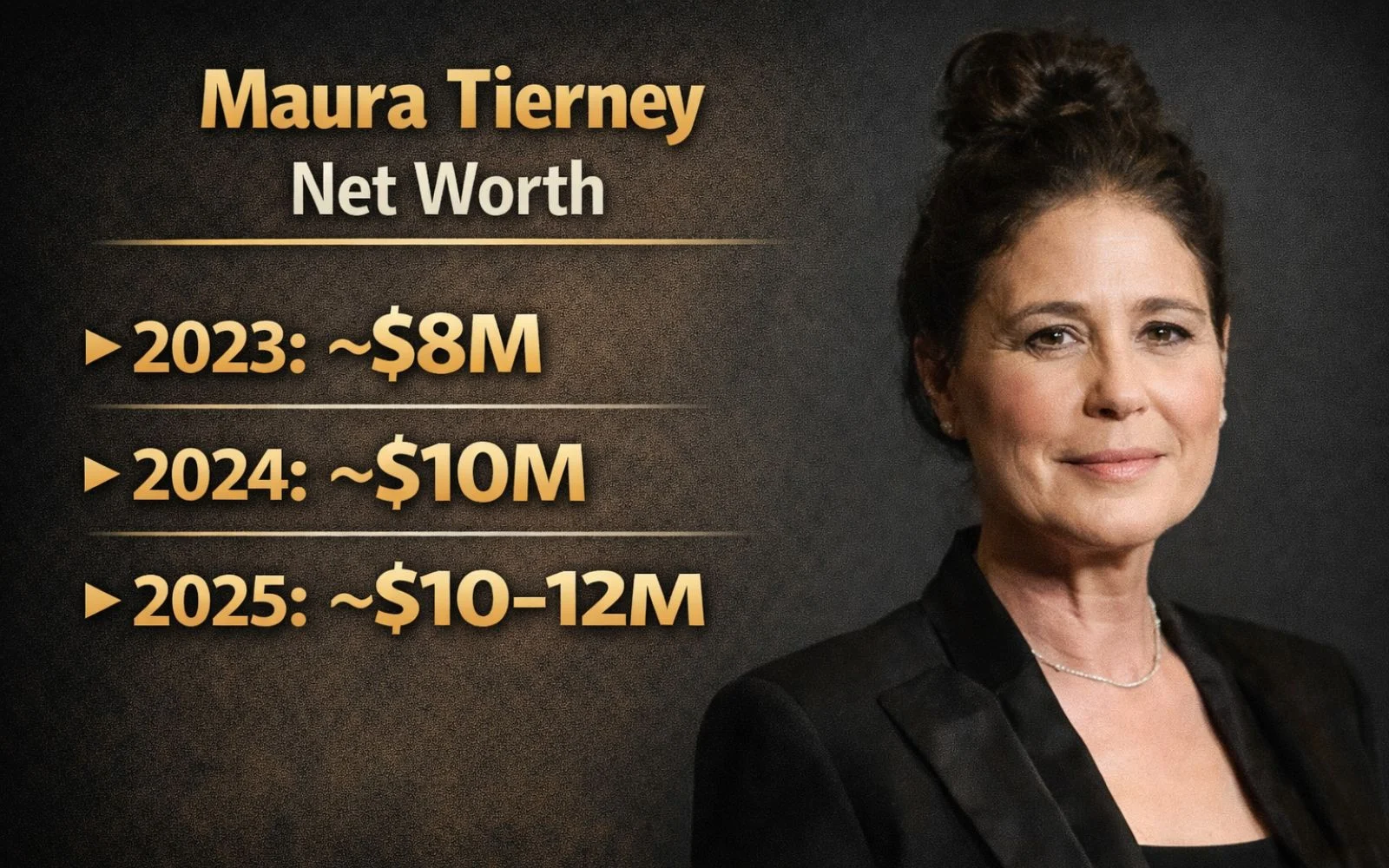
Celebrity net worth figures are widely consumed estimates rather than verified financial statements, often synthesized from public records, market evaluations, and industry benchmarks. Because private individuals are not required to disclose their full financial portfolios, these figures often conflate gross revenue with liquid wealth, frequently failing to account for debts, taxes, operating expenses, and complex investment structures.
The Methodology Behind the Estimate
Most websites and publications that report celebrity net worth figures rely on an "asset-minus-liabilities" framework, but the quality of the input data varies drastically. Financial researchers typically start with publicly available data points: property records, SEC filings for publicly traded companies, and publicized contract values for film, television, or sports deals.
However, the "accuracy" of these figures is limited by the accessibility of information. When a celebrity generates income through private limited liability companies (LLCs), shell corporations, or offshore trusts, that wealth becomes effectively invisible to external auditors. Researchers often resort to "valuation multipliers"—estimating the worth of a private brand by applying industry standard multiples (e.g., EBITDA ratios) to public revenue claims. While this method provides a baseline for comparison, it is susceptible to significant error if the celebrity’s underlying business is heavily leveraged or maintains high overhead costs that are not visible in the public domain.
Why Publicly Reported Figures Often Distort Reality
A common misconception among the general public is that a celebrity’s "net worth" is equivalent to their bank balance. In reality, net worth is a snapshot of total ownership minus total debt. Several factors consistently lead to inflated or inaccurate reporting:
- Gross vs. Net Revenue: Many outlets report the gross value of a contract or an endorsement deal. They rarely deduct the 15–20% typically paid to agents, managers, and lawyers, nor do they subtract the significant income and capital gains taxes that fluctuate depending on the celebrity’s tax residency.
- Asset Liquidity: A high net worth figure might be heavily concentrated in illiquid assets, such as real estate, fine art, or private equity. A star might be reported as a "billionaire" based on the estimated market value of a brand they own, but if that brand cannot be sold or liquidated, the celebrity may struggle to cover immediate cash-flow needs.
- The "Hollywood Accounting" Effect: Income reporting is often obscured by complex corporate structures. If a star’s salary is paid to a holding company, and that company is also responsible for production costs, the profit margin—and therefore the actual accumulation of wealth—is difficult to calculate without access to internal ledgers.
Comparison of Wealth Reporting Sources
To understand the disparity in reported figures, it is helpful to look at how different entities approach the calculation of wealth.
| Data Source | Primary Method | Accuracy Potential | Focus |
|---|---|---|---|
| Financial Magazines | Investigative audits/SEC filings | High | Documented equity and revenue |
| Celebrity Gossip Sites | Algorithmic scraping/estimates | Low | Click-through traffic/Trends |
| Public Records Sites | Property/Tax deed analysis | Moderate | Tangible real estate assets |
| Market Research Firms | Industry valuation models | Moderate | Business venture valuations |
The Role of Debt and Liabilities
The most frequent omission in celebrity net worth reporting is the inclusion of liabilities. Mortgage debt on multi-million dollar properties, business loans used to scale a brand, and pending litigation settlements are rarely accounted for in public estimates. Because most celebrities do not file public annual reports, their debt profiles remain private.
When an outlet reports a celebrity's wealth, they are almost exclusively calculating the "upside." If a star buys a $50 million home with a $40 million mortgage, their contribution to their net worth is only the $10 million in equity. Yet, the vast majority of online reports will simply list the property as an asset worth $50 million, leading to a massive inflation of the celebrity's actual financial standing.
How to Evaluate the Credibility of a Figure
When you encounter a specific net worth figure, you can assess its credibility by checking for the following indicators of rigor:
- Citations: Does the article link to primary sources? Reliable reports will reference specific SEC filings, Forbes lists, or credible industry trade publications. If the article cites no source or references "anonymous industry insiders," the number is likely a generic estimate designed for SEO rather than an accurate financial assessment.
- Date of Publication: Wealth fluctuates rapidly based on market conditions, endorsements, and production successes. A figure from three years ago is rarely accurate today. Always check the timestamp of the report.
- Entity Transparency: Does the report acknowledge the difference between revenue and profit? If an article claims a musician is worth $100 million because their tour grossed $100 million, the report is mathematically flawed, as tour gross figures do not account for production costs, venue fees, or personnel expenses.
Common Pitfalls and Troubleshooting
Readers often run into trouble when comparing their own financial situation to these figures or using them to gauge a celebrity's lifestyle.
- The Lifestyle Trap: Do not use reported net worth to determine a celebrity's current cash flow. A celebrity with a high net worth on paper may be "cash poor" if their assets are locked in long-term investments or if they are carrying significant high-interest debt.
- Endorsement Inflation: Public relations teams often overstate the value of endorsement deals to boost a client’s brand. Reports that mirror these PR releases often inflate wealth by counting the total potential value of a multi-year deal as if it were already paid out and sitting in a bank account.
Frequently Asked Questions
Are celebrity net worth figures legally audited? No. These figures are almost never audited. They are estimates created by media organizations or researchers for informational purposes. They carry no legal weight and are not verified by financial regulatory bodies like the SEC or the IRS.
Why do some websites show vastly different numbers for the same celebrity? Differences arise because of the underlying assumptions used by the calculator. One site may value a celebrity's business based on its revenue, while another might value it based on its projected annual profit. Additionally, some sites simply use automated scrapers that aggregate outdated data.
How does a celebrity’s divorce impact their net worth reporting? Divorces often result in the first true public accounting of a celebrity’s finances. When legal filings are made public, journalists can access sworn financial statements. Therefore, reporting immediately following a divorce is usually significantly more accurate than reporting done during the height of a celebrity’s career.
Is it possible for a celebrity to have a negative net worth? Yes. If a celebrity has incurred substantial debt through failed business ventures, lawsuits, or lifestyle expenditures that exceed their total assets, they may have a negative net worth. This is rarely reported in mainstream media, as it conflicts with the "glamorous" image associated with celebrity wealth.
Should I trust net worth lists for investment or business decisions? Absolutely not. Celebrity net worth figures are journalistic estimates meant for public entertainment. They should never be used as a basis for financial, investment, or legal decision-making. Always consult a certified financial planner for verified data regarding any individual's financial standing.
Next Steps for Accurate Research
If you need to verify the financial health of an entity related to a celebrity—such as a production company or a clothing brand—look for official corporate registration filings in the jurisdiction where the company is headquartered (such as Delaware, for U.S.-based companies). These filings will provide the most grounded, albeit limited, picture of the entity's health. For personal wealth, accept that unless a person is required to disclose assets publicly (such as an executive at a public company), the numbers you see are speculative. Focus on observable, verified milestones rather than the aggregated, unverified total figures presented on the web.

Image Gallery
Select an image to open it in a new tab.
Celine Dubois
Contemporary Living and Global Arts Columnist
