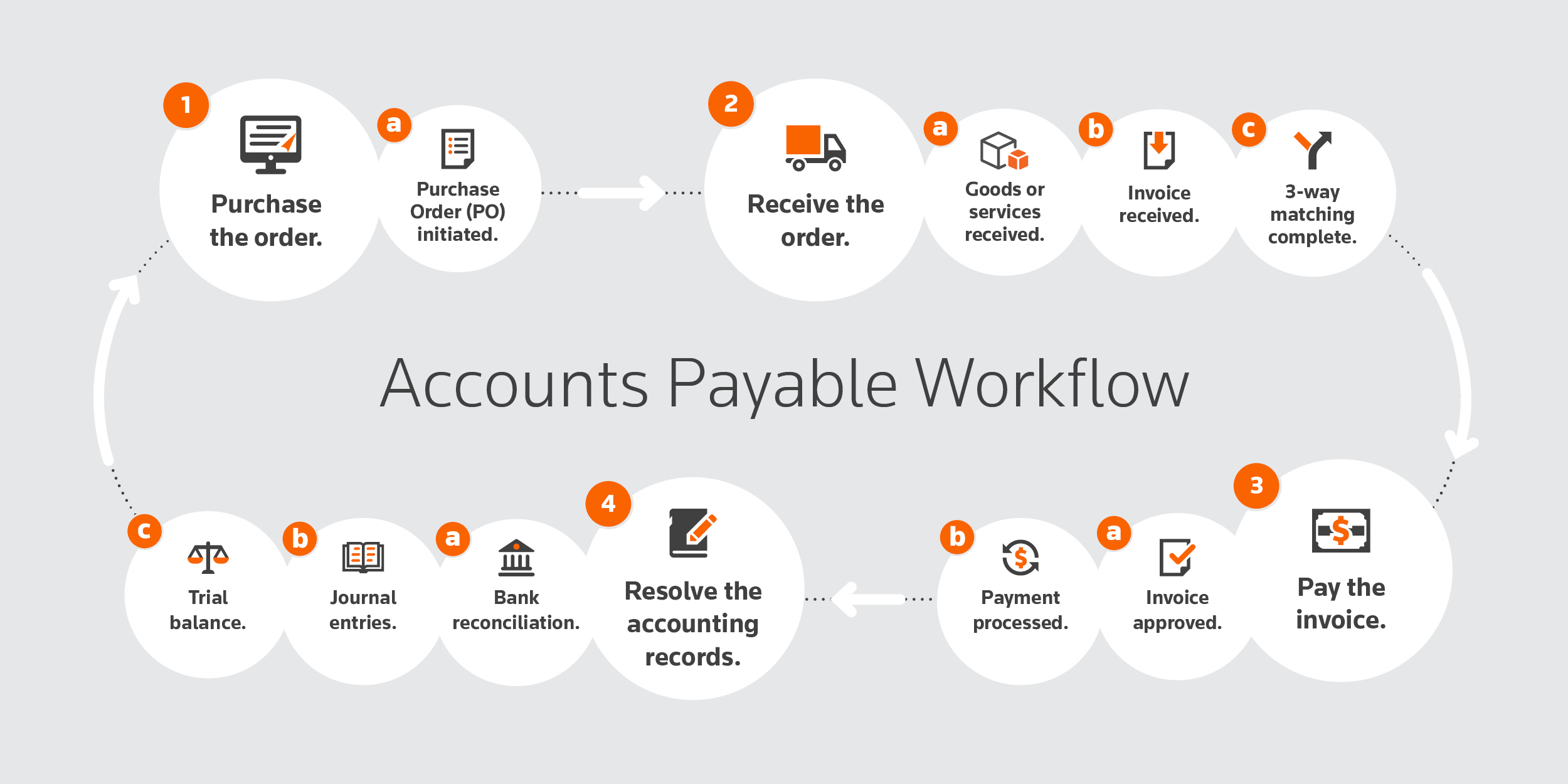
The primary objectives of the accounts payable (AP) process are to ensure financial accuracy, maintain optimal liquidity, and preserve strong vendor relationships. By systematically managing short-term liabilities, organizations prevent fraud, capture early payment discounts, and produce reliable financial reports that accurately reflect the company’s current cash position and operational obligations.
Establishing Financial Accuracy and Data Integrity
At the core of any accounts payable department is the fundamental objective of maintaining the integrity of the general ledger. Every invoice received represents a legal obligation to transfer economic resources. If these obligations are not recorded accurately, the company's financial statements—specifically the balance sheet and the income statement—become misleading.
Ensuring Proper Accrual Accounting
In an accrual-based accounting system, which is standard for most mid-to-large sized enterprises in 2026, the objective is to recognize expenses in the period they are incurred, not necessarily when cash changes hands. The AP process must ensure that all liabilities are captured before the "month-end close." This involves reconciling outstanding purchase orders and unbilled receipts to ensure that the company does not understate its expenses. Without this precision, profit margins appear artificially high, leading to poor strategic decisions by executive leadership.
The Vendor Master File Maintenance
A secondary but vital objective of accuracy is the management of the Vendor Master File (VMF). This database contains all the essential information about suppliers, including tax identification numbers, payment terms, and banking details. An objective of the AP process is to keep this data "clean" to prevent duplicate payments or payments to "ghost vendors." Regular scrubbing of the VMF ensures that the organization remains compliant with tax regulations, such as 1099 reporting in the United States, and avoids the administrative burden of recovering misdirected funds.
Optimizing Working Capital and Cash Flow Management
While paying bills is the mechanical function of accounts payable, the strategic objective is the sophisticated management of Working Capital. Cash is the lifeblood of any business, and the AP department acts as the "valve" controlling its outflow.
Managing Days Payable Outstanding (DPO)
One of the most critical metrics in 2026 for finance leaders is Days Payable Outstanding (DPO). This measures the average number of days it takes a company to pay its invoices. A key objective of the AP process is to align DPO with the company's overall cash strategy. If the company needs to preserve cash for an upcoming acquisition or R&D investment, the AP team might aim to extend payment terms without damaging supplier relations. Conversely, if the company has excess liquidity, the objective might shift toward reducing DPO to take advantage of early payment discounts.
Capturing Early Payment Discounts
Many suppliers offer terms such as "2/10, net 30," which means the buyer can take a 2% discount if the invoice is paid within 10 days. From a financial perspective, missing these discounts is equivalent to leaving "free money" on the table. A high-performing AP process aims to accelerate the approval workflow specifically to capture these incentives. When scaled across thousands of invoices, these small percentages contribute significantly to the bottom line, turning the AP department from a cost center into a value-generator.

Strengthening Vendor Relationships and Supply Chain Stability
In the volatile global economy of 2026, a company’s relationship with its suppliers is a competitive advantage. The accounts payable process is the primary point of contact between a business and its vendors after a contract is signed.
Building Trust Through Reliability
The objective of "Vendor Satisfaction" is often overlooked but is essential for supply chain resilience. Suppliers prioritize customers who pay on time and resolve disputes fairly. When a business consistently meets its payment obligations, it gains leverage to negotiate better pricing, longer payment terms, or priority access to limited inventory during shortages.
Efficient Dispute Resolution
Discrepancies in pricing, quantity, or quality are inevitable. An objective of a mature AP process is to provide a clear, transparent mechanism for resolving these issues. By utilizing automated portals where vendors can track the status of their invoices and communicate directly with AP staff, organizations reduce the friction associated with "where is my check?" inquiries. This transparency fosters a collaborative rather than adversarial relationship with the supply base.
Mitigating Risk, Fraud, and Compliance Failures
Accounts payable is one of the most high-risk areas for financial loss due to its direct access to the company’s cash reserves. Consequently, implementing rigorous internal controls is a non-negotiable objective.
The Three-Way Match Protocol
To prevent unauthorized or incorrect payments, the AP process aims to achieve a "Three-Way Match." This is the verification process where the Purchase Order (PO), the Receiving Report (or Packing Slip), and the Supplier Invoice are compared.
- The Purchase Order confirms that the goods or services were authorized and ordered at a specific price.
- The Receiving Report confirms that the goods were actually delivered or the services were rendered.
- The Invoice represents the supplier's request for payment.
If these three documents do not align within a specific tolerance level, the payment is flagged for manual review. This control objective prevents the company from paying for items it never received or being overcharged by a vendor.
Fraud Prevention and Regulatory Compliance
The objective of AP security is to prevent both internal and external fraud. This includes protecting against Business Email Compromise (BEC), where fraudsters impersonate executives or vendors to redirect payments. Furthermore, the AP process must comply with international regulations such as the Foreign Corrupt Practices Act (FCPA) and Anti-Money Laundering (AML) laws. Ensuring that payments are not made to sanctioned individuals or entities is a critical legal objective that protects the organization from heavy fines and reputational damage.
Achieving Operational Efficiency and Cost Reduction
As we navigate 2026, the cost of manual labor continues to rise, making the "Efficiency Objective" more important than ever. Historically, processing a single paper invoice could cost a company between $12 and $15 when accounting for labor, postage, and error correction.
Automation and Digital Transformation
The modern objective is to drive down the Cost per Invoice by implementing automation. This includes using AI-driven Optical Character Recognition (OCR) to extract data from invoices automatically and utilizing "Straight-Through Processing" (STP) for recurring, low-risk payments. By minimizing human intervention, the AP team can focus on higher-value activities like data analysis and strategic vendor negotiations rather than data entry.
Improving Processing Cycle Times
The time it takes from receiving an invoice to having it "ready for payment" is a key indicator of departmental health. The objective is to eliminate bottlenecks—such as an invoice sitting on a manager's desk awaiting approval. Shortening the cycle time not only helps in capturing discounts but also provides the finance team with a real-time view of liabilities, allowing for more accurate daily cash forecasting.
Comparison: Manual vs. Optimized AP Process Objectives
The following table illustrates how the objectives of the AP process evolve as an organization moves from manual, paper-based workflows to an optimized, automated environment.
| Objective Category | Manual AP Focus (Traditional) | Optimized AP Focus (2026 Standards) |
|---|---|---|
| Data Entry | Manual keying of invoice data; high error risk. | AI-driven data extraction; exceptions-only processing. |
| Payment Strategy | Reactive; paying bills as they arrive or when overdue. | Proactive; optimizing DPO and capturing all discounts. |
| Fraud Control | Periodic manual audits; reliance on signatures. | Continuous automated monitoring; multi-factor verification. |
| Vendor Relations | Communication via phone/email; frequent disputes. | Self-service vendor portals; real-time status updates. |
| Reporting | Historical view; reports are weeks old. | Predictive analytics; real-time cash flow visibility. |
| Compliance | Physical filing of paper documents for audits. | Digital audit trails with encrypted cloud storage. |
Integrating AP with Procurement (The P2P Vision)
In many leading organizations in 2026, the objective is to break down the silos between the purchasing department and the accounting department. This is known as the Procure-to-Pay (P2P) cycle.
The objective of this integration is to ensure that the entire lifecycle of a transaction—from the initial requisition to the final payment—is seamless. When AP is integrated with procurement:
- Budget Compliance: Invoices are matched against pre-approved budgets, preventing overspending before it happens.
- Contract Compliance: The AP process verifies that the prices on the invoice match the negotiated rates in the master contract.
- Data Consistency: There is a "single source of truth" for vendor data and transaction history, which simplifies audits and financial reporting.
Sustainability and ESG Objectives in Accounts Payable
By 2026, Corporate Social Responsibility (CSR) and Environmental, Social, and Governance (ESG) metrics have become standard reporting requirements. The accounts payable process has a specific role to play in these objectives.
Paperless Operations
A primary environmental objective is the elimination of paper. Moving to e-invoicing and digital payments (such as ACH or virtual cards) significantly reduces the carbon footprint associated with printing, mailing, and physically storing paper records.
Supporting Diverse Suppliers
Many organizations now have mandates to spend a certain percentage of their budget with minority-owned, women-owned, or small businesses. The AP process supports this objective by tracking supplier diversity data in the Vendor Master File and ensuring that these specific vendors are paid promptly to support their smaller-scale cash flow needs. This align's the company's spending with its broader social values.
Frequently Asked Questions
What is the most important objective of accounts payable?
While all objectives are interconnected, the most fundamental is financial accuracy. Without accurate records of what is owed, a company cannot manage its cash, fulfill its legal tax obligations, or provide investors with a true picture of its financial health. Accuracy is the foundation upon which all other strategic goals, like cash flow optimization, are built.
How does accounts payable affect a company's credit rating?
The AP process directly impacts a company's creditworthiness. Consistently paying vendors late can lead to negative reports to credit bureaus and a lower business credit score. This makes it more expensive or difficult for the company to secure loans or favorable terms from new suppliers. Therefore, maintaining a high credit rating through timely payments is a key operational objective.
Why is "internal control" considered an objective of AP?
Internal control is an objective because it protects the company’s most liquid asset: cash. Without controls like the three-way match and segregation of duties (ensuring the person who approves a vendor isn't the same person who sends the payment), a company is highly vulnerable to embezzlement and external fraud. In 2026, regulators like the SEC place high emphasis on these controls for public companies.
Can accounts payable be a profit center?
Yes, modern AP departments aim to become "profit centers" by aggressively capturing early payment discounts and utilizing virtual card programs that offer cash-back rebates on B2B spend. When these savings and rebates exceed the operational cost of the AP department, the function contributes directly to the organization's net income.
What is the role of AP in a financial audit?
During an audit, the objective of the AP department is to provide a clear, documented "audit trail" for every transaction. Auditors look for evidence that payments were authorized, accurately recorded, and made to legitimate entities. An optimized AP process uses digital archiving to make this evidence easily retrievable, reducing the time and cost of the annual audit.
Strategic Next Steps for Finance Leaders
To successfully meet the objectives of the accounts payable process in 2026, organizations should move beyond basic invoice processing toward a strategic "Value-Added" model.
- Audit Your Current DPO: Analyze your payment cycles to see if you are paying too early (and losing liquidity) or too late (and losing discounts/reputation).
- Implement Automated Workflows: Transition away from manual approvals to reduce cycle times and eliminate human error.
- Cleanse the Vendor Master File: Conduct a thorough review of your supplier database to remove duplicates and ensure tax compliance data is up to date.
- Strengthen Internal Controls: Ensure that the three-way match is strictly enforced and that duties are appropriately segregated within the finance team.
By focusing on these objectives, the accounts payable process evolves from a back-office necessity into a strategic pillar of the organization’s financial success.
Image Gallery
Select an image to open it in a new tab.


Simon Caldwell
Enterprise Technology and Systems Editor
