Why the MBA Business School Ranking Matters Less Than You Think
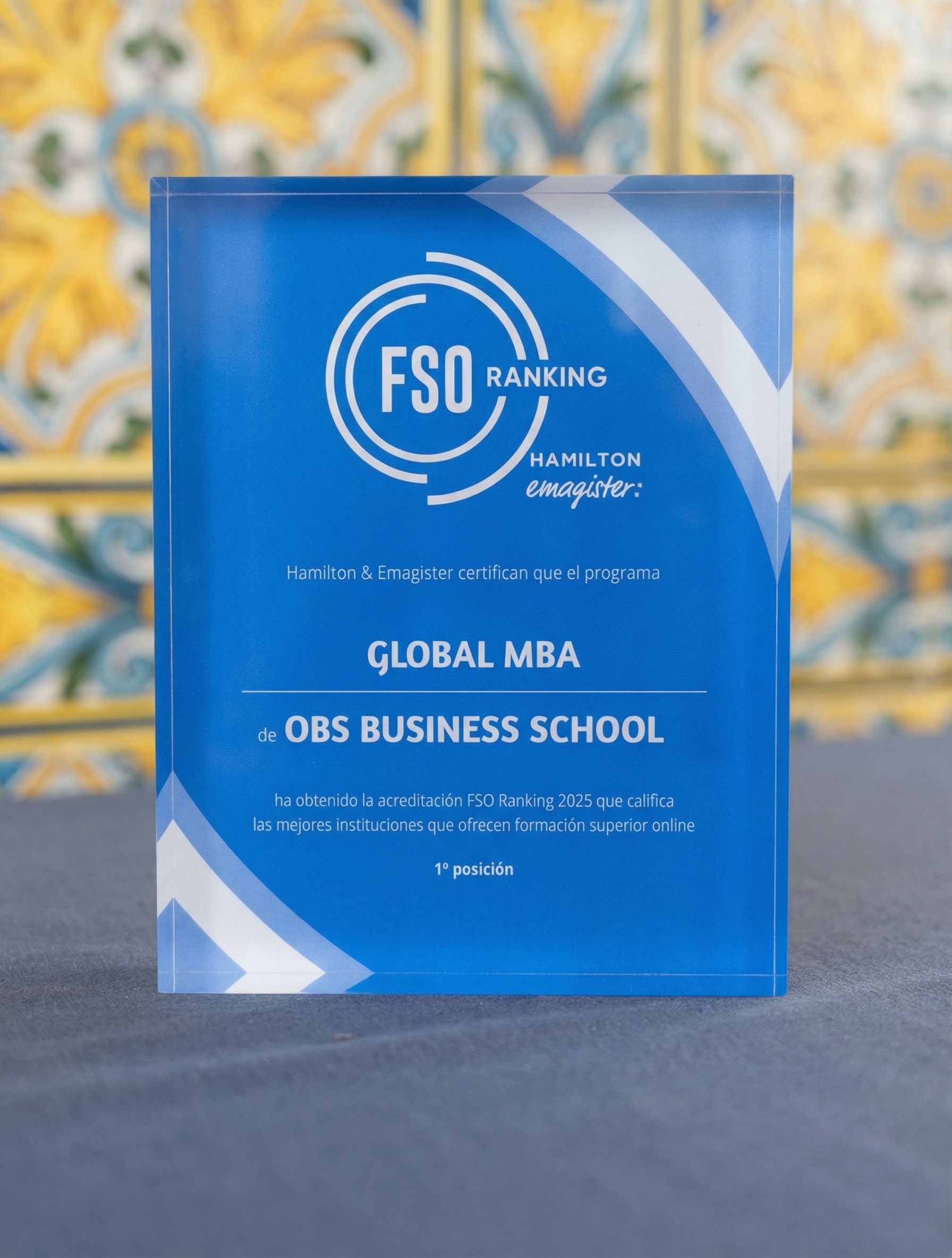
While rankings offer a snapshot of institutional prestige and graduate outcomes, they often fail to capture the variables that determine your individual success. Factors such as regional alumni density, industry-specific recruitment pipelines, and total cost of attendance frequently outweigh a school's numerical position on a list published by third-party media outlets.
Choosing an MBA program based solely on a numerical list is one of the most common mistakes prospective students make. In 2026, the landscape of graduate management education has shifted toward specialized skills and localized networking, making the traditional "Top 10" obsession increasingly obsolete for many career paths. To make an informed decision, you must look beyond the glossy covers of magazines and understand how rankings are constructed, why they are volatile, and what actually drives long-term career value.
The Flaws in Ranking Methodologies
To understand why rankings matter less than you think, you must first understand how they are built. Major publications like U.S. News & World Report, the Financial Times, and Bloomberg Businessweek each use different formulas to rank schools. These formulas often prioritize data points that have little to do with the quality of education or your personal career goals.
For instance, many rankings heavily weight "average starting salary" and "salary increase." While these look impressive, they are heavily skewed by the industries into which a school's graduates typically flow. A school that sends 60% of its class into high-paying management consulting or investment banking roles will naturally rank higher than a school that excels at placing graduates in non-profit leadership, social entrepreneurship, or government roles. If your goal is to lead a sustainable energy startup, a school’s high ranking driven by Wall Street placements provides no guarantee of value for your specific path.
Furthermore, "Peer Assessment" scores—where deans and faculty members rate other schools—make up a significant portion of many rankings. This often results in a "prestige echo chamber," where schools remain at the top simply because they have always been at the top, regardless of recent innovations or shifts in faculty quality. By 2026, several prominent business schools have even reduced their cooperation with major ranking bodies, citing that these metrics do not reflect their core mission of developing ethical, tech-fluent leaders.
The Volatility of Annual Lists
Rankings are notoriously volatile. A school that is ranked #8 this year might drop to #15 next year due to a minor change in the weight of a single metric, such as the "percentage of international students" or "faculty research citations." This volatility highlights a critical truth: the actual quality of the school did not change overnight, but the way it was measured did.
If you choose a school primarily because it is currently in the Top 10, you risk the "prestige drop" by the time you graduate. More importantly, recruiters and hiring managers do not check the current year’s rankings when reviewing a resume. They rely on established brand reputation and historical performance. A school with a solid reputation in a specific field, like the University of Chicago Booth School of Business for finance or Michigan Ross for operations, remains a powerhouse regardless of whether it moved up or down two spots in a recent magazine update.
Regional Power Over Global Rank
One of the most overlooked aspects of the MBA journey is the geographical "center of gravity" of a school’s alumni network. Rankings are global or national, but recruitment is often regional. If you want to work in the technology sector in Seattle or the San Francisco Bay Area, a degree from a "Top 25" school located in that region may be far more valuable than a "Top 10" school located on the East Coast or in Europe.
Local recruiters often have deep-seated relationships with local career services offices. They know the curriculum, they know the professors, and most importantly, they are surrounded by alumni from those local programs. In 2026, as remote work has stabilized into a hybrid reality, the value of a physical, local network for high-level executive placement remains high. A school ranked #30 nationally might be #1 in its home state for executive placements, providing a much higher return on investment (ROI) if you plan to stay in that region.
The ROI Calculation: Debt vs. Brand
The cost of an MBA has continued to rise, with some top-tier programs exceeding $250,000 for a two-year experience when including living expenses and lost wages. When a school is ranked #1 or #2, they can charge a premium. However, the difference in "salary bump" between a school ranked #5 and one ranked #25 is often surprisingly small, while the difference in tuition and scholarship availability can be massive.
Many applicants ignore the "financial rank" of a school. A program that offers you a full-tuition fellowship because your profile is at the top of their applicant pool might be a better long-term financial decision than a higher-ranked school where you must take on significant debt. By 2026, the ROI of an MBA is scrutinized more than ever. Being debt-free three years after graduation from a #20-ranked school often puts you in a better life position than being six figures in debt from a #3 school, especially if you are entering a field with a more moderate salary ceiling.
Specialization and "Niche" Excellence
General rankings mask departmental brilliance. If you are interested in a specific field—such as Supply Chain Management, Healthcare Administration, or Real Estate—general rankings are almost entirely useless.
For example, Arizona State University (W. P. Carey) or Michigan State University (Broad) are legendary for their supply chain programs, often outperforming the "M7" (the traditional top seven schools) in those specific recruitment circles. If you apply to a general Top 10 school hoping to get into a niche field, you might find that the career services office isn't as well-equipped to help you as a school ranked #40 that specializes in that exact industry.
Comparison: Rankings Priority vs. Applicant Reality
| Feature | What Rankings Measure | Why It Might Not Matter to You |
|---|---|---|
| Salary Data | Average starting salary + bonus. | Heavily skewed by finance/consulting hires; ignores regional cost of living. |
| Faculty Research | Number of publications in elite journals. | High-level research does not always translate to better classroom teaching. |
| Selectivity | GMAT/GRE scores and acceptance rates. | High scores indicate smart peers, but not necessarily a collaborative or diverse culture. |
| Peer Reputation | What other deans think of the school. | Usually lags behind current reality by 5–10 years. |
| Career Progress | Seniority of alumni 3 years post-grad. | Does not account for people choosing "lifestyle" roles or entrepreneurship. |
The "Culture Fit" Factor
Rankings cannot measure the "vibe" of a campus. The culture of an MBA program significantly impacts your mental health, your networking success, and your overall satisfaction. Some high-ranking schools are known for high-pressure, competitive "shark tank" environments. Others are known for a collaborative, "pay-it-forward" culture.
If you thrive in a small, tight-knit community, a massive program with 900 students per cohort will be a poor fit, regardless of its #1 ranking. Conversely, if you want a massive, diverse network and thrive on competition, a smaller, cozy program might feel stifling. Visiting campuses (or participating in deep-dive virtual immersions, common by 2026) is the only way to gauge this, and it is a factor that never appears on a spreadsheet.
Recruitment Pipelines and "Core" Schools
Large companies—especially the "Big Three" consulting firms (McKinsey, BCG, Bain) and major tech firms (Google, Amazon, Microsoft)—have "core schools." These are the institutions where they actively recruit on-campus, host events, and dedicate a specific recruiting budget.
A school might be ranked #15, but if it is a core school for your dream employer, it is effectively #1 for you. Conversely, if a Top 5 school is not a core school for the specific industry or firm you want (which is rare but happens with regional boutiques), you will have to work twice as hard to get noticed. You should ask the admissions office for a list of companies that recruit on-campus and the number of students they hired in the last three years. That data is far more valuable than a magazine rank.
How to Correctly Use Rankings in 2026
Rankings should be the start of your research, not the end. Use them to create a "long list" of 15–20 schools that fall within a range of prestige that matches your profile. Then, immediately pivot to more granular data:
- Employment Reports: Download the last three years of employment reports from the school’s website. Look at the specific companies, locations, and roles.
- Alumni LinkedIn Search: Search for alumni from that school who are working in your target role or company. Are there a lot of them? Reach out and ask about their experience.
- Curriculum Alignment: Does the school offer specific electives or "labs" that match your interests? In 2026, many schools offer AI-integrated management tracks that didn't exist three years ago.
- Financial Aid Transparency: Evaluate the "real cost." Many schools outside the Top 10 use aggressive merit scholarship packages to attract high-quality candidates.
Common Mistakes When Following Rankings
- Ignoring the "Safety" School: Applicants often apply only to the Top 5. If they don't get in, they wait another year, losing a year of post-MBA salary. A school ranked #20 that you can get into now may have a better lifetime ROI than a Top 5 school you get into two years from now.
- The "Brand Name" Trap: Thinking a "Top 10" brand will solve all career problems. A brand gets you the interview; your skills and preparation get you the job. The MBA is a platform, not a magic wand.
- Methodology Blindness: Failing to check if a school’s rank rose because of a factor that doesn't benefit you (e.g., more faculty research in a department you’ll never take a class in).
Frequently Asked Questions
Is an MBA from a non-Top 50 school still worth it?
Yes, provided the school is accredited (e.g., AACSB accreditation) and has a strong regional reputation. For many professionals, a part-time or executive MBA from a local, respected university provides the necessary credentials for a promotion without the debt and disruption of a top-tier full-time program.
How much do recruiters care about specific rankings?
Recruiters generally group schools into "tiers" (e.g., M7, Top 15, Top 30) rather than focusing on the difference between #6 and #9. Once you are in a tier, your personal interview performance, previous work experience, and "fit" with the company culture matter significantly more than the school's exact rank.
Why do some top schools drop out of rankings?
By 2026, several schools have chosen not to participate in certain rankings to protest flawed methodologies or to focus on different institutional goals, such as accessibility or social impact. When a top-tier school is "unranked" or drops, it usually reflects a dispute with the publication rather than a decline in educational quality.
Should I choose a higher-ranked school over a full scholarship at a lower-ranked one?
This depends on your career goals. If you are aiming for "prestige-heavy" industries like venture capital or top-tier strategy consulting, the higher-ranked school may be necessary. For almost any other industry—including tech, healthcare, and manufacturing—the financial freedom of a scholarship at a Top 30 school often outweighs the brand prestige of a Top 10 school.
Do rankings matter for international students?
Rankings can matter more for international students because of visa sponsorship. Large companies that sponsor H-1B or similar visas often focus their limited sponsorship resources on "core" schools, which tend to be higher in the rankings. However, regional strength still applies; a top-ranked school in a tech hub may be better for sponsorship than a slightly higher-ranked school in a remote area.
Practical Recommendation
When building your application list, create your own Personal Ranking Matrix. Instead of using a magazine's weights, assign points based on your own priorities: 30% for regional alumni density in your target city, 30% for specialized curriculum, 20% for total cost after expected scholarships, and 20% for cultural fit. You will often find that the school that is "best" for you sits at #15 or #25 on a national list, but #1 for your specific life and career goals. Focus on the "fit" and the "pipeline," and the ROI will follow.
Image Gallery
Select an image to open it in a new tab.
Mateo Castillo
Decentralized Finance and E-Payments Strategist
