American Wines and Their Regional Diversity: A Comprehensive Guide to Terroir and AVAs

American wine regional diversity is defined by over 270 established American Viticultural Areas (AVAs) spread across nearly every state, ranging from the volcanic soils of the Pacific Northwest to the glacial lakes of New York. While California produces the vast majority of domestic wine, the distinct microclimates and geological histories of regions like the Willamette Valley, Columbia Valley, and the Finger Lakes offer a sophisticated spectrum of flavor profiles, acidity levels, and aging potentials that rival traditional European counterparts.
Understanding the American Viticultural Area (AVA) System
To navigate the diversity of American wines in 2026, one must first understand the legal framework that defines these regions. An American Viticultural Area (AVA) is a designated wine-growing region in the United States, providing an official appellation of origin for wine labeling. Managed by the Alcohol and Tobacco Tax and Trade Bureau (TTB), the AVA system was established in 1980 to help vintners describe the origin of their wines and to help consumers identify wines they may wish to purchase.
Unlike the European Appellation d'Origine Contrôlée (AOC) or Denominazione di Origine Controllata (DOC) systems, an AVA designation does not impose restrictions on which grape varieties can be planted, how they are trellised, or the maximum yields allowed per acre. Instead, an AVA is strictly a geographic boundary based on climate, soil, and elevation. To use an AVA name on a wine label, at least 85% of the grapes used to make the wine must have been grown within the boundaries of that specific AVA. This flexibility has allowed for rapid experimentation and innovation across the United States, leading to the discovery of unique "pockets" where specific grapes thrive in ways previously unimagined.
California: The Epicenter of American Viticulture
California remains the undisputed titan of American wine, responsible for approximately 80% of total U.S. production. However, viewing California as a monolith ignores the staggering diversity of its sub-regions. The state’s wine landscape is shaped primarily by its proximity to the Pacific Ocean and the varying topography of its mountain ranges.
The North Coast: Napa and Sonoma
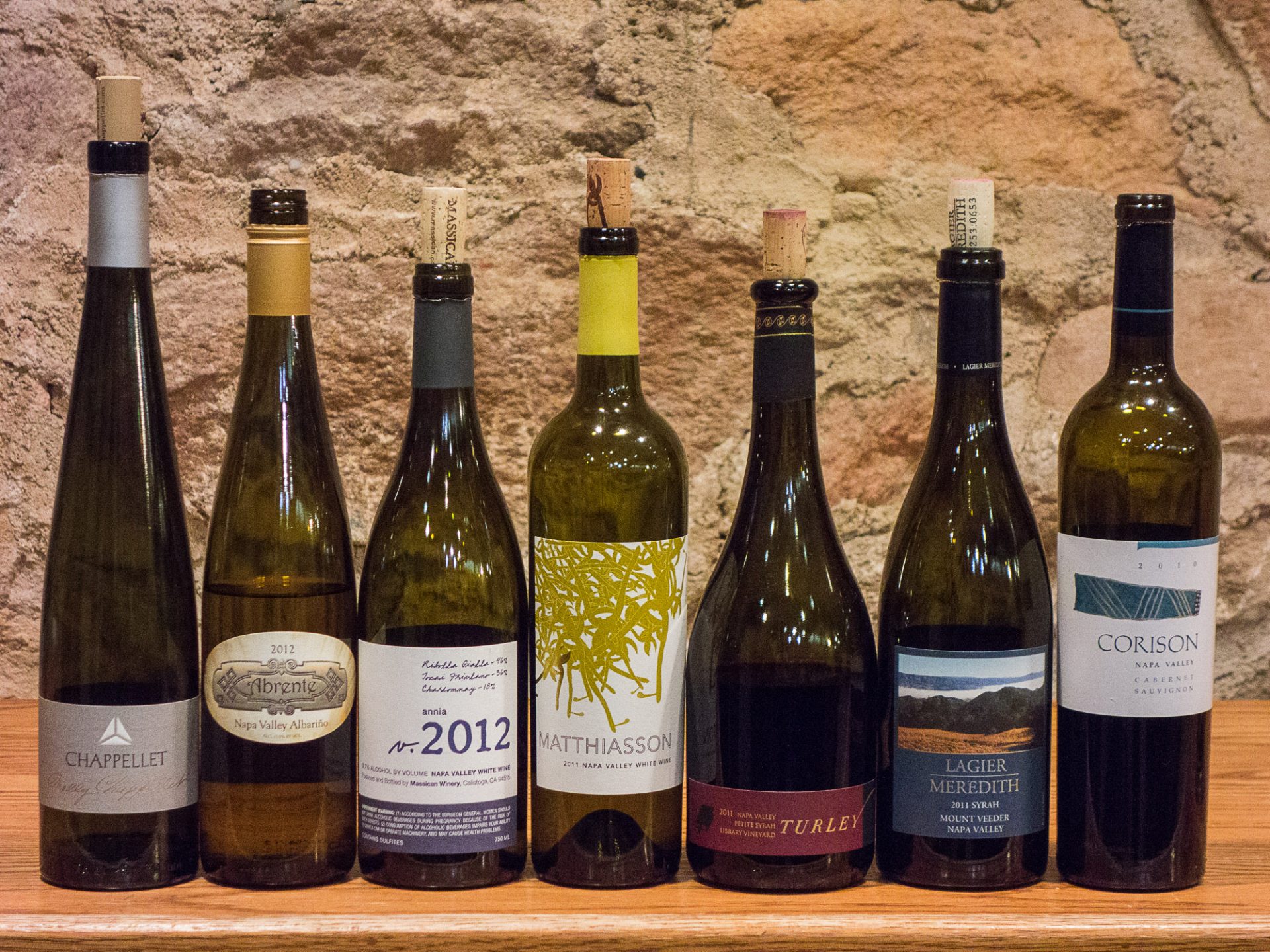
Napa Valley is arguably the most famous AVA in the world outside of Bordeaux. Its diversity stems from its complex geology—containing half of the world's soil orders—and its "vacuum" effect, where cool maritime air is pulled inland from the San Pablo Bay. This creates a gradient where the southern sub-AVAs like Coombsville are significantly cooler than northern areas like Calistoga. While Cabernet Sauvignon is the king here, the variations in elevation (mountain vs. valley floor) create vastly different tannic structures and fruit profiles.
Sonoma County, Napa's neighbor to the west, offers even greater climatic variety. The Russian River Valley is defined by the Petaluma Gap, which allows thick fog to blanket the vineyards, making it a premier location for Pinot Noir and Chardonnay. Conversely, the Alexander Valley is much warmer, producing plush, fruit-forward Cabernet Sauvignons.
The Central Coast: From Paso Robles to Santa Barbara
The Central Coast spans a vast area from south of San Francisco to Santa Barbara. Paso Robles has emerged as a powerhouse for Rhône varieties (Syrah, Grenache, Mourvèdre) due to its calcareous soils and extreme diurnal temperature swings—where temperatures can drop by 40 or 50 degrees Fahrenheit at night, preserving essential acidity in the grapes.
Further south, the Santa Maria Valley and Sta. Rita Hills feature "transverse" mountain ranges that run east-to-west rather than north-to-south. This unique geography funnels cold Pacific air directly into the vineyards, creating some of the coolest growing conditions in the state, ideal for elegant, mineral-driven Pinot Noir.
The Pacific Northwest: Elegance and Intensity
North of California, the states of Oregon and Washington offer contrasting styles that have redefined the global perception of American wine.
Oregon: The Willamette Valley
Oregon’s wine identity is inextricably linked to the Willamette Valley. Located between the Cascade Mountains and the Coast Range, this region shares a similar latitude with Burgundy, France. The focus here is almost exclusively on Pinot Noir. The diversity within the Willamette Valley is driven by soil types: the red, volcanic Jory soils of the Dundee Hills produce wines with bright red fruit and elegant tannins, while the sedimentary Willakenzie soils of the Ribbon Ridge produce darker, more structured wines with savory, earthy notes.
Washington: The Columbia Valley
Washington State presents a starkly different environment. Most of its vineyards are located in the eastern part of the state, in the rain shadow of the Cascade Mountains. This creates a high-desert environment with very little rainfall, necessitating irrigation from the Columbia River. The Columbia Valley and its sub-AVAs, like Walla Walla Valley and Horse Heaven Hills, benefit from long daylight hours and intense sunlight, leading to wines with deep color and high phenolic concentration. Washington is particularly noted for its powerful Cabernet Sauvignon, Merlot, and Syrah, which often possess a distinct "old world" acidity paired with "new world" fruit intensity.
The Northeast: Cool Climate Mastery
The northeastern United States, particularly New York, has carved out a niche for cool-climate viticulture that emphasizes aromatics and crisp acidity.
New York’s Finger Lakes
The Finger Lakes AVA is the heart of New York’s wine industry. The region's geography is defined by deep, narrow glacial lakes that act as "thermal batteries." During the winter, the unfrozen water releases heat, preventing the vines from succumbing to extreme cold (winter kill). In the spring, the cold water delays bud break, protecting the plants from late frosts. This environment is world-class for Riesling, producing styles ranging from bone-dry and petrol-scented to lusciously sweet ice wines.
Long Island
Long Island’s North Fork offers a maritime climate more akin to Bordeaux than the rest of New York. Surrounded by the Long Island Sound and the Atlantic Ocean, the temperature is moderated year-round. This allows for a longer growing season, which is essential for ripening Merlot and Cabernet Franc, the region's signature varieties.
Emerging Regions and Historical Roots
While the "Big Three" (CA, OR, WA) and NY dominate the conversation, regional diversity in 2026 includes significant contributions from other states.
- Virginia: One of the oldest wine-growing regions in the U.S., Virginia has seen a resurgence. The Middleburg and Monticello AVAs are gaining international acclaim for Viognier and Petit Verdot, thriving in the state's humid, granite-rich soils.
- Texas: The Texas High Plains AVA, situated at elevations of 3,000 to 4,000 feet, provides the dry heat and intense sunlight necessary for Mediterranean varieties like Tempranillo, Sangiovese, and Mourvèdre.
- Michigan: The Old Mission Peninsula and Leelanau Peninsula take advantage of Lake Michigan's moderating influence to produce exceptional sparkling wines and cool-climate whites.
Technical Comparison of Major American Wine Regions
| Region | Primary State | Key Grape Varieties | Soil Type | Climate Profile |
|---|---|---|---|---|
| Napa Valley | California | Cabernet Sauvignon, Merlot | Volcanic, Alluvial | Mediterranean with maritime influence |
| Willamette Valley | Oregon | Pinot Noir, Chardonnay | Volcanic (Jory), Sedimentary | Cool Maritime / Temperate |
| Columbia Valley | Washington | Syrah, Cabernet Sauvignon | Loess, Sandy Loam | High Desert / Arid |
| Finger Lakes | New York | Riesling, Cabernet Franc | Glacial Till, Shale | Cool Climate / Continental |
| Paso Robles | California | Syrah, Zinfandel, Grenache | Calcareous Limestone | Continental / High Diurnal Shift |
| Texas High Plains | Texas | Tempranillo, Mourvèdre | Sandy Loam (Amarillo Series) | Semi-Arid / High Elevation |
The Impact of Climate Adaptation in 2026
By 2026, the diversity of American wine is being further shaped by climate change. Traditional boundaries are shifting as vintners look for higher elevations and cooler latitudes. In California, there is an increased focus on regenerative agriculture to retain soil moisture, while in the Pacific Northwest, growers are experimenting with more heat-tolerant clones of Pinot Noir.
Furthermore, the rise of hybrid grapes—crosses between European Vitis vinifera and native American species—is expanding the geographic footprint of American wine. These hybrids are more resistant to extreme cold and fungal diseases, allowing states like Vermont, Minnesota, and Missouri to produce commercially viable and high-quality wines that reflect their unique local environments.
Frequently Asked Questions
What makes an AVA different from a European appellation?
An AVA (American Viticultural Area) is strictly a geographic designation based on climate and physical features. Unlike European systems like France’s AOC, the TTB does not regulate which grapes you can grow, how many tons you can harvest per acre, or how the wine must be aged. This allows American winemakers significantly more freedom to experiment with different styles and varieties within a single region.
Is wine actually produced in all 50 U.S. states?
Yes, as of 2026, every state in the U.S. has at least one commercial winery. While states like California, Washington, Oregon, and New York produce the vast majority of the volume, other states use native grapes, hybrids, or microclimates to produce wines that are increasingly recognized for their quality and regional character.
Which American wine region is best for value?
While Napa Valley is known for premium pricing, regions like Washington’s Columbia Valley and California’s Lodi or Central Valley often provide exceptional value. These regions have the scale and consistent weather to produce high-quality wines at a lower price point than the more famous coastal AVAs.
Why is terroir important for American wines?
Terroir refers to the environmental factors—soil, climate, and topography—that give a wine its unique character. In the U.S., the diversity of terroir is immense. For example, a Cabernet Sauvignon grown in the rocky soils of Napa’s Howell Mountain will have much more intense tannins and mineral notes than a Cabernet grown in the sandy loams of a valley floor, even if they are only a few miles apart.
What is the significance of "Estate Bottled" on an American wine label?
For a wine to be labeled "Estate Bottled," the winery and the vineyard must be located in the same AVA. Furthermore, the winery must own or control the vineyard where the grapes were grown, and the wine must be crushed, fermented, aged, and bottled on the winery's premises without ever leaving the property. This is often considered a mark of higher quality and consistency.
Practical Recommendation for Exploring Regional Diversity
To truly appreciate the regional diversity of American wines, consumers should move beyond grape-specific shopping and begin shopping by AVA. Instead of simply looking for "Chardonnay," compare a bottle from the Russian River Valley (known for its richness and acidity) with one from the Willamette Valley (known for its lean, mineral profile) or the Finger Lakes (known for its high acidity and citrus notes).
For those looking to build a cellar or expand their palate in 2026, keeping an eye on "fringe" regions like the Highlands District of Paso Robles or the Applegate Valley in Southern Oregon can provide access to high-quality, terroir-driven wines before they reach the price premiums of more established names. Understanding the soil and climate of these regions allows a consumer to predict the style of wine in the bottle far more accurately than just looking at the brand name.
Image Gallery
Select an image to open it in a new tab.


Declan O'Connor
Higher Education and Campus Culture Reporter
